By Digital Reach Newsroom
Published: October 26, 2026
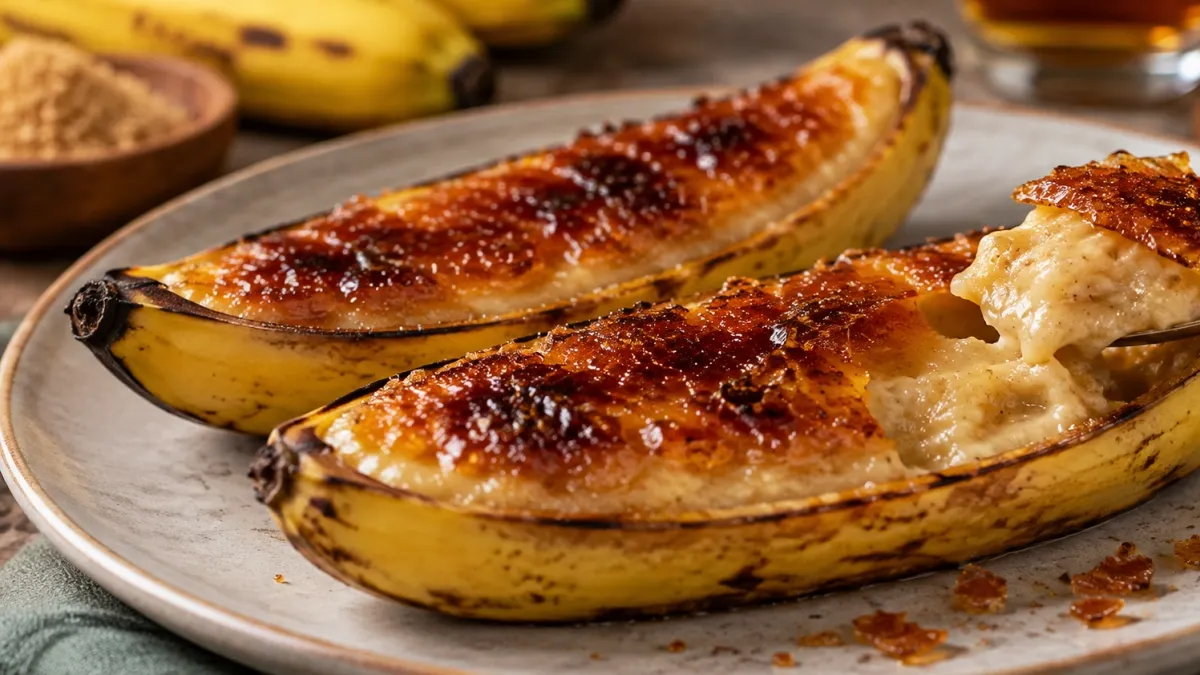
In the ever-evolving world of modern gastronomy, pastry chefs continually seek innovative ways to marry traditional techniques with accessible, everyday ingredients. Renowned chef JoséRa Castillo has captured the attention of home cooks and food enthusiasts worldwide with a creative reinvention of a classic French staple. By taking the iconic, crackling sugar crust and creamy interior characteristic of a traditional crème brûlée and fusing it with tropical fruit, Castillo has introduced a decadent yet surprisingly approachable recipe: Bananas Brûlée with a Creamy Spoonful.
Shared via his official YouTube channel, this culinary creation transforms the humble banana—a pantry staple found in households across the globe—into an upscale dessert experience. The recipe cleverly utilizes the fruit’s natural structure, transforming the hollowed-out banana peel into an organic, eco-friendly serving vessel for a rich, velvety filling flavored with vanilla, milk, muscovado sugar, and a touch of rum.
As food trends increasingly pivot toward sustainable cooking practices, zero-waste kitchen hacks, and elevated comfort foods, Castillo’s recipe arrives at the intersection of ingenuity and practicality. This article breaks down the main facts, the step-by-step chronology of the preparation, the supporting culinary insights, expert safety measures, and the broader implications of this viral dessert trend.
Main Facts: The Anatomy of Bananas Brûlée
At its core, Castillo’s recipe is a masterclass in texture contrast. It bridges the gap between the soft, comforting warmth of cooked fruit and the sophisticated, brittle snap of caramelized sugar.
- The Core Ingredient: Ripe bananas serve as both the primary component of the filling and the presentation vessel.
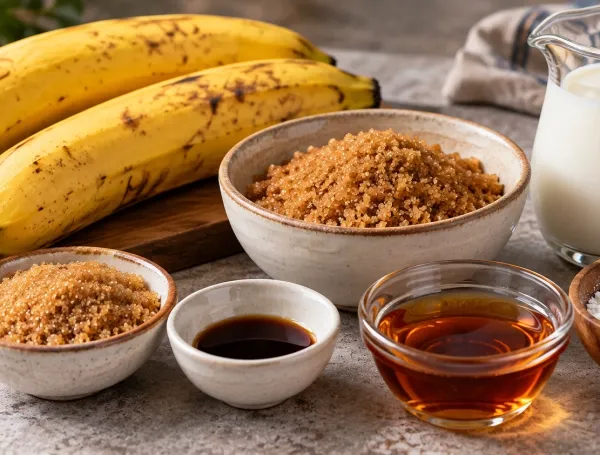
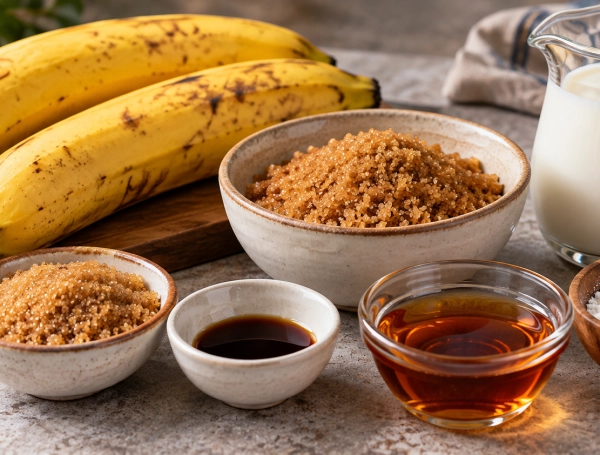
- Flavor Profile: A harmonious blend of earthy sweetness derived from muscovado sugar, aromatic depth from natural vanilla extract, creaminess from milk and cornstarch, and a warming kick from rum.
- The Technique: A hybrid cooking method involving fruit extraction, stovetop reduction, flambéing, and surface torching or caramelization.
- Presentation: Instead of traditional ramekins or ceramic dishes, the finished creamy mixture is piped or spooned back into the reserved banana skins, offering a rustic yet artful presentation.
Unlike traditional custard-based crème brûlées that require dairy-heavy bases and precise water baths (bain-marie) in the oven, this stovetop adaptation cuts down preparation time significantly while maximizing flavor through the natural caramelization of tropical fruits.

Chronology: Step-by-Step Preparation Guide
For those looking to recreate Chef JoséRa Castillo’s dessert at home, the process requires patience, precision, and adherence to specific culinary milestones.
Phase 1: Fruit Extraction and Vessel Preservation
The process begins with the structural preparation of the fruit. Chef Castillo instructs home cooks to take firm yet ripe bananas and carefully cut away approximately one-fourth of the fruit longitudinally. Using a small spoon or knife, the internal pulp is gently extracted while keeping the surrounding skin entirely intact.
- Crucial Step: The hollowed-out peels must be set aside carefully, as they will act as the serving boats for the final dessert. Tearing or puncturing the skin will cause the liquid filling to leak during assembly.
Phase 2: The Stovetop Sauté and Flambé
Once the pulp has been separated, it is transferred to a hot skillet.
- Initial Seasoning: The banana pulp is sautéed alongside 30 grams of muscovado sugar and a generous splash of high-quality vanilla extract. The muscovado sugar—chosen for its deep molasses notes—begins to break down, enveloping the fruit in a rich syrup.
- The Flambé: Once the ingredients are thoroughly incorporated, a measured amount of rum is added to the pan. The alcohol is ignited to create a controlled flame, burning off the harsh alcohol content while leaving behind a sophisticated, oaky sweetness that elevates the fruit’s natural sugars.
Phase 3: Creating the Creamy Body
While the fruit simmers, a separate thickening agent is prepared off-heat.
- In a clean bowl, milk is whisked together with cornstarch (fécula de maíz) until completely smooth, ensuring no lumps remain.
- This dairy-and-starch slurry is slowly poured directly into the simmering banana mixture in the skillet.
- As the heat activates the cornstarch, the cook continuously mashes the fruit, stirring vigorously until the mixture transforms into a thick, uniform, custard-like paste.
Once this desired velvety consistency is reached, the pan is removed from the heat source. The mixture must sit undisturbed until it cools down to room temperature, preventing the delicate banana skins from wilting prematurely.
Phase 4: Assembly and Filling
After cooling, the rich banana custard is gathered and systematically spooned back into the reserved banana peels. The filling is carefully smoothed and leveled across the top, ensuring a neat, uniform surface that prepares the dessert for its final textural transformation.
Phase 5: The Signature Brûlée Crust
The defining characteristic of any brûlée dish is its glass-like top.
- An additional 100 grams of muscovado sugar is evenly dusted across the exposed surface of the stuffed bananas.
- Using a culinary torch (or broiler, if managed with extreme care), the sugar is heated until it melts, bubbles, and hardens into a solid, amber-colored crust.
When served, diners use a spoon to crack through this brittle sugar layer, simultaneously scooping up the cool, creamy banana filling underneath.
Supporting Data and Nutritional Insights
While desserts are primarily consumed for pleasure rather than health benefits, understanding the ingredients provides valuable context for why this recipe works so well from both a culinary and nutritional perspective.

- Muscovado Sugar vs. Refined White Sugar: Muscovado is an unrefined or partially refined cane sugar that retains its natural molasses content. This gives it a sticky texture and a complex, toffee-like flavor profile that pairs exceptionally well with tropical fruits. Nutritionally, it contains small traces of minerals such as magnesium, potassium, and iron, though it should still be consumed in moderation.
- The Role of Cornstarch: Acting as a stabilizing hydrocolloid, cornstarch traps liquid within its starch molecules when heated, preventing the high-moisture fruit pulp from turning watery and ensuring a dense, spoonable mouthfeel.
- Potassium and Fiber Content: Bananas are universally celebrated for being rich in dietary fiber, vitamin C, and potassium, making this dessert a slightly more nutrient-dense alternative to heavily processed pastries laden with artificial stabilizers and hydrogenated fats.
Official Responses and Culinary Expert Commentary
The recipe’s viral success on YouTube has sparked conversations among food bloggers, pastry professionals, and digital content analysts regarding the democratization of high-end gastronomy.
Chef JoséRa Castillo emphasized in his video tutorial that modern desserts do not need to be intimidating or exclusive to fine-dining establishments. By utilizing everyday ingredients—bananas, milk, sugar, and basic pantry spices—home cooks can achieve results that rival professional patisseries.
Furthermore, culinary safety experts have weighed in regarding the flambéing technique demonstrated in the video. Because the procedure involves open flames and high-proof alcohol, safety protocols are paramount. Kitchen safety advocates and professional chefs uniformly endorse Castillo’s warnings:
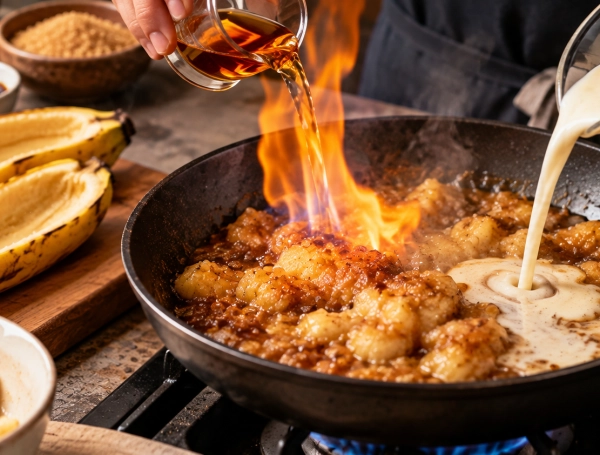
- The Danger of Direct Pouring: Cooks are strongly cautioned never to pour alcohol directly from a bottle into or near a hot pan, as the flame can travel up the stream into the container, causing a catastrophic explosion.
- Clearance of Flammable Materials: All paper towels, oils, and plastic utensils must be cleared from the immediate stovetop workspace before igniting the rum.
Digital media analysts note that recipes featuring interactive elements—such as cracking a sugar crust or using unconventional plating (like a fruit peel)—tend to perform exceptionally well on short-form and long-form video platforms. The visual satisfaction of breaking the caramelized shell provides immediate sensory engagement for viewers, driving high engagement rates, shares, and recreation attempts worldwide.
Implications: The Trend Toward Sustainable and Creative Home Baking
The widespread adoption of recipes like Castillo’s Bananas Brûlée signals a broader shift in culinary culture. As grocery prices fluctuate and environmental consciousness grows, consumers are increasingly drawn to recipes that maximize ingredient utility while minimizing waste.
1. The Zero-Waste Kitchen Movement
Using the banana peel as a biodegradable, organic serving bowl eliminates the need for single-use plastics or extra dishware, reducing cleanup while adding a rustic, farm-to-table aesthetic to the dining experience. This philosophy aligns with a growing consumer desire to respect ingredients fully, utilizing every part of the produce.

2. The Elevation of Budget-Friendly Ingredients
In periods of economic tightening, luxury is often redefined. Instead of relying on expensive imported chocolates, vanilla beans, or specialty berries, contemporary chefs are proving that extraordinary flavor profiles can be extracted from humble, budget-friendly staples like bananas and pantry sugars.
3. Bridging Home Cooking and Fine Dining
Recipes that incorporate advanced techniques—such as flambéing, reduction, and torching—while utilizing supermarket basics empower home cooks to experiment with professional-grade skills. This educational aspect builds confidence in domestic kitchens, fostering a deeper appreciation for culinary arts among everyday food lovers.
In conclusion, Chef JoséRa Castillo’s Bananas Brûlée is much more than a viral internet recipe; it is a masterclass in resourcefulness, flavor pairing, and culinary presentation. By transforming a basic fruit into a multi-textured masterpiece, this dessert proves that true culinary excellence is rooted not in the cost of the ingredients, but in the creativity of the hands that prepare them.