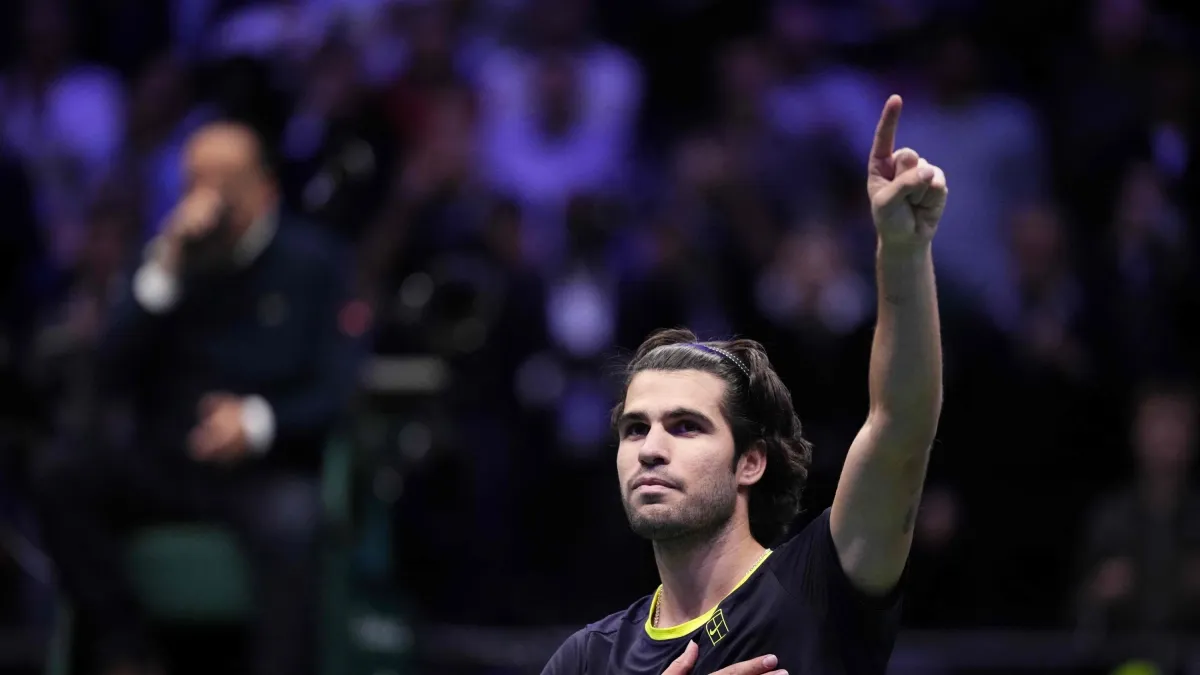
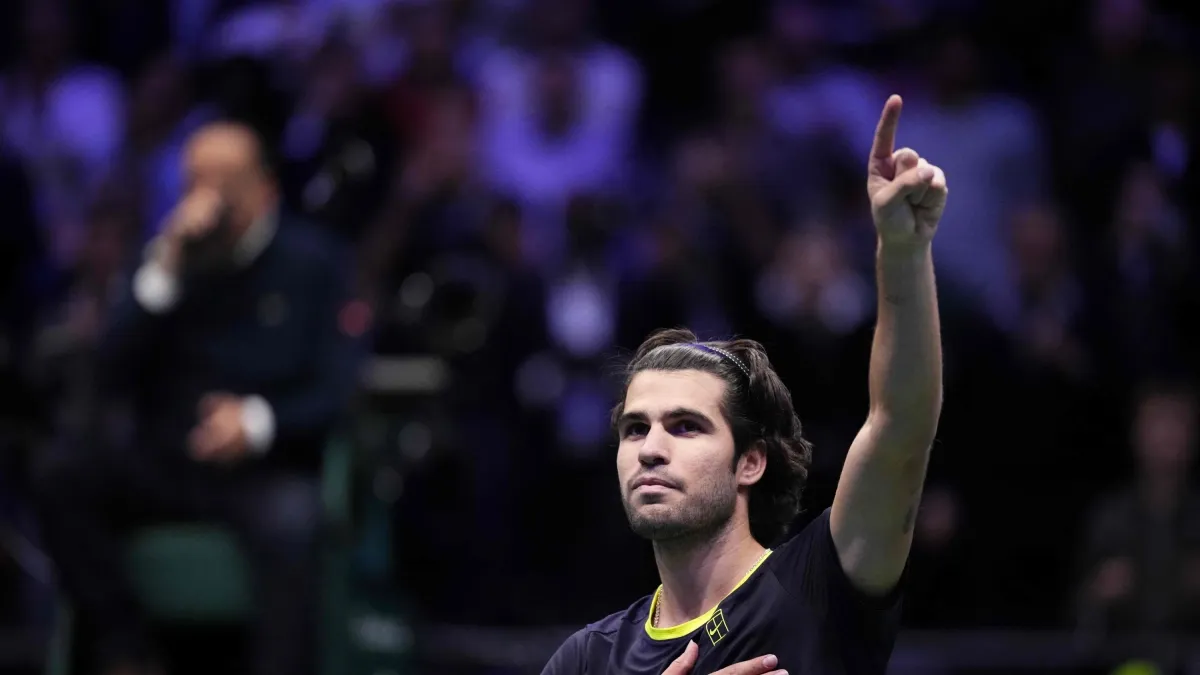
In a display of nerves, grit, and extraordinary talent, Spanish tennis sensation Carlos Alcaraz delivered one of the most significant performances of his 2026 season. Facing elimination in the quarterfinals of the Paris Masters, the world number three pulled off a miraculous escape against American Taylor Fritz, securing a 6-7 (10), 7-5, 6-3 victory. The win, earned in a grueling two-hour and 45-minute battle, did more than just propel the Spaniard into his first-ever Paris Masters semifinal; it acted as the ultimate catalyst for the ATP Finals qualification race, officially sealing the ticket for his compatriot, Rafael Jódar.
The Crucible: A Match of Margins
The atmosphere at the Accor Arena in Paris was electric, with the crowd witnessing a tactical chess match played at breakneck speed. Alcaraz, often characterized by his explosive athleticism, found himself in a precarious position against a resurgent Fritz, who played with the desperation of a man knowing his season hinged on the result of this very encounter.
The match began with Alcaraz dictating terms, racing to a commanding 5-2 lead in the opening set. It seemed the Spaniard was on course for a routine victory. However, the ebb and flow of tennis is notoriously unforgiving. Fritz, finding his range on his serve, rattled off eleven consecutive points, shifting the momentum entirely. The American’s ability to withstand pressure was on full display as he fended off three set points, eventually clinching a marathon tiebreak 12-10. For Alcaraz, the frustration was palpable; he had let a golden opportunity slip through his fingers.
The Turning Point: Survival Under Pressure
If the first set was a display of missed chances, the second set was a masterclass in mental fortitude. With the match delicately poised, Fritz secured a crucial break in the seventh game, moving to a 5-4 lead with the service game in his pocket. Two points away from elimination, facing two match points, Alcaraz was pushed to the absolute brink.

In moments like these, champions define their legacy. Alcaraz, instead of collapsing, elevated his game. He neutralized the match points with a combination of aggressive baseline play and a clinical serve that had previously wavered. After holding serve, he broke back immediately, reeling off four consecutive games to take the second set 7-5. The shift in energy was absolute; Fritz, who had been seconds away from a statement victory, suddenly found himself chasing a momentum he could no longer catch.
The Decisive Set: Clinical Execution
Entering the third set, the psychological toll on Fritz was evident. Alcaraz, fueled by the adrenaline of his escape, seized control from the opening game. His return game, widely considered the best in the business, dismantled the American’s resolve. The Spaniard’s service stats told the story of his resilience: throughout the match, he saved nine out of ten break points, a testament to his ability to perform when the pressure is at its zenith.

By the time the final 6-3 set concluded, it was clear that Alcaraz had not only beaten an opponent but had also outlasted him mentally. The victory marked Alcaraz’s 40th win of the season, extending a streak of four consecutive years reaching that milestone, and secured his 15th career appearance in a Masters 1,000 semifinal.
Implications for the ATP Finals in Turin
The ripple effects of this match extend far beyond the tournament brackets in Paris. With his loss, Taylor Fritz saw his remaining mathematical hopes for a spot in the ATP Finals in Turin evaporate. Conversely, this development handed the eighth and final qualification spot to the young Spanish talent Rafael Jódar.
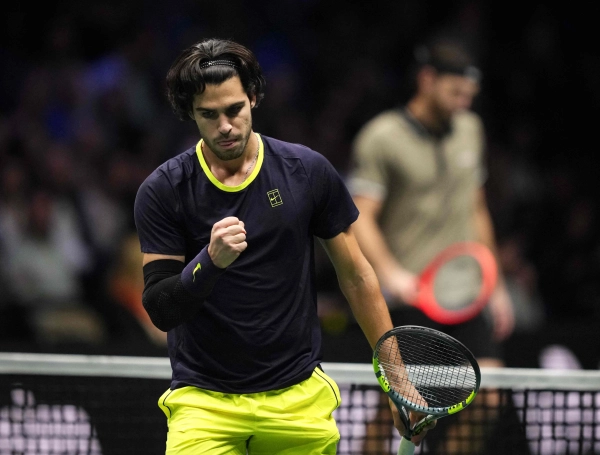
For Jódar, this is the culmination of a breakout season that has seen him rise through the rankings to join the elite field in Turin. He will join a star-studded lineup that includes Alexander Zverev, Carlos Alcaraz, Ben Shelton, Daniil Medvedev, Flavio Cobolli, Arthur Fils, and Frances Tiafoe. The narrative of two Spaniards heading to Turin—one the established superstar and the other the emerging force—adds a compelling subplot to the year-end championships.
Strategic Analysis: The Road Ahead
With the semifinal spot secured, Alcaraz now shifts his focus to the next hurdle. His path to the title remains treacherous, with a clash against either Casper Ruud or Nuno Borges looming. The other half of the draw features the explosive pairing of Ben Shelton and the local favorite Luca Van Assche, setting up a potentially mouth-watering final.
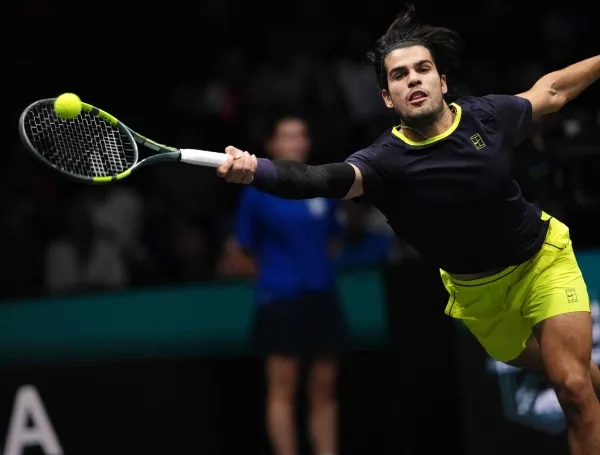
From a tactical standpoint, Alcaraz’s performance highlighted both his strengths and areas for refinement. While his ability to "switch on" under extreme duress is unparalleled, his tendency to allow opponents back into matches after securing early breaks remains a point of concern for his coaching staff. However, his capacity to save nine break points indicates a level of clutch play that will be vital in the indoor conditions of the upcoming ATP Finals.
The Bigger Picture: Tennis in 2026
The 2026 season has been defined by the shifting of the guard. The presence of players like Shelton, Fils, and Jódar in the upper echelons of the ATP race signals a new, highly competitive era. Alcaraz continues to be the barometer for this generation, serving as the benchmark that others must surpass.
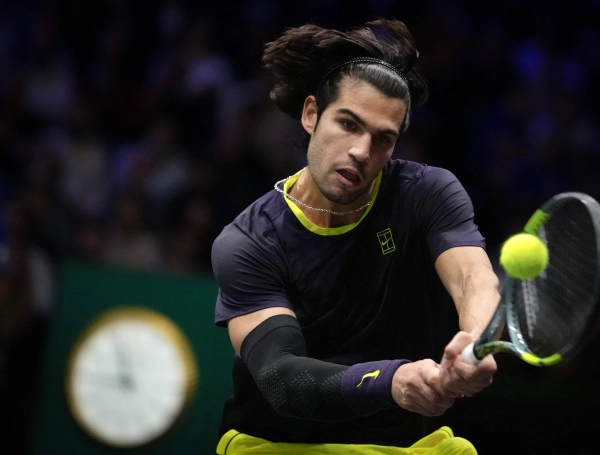
The Paris Masters has long been a graveyard for favorites, but Alcaraz’s performance this Friday proved that he has the tactical maturity to handle the tournament’s unique challenges. His victory was not just a win for his own record, but a defining moment for the ATP circuit as it prepares for the season’s grand finale in Italy.
Official Commentary and Reactions
While the players remained focused on their post-match routines, the tennis community was quick to react. Analysts noted that while Fritz played a near-perfect match for two hours, the "Alcaraz Factor"—that innate ability to pull a rabbit out of the hat—proved to be the deciding variable.

"Carlos plays the big points differently," remarked one ATP commentator. "He doesn’t just play to stay in the rally; he plays to dictate, even when he’s down match point. It’s that fearlessness that separates him from the rest of the field."
As the tournament moves toward its conclusion, the eyes of the tennis world are firmly fixed on Paris. Will Alcaraz’s escape serve as the springboard for a title run, or will the physical toll of his quarterfinal battle leave him vulnerable in the final rounds?

Conclusion
Carlos Alcaraz’s victory over Taylor Fritz was a quintessential match for the modern era: high-intensity, full of momentum shifts, and deeply consequential. By saving two match points, Alcaraz didn’t just stay alive in the Paris Masters; he ensured the integrity of the ATP Finals race by clearing the way for Rafael Jódar.
As the calendar turns toward the final weeks of the 2026 season, the narrative is clear: the elite of men’s tennis is evolving. With Alcaraz at the helm, the sport is seeing a level of competition that is as unpredictable as it is thrilling. Fans in Paris, and those watching from across the globe, were treated to a masterclass in resilience—a reminder that in professional tennis, the match is never truly over until the final ball drops.

As Alcaraz looks toward the semifinals, he carries not only his own championship aspirations but the hopes of a Spanish contingent that is poised to make a massive impact in Turin. The road to the year-end trophy is paved with moments of brilliance, and if this Friday is any indication, the best is yet to come.
This content was rewritten with the assistance of an artificial intelligence based on information provided by EFE.