Introduction: A New Jewel in the Andean High-Altitude Ecosystem
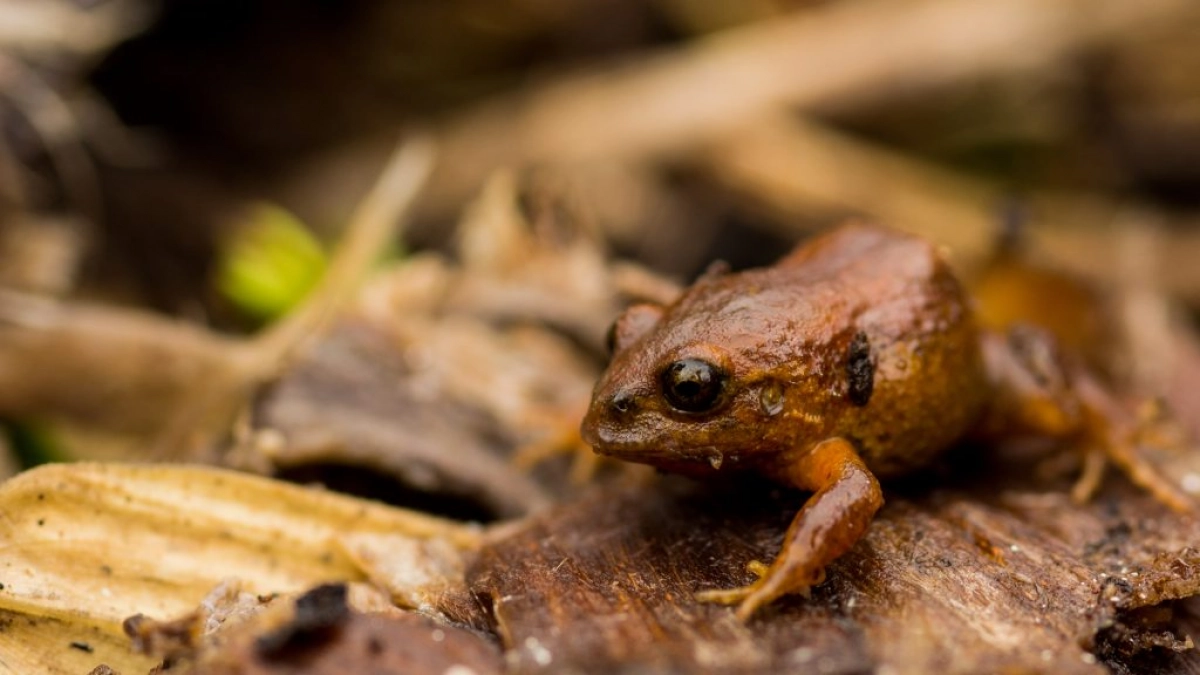
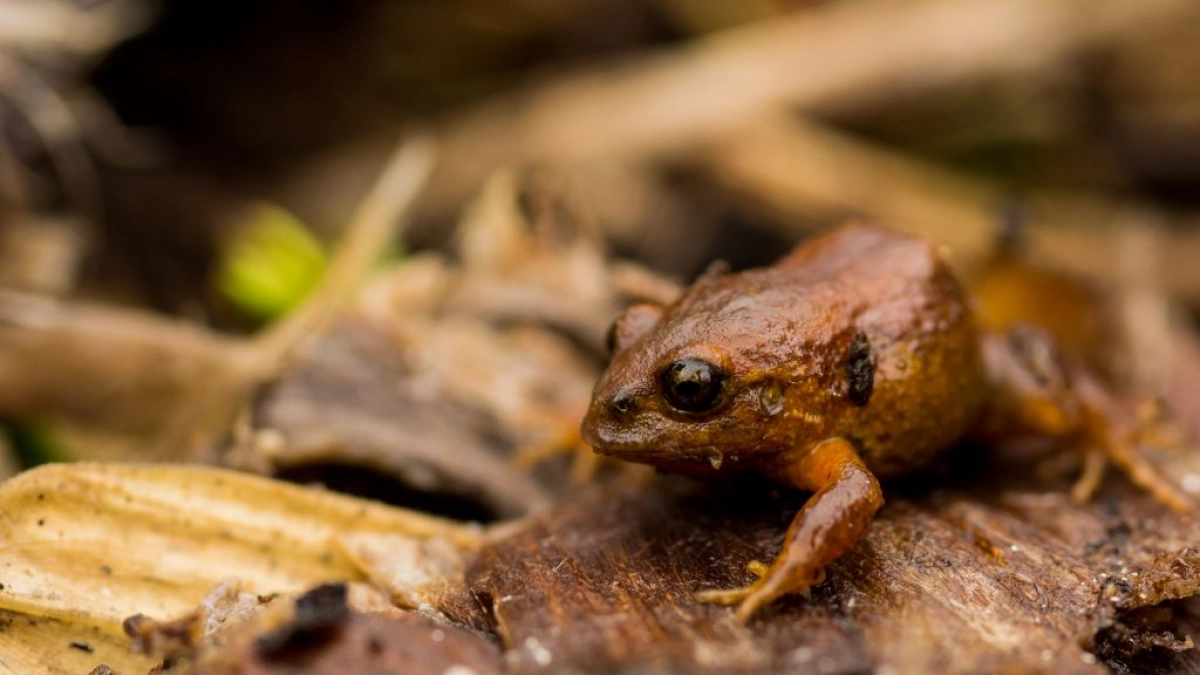
Deep within the misty, high-altitude embrace of the Colombian Massif, a biological treasure has remained hidden from science for generations. In a significant breakthrough for biodiversity conservation, researchers have officially identified a new species of frog, Niceforonia florezarum. This tiny, resilient amphibian, measuring no more than two centimeters, has been found thriving in the rugged paramo and sub-paramo ecosystems of the Cauca department.
The discovery, formally published in the prestigious international scientific journal Zootaxa on September 22, 2026, underscores the vital importance of protected areas such as the Puracé National Natural Park. As scientists continue to catalogue the rich, yet fragile, biological diversity of Colombia, this small inhabitant serves as a reminder of the secrets still locked within the nation’s high-altitude wildlands.
Chronology of Discovery: Seven Years of Scientific Rigor
The identification of Niceforonia florezarum was not a stroke of sudden luck, but the culmination of a meticulous, multi-year scientific effort. The process, spanning from 2017 to 2023, involved a total of 15 intensive sampling expeditions.
Phase 1: The Initial Mappings (2017–2019)
The journey began with baseline biological surveys within the Puracé National Natural Park. Researchers led by Gustavo Adolfo Pisso-Flórez, in collaboration with national park authorities, initially noted morphological variations in the amphibian populations observed near the Laguna Sánchez. During this period, the team began collecting preliminary field data, focusing on habitat preferences and environmental interactions.

Phase 2: Comprehensive Data Collection (2020–2022)
As the team expanded to include experts like Alexandra Cardona-Giraldo and Héctor E. Ramírez-Chaves, the scope of the study widened. The researchers implemented a multidisciplinary approach, integrating:
- Morphological Analysis: Comparing the physical characteristics of the specimens against existing museum archives.
- Bioacoustic Monitoring: Recording the unique vocalizations of the frogs, which often serve as a definitive indicator of species differentiation.
- Genetic Sequencing: Collaborating with international experts, including Glib O. Mazepa and Kevin P. Mulder, to analyze DNA samples and confirm the evolutionary divergence of the population.
Phase 3: Validation and Publication (2023–2026)
Following the final expeditions, the team spent three years synthesizing their findings. The peer-review process ensured that the classification of Niceforonia florezarum met the rigorous standards of modern taxonomy, culminating in its formal scientific announcement in late 2026.
The Ecology of the Niceforonia florezarum
Understanding the life cycle and environmental needs of this frog provides essential data for the management of the Colombian Massif.
Physical Characteristics
The Niceforonia florezarum is a marvel of miniaturization. Measuring between 15.4 and 20.4 millimeters, it is perfectly adapted to the cool, damp environment of the paramo. Distinguishing features include:

- Dorsal Texture: The skin is characterized by small, distinct protuberances.
- Coloration: A sophisticated palette ranging from deep reddish-brown to earthy tones, allowing for exceptional camouflage against the leaf litter and moss.
- Ventral Markings: Unique white or cream-colored spots on the underbelly.
- Digital Anatomy: Notably, the species lacks the enlarged toe pads found in many of its relatives, suggesting a life spent primarily on the ground or within dense, low-level vegetation rather than climbing.
Habitat Range
The species has been recorded at altitudes between 3,340 and 3,583 meters above sea level. Its confirmed presence in two distinct locations—the Laguna Sánchez (within the Puracé National Natural Park) and the Guanacas paramo (between the municipalities of Totoro and Inzá)—suggests a localized but specialized distribution. They are predominantly found beneath fallen logs, in deep moss layers, and among the root systems of frailejones (Espeletia), the iconic plants of the paramo.
Unprecedented Behavior: A Potential Parental Milestone
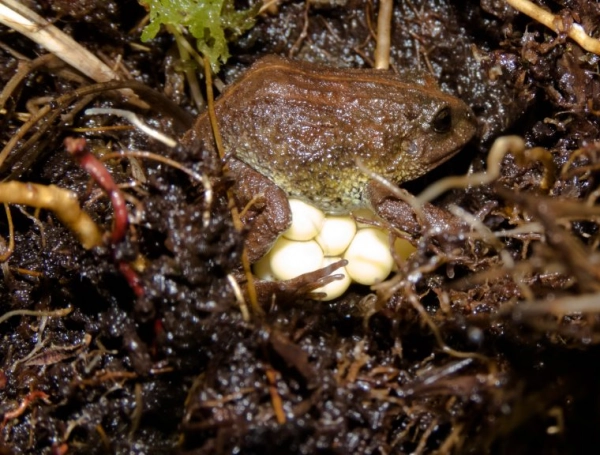
Perhaps the most significant aspect of this discovery is the observation of reproductive behavior. During a field expedition, the research team discovered an adult female in a state of direct protection over a clutch of 19 eggs. The nest was located approximately five centimeters beneath the soil surface.

This is the first documented instance of potential parental care within the genus Niceforonia. In the world of anurans, parental care—such as guarding eggs from predators or maintaining hydration—is a sophisticated evolutionary trait. This observation raises fascinating questions about the social structure and survival strategies of this genus. It suggests that in the harsh, unpredictable climate of the high Andes, these frogs have developed specialized behaviors to ensure the viability of their offspring, effectively shielding them from extreme temperature fluctuations and potential predators.
Implications for Conservation and Science
The discovery of Niceforonia florezarum brings the total number of recognized species in the Niceforonia genus to over ten, with six of these being endemic to the paramo. Evolutionary analysis indicates that this new species is closely related to Niceforonia brunnea, a relative found approximately 195 kilometers to the south, near the Nariño-Ecuador border.

Why This Matters
- Biodiversity Hotspots: The fact that this species remained undiscovered until 2026 in a protected area highlights the extreme biodiversity of the Colombian Andes. It serves as a strong argument for the continued protection and expansion of the National Natural Parks system.
- Climate Sensitivity: As paramo ecosystems are among the most vulnerable to climate change, the Niceforonia florezarum could serve as a "bio-indicator." Its health and presence can provide scientists with critical information regarding the stability of high-altitude water sources and soil health.
- Scientific Collaboration: The project serves as a model for future research, demonstrating the effectiveness of combining local expertise with international genetic and bioacoustic analysis.
Official Perspectives
While the primary research team has been cautious in their immediate assessments, the discovery has been met with enthusiasm from the conservation community. Environmental authorities in the Cauca region have emphasized that the discovery necessitates a review of local management plans. Protecting the specific micro-habitats—the mossy, debris-rich areas where these frogs breed—is now a priority for the Puracé National Natural Park authorities.
Future Research Directions
The identification of Niceforonia florezarum is only the beginning. The research team has outlined several key areas for future inquiry:

- Population Density Studies: Determining the total population size to assess whether the species qualifies for a "threatened" or "endangered" status under IUCN criteria.
- Bioacoustic Cataloguing: Further study of the frogs’ calls, which may reveal more about their communication and mating rituals.
- Climate Change Modeling: Predicting how rising temperatures might shrink the available habitat for a species so specifically adapted to the high-altitude paramo.
As we look toward the future, the Niceforonia florezarum stands as a testament to the mysteries that remain in the Colombian landscape. Every new species identified is a puzzle piece in the larger narrative of Earth’s evolutionary history, reminding us that even the smallest creatures play a vital, irreplaceable role in the health of our planet’s most critical ecosystems.
Reporting by the Environmental Desk at El Tiempo. For ongoing coverage of environmental discoveries and conservation efforts in Colombia, subscribe to our newsletter or follow our digital channels.