By Cultural Desk
Updated: November 6, 2026, 3:52 PM
The world of international cinema is in mourning following the sudden passing of Sebastián Lelio, the acclaimed Chilean director and screenwriter whose work redefined the scope of Latin American storytelling. Lelio, a titan of contemporary film and the first Chilean filmmaker to secure an Academy Award for Best International Feature Film, was found dead at his home in the Las Condes district of Santiago this Friday, November 6, 2026. He was 52 years old.
The news was confirmed by his family in a somber statement that cited health complications as the cause of death. "With heavy hearts, we announce the passing of filmmaker Sebastián Lelio due to health-related issues. We are navigating a moment of profound grief, but we take solace in knowing that his memory and his work will remain with us forever," the family said.
At the time of his passing, Lelio was deeply immersed in the production of his latest project, a cinematic adaptation of Alejandro Zambra’s celebrated novel, Poeta chileno. The loss has sent shockwaves through the global arts community, cutting short the career of a director who was arguably in his prime, continuing to challenge the boundaries of identity, empathy, and social norms.

A Life Dedicated to the Lens
Born in Mendoza, Argentina, on March 8, 1974, Lelio moved to Chile at a young age, where he would eventually find his artistic voice. His upbringing in the Chilean landscape became the foundation for a career that consistently sought to capture the "unseen"—the marginalized individuals and complex emotional lives that often escaped the mainstream cinematic gaze.
Lelio did not rise to prominence overnight. His early work displayed a meticulous, patient approach to character development, but it was his 2013 breakthrough, Gloria, that propelled him to the global stage. Starring Paulina García, the film was a masterclass in the representation of aging and female desire, themes rarely explored with such nuance in contemporary cinema. The film was a critical triumph, earning the Silver Bear for Best Actress at the Berlin International Film Festival and cementing Lelio’s reputation as a director of profound humanism.

The Academy Award and International Stardom
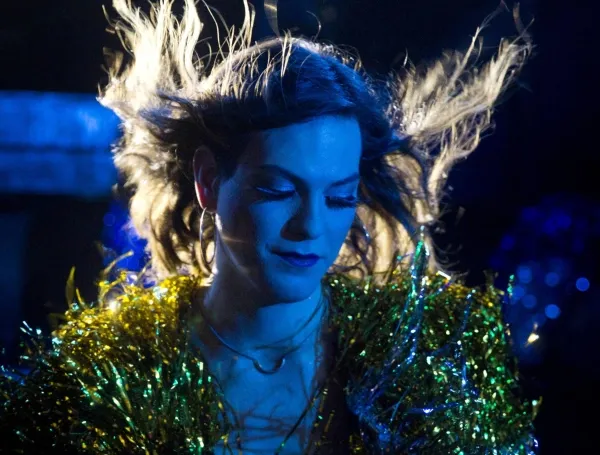
While Gloria introduced the world to Lelio’s unique sensibilities, it was his 2017 masterpiece, Una mujer fantástica (A Fantastic Woman), that etched his name into the history of cinema. The film, which follows the life of a transgender woman navigating the grief and discrimination that follow the sudden death of her partner, served as a lightning rod for social change in Chile and beyond.
The film’s success was historic. In 2018, it secured the Academy Award for Best Foreign Language Film, marking the first time a Chilean production had ever achieved such a feat. Beyond the golden statuette, the film’s lead, Daniela Vega, became an international symbol of trans rights, and Lelio’s direction was lauded for its refusal to rely on victimhood, opting instead for a portrait of defiant dignity.
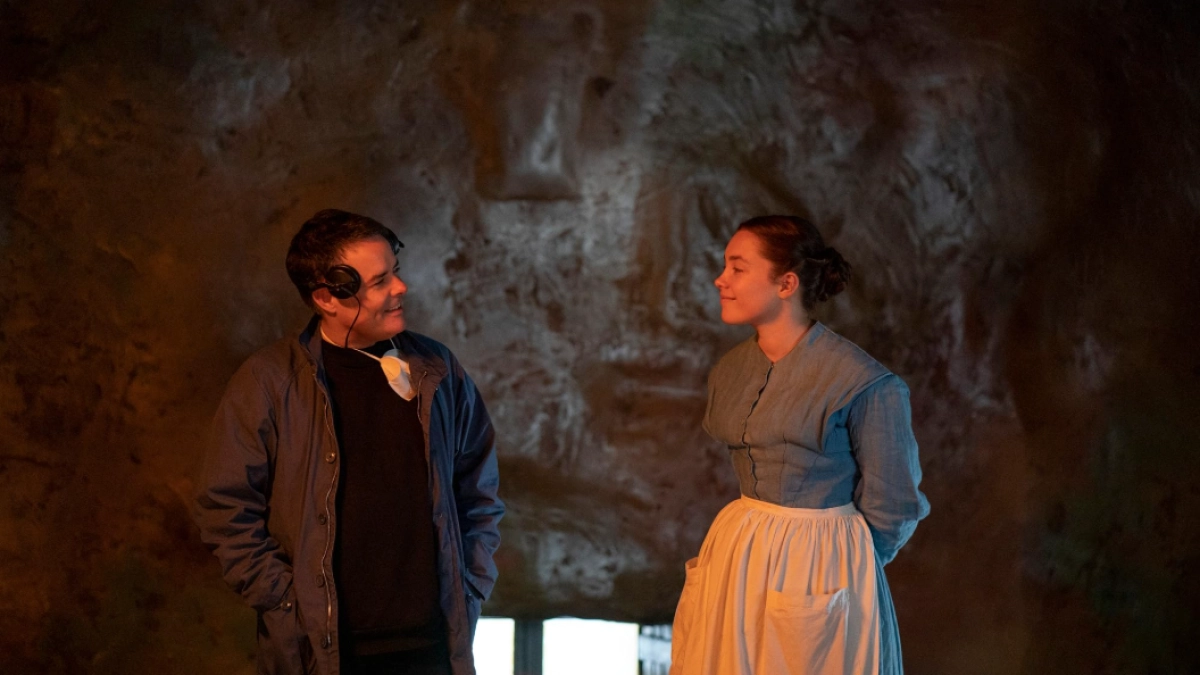
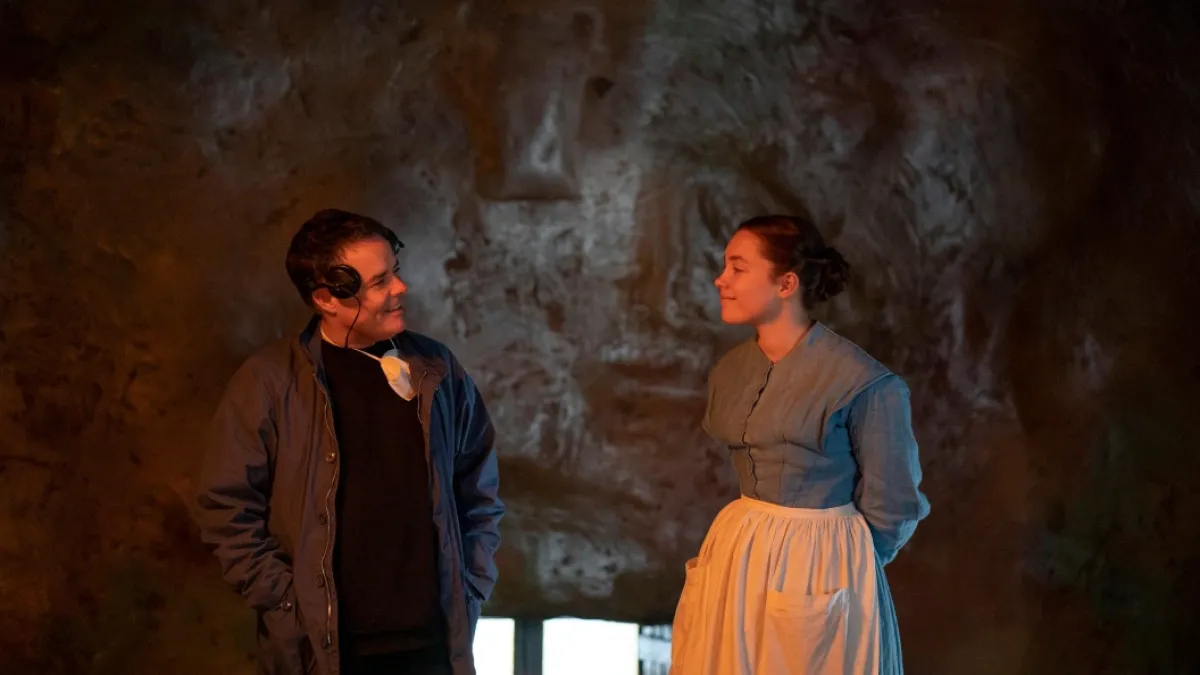
Following this monumental success, Lelio transitioned into international co-productions, showcasing his ability to maintain a signature style even when working within the rigid structures of the Hollywood studio system. Films like Disobedience (2017), starring Rachel Weisz and Rachel McAdams; Gloria Bell (2018), a reimagining of his own work with Julianne Moore; and The Wonder (2022), starring Florence Pugh, demonstrated a versatility that allowed him to bridge the gap between intimate character studies and grand, atmospheric storytelling.
Chronology of a Prolific Career
To understand the trajectory of Lelio’s influence, one must look at the progression of his filmography, which mirrors the evolution of modern independent cinema:

- 2005: Directs his first feature, La Sagrada Familia, establishing his interest in domestic tension and familial rupture.
- 2013: Gloria is released, earning widespread acclaim and international distribution.
- 2017: Disobedience and Una mujer fantástica represent a period of high productivity and critical peak.
- 2018: The Oscar win for Una mujer fantástica shifts the perception of Chilean cinema on the global map.
- 2018: Gloria Bell marks his entry into English-language production with top-tier Hollywood talent.
- 2022: The Wonder showcases his ability to handle historical period pieces with a modern psychological edge.
- 2025: Releases the musical La ola, a bold reflection on the 2018 Chilean feminist university movements, showcasing his commitment to political discourse.
Official Responses and Cultural Impact
The reaction to Lelio’s death has been immediate and deeply emotional across Chile’s political and cultural landscape. The Chilean Film Academy, of which Lelio was a cornerstone member, released a heartfelt tribute.
"His work left an indelible mark on both national and international cinema," the Academy stated. "With a singular, acute, and profoundly human sensitivity to exploring relationships, identity, and the contradictions of our society, he built a filmography that transcended borders. He did not just make movies; he opened conversations, challenged prejudices, and expanded the possibilities of our collective storytelling."

Francisco Undurraga, the Chilean Minister of Culture, echoed these sentiments, labeling the loss as a tragedy for the nation’s cultural identity. "Sebastián’s cinema brought characters to the center of the frame that had rarely been looked at before. He took Chile to the highest levels of the global audiovisual industry, and his legacy will serve as a lighthouse for future generations of filmmakers."
Fábula, the production company that stood behind many of his most iconic works, expressed their own heartbreak: "With deep pain, we say goodbye to Sebastián Lelio, a storyteller whose brave and sensitive gaze marked the evolution of Chilean cinema. His films, his characters, and his voice will remain with us."

The Legacy of the "Outsider"
What separated Lelio from his contemporaries was his refusal to categorize his characters as heroes or villains. Whether it was the elderly woman seeking love in Gloria or the transgender protagonist of Una mujer fantástica, Lelio’s characters were always "outsiders" forced to exist in worlds that were not designed for them.
He possessed an uncanny ability to translate the internal pain of his subjects into visual poetry. His framing was often intimate, claustrophobic even, designed to force the audience to confront the character’s emotional state head-on. In an interview given in 2024, Lelio noted, "Cinema is the act of seeing what we are afraid to acknowledge. If a film doesn’t make you feel slightly uncomfortable, or if it doesn’t force you to reconsider your own prejudices, then it has failed in its duty."

His work on the upcoming Poeta chileno was highly anticipated, as it signaled a return to the roots of his homeland’s literary tradition, a project that critics expected to be a career-defining exploration of masculinity and artistic ambition. Its sudden cancellation, or the uncertainty of its future, adds a layer of unfinished business to an otherwise incredibly complete career.
Implications for Latin American Cinema
The death of Sebastián Lelio is not merely a loss for Chile, but a significant blow to the momentum of Latin American cinema. Over the last decade, Lelio, alongside peers like Pablo Larraín, helped facilitate a "golden age" for the region, where Chilean films became staples at Cannes, Venice, and the Oscars.

Lelio’s passing raises questions about the future of this movement. As the industry faces economic volatility and shifting consumer habits, directors like Lelio—who successfully balanced prestige, political message, and mass appeal—are increasingly rare. His death leaves a vacuum, but it also leaves a roadmap. He proved that a filmmaker could be deeply local and universal at the same time, that a small, quiet story about a woman in Santiago could resonate just as strongly in Los Angeles, Tokyo, or Berlin.
The cultural memory of Chile will forever be intertwined with his work. From the opening notes of his soundtracks to the final lingering shots of his films, Lelio invited the world to look at Chile not through the lens of political history, but through the lens of individual dignity.

As the Chilean government and the arts community prepare for official tributes, the focus remains on the man behind the camera—a person who was described by his peers as humble, intensely observant, and driven by a relentless need to seek the truth.
Sebastián Lelio did not just capture life; he honored it. His departure at the age of 52 is premature, leaving his audience with the question of what he might have created next. However, the depth of the body of work he leaves behind is, in itself, a complete and beautiful testament to a life lived in pursuit of the truth. He leaves behind a filmography that will be studied, watched, and revered for decades to come, ensuring that while the director may have exited the scene, his vision remains, quite literally, immortalized on film.