By International News Desk
Updated: July 23, 2026
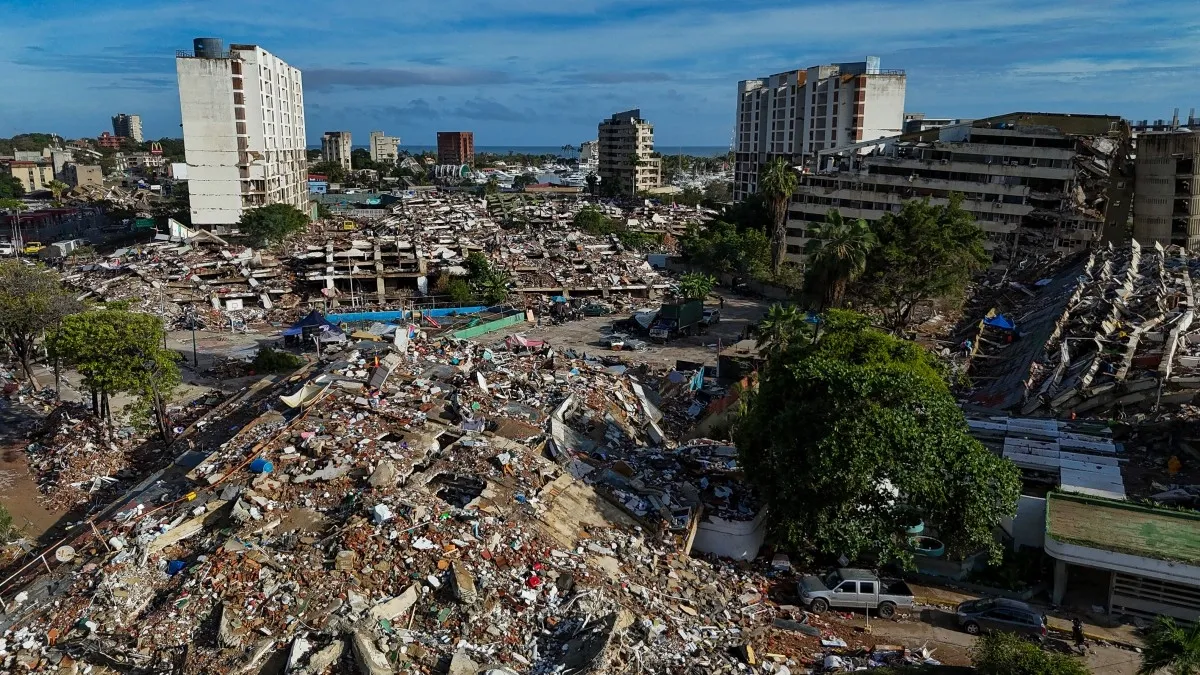
One month has passed since the seismic double-strike of June 24, 2026, which left Venezuela reeling in the aftermath of a humanitarian catastrophe of unprecedented proportions. As the dust settles over the rubble-strewn streets of the country’s northern regions, the true scale of the devastation has become painfully clear. With the death toll climbing to 5,398 and tens of thousands of families displaced, the International Federation of Red Cross and Red Crescent Societies (IFRC) has issued an urgent plea for international assistance, warning that the crisis is far from over.
The Grim Reality: A Statistical Overview of the Disaster
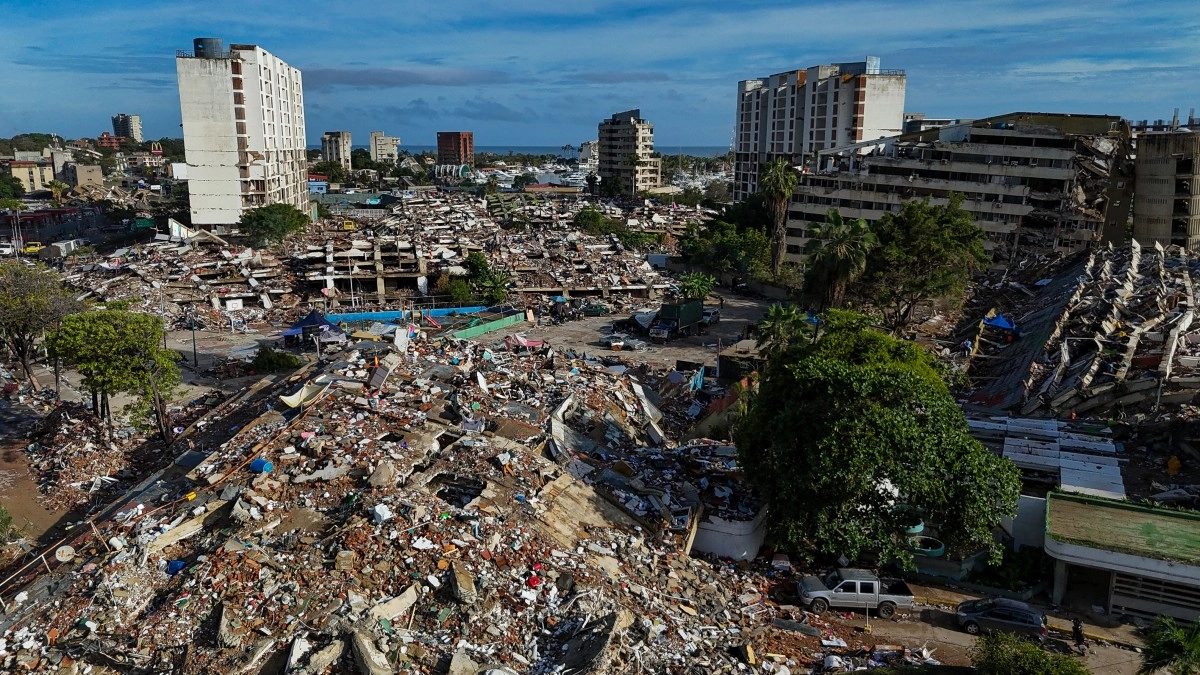
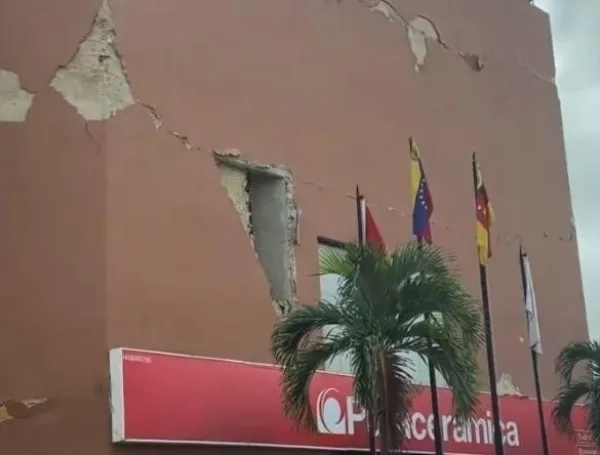
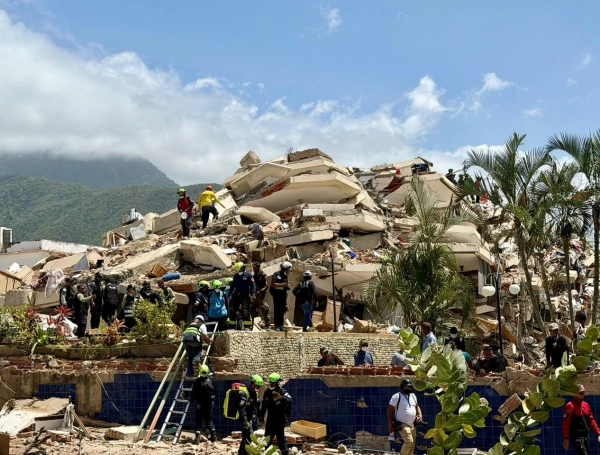
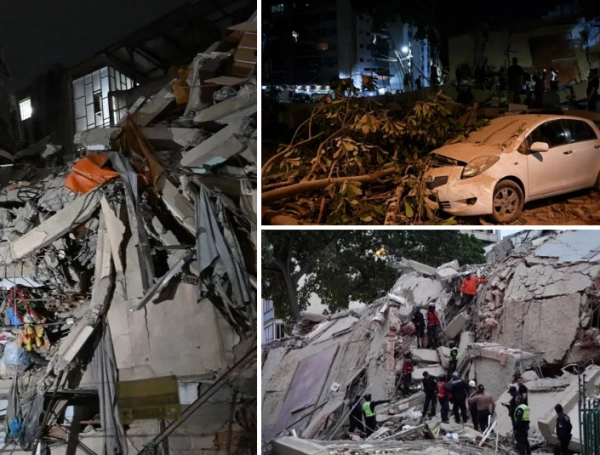
The seismic events of June 24—a harrowing combination of 7.2 and 7.5 magnitude earthquakes—have fundamentally altered the landscape of Venezuela’s northern territories. According to the most recent data provided by the President of the National Assembly, Jorge Rodríguez, the official death toll reached 5,398 as of Wednesday, July 22. This figure represents an increase of 52 fatalities in just the last 24 hours, suggesting that recovery efforts in unstable, collapsed structures are still yielding tragic discoveries.
Beyond the loss of life, the human cost is staggering. Approximately 16,740 people have sustained injuries, while 17,907 individuals have been confirmed as displaced, having lost their homes in the tremors. The displacement crisis is managed through a network of 107 emergency camps, which currently shelter 23,335 people. These figures, however, paint only a partial picture of the suffering. The discrepancy between the number of destroyed homes and the number of people in shelters suggests a vast population seeking refuge with family or in informal, precarious settings.

Chronology of the Tragedy: From Impact to Ongoing Recovery
The events of June 24 caught the nation by surprise, triggering immediate chaos. The seismic activity, which struck the densely populated northern corridor, initiated a cascade of infrastructure failures.
- June 24, 2026: The double-earthquake strikes. Initial confusion gives way to emergency responses as communication grids fail and hospitals are overwhelmed.
- Late June 2026: The IFRC and other international NGOs begin mobilizing. A makeshift clinic is established in La Guaira to provide immediate relief.
- Early July 2026: Reports emerge of mass burials in La Guaira as local authorities struggle to manage the influx of unidentified remains.
- Mid-July 2026: The government begins the first phase of housing relocation for 240 families at Fuerte Tiuna in Caracas.
- July 22, 2026: Official reports confirm the death toll has reached 5,398, with over 1,463 aftershocks recorded since the initial event.
The persistence of aftershocks—over 1,463 recorded to date—has severely hampered reconstruction efforts and prolonged the psychological trauma of the survivors, who remain in a state of perpetual hyper-vigilance.

The Humanitarian Response: Funding Shortfalls and Urgent Needs
The IFRC has sounded an alarm regarding the funding gap currently hindering the relief operation. The organization initially requested 50 million Swiss francs (approximately 53 million euros) to sustain operations for the immediate aftermath. To date, only 25 percent of these funds have been secured.
"This disaster is far from over," stated Loyce Pace, the IFRC’s Regional Director for the Americas. "Our primary focus remains the distribution of essential goods and the protection of public health. However, as we look to the mid-term and beyond, we must also focus on the restoration of livelihoods."
The absence of adequate funding threatens to leave critical sectors under-resourced. The IFRC has identified three main pillars of immediate concern:
1. Water, Sanitation, and Hygiene (WASH)
Access to potable water remains the most significant hurdle. Much of the region’s plumbing infrastructure was obliterated during the tremors. Families currently rely on bottled water not just for drinking, but for basic sanitation, creating a high risk for the spread of waterborne diseases.
2. Mental Health and Psychosocial Support
The emotional toll on the Venezuelan population is described as "profound and pervasive." Survivors are struggling with acute anxiety, insomnia, and the profound grief associated with the loss of family, employment, and community structure. The IFRC is integrating psychosocial support into its medical outreach, recognizing that the "invisible wounds" of this disaster may take years to heal.
3. Primary Healthcare and Disease Prevention
The disruption of medical services has created a secondary crisis for patients with chronic conditions, such as diabetes and hypertension, who have seen their treatment regimens interrupted. Furthermore, the crowded nature of temporary camps has increased the risk of epidemiological outbreaks. The La Guaira emergency clinic, managed by the Spanish Red Cross, has been a critical stopgap, providing care for nearly 30,000 people.
Official Responses and Administrative Challenges
The response from the Venezuelan government has been multifaceted but remains a point of intense scrutiny. While authorities have attempted to demonstrate control through initiatives like the handover of new housing units in Caracas, the administrative data has been inconsistent.
For example, the government reported a temporary decrease in the number of homeless individuals on July 21, only for the number to rise again to 17,907 by July 22. Such fluctuations in official reporting have fueled public skepticism and highlighted the difficulties in tracking a mobile and distressed population.

Furthermore, the government’s refusal to provide an official count of the missing has left a vacuum filled by citizen-led initiatives. The website "Desaparecidos Terremoto Venezuela" currently tracks over 29,000 individuals with whom contact has been lost. The United Nations Office for the Coordination of Humanitarian Affairs (OCHA) has received reports suggesting the number of missing could be as high as 50,000, a figure that, if confirmed, would turn this tragedy into one of the deadliest seismic events in modern Latin American history.
Broader Implications: A Nation at a Turning Point
The earthquake has exacerbated existing political and economic tensions within Venezuela. The international community is watching closely, particularly as news emerges regarding the management of recovery funds. It was recently announced that two of the world’s most prestigious auditing firms will take control of the newly established Recovery Fund for Venezuela. This move is seen as an attempt to ensure transparency and restore international donor confidence, which has been frayed by years of political instability.
The disaster also comes at a time when the nation’s political leadership is under intense external pressure. The ongoing legal proceedings involving the current administration in the United States have created a backdrop of uncertainty. As the government attempts to lead the reconstruction, it must balance domestic pressure for aid with the reality of a global community that is hesitant to provide direct funding without stringent oversight.
Conclusion: The Long Road Ahead
As July draws to a close, the focus shifts from search and rescue to the arduous process of reconstruction. The physical scars—190 collapsed buildings and hundreds of damaged structures—will eventually be repaired, but the societal impact of the June 24 earthquakes will linger for generations.
The path forward requires not only the injection of the remaining 75 percent of the requested humanitarian aid but also a sustained commitment to social recovery. With 128,324 families already receiving some form of government assistance, the challenge is to transition from emergency relief to long-term economic sustainability.
For the survivors in La Guaira, Caracas, and beyond, the return to "normalcy" remains a distant prospect. As the IFRC and other humanitarian actors continue their work, the resilience of the Venezuelan people remains the only constant in an environment defined by uncertainty, loss, and the collective hope for a stable future. The international community’s willingness to bridge the funding gap will ultimately determine whether this recovery becomes a story of renewal or one of prolonged humanitarian stagnation.