Main Facts
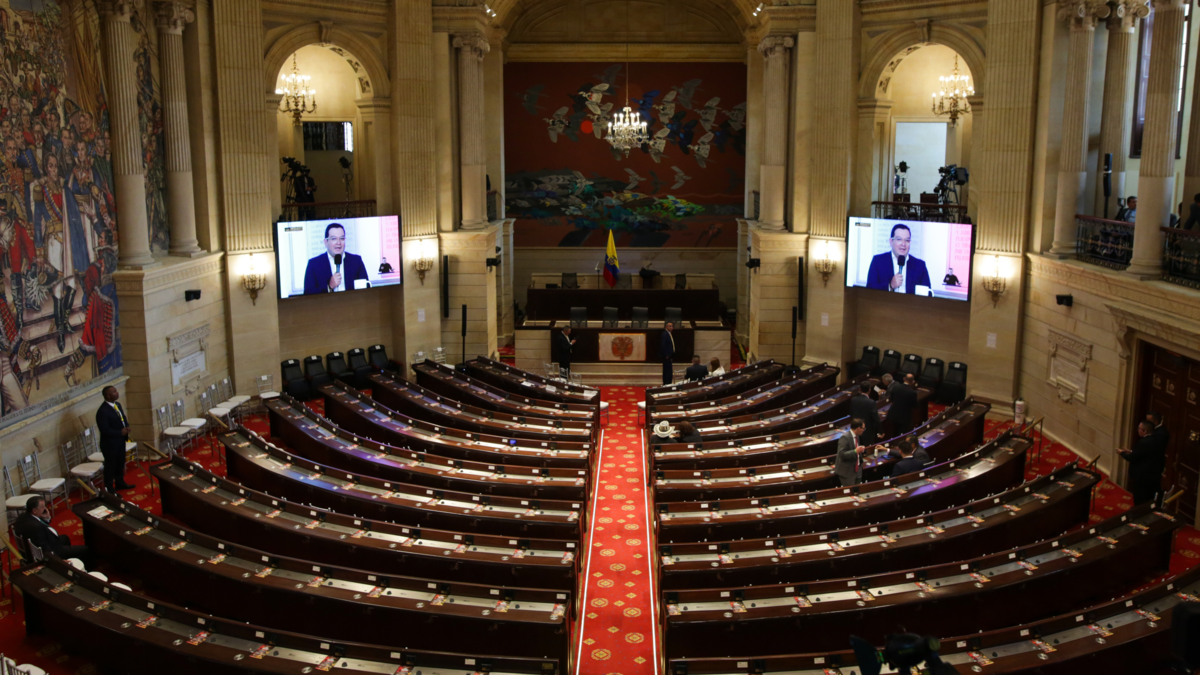
BOGOTÁ, Colombia – A new political chapter commenced this Monday, July 20, as the Colombian Congress was officially installed for the 2026-2030 legislative period. This inauguration signals the dawn of a new era in the nation’s political landscape, marked by an extraordinary 60 percent turnover in its membership – a level of renewal virtually unprecedented in recent history. The newly constituted legislative body is poised to become the crucible for the ambitious agenda of President-elect Abelardo De La Espriella, who is set to assume the highest office on August 7.
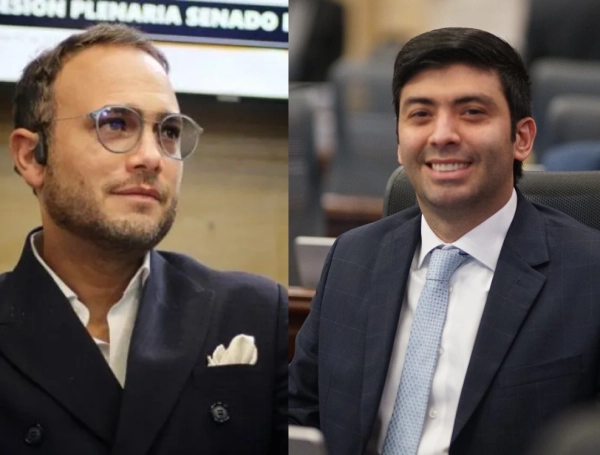
The initial hours of this new legislative term were immediately dominated by a significant power struggle for the presidency of the Senate, an early and critical test of the incoming government’s influence and coalition-building prowess. The President-elect’s preferred candidate, Senator Alfredo Deluque of the Partido de la U, appeared set to secure the coveted position, navigating a challenging political landscape despite vocal opposition from the Centro Democrático. This conservative party, while a key component of the officialist coalition, had staked its own claim to the Senate’s top post, highlighting the intricate and sometimes fractious nature of political alliances.
Deluque’s anticipated victory rests on a broad multi-party consensus, garnering support from a diverse array of political forces including the Liberal Party, Conservative Party, Partido de la U, Cambio Radical, Alianza Verde, and Salvación Nacional. This formidable bloc of votes, supplemented by backing from smaller factions, is expected to deliver the crucial 52 votes required to secure the presidency, even in a contested floor vote. The combined strength of the outgoing government’s Pacto Histórico (26 seats) and the dissenting Centro Democrático (17 seats) falls significantly short, underscoring the formidable majority assembled by the De La Espriella administration. However, the delicate balance of political commitments remains paramount, as legislative loyalties can sometimes prove fluid.
Meanwhile, the leadership of the House of Representatives appears to be a more straightforward affair. The dominant officialist majority has coalesced around Nicolás Barguil of the Conservative Party, whose path to the presidency of the lower chamber is widely considered to be clear and unopposed from within the governing coalition.
Chronology
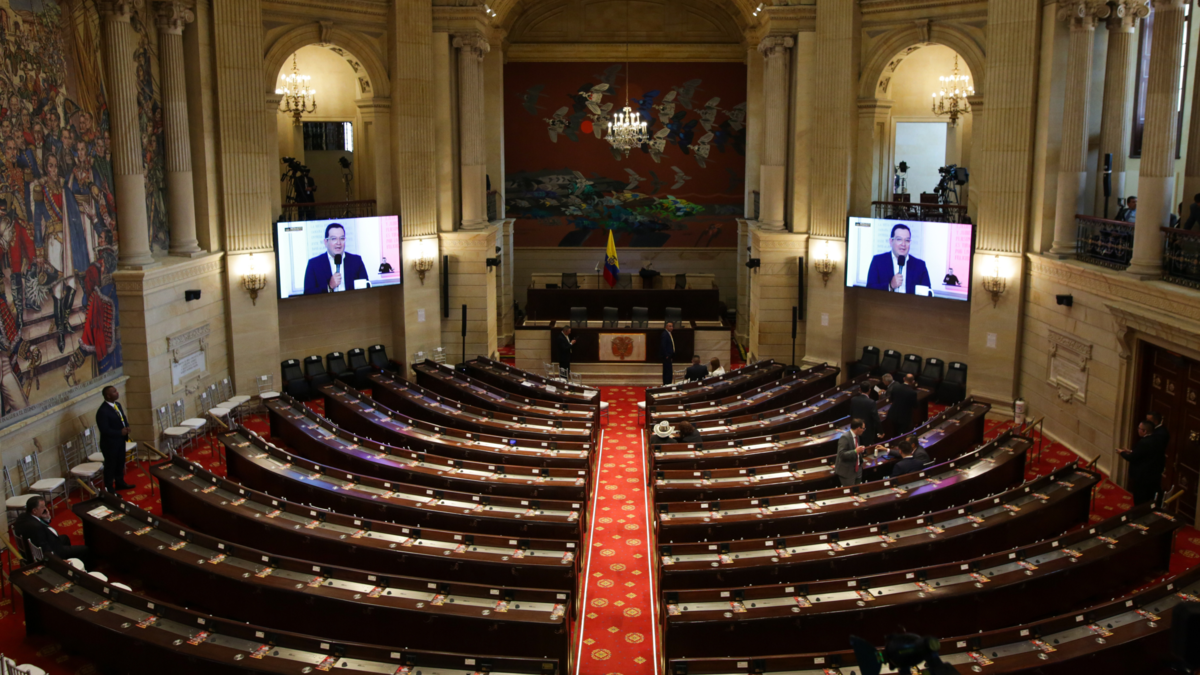
The morning of July 20th in Bogotá was abuzz with anticipation, as legislators, dignitaries, and media converged on the historic Capitolio Nacional. The air was thick with the promise of change and the undercurrents of political maneuvering. At precisely 3:00 PM, the full Congress was formally summoned, though, in a tradition characteristic of Colombian legislative proceedings, the official start was anticipated to be closer to 4:00 PM.

The day’s solemn proceedings began with the much-anticipated address by outgoing President Gustavo Petro. In what he had previously declared would be his final speech as head of state, President Petro delivered a comprehensive retrospective on his four years in office. His words, delivered from the ornate podium of the Congress, undoubtedly served as both a defense of his administration’s achievements and a critical assessment of the nation’s ongoing challenges, offering a historical punctuation mark to his tenure.
Following President Petro’s valedictory address, the floor was opened for the traditional speeches of reply. This segment was particularly poignant, as representatives of what was once the opposition—now poised to become the governing force under President-elect De La Espriella—took their turn to articulate their vision and respond to the outgoing administration’s reflections. This symbolic handover of political discourse set the stage for the formal legislative work.
Upon the conclusion of the joint session, the legislative body formally bifurcated. Senators proceeded to their dedicated chamber, while Representatives remained in the main hall, each preparing for the critical task of electing their respective directivas (steering committees). The immediate priority was the election of the presidencies of both the Senate and the House of Representatives. Beyond the top positions, legislators were also tasked with selecting their secretariats and administrative directors, crucial roles for the smooth functioning of each chamber.
The intricate process of forming the new legislative framework will continue beyond this inaugural day. Starting tomorrow, and potentially extending for up to two weeks, the various legislative commissions will begin the equally important task of electing their own leadership teams. These commissions are the engines of legislative work, where bills are debated, refined, and often shaped before reaching the plenary. Their composition and leadership will therefore be instrumental in determining the pace and direction of the new government’s agenda.
Supporting Data
The staggering 60 percent renewal rate within the Colombian Congress is not merely a statistic; it represents a profound shift in the country’s political landscape. This unprecedented influx of new faces can be attributed to a confluence of factors, including widespread public disillusionment with traditional politics, a desire for fresh leadership, and the emergence of new political movements or realignments that captured the public imagination during the recent electoral cycle. This high turnover brings both opportunity and challenge: the potential for new ideas and greater accountability, but also the risk of a learning curve for a large cohort of inexperienced legislators.
The battle for the Senate presidency serves as a prime example of the intricate coalition dynamics at play. Alfredo Deluque, the candidate backed by President-elect De La Espriella, hails from the Partido de la U, a center-right party known for its pragmatic approach and often aligning with government initiatives. His support base is a testament to the broad tent of the new governing coalition:
- Partido Liberal: A historic force, often centrist, providing crucial institutional weight.
- Partido Conservador: A traditional right-wing party, aligning ideologically with much of the new government’s platform. Nicolás Barguil, the presumptive House president, also comes from this party, solidifying its influence.
- Cambio Radical: A party known for its emphasis on security and economic liberalism, frequently part of governing coalitions.
- Alianza Verde: A centrist-to-left party focused on environmental and social issues. Its inclusion in the De La Espriella coalition signals a pragmatic alliance, potentially aimed at broadening the government’s appeal or securing crucial votes on specific issues.
- Salvación Nacional: A resurgent right-wing party, reflecting a broader conservative shift in the electorate.
This diverse assembly of parties, ranging from traditional powerhouses to newer, ideologically distinct groups, showcases the President-elect’s capacity for complex negotiation and coalition-building. The anticipated 52+ votes for Deluque represent a clear majority in the 108-member Senate, a critical benchmark for legislative stability. In contrast, the combined opposition of the Pacto Histórico (26 senators) and the Centro Democrático (17 senators) totals only 43, making any attempt to block the government’s chosen leadership largely symbolic, unless there are unexpected defections. The fact that the Centro Democrático, theoretically part of the government’s broader coalition, chose to field its own candidate, underscores internal tensions and a desire to assert its influence, potentially setting a precedent for future legislative battles. This unique scenario, where two senators from ostensibly allied parties vie for the Congress’s highest office, is indeed a rarity in recent Colombian political history, highlighting the high stakes and shifting allegiances.
On the economic front, the new administration inherits a challenging fiscal environment. The article explicitly mentions that the De La Espriella government is expected to receive an "unfunded budget" from the outgoing Petro administration. This term typically implies a significant gap between projected revenues and planned expenditures, potentially exacerbated by growing public debt, fluctuating commodity prices, or insufficient tax collection. Such a scenario would severely constrain the new government’s ability to implement its social and economic programs without significant adjustments. Historically, unfunded budgets necessitate difficult decisions, often leading to austerity measures, cuts to public spending, or, as anticipated by the De La Espriella team, a comprehensive tax reform designed to stabilize national finances and generate new revenue streams. The urgency of this fiscal challenge will likely make the proposed tax reform one of the very first and most contentious legislative battles for the new Congress.
Official Responses
President-elect Abelardo De La Espriella has, through his actions and statements, signaled a clear intention to establish a robust and cooperative relationship with the legislative branch from the outset. His active involvement in securing the presidencies of both chambers, particularly his strong backing for Alfredo Deluque in the Senate, demonstrates a strategic understanding of the importance of legislative alignment. De La Espriella’s team views these leadership elections not merely as procedural formalities but as foundational steps in building a stable governing majority capable of advancing his ambitious reform agenda. His emphasis on a broad coalition, even encompassing parties like Alianza Verde, suggests a pragmatic approach aimed at achieving consensus on key national issues.
The Centro Democrático, traditionally a staunch right-wing party and a significant force in Colombian politics, finds itself in a peculiar position. Despite being recognized as the largest party within the officialist coalition supporting De La Espriella, its aspiration for the Senate presidency was ultimately overshadowed by the President-elect’s preference for Deluque. This internal friction, while not threatening the overall coalition, reveals a tension between party ambition and coalition unity. Former President Álvaro Uribe Vélez, the undisputed leader of the Centro Democrático, attempted to bridge this gap with a public statement on Friday. He reiterated his party’s commitment to supporting the elected government’s agenda "in benefit of the Nation." This statement can be interpreted as a strategic move to temper any perception of disunity and to reaffirm the party’s loyalty to the broader conservative project, even after an early setback. However, the underlying question of how this early "battle" for Senate leadership will impact future legislative cooperation between the Centro Democrático and the rest of the coalition remains a significant point of speculation.

On the other side of the political spectrum, the Pacto Histórico, which formed the backbone of the outgoing President Petro’s government, now assumes the role of the primary opposition. Despite possessing the largest single bancada (bloc) in both the Senate and the House of Representatives, their numerical strength pales in comparison to the broad, multi-party coalition marshaled by President-elect De La Espriella. This shift in power dynamics will necessitate a significant strategic re-evaluation for the Pacto Histórico. Their initial response has been to prepare for a robust and principled opposition, focusing on holding the new government accountable and proposing alternative policy solutions. Interestingly, the article highlights a potential ironic reversal of tactics: during the previous administration, the Pacto Histórico frequently criticized the use of quorum-breaking strategies by the then-opposition. With the tables now turned, and facing a formidable government majority, it is entirely plausible that the Pacto Histórico might find itself resorting to similar parliamentary maneuvers to delay or obstruct legislation, underscoring the cyclical nature of legislative power struggles.
The other parties within the De La Espriella coalition – the Liberal Party, Conservative Party, Cambio Radical, Alianza Verde, and Salvación Nacional – have, by endorsing Deluque and Barguil, solidified their commitment to the new government. Their motivations are multifaceted, likely encompassing a desire for political influence, a share in legislative leadership roles, and the opportunity to advance their own policy priorities within the framework of the new administration. This broad consensus suggests that, at least in its initial phase, the De La Espriella government will enjoy a comfortable working majority, with an estimated 70+ votes in the Senate and over 100 in the House of Representatives. This numerical advantage is not only sufficient for passing legislation but also crucial for maintaining quorum, ensuring that legislative sessions can proceed without the disruptions that often plague fragmented congresses.
Implications
The installation of this new Congress and the swift consolidation of legislative leadership by President-elect De La Espriella’s coalition carry profound implications for Colombia’s immediate future and its long-term political trajectory.

Legislative Agenda: The new administration’s legislative agenda is poised to be both ambitious and challenging. At the forefront is an "eventual tax reform," a critical initiative driven by the dire state of national finances and the "unfunded budget" inherited from the previous administration. This reform is expected to be comprehensive, likely targeting various sectors, adjusting tax brackets, and potentially introducing new levies to stabilize the economy and fund the government’s priorities. The specifics of the reform – whether it will lean towards increasing corporate taxes, broadening the tax base for individuals, or re-evaluating exemptions – will be subject to intense debate and lobbying within the new Congress. Its passage will be a crucial test of the coalition’s unity and the government’s political capital.
Closely following the tax reform will be the presentation of the National Development Plan (PND). This foundational document outlines the government’s strategic vision and policy roadmap for the next four years across all sectors, from infrastructure and education to healthcare and security. The PND is not merely a wish list; it provides the legal and budgetary framework for public investment and policy implementation. Its approval, which typically involves extensive public hearings and legislative scrutiny, will reveal the De La Espriella administration’s core priorities and its approach to critical national challenges, including economic recovery, social equity, and rural development.
Presidential Inauguration and Symbolism: A highly symbolic move proposed by President-elect De La Espriella is to hold his inauguration outside of Bogotá, specifically in the country’s southwestern region. This unconventional choice carries multiple layers of meaning. Firstly, it sends a powerful message of decentralization, signaling a commitment to engage with and highlight regions often perceived as marginalized or overlooked by the central government. Secondly, it serves as a direct message to illegal armed groups operating in these areas, indicating a firm stance and a renewed focus on state presence and security in historically conflict-ridden territories. This move, if approved by Congress, could reframe the narrative of presidential power, moving it closer to the populace and the nation’s diverse geographies. However, it also presents logistical challenges and potential security concerns that will need to be meticulously addressed. The Congress’s decision on this proposal will be an early indicator of its willingness to support the President-elect’s vision and challenge established traditions.
Political Stability and Future Dynamics: The early "pulse" for the Senate presidency, while ultimately favoring the government’s candidate, highlights the inherent complexities and potential fragility of political coalitions. While the Centro Democrático ultimately pledged support, their initial challenge suggests that future legislative battles might not always be smooth. The ability of President De La Espriella to maintain the cohesion of his broad coalition – spanning diverse ideological elements like Alianza Verde and Salvación Nacional – will be critical for the long-term stability of his administration and the effective implementation of his agenda. Any cracks in this alliance could empower the opposition and complicate governance.

Future of Political Parties: This political realignment will undoubtedly reshape the future of several key parties. For the Centro Democrático, navigating its role as a powerful but not always dominant force within the government coalition will be a defining challenge. For the Pacto Histórico, adapting to its new role as a significant opposition force, potentially refining its strategies and building alliances with other dissenting voices, will be crucial for its political survival and relevance. Traditional parties like the Liberals and Conservatives, by aligning with De La Espriella, aim to reassert their influence and secure their place in the new political order.
Public Expectations: The new Congress, with its substantial renewal rate, carries the heavy burden of public expectations. Many Colombians are weary of political gridlock, corruption, and unfulfilled promises. The promise of "changing the relationship between the Executive and the Legislative," a pledge that went largely unfulfilled four years prior, resonates deeply. The initial weeks and months of this new legislative period will be closely scrutinized by a populace hoping for a more effective, accountable, and responsive government. The success or failure of the De La Espriella administration and its Congress in delivering on these expectations will largely determine the tenor of Colombian politics for the next four years.
As the gavel falls on the first session, marking the official start of a new legislative chapter, Colombia watches intently. The stage is set for a period of intense political activity, with significant reforms on the horizon and the delicate balance of power constantly being negotiated within the hallowed halls of the Capitolio Nacional.
MATEO GARCÍA
Subeditor of Politics