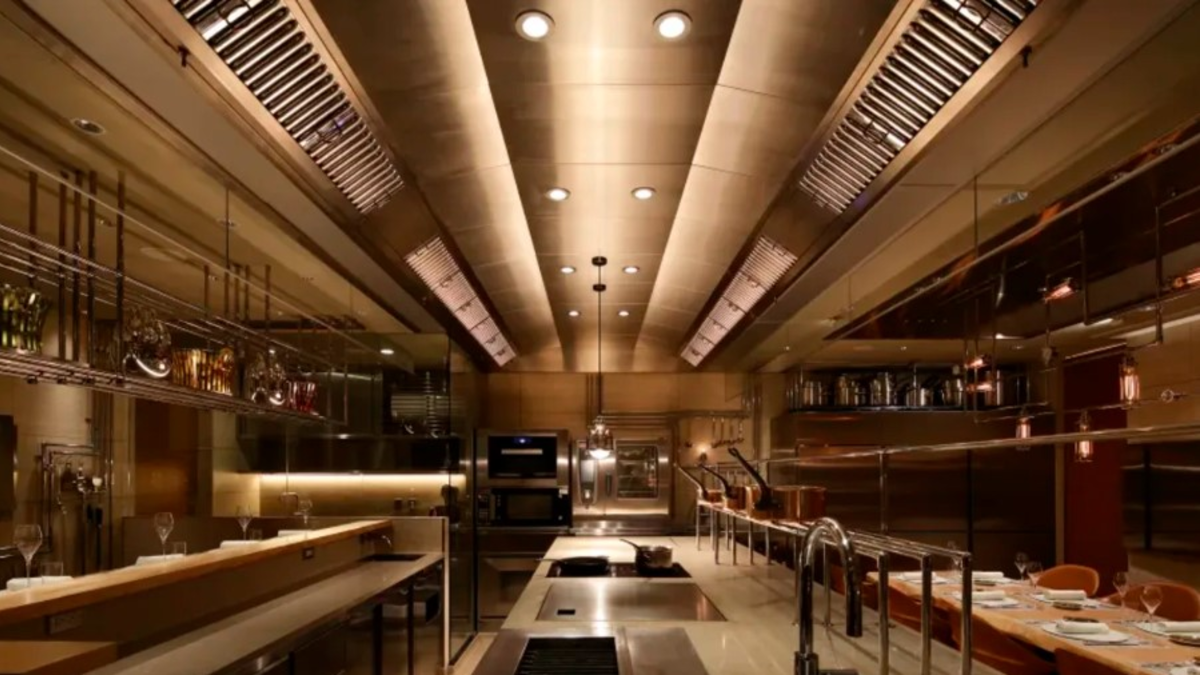
In the neon-drenched, hyper-competitive culinary landscape of Tokyo, where Michelin stars are often treated as the ultimate currency of success, there exists a clandestine establishment that operates entirely in the shadows. Its name is Sugalabo, and for the uninitiated, it is an impossible fortress. It is a restaurant that refuses to be found, refuses to be reviewed, and arguably, refuses to be known.
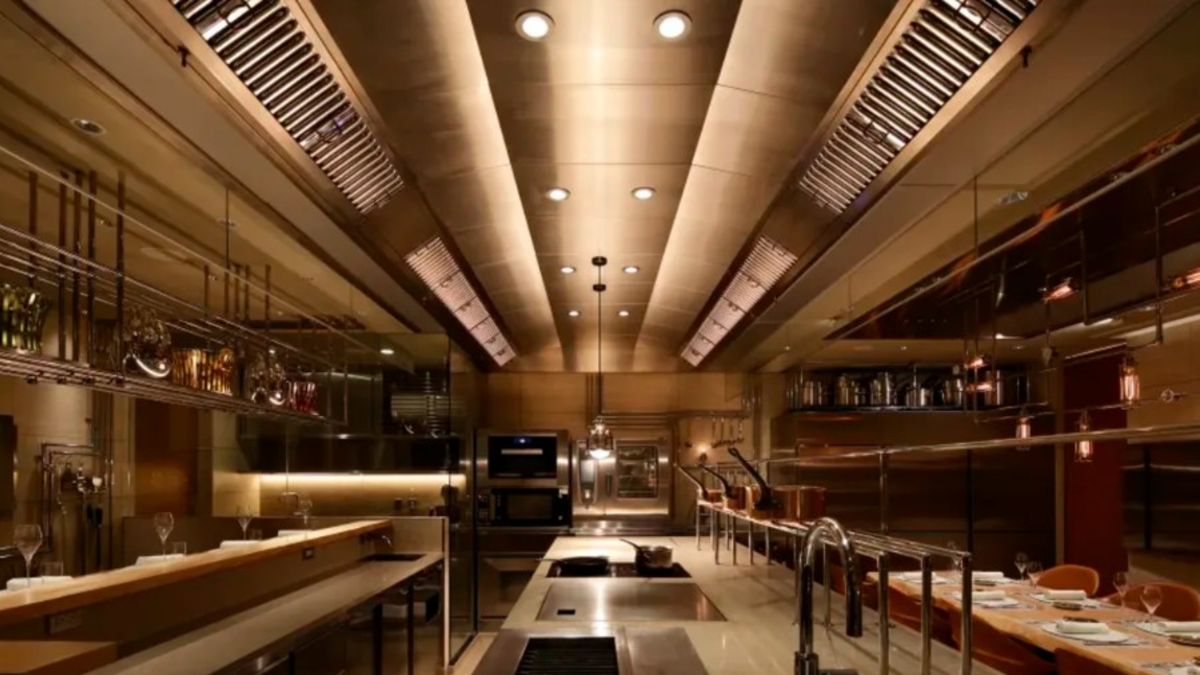
Under the guidance of chef-proprietor Yosuke Suga, this intimate 20-seat dining room has redefined the concept of exclusivity. Here, the traditional power dynamic between restaurant and patron is flipped: the restaurant does not court the customer; it vets them. In an era where digital reservation platforms and influencer marketing dominate the culinary world, Sugalabo stands as a stubborn, elegant anomaly.
The Philosophy of Exclusion: A Modern Interpretation of ‘Ichigensan Okotowari’
The operational ethos of Sugalabo is a refined, contemporary iteration of the ancient Japanese practice known as Ichigensan okotowari—literally, "no new customers without an introduction." This tradition, historically reserved for the most prestigious teahouses and private clubs of Kyoto, dictates that an establishment does not serve those who have not been vetted or introduced by an established, trusted patron.
At Sugalabo, this is not merely a gatekeeping tactic; it is, according to Chef Suga, a necessary condition for excellence. "We serve for the customers, but we do not prepare dishes for the critics," Suga famously remarked. This sentiment underscores a radical departure from the standard industry model, where a positive review from a major publication can guarantee a restaurant’s survival for a decade. For Suga, the validation of a guide is irrelevant—even obstructive—to the singular goal of creating a tailor-made experience for his guests.

The exclusivity is absolute. There is no website for reservations, no public calendar, and certainly no booking window on an app. Instead, there is only a private phone number, guarded by a small circle of regulars. Even if a loyal patron brings a guest, that guest gains no permanent access; they are a transient entity in the Sugalabo ecosystem, and their return is never guaranteed.
A Chronology of Culinary Defiance
To understand the trajectory of Sugalabo, one must look at the path of Yosuke Suga himself. Born into a lineage of restaurateurs, Suga’s culinary education was steeped in the rigid discipline of French haute cuisine. His grandfather operated a restaurant in Nagoya after a career as a head chef on passenger ships crossing the Pacific. His father continued this legacy, focusing on French techniques.

- The Formative Years: Suga moved to France to master the craft at its source. It was here that he crossed paths with the legendary Joël Robuchon, a man whose name is synonymous with the very Michelin-star culture that Suga would later renounce.
- The Awakening: Working behind the scenes in the high-pressure, star-chasing world of Michelin-rated kitchens, Suga experienced a profound disillusionment. He witnessed the toll that the pursuit of external validation took on the integrity of the kitchen and the comfort of the diner.
- 2015 – The Birth of Sugalabo: Upon his return to Japan, Suga decided to open his own space. He stripped away the traditional trappings of a "fine dining" establishment. He opted for a location that didn’t scream for attention, and a business model that prioritized sustainability—not just in terms of environment, but in terms of human connection.
- The Modern Era (2020-2025): Throughout the post-pandemic years, while many restaurants struggled with the volatile shifts in tourism and dining trends, Sugalabo’s model proved to be the most resilient. Because his base is composed of vetted, loyal regulars, the restaurant remained shielded from the economic turbulence that decimated the broader hospitality sector.
Supporting Data: The Architecture of the Experience
The logistical structure of Sugalabo is intentionally opaque, yet highly disciplined. The restaurant operates on a strictly "omakase" (chef’s choice) basis, allowing Suga total creative autonomy.
The Human Element
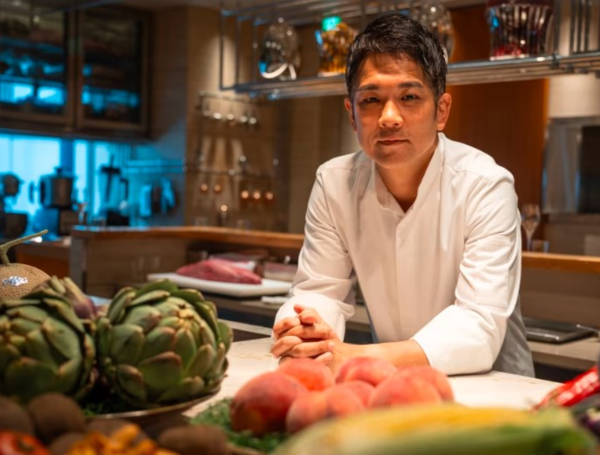
Suga argues that his vetting process is not about pretension, but about chemistry. He profiles his guests with the rigor of a diplomat. By understanding the backgrounds of his diners—whether they are doctors, lawyers, finance professionals, or journalists—Suga prepares the stage for the specific intellectual and sensory conversation he wishes to have with them. "If we allow completely random diners, we cannot meet the expectations of each person in the same way," he explains.
Supply Chain Integrity
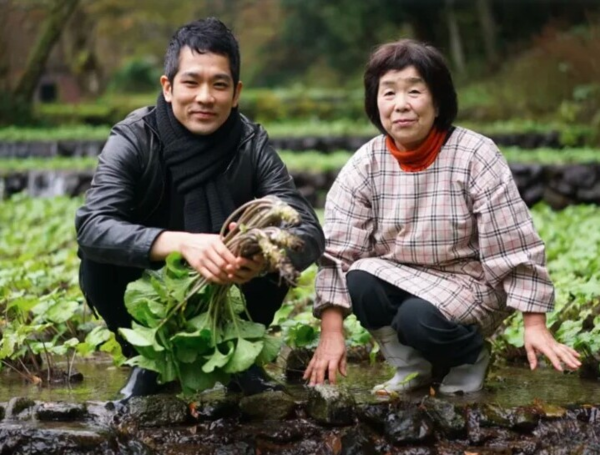
The kitchen is supported by a rigorous monthly cycle. The restaurant closes for three days every month, not for a vacation, but for research and development. Suga and his team travel across Japan to build personal relationships with farmers, fishermen, and artisans. This is not merely about sourcing the best ingredients; it is about accountability. "When the producers know who is going to use their product, they send us the best they have," Suga notes. This human connection is the bedrock of the Sugalabo menu.
Official Responses and The "Anti-Review" Stance
When pressed on his rejection of traditional culinary accolades, Suga remains steadfast. He views the act of being "judged" by a guide as an intrusion into a private space. For him, a meal is a conversation, and one does not invite a stranger to grade their conversation.

"I have seen much of what happens behind the scenes in Michelin," Suga states, referencing his time with Robuchon. "Because of that, for better or for worse, I slowly lost interest… I developed a strong desire not to be evaluated by others."
This rejection is not an act of arrogance, but an attempt to preserve the sanctity of the relationship between host and guest. By removing the pressure of external scrutiny, he creates an environment where the staff can focus entirely on the diner’s immediate, subjective experience. It is a return to the roots of hospitality, where the only metric of success is whether the guest leaves having felt understood and cared for.
Implications: Can the Model Scale?
The success of Sugalabo poses a fascinating question for the future of the luxury hospitality industry: Is the era of the "celebrity restaurant" coming to an end in favor of the "private sanctuary"?
The implications are two-fold:

- The Sustainability of Niche: By operating with such limited capacity (20 seats) and such restricted access, Sugalabo creates a business model that is immune to the "boom and bust" cycles of viral fame. It is a model built for longevity, not expansion.
- The Evolution of the Critic: If more high-end chefs follow Suga’s path, the role of the traditional food critic will become increasingly obsolete. In a world of private, invitation-only dining, the critic loses their power as a gatekeeper, effectively silencing their ability to shape public opinion.
However, it is unlikely that this model will be widely adopted. It requires a level of culinary confidence that only a few possess, and a financial buffer that most restaurateurs—who rely on high turnover and mass appeal—simply do not have.
Conclusion: The Quiet Revolution
Sugalabo is not just a place to eat; it is a profound statement on the nature of value. In a world where everything is indexed, reviewed, and made accessible to anyone with a smartphone, Yosuke Suga has created a space that remains resolutely off-limits.
By focusing on the "bidirectional relationship of trust" between the chef and the guest, Suga has tapped into something that feels almost archaic: the idea that the best things in life should not be available to the masses, but rather, earned through patience, connection, and a shared appreciation for the craft. As the culinary world continues to chase the next trend, the kitchen at Sugalabo will likely continue to simmer in its own quiet, exclusive perfection, undisturbed by the noise of the outside world.