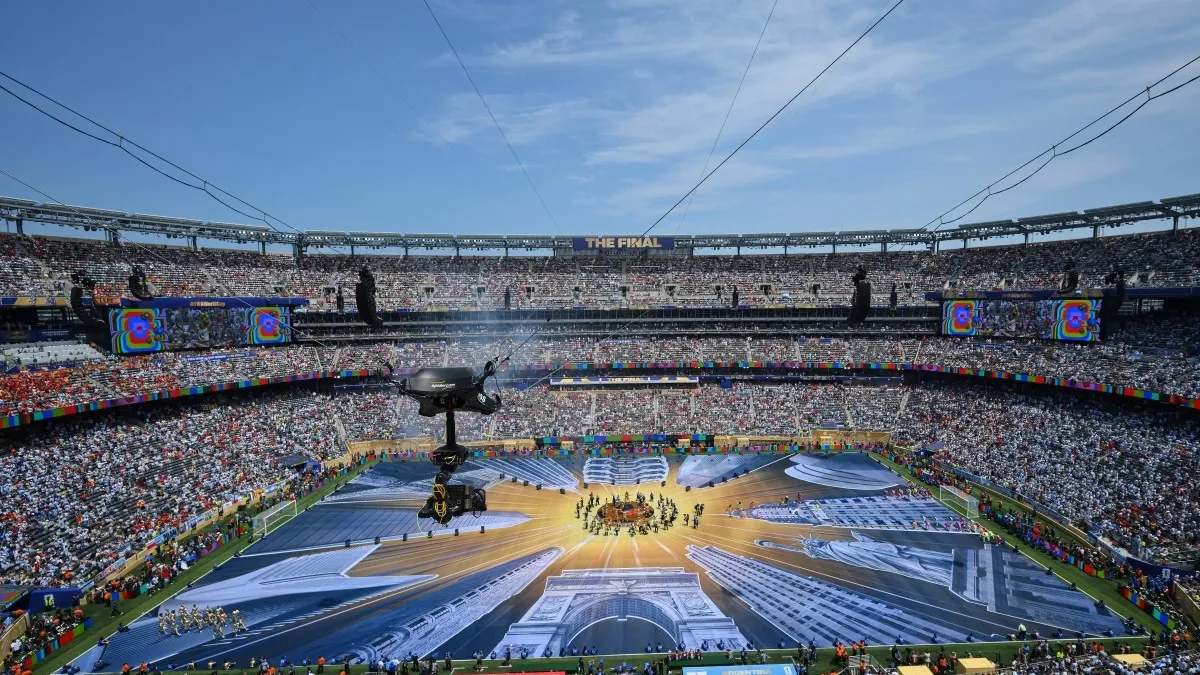
As the 2026 World Cup reaches its exhilarating climax, the global fervor has reached a fever pitch. With the final match looming just days away, thousands of fans are scrambling to secure last-minute flights, frantic hotel bookings, and elusive match tickets. However, in the high-stakes rush to reach the stadium, a critical oversight is occurring: the neglect of essential travel planning. While securing a seat in the stands is the primary objective, the logistical vulnerabilities created by impulsive, eleventh-hour travel plans are setting the stage for significant personal and financial distress.
The Mirage of Convenience: Why Last-Minute Planning Fails
For many, the dream of witnessing history on the pitch eclipses the reality of modern travel logistics. Hernán González, Country Manager of Assist Card Colombia, notes that when fans operate under a "final-countdown" mindset, their focus narrows exclusively to the "big three": airfare, entry tickets, and accommodation. This tunnel vision often results in the abandonment of foundational travel safety measures.
"The thrill of the event often obscures the necessary due diligence," González explains. "Travelers are focusing so intently on getting to the destination that they entirely overlook document verification, specific entry requirements for the host country, and, most crucially, the procurement of comprehensive travel assistance."

This oversight is particularly dangerous during the World Cup, a period characterized by unprecedented passenger volume. The strain on transportation infrastructure—from airports to local transit—is immense, significantly increasing the probability of itinerary shifts, missed connections, and baggage handling errors.
A Chronology of the Traveler’s Dilemma
To understand the scope of the issue, one must look at the timeline of a typical last-minute World Cup excursion:
- The Impulse Phase (T-minus 72 hours): The fan confirms a ticket. Adrenaline dictates the next steps. Flights are booked without checking visa stipulations or transit visa requirements for stopover countries.
- The Logistic Chaos (T-minus 48 hours): The traveler realizes the cost of last-minute accommodation near the venue is exorbitant, forcing them to book lodging in remote areas, increasing commute times and exposure to transit delays.
- The Transit Squeeze (T-minus 24 hours): Airports are at peak capacity. Security lines are longer than anticipated. With no contingency plan for flight delays, a two-hour connection becomes a structural failure in the travel itinerary.
- The Arrival and Impact (Match Day): The physical toll of the trip—dehydration, exposure to extreme temperatures, and intense physical exertion from walking—begins to manifest. Without a plan for health emergencies, a simple medical need turns into a financial crisis.
The Financial Realities of Healthcare in the United States
One of the most sobering aspects of traveling to the United States for the World Cup is the exorbitant cost of private healthcare. For international travelers who assume their home health insurance or government plans will cover them, the reality is often a harsh awakening.

In the U.S. medical system, a standard emergency room visit for something as routine as food poisoning, a minor injury, or respiratory distress due to climate changes can easily range between $500 and $1,000. These figures are merely the "entry fee." Should a traveler require hospitalization—perhaps due to a more serious infection, an accident in a crowded stadium, or a cardiac event brought on by the excitement and stress—the costs can skyrocket.
"We are talking about bills that can exceed $20,000 for a short-term hospital stay," warns González. "In this context, travel assistance is not a luxury or an optional ‘add-on.’ It is a fundamental financial shield. It transforms a potentially life-altering debt into a manageable, covered event, allowing the fan to focus on their recovery and their experience rather than their bank account."
Supporting Data: The Hidden Toll of Major Sporting Events
Beyond medical costs, the "hidden" stressors of major events like the World Cup are frequently underestimated. Analysts point to three major factors that compromise the health and safety of fans:

- The Physical Endurance Factor: The modern stadium experience involves far more walking than the average person does in their daily life. Between navigating massive public transport hubs, walking to and from stadiums, and standing in long security lines, fans often log 15,000 to 20,000 steps a day.
- The Environmental Variables: Fans traveling from different climates to the U.S. may struggle with extreme heat or humidity. The combination of standing in crowds and poor hydration leads to thousands of cases of heat exhaustion annually during peak summer events.
- The Infrastructure Strain: During the final week of a World Cup, airline reliability drops. A study of past major sporting events indicates that last-minute bookings have a 30% higher correlation with lost luggage and significant delays, as these travelers are often on "budget" itineraries with multiple connections and low-cost carriers that offer minimal passenger protection.
Navigating the "System": What to Do When Things Go Wrong
When an itinerary collapses, the average fan is often paralyzed by the complexity of airline policies. Professionals emphasize that the first step to recovery is documentation.
If a flight is delayed or luggage is lost, the traveler must immediately report the incident to the airline’s ground staff before exiting the terminal. "The error most people make is waiting until they reach their hotel to report a missing bag," says an industry expert. "You must obtain a Property Irregularity Report (PIR). Without this document, your ability to file a valid insurance claim or seek compensation later is severely compromised."
Furthermore, travelers are urged to adopt a "carry-on-only" mentality for essentials. Documents (passports, visas, health records), prescription medications, and emergency funds should never be placed in checked luggage. The loss of a passport during a major international event is not just an inconvenience—it is a legal emergency that can prevent a fan from returning home.

Expert Recommendations for the Final Stretch
For those who have already secured their path to the final or are still in the process of finalizing their travel, the advice from industry experts is clear: slow down to speed up.
1. Document Integrity
Before clicking "purchase" on that flight, perform a triple-check on your passport expiration dates. Many countries require at least six months of validity beyond your date of departure. Additionally, ensure you have the correct visa or ESTA (Electronic System for Travel Authorization) for the United States.
2. The "Buffer" Strategy
Avoid the tightest possible connections. While a 50-minute layover might look good on a price comparison site, it is a recipe for disaster during a high-traffic event. Opt for at least three hours between flights. This buffer allows for inevitable delays in deplaning, security checks, and terminal changes.

3. Comprehensive Coverage
A travel assistance plan should cover more than just hospitals. It should include coverage for trip cancellations, legal assistance, and, crucially, repatriation in the event of a severe health crisis.
4. Financial Contingency
Always travel with a dedicated emergency fund—separate from your spending money—that is accessible via credit card or digital wallet. Never rely on the expectation that you will be able to resolve a financial emergency by calling back home.
Implications: A Sustainable Way to Experience Sport
The World Cup is a celebration of human potential and global unity. However, the experience is inherently diminished when the joy of the game is replaced by the anxiety of a missing suitcase, a medical bill, or a cancelled flight.

As we look toward the conclusion of the 2026 tournament, the message to fans is one of empowerment through preparation. By shifting the focus from simply "being there" to "being prepared to be there," fans can ensure that their memories of the final are defined by the goals, the atmosphere, and the camaraderie of fellow supporters, rather than the stress of the journey.
In the end, the most successful fans are not necessarily those who spent the most money or arrived with the flashiest gear; they are the ones who planned for the unpredictable, securing the peace of mind necessary to truly appreciate the spectacle of the world’s biggest sporting event. As the final whistle approaches, let the lesson be clear: the best travel experience is one that is built on a foundation of foresight and protection.