
Introduction: A Return to Old Patterns
As the new administration takes the helm in Colombia, the political landscape is fraught with both anticipation and caution. Among the most significant and debated decisions made by the incoming government is the appointment of retired Major General Jorge Eduardo Mora López as Minister of Defense. While this move is viewed by many in the military reserve as a gesture of institutional solidarity, it has ignited a fierce debate among political analysts and civil society leaders. The central concern is not merely the person selected, but the potential precedent of reintegrating retired officers into active service and the symbolic act of returning the military uniform to the head of the defense portfolio. This editorial analysis explores the implications of this shift, questioning whether such moves threaten the meritocracy that has long protected Colombia from the cycles of military interference seen elsewhere in Latin America.
Main Facts: The Appointment of General Mora López
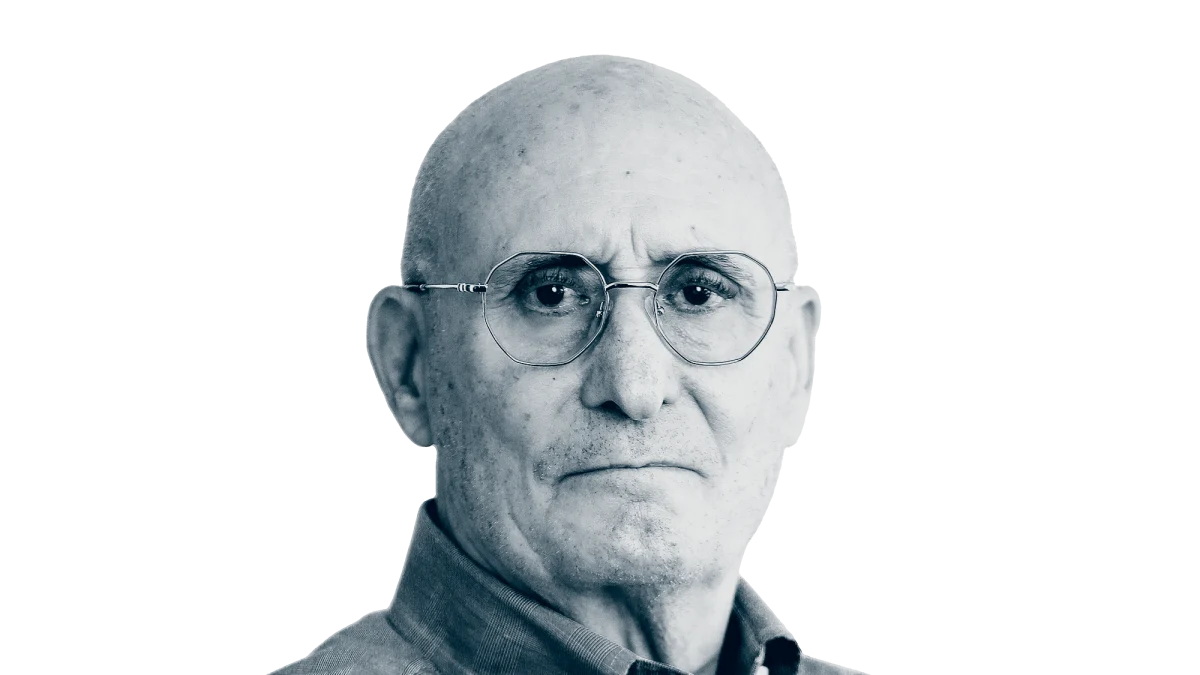
The appointment of Major General (Ret.) Jorge Eduardo Mora López has been confirmed, signaling a definitive change in direction from the previous administration. In the eyes of the government, this is a calculated effort to restore morale within the Armed Forces, which many argue was systematically eroded during the tenure of the previous administration.
The core of the controversy lies in the proposal—supported by certain circles within the military—to reintegrate General Mora López into active duty and allow him to wear his uniform while serving as a cabinet minister. This would be a significant departure from the established norm of having civilian leadership oversee the military sector, a standard that has evolved significantly over the last three decades to ensure democratic control of the armed forces.

Chronology: The Evolution of the Defense Portfolio
To understand the gravity of the current situation, one must look at the historical trajectory of the Ministry of Defense in Colombia.
The Era of Military Hegemony (Pre-1990s)
For much of the 20th century, the Ministry of Defense was predominantly led by high-ranking military officers. This arrangement was solidified during the Frente Nacional (National Front), an era of power-sharing between the Liberal and Conservative parties. To ensure neutrality and avoid political friction, the post of Defense Minister was often allocated to a military official, serving as a buffer to ensure that the security apparatus remained, at least theoretically, apolitical.
The Gaviria Watershed (1990s)
The paradigm shifted decisively under President César Gaviria. In his pursuit of modernizing the state and fostering a "revolcón" (a comprehensive shake-up of institutions), Gaviria appointed Rafael Pardo Rueda as the first civilian Minister of Defense. This was not a constitutional mandate, as some mistakenly believe, but rather a strategic decision to align the defense sector with the democratic spirit of the 1991 Constitution. It sent a powerful message: the military was an instrument of the state, not an independent political actor.

The Petro Administration and the Reversal
The administration of Gustavo Petro marked a return to the use of retired military figures, albeit under different pretenses. While the current government frames its decision as a restorative act of "solidarity" with the troops, critics argue it risks repeating the errors of the past, potentially politicizing the institution further and deepening the rift between the professional officer corps and the political establishment.
Supporting Data: Meritocracy vs. Populism
The integrity of Colombia’s Armed Forces has historically rested on the pillar of meritocracy. When an officer advances based on capability, experience, and commitment to the constitution, the institution remains stable.
However, data from recent years suggest a worrying trend. Under the previous administration, hundreds of seasoned officers were pushed into early retirement. Critics, including analysts like Maria Isabel Rueda, argue that these departures were not based on performance but on political expediency. The goal, it is suggested, was to prune the ranks of those who did not align with the ideological leanings of the government’s appointed leadership.

By favoring specific officers with populist measures—such as salary increases and promises of rapid promotion—the state risked undermining the very mechanisms of institutional stability. The challenge for the new administration is to rectify these injustices without falling into the trap of "counter-politicization." If the incoming government chooses to indiscriminately reinstate those who were removed by the previous administration, it would merely continue the cycle of politicizing the personnel structure, essentially replacing one partisan loyalist group with another.
Official Responses and Political Implications
The government argues that its actions are necessary to repair the morale of the rank-and-file. The military, having felt abandoned or unfairly criticized by the previous administration’s policies, views the appointment of a retired general as a symbol of restoration.
However, the opposition and independent analysts caution that a "military-run" defense ministry is a "poisoned chalice." The implications are three-fold:

1. The Erosion of the Political "Fuse"
One of the primary benefits of a civilian Minister of Defense is the "fuse" effect. In a healthy democracy, if a minister fails, they are subjected to political control in Congress. If the minister is a civilian, their political downfall does not necessarily damage the integrity of the military institution. Conversely, if a uniformed officer is the subject of a harsh congressional debate or a vote of no confidence, it inevitably drags the entire military hierarchy into the political arena. This is a dangerous threshold that could lead to the degradation of the institution’s public standing.
2. The Risk of Politicizing the Command
When a retired officer is brought back into active service to take a ministerial post, it blurs the lines between professional military service and partisan politics. The military’s primary duty is to protect the state, not to navigate the "ring" of political maneuvering. By placing a military figure in the center of legislative crossfire, the government risks forcing the armed forces to take sides in political disputes, a scenario that historically leads to institutional instability.
3. The Threat to Civil-Military Relations
The success of Colombian democracy has been its ability to keep the military subordinate to civilian power, preventing the kind of interventionism that has historically plagued other Latin American nations. Reintegrating retired officers into the cabinet signals a potential regression toward a model where the military is an active stakeholder in political decision-making, rather than the executor of the state’s security policy.

Conclusion: A Call for Caution
As the new government embarks on its mandate, it must distinguish between restoring morale and creating a partisan military elite. Restoring the prestige of the Armed Forces should be achieved through the strengthening of meritocratic processes, the protection of professional autonomy, and the provision of adequate logistics and financial support—not through symbolic gestures that risk the institution’s long-term health.
The decision to allow General Mora López to wear the uniform is, perhaps, the most symbolic and contentious aspect of the current situation. Experts advise that the best course of action is to keep the minister in civilian attire, reinforcing the principle that the Ministry of Defense is a political office, not a military command post.
The government has a responsibility to be the "adult in the room." While it is understandable that they wish to distance themselves from the previous administration’s policies, they must avoid the temptation to use the military as a tool for political retribution. If they succeed in strengthening the military without compromising its professional, apolitical nature, they will have done a great service to the nation. If they fail, they risk setting a precedent that could haunt Colombian democracy for years to come.

The military is not meant to be a political party, and the Ministry of Defense should remain the bridge between the democratic state and the armed institutions, not the place where the two become dangerously conflated. The country is watching, waiting to see if this administration will prioritize institutional integrity over the allure of a uniform.