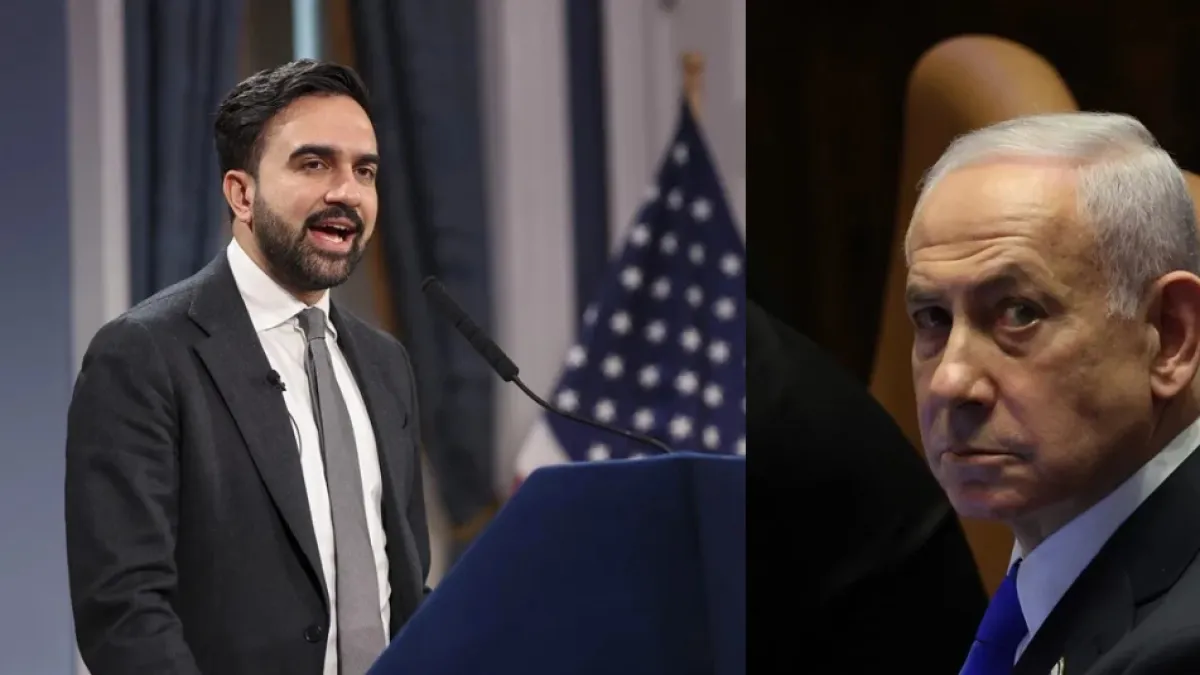
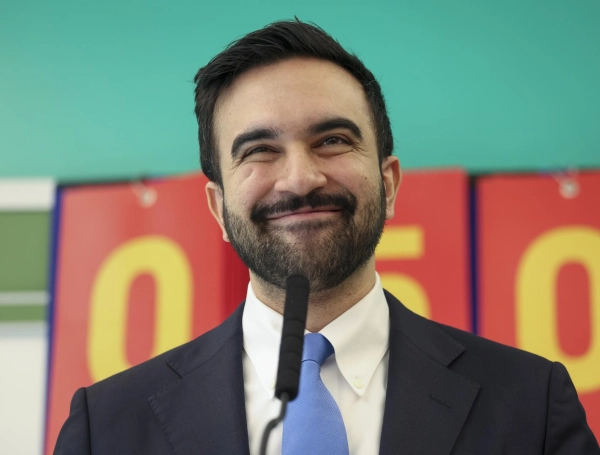
New York, NY – July 18, 2026 – In a move that could ignite an unprecedented diplomatic crisis, New York City Mayor Zohran Mamdani has confirmed that his administration is actively exploring the legal authority to order the arrest of Israeli Prime Minister Benjamin Netanyahu should he visit the city for the United Nations General Assembly (UNGA) in September. The announcement has sent shockwaves through international diplomatic circles and prompted swift condemnation from Israeli officials, underscoring the escalating tensions surrounding the Israeli-Palestinian conflict and its reverberations on the global stage.
Mayor Mamdani, in an interview with ‘The New York Times’, stated that his office is engaged in "active conversations" with the New York City Law Department to ascertain the precise scope of the city’s powers. The central question is whether local law enforcement – specifically the New York City Police Department (NYPD) – could legally detain a foreign head of government under the city’s jurisdiction, particularly given the complexities of international law, diplomatic immunity, and the sovereign nature of visiting dignitaries attending UN events.
A Controversial Stance: Mayor Mamdani’s Declaration
Mayor Mamdani’s declaration is not entirely new; he had previously signaled such an intention during his mayoral campaign last year, promising to instruct the NYPD to arrest Netanyahu if legal conditions permitted. His current reaffirmation, however, brings the issue to the forefront just weeks before the annual gathering of world leaders at the UNGA, a critical forum for international diplomacy traditionally hosted without such overt threats from local authorities.
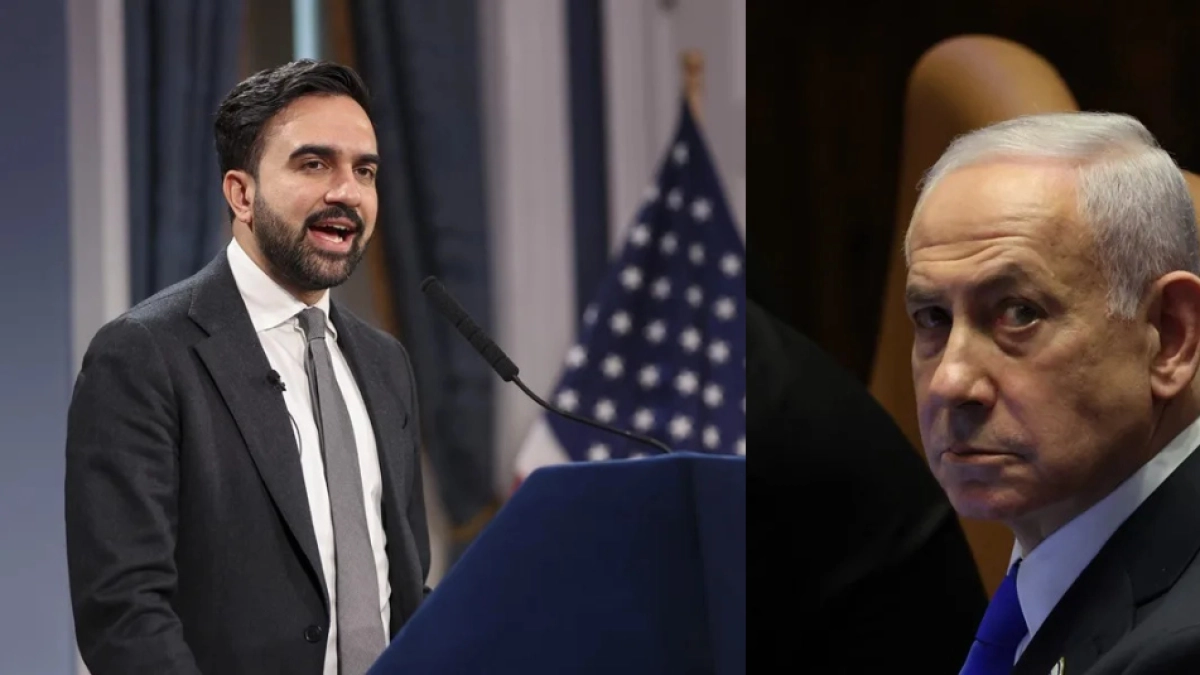
During his appearance on ‘The New York Times’ program ‘The Interview’, Mamdani explicitly stated his belief that "Prime Minister Netanyahu’s place is in The Hague," a direct reference to the international legal institutions located there. He further characterized Netanyahu as "a war criminal who has been accused by the International Criminal Court." This assertion points to the ongoing legal proceedings and investigations concerning alleged actions in the protracted Israeli-Palestinian conflict, which have seen various parties, including the ICC Prosecutor, seek arrest warrants against both Israeli and Hamas officials.
Mamdani elaborated that this perspective is shared by "numerous people" who attribute severe consequences to the Israeli Prime Minister’s actions in recent years. He emphasized, however, that any action taken by the city would strictly adhere to the existing legal framework and that he would not pursue measures outside the bounds of the law. This caveat highlights the significant legal hurdles that stand in the way of such an unprecedented local intervention in international diplomacy.
Legal Labyrinth: The Authority of a City to Arrest a Head of State
The prospect of a municipal government attempting to arrest a sitting head of state is fraught with immense legal and diplomatic complexities. International law, specifically the Vienna Convention on Diplomatic Relations (1961) and the Convention on Special Missions (1969), grants significant immunity to heads of state, government, and foreign ministers while they are on official visits. This immunity typically protects them from arrest, detention, and prosecution in the host state’s domestic courts.

While the United States is a signatory to these conventions, the application of such immunities can become intricate when allegations of international crimes are involved. However, the authority to waive or interpret such immunities generally rests with the federal government, specifically the State Department, not with local municipalities. A unilateral action by New York City would almost certainly be challenged by the U.S. federal government, which bears the primary responsibility for foreign relations and ensuring the safe conduct of international diplomacy on its soil.
The International Criminal Court (ICC), based in The Hague, does have the mandate to prosecute individuals for genocide, crimes against humanity, and war crimes. Its Prosecutor has indeed sought arrest warrants for high-ranking Israeli and Hamas officials in connection with the conflict. However, the U.S. is not a member state of the ICC, and while it has sometimes cooperated with the court, it has also expressed strong reservations about its jurisdiction over non-member states’ nationals, particularly those of close allies like Israel. Even if an ICC arrest warrant were issued, its enforcement in the U.S. would require federal cooperation, which is highly unlikely given established U.S. policy regarding its allies and the ICC.
The International Court of Justice (ICJ), also in The Hague, handles disputes between states and has been seized with a case brought by South Africa alleging genocide by Israel. While the ICJ can issue provisional measures and ultimately deliver judgments, it does not issue arrest warrants for individuals. Mayor Mamdani’s reference to Netanyahu belonging in "The Hague" likely encompasses both the ICC’s potential individual criminal accountability and the ICJ’s state-level legal scrutiny. Regardless, neither court’s proceedings grant direct enforcement power to a local U.S. city against a visiting head of state without federal mandate.

The legal review being undertaken by the New York City Law Department will undoubtedly grapple with these layers of international, federal, and local law. Experts anticipate that any legal opinion would likely conclude that New York City lacks the independent authority to execute such an arrest, as it would directly interfere with federal foreign policy prerogatives and violate principles of diplomatic immunity.
The Allegations Against Prime Minister Netanyahu
The accusations leveled against Prime Minister Netanyahu by Mayor Mamdani and others stem from a prolonged and intensified period of conflict in the Middle East. These allegations often relate to Israel’s military operations in Gaza and the West Bank, particularly concerning civilian casualties, the destruction of infrastructure, and the humanitarian crisis. Human rights organizations and international bodies have consistently raised concerns about potential violations of international humanitarian law.
In recent months, the Prosecutor of the International Criminal Court (ICC) has requested arrest warrants for Prime Minister Netanyahu and his Defense Minister, Yoav Gallant, alongside leaders of Hamas, for alleged war crimes and crimes against humanity. The ICC’s Pre-Trial Chamber is currently reviewing these applications. If approved, these warrants would legally oblige ICC member states to arrest the individuals if they travel to their territories. However, as noted, the United States is not an ICC member state, meaning it has no legal obligation to enforce such warrants.
The International Court of Justice (ICJ), following a case brought by South Africa, has also issued provisional measures against Israel, urging it to take all measures within its power to prevent acts of genocide in Gaza. While this is a state-to-state proceeding and does not involve individual criminal charges or arrest warrants, it adds to the international legal pressure on Israel and its leadership.
The cumulative effect of these international legal challenges forms the backdrop for Mayor Mamdani’s strong rhetoric and his exploration of local enforcement. For his supporters, these legal processes underscore the urgent need for accountability; for critics, they represent a politicization of international justice and a biased targeting of Israeli leadership.
Chronology of Escalating Tensions
The current controversy is the culmination of a series of events and long-standing tensions:
- October 7, 2023: Hamas-led attacks on Israel trigger a major escalation in the Israeli-Palestinian conflict, leading to a large-scale Israeli military response in Gaza.
- Late 2023 – Early 2024: Intense fighting in Gaza results in significant civilian casualties and a severe humanitarian crisis, drawing widespread international condemnation and calls for accountability.
- January 2024: South Africa files a case against Israel at the International Court of Justice (ICJ), alleging genocide in Gaza. The ICJ subsequently issues provisional measures.
- February 2024: During his mayoral campaign, Zohran Mamdani publicly states his intention to seek the arrest of Benjamin Netanyahu if elected and if legal avenues permit, should Netanyahu visit New York City. This promise resonates with a segment of the city’s diverse electorate.
- May 2024: The Prosecutor of the International Criminal Court (ICC) announces his application for arrest warrants against Prime Minister Benjamin Netanyahu and Defense Minister Yoav Gallant, as well as three Hamas leaders, on charges of war crimes and crimes against humanity.
- June 2026: Preparations for the September UN General Assembly begin, with discussions around security protocols for visiting heads of state, including Prime Minister Netanyahu.
- July 18, 2026: Mayor Zohran Mamdani confirms in an interview with ‘The New York Times’ that his administration is actively consulting with the City Law Department regarding the authority to arrest Prime Minister Netanyahu during his anticipated September visit. This announcement immediately draws international attention and official responses.
Supporting Data and Context
New York City, a global hub, is home to one of the largest and most diverse populations in the world, including significant Jewish and Arab-American communities. This demographic reality often translates into robust and sometimes polarized activism around the Israeli-Palestinian conflict. Pro-Palestinian and pro-Israel demonstrations are frequent occurrences, and local political discourse often reflects these deeply held sentiments. Mayor Mamdani, who has a history of advocating for Palestinian rights, likely understands that his stance resonates with a segment of his constituency.
The UN General Assembly, held annually at the United Nations Headquarters in Manhattan, is arguably the most significant diplomatic event globally. It brings together heads of state and government from nearly 200 nations, requiring immense logistical and security planning. The city, in cooperation with federal agencies like the State Department and the Secret Service, is responsible for ensuring the safety and unimpeded movement of these high-level dignitaries. A local attempt to arrest a visiting head of state would not only disrupt these arrangements but also fundamentally undermine the city’s role as a neutral host for international diplomacy.
The broader geopolitical backdrop includes continued instability in the Middle East, a deeply divided international community on the Israeli-Palestinian conflict, and the United States’ long-standing role as Israel’s principal ally. Any action by a U.S. city that targets an Israeli leader would inevitably be viewed through the lens of these complex relationships, potentially complicating U.S. foreign policy efforts in the region and beyond.
Official Responses
The announcement from Mayor Mamdani has elicited immediate and strong reactions from Israeli officials, highlighting the gravity with which such a threat is perceived.
Netanyahu’s Dismissal and Counter-Accusations
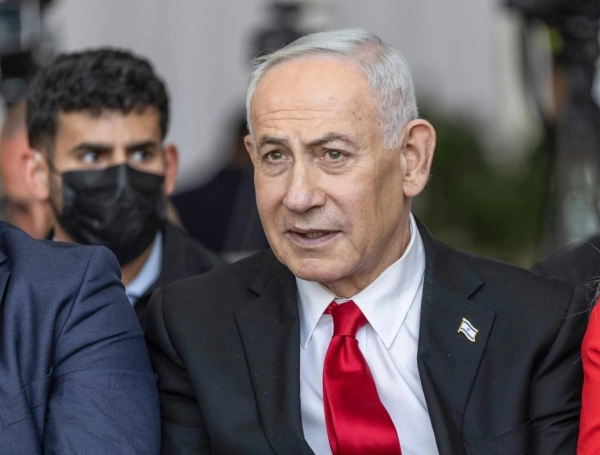
Prime Minister Benjamin Netanyahu, who is currently seeking re-election in Israel amidst domestic political challenges, swiftly responded to the mayor’s statements during a radio interview. Netanyahu reportedly dismissed the threat of arrest, stating it did not concern him. He went further to accuse Mayor Mamdani of "backing Hamas," a militant Palestinian group that controls part of the Gaza Strip and is designated as a terrorist organization by Israel and several Western nations, including the United States. This counter-accusation aims to delegitimize Mamdani’s stance by linking it to a group widely condemned for its actions. Netanyahu’s confident posture suggests that he views the mayor’s threat as either legally toothless or politically motivated, or both, and does not intend to alter his travel plans.
Israeli Diplomatic Reaction: Ambassador Danon’s Critique
Danny Danon, Israel’s Ambassador to the United Nations, also weighed in, criticizing Mayor Mamdani. Ambassador Danon accused the New York City mayor of not adequately addressing what he perceives as a rise in antisemitism within the city. This accusation attempts to reframe the issue, suggesting that Mamdani’s focus on Netanyahu is misplaced and perhaps indicative of broader anti-Israel sentiment.

Danon emphatically affirmed that "the Israeli Prime Minister, Netanyahu, will come to New York, will proudly address the United Nations General Assembly, and will stand before the world to expose the truth of Israel and its unwavering right to defend its citizens." This statement underscores Israel’s determination to maintain its diplomatic presence and assert its narrative on the international stage, regardless of local political challenges. It also signals Israel’s expectation that the U.S. federal government will ensure the Prime Minister’s safe and unimpeded visit.
Potential US Federal Government Stance
While the U.S. federal government has yet to issue an official statement on Mayor Mamdani’s specific threat, its position on the inviolability of heads of state and diplomatic immunity is well-established. The U.S. State Department is responsible for managing relations with foreign governments and ensuring the smooth functioning of international diplomacy. It is highly probable that any attempt by a local authority to arrest a visiting head of state would be met with swift and forceful intervention from the federal government.
Such an action would be seen as a grave breach of international protocol, an infringement on federal foreign policy powers, and a potential threat to the U.S.’s ability to host international gatherings. The State Department would likely reiterate the principles of diplomatic immunity and demand that New York City refrain from any action that could jeopardize the U.S.’s international obligations or its relationship with a key ally like Israel. The legal counsel provided to New York City by its Law Department would almost certainly highlight the overwhelming federal preemption in this area.

Implications and Future Outlook
The implications of Mayor Mamdani’s contemplation of arresting Prime Minister Netanyahu are far-reaching, extending across legal, diplomatic, and political landscapes.
Legal and Diplomatic Ramifications
Should New York City somehow attempt to execute an arrest, it would trigger an unprecedented constitutional crisis between a major U.S. city and the federal government. It would also lead to a severe diplomatic fallout, not just with Israel, but potentially with other nations concerned about the precedent it would set for the safety and immunity of their leaders on foreign soil. The U.S.’s reputation as a reliable host for international bodies and diplomatic events could be severely damaged. Such an action could lead to boycotts of UNGA meetings or other international gatherings in the U.S., diminishing America’s role in global diplomacy.
Political Fallout for Mayor Mamdani
For Mayor Mamdani, this move, while potentially popular with a segment of his base, carries significant political risks. He could face accusations of grandstanding, overstepping his authority, and jeopardizing the city’s relationship with federal authorities and the international community. His political capital could be severely tested, and he might face censure or strong opposition from within the city council and from other political figures.

Impact on US-Israel Relations
The U.S.-Israel relationship, already complex and subject to periodic strains, would undoubtedly be tested by such an incident. While the federal government would likely act to prevent any arrest, the mere attempt by a prominent U.S. city could be perceived as a hostile act by Israel and its supporters, potentially fueling anti-American sentiment in certain circles.
The Precedent for Local Jurisdictions
Perhaps most importantly, this situation raises fundamental questions about the limits of local authority in matters of international law and foreign policy. If a city could unilaterally act against a head of state based on its interpretation of international law, it would create a chaotic precedent, undermining the established framework of diplomatic relations and state sovereignty.
Uncertainty Ahead
As September approaches, the world will be watching closely to see how this extraordinary situation unfolds. The New York City Law Department’s findings will be crucial, but ultimately, the U.S. federal government’s authority in matters of foreign policy and diplomatic immunity is expected to prevail. What remains certain is that Mayor Mamdani’s announcement has cast a long shadow over the upcoming UN General Assembly, injecting a highly charged and potentially disruptive element into what is traditionally a forum for global cooperation. The incident underscores the deep divisions and passions ignited by the Israeli-Palestinian conflict, demonstrating its capacity to ripple through even the most unexpected corners of international politics.