In the complex ecosystem of horizontal property regimes—the legal framework governing apartment complexes and condominiums—the boundary between private property and common areas is a frequent source of friction. Recently, the prominent legal expert and external advisor, Nora Pabón Gómez, addressed a series of inquiries from readers regarding the maintenance, repair, and modification of windows, shedding light on the legal obligations that govern these structures under Colombian law (specifically Law 675 of 2001).
The core of the issue lies in the definition of a "facade." In residential architecture, the facade is not merely a design element; it is a fundamental component of the building’s common property. When individual owners attempt to alter the appearance of their windows—or when they demand that the building administration repair aging frames—the collision between individual autonomy and collective harmony becomes apparent.
Main Facts: The Intersection of Private Interest and Common Duty
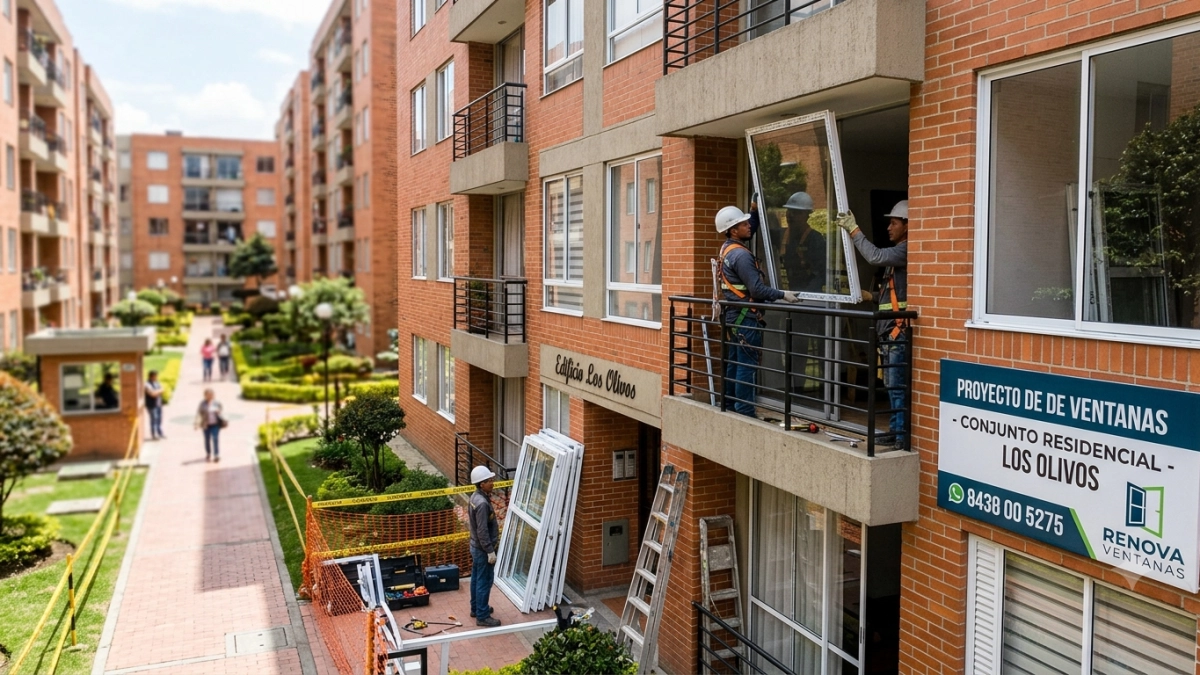
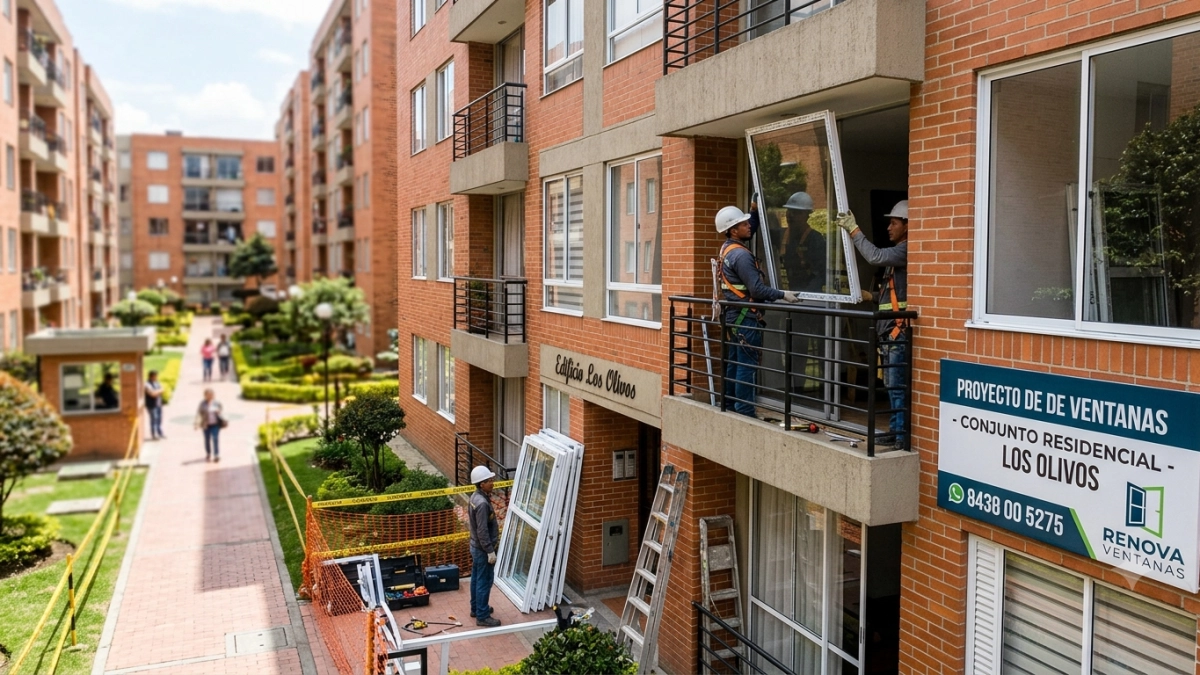
The primary inquiry brought before the expert concerns the financial and legal responsibility for the maintenance and repair of window frames, particularly those suffering from severe oxidation or deterioration due to the passage of time. A secondary, but equally contentious issue, involves the unauthorized modification of window glass by residents seeking added security, privacy, or soundproofing.
The legal consensus is firm: windows are hybrid elements. While the glass often serves the private unit, the frames that integrate into the building’s exterior are legally considered essential common property. Consequently, the administration of a horizontal property is generally responsible for the upkeep of these external elements to preserve the building’s structural integrity and aesthetic uniformity. Conversely, modifications to the glass—which often alter the building’s visual signature—fall under strict regulations that prioritize the collective interest over the individual’s aesthetic or functional preferences.

Chronology of the Conflict: From Installation to Litigation
The friction typically follows a predictable trajectory:
- The Initial Deterioration: Over several years, exposure to environmental factors such as high humidity, UV radiation, and atmospheric pollution causes the metallic frames of windows to oxidize. Residents begin to notice structural weakness or aesthetic decay.
- The Request for Maintenance: Owners approach the building administration, expecting the common fund to cover repairs, citing the facade’s status as a common good.
- The Counter-Action (Unauthorized Modification): Simultaneously, other residents, frustrated by noise or lack of security, unilaterally install darkened or reinforced glass without consulting the administration.
- The Conflict Erupts: The administration, prompted by other residents who complain about the loss of visual harmony, issues a demand for the removal of the non-compliant glass, leading to a high-cost conflict for the owner who invested in the upgrades.
- Legal Mediation: The conflict reaches the point where experts like Nora Pabón Gómez must intervene to interpret the scope of Law 675 of 2001 and the relevance of recent regulatory decrees.
Supporting Data and Legal Framework
The backbone of this discussion is Law 675 of 2001, which establishes the legal regime for horizontal property in Colombia. Under this law, the facade is defined as a common area. This designation is not arbitrary; it is rooted in the building’s original architectural plans, the area distribution tables, and the specific construction specifications registered at the time of the building’s creation.
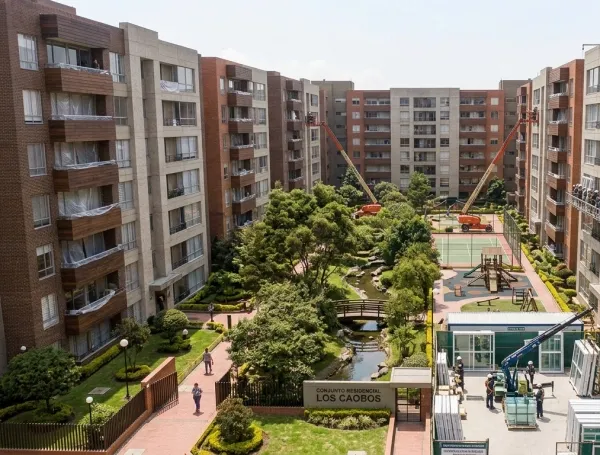
The Role of the Facade
Because the facade is a common good, it cannot be modified at the whim of an individual owner. Any change, no matter how minor it seems, potentially alters the building’s valuation and aesthetic harmony. When glass breaks, the replacement must, by necessity, mirror the original design to maintain the building’s exterior consistency.
Modern Technology vs. Architectural Uniformity
The legal expert acknowledges a modern dilemma: the market is currently flooded with high-performance glass solutions—sound-insulating, solar-protected, and security-rated options. However, the expert warns that:
- Prior Consultation is Mandatory: An owner should never invest in high-cost exterior modifications without explicit approval from the administration or the Board of Directors.
- Individual vs. Collective Costs: While the owner may be responsible for the cost of their specific upgrade, the decision to change the facade must be collective. Even if a majority of owners agree to a change, it must be implemented uniformly across the entire building to preserve its aesthetic value.
Official Responses and Regulatory Nuance
A critical component of this legal analysis is the interpretation of the National Code of Security and Citizen Coexistence, partially regulated by Decree 768 of 2025.
The "Urban Integrity" Argument
Article 2.2.8.18.12.1.3 of the relevant regulation clarifies that the installation of security films, soundproofing, or protective glass is not, in itself, a behavior that violates "urban integrity." However, the regulation contains a vital caveat: this does not override the specific bylaws of the horizontal property regime.

Even if the national law suggests that such modifications are not inherently harmful to the urban environment, they must still comply with the specific "rules of the game" established by the building’s own regulations. Therefore, an owner who installs darkened glass under the assumption that it is "legal" may still be in violation of the condominium’s internal bylaws, leading to potential fines or orders to restore the original appearance.
Implications for Property Owners and Administrations
The implications of this legal landscape are clear and require proactive management from both sides of the equation.

For the Administration:
- Proactive Maintenance: The administration must not wait for catastrophic failure of window frames. The budget for common area maintenance should explicitly include the periodic painting and treatment of window frames that are part of the facade.
- Unified Policy: If the building needs a window upgrade, the administration should propose a unified plan that maintains aesthetic uniformity, preventing the "patchwork" look that occurs when individual owners act independently.
For the Property Owner:
- Due Diligence: Before purchasing high-end glass for security or noise reduction, owners should present a formal request to the Board of Directors. They should inquire if there is a pending project for a global upgrade of the facade to avoid wasting money on custom installations that may be ordered for removal.
- Contractual Protection: If an owner has already invested in upgrades and is facing conflict, they should consult their purchase contracts. It may be possible to negotiate with the installer or vendor if the product was sold without a warning regarding the necessity of administrative approval.
Conclusion: Harmonizing Private Comfort with Collective Standards
The tension between individual convenience and the integrity of the collective facade is a hallmark of communal living. While the law allows for certain security-related improvements, it does so within the strict confines of the building’s regulatory documents.
Ultimately, the preservation of a building’s aesthetic and structural integrity is a responsibility shared by all. As Nora Pabón Gómez suggests, the path forward is one of transparency and communication. Owners who wish to improve their living conditions through external modifications must align their personal goals with the collective requirements of their property regime. Likewise, administrations must view the maintenance of facade elements—like window frames—as a critical duty, rather than a discretionary task, to prevent long-term degradation and preserve the asset value of the entire community.

By adhering to these principles, residents can ensure that their pursuit of a more comfortable home does not come at the expense of the harmony and legal standing of the building they call home.