Biddeford, Maine – Five days after Colombian national Joan Sebastián Durán Guerrero, 26, was fatally shot by an agent of U.S. Immigration and Customs Enforcement (ICE) in Biddeford, Maine, the incident remains shrouded in controversy and escalating demands for an independent investigation. While the U.S. government maintains that the agent acted in self-defense against a perceived threat from a vehicle, conflicting security footage, eyewitness accounts, and explosive journalistic revelations have cast serious doubt on the official narrative, intensifying calls for transparency and accountability from federal authorities.
Durán, who was traveling with his partner and three-year-old daughter, was caught in an immigration operation that ICE later confirmed was not targeting him. This critical detail, coupled with a series of alarming disclosures regarding the agent’s past and the circumstances of the shooting, has transformed a local tragedy into a national flashpoint concerning the use of force by federal immigration agents.
Main Facts: A Life Interrupted, A Narrative Contested
The death of Joan Sebastián Durán Guerrero on a Monday afternoon in Biddeford, Maine, has ignited a fierce debate over federal immigration enforcement tactics and accountability. Durán, a young Colombian man, lost his life after an encounter with ICE agents, despite not being the designated target of their operation. The official statement from the Department of Homeland Security (DHS), under which ICE operates, asserts that the agent fired his weapon in self-defense, claiming Durán’s vehicle attempted to flee and posed a risk to public safety.
However, this version of events has been severely undermined by a growing body of evidence. Security camera footage, though not capturing the exact moment of the shooting, depicts Durán’s vehicle moving slowly before being forcibly stopped by ICE vehicles. Crucially, an eyewitness has provided a starkly different account, and the ex-wife of the involved agent has come forward with a disturbing testimony that directly contradicts the self-defense claim, alleging her former husband asked her to lie to corroborate his story. Furthermore, investigative reporting has unearthed a deeply troubling history of mental health issues and domestic violence allegations against the agent, raising profound questions about ICE’s hiring and vetting processes.
The presence of Durán’s partner and young daughter in the vehicle at the time of the shooting adds a layer of profound tragedy to the incident, highlighting the collateral human cost of what appears to be a mismanaged and ultimately fatal operation. With national attention now fixed on Biddeford, the imperative for a thorough, impartial, and independent investigation has become undeniable, echoed by local officials and civil rights advocates alike.
A Tragic Encounter in Biddeford
The events unfolded rapidly on what should have been an ordinary day for Durán and his family. Their vehicle, as reported by authorities, became involved in an ICE operation originally aimed at locating another immigrant with a deportation order. ICE’s subsequent admission that Durán was not the intended target immediately placed the agency on the defensive, challenging the justification for the fatal intervention. The initial claim of an agent acting in self-defense against a vehicular threat, while standard in such incidents, quickly began to unravel as more information surfaced, painting a picture of a chaotic and potentially unwarranted escalation of force.

Chronology of Events and Discrepancies
The narrative surrounding Joan Sebastián Durán Guerrero’s death has evolved dramatically since the fatal shooting, moving from an official account of self-defense to a complex web of contradictory evidence and disturbing revelations.
The Fateful Monday: An Unintended Target
On the fateful Monday, Joan Sebastián Durán, accompanied by his partner and their three-year-old daughter, was driving in Biddeford, Maine. Their journey intersected with an ICE operation that, as later confirmed by the agency itself, was not focused on Durán. Instead, agents were reportedly attempting to locate another individual with an outstanding deportation order. The precise sequence of events leading up to the confrontation remains a key point of contention. What is clear is that Durán’s vehicle, for reasons still under intense scrutiny, became the focus of ICE agents, culminating in the discharge of a firearm.
ICE’s Initial Account: Self-Defense Claimed
Immediately following the incident, the Department of Homeland Security (DHS), the parent agency of ICE, issued a statement. This official communication asserted that ICE agents attempted to stop Durán’s vehicle, and the driver, in an alleged attempt to evade, "tried to flee." According to DHS, one of the officers then discharged his weapon, believing there was an imminent risk to public safety. This narrative positioned the agent’s actions as a justified response to a direct threat, a common defense in law enforcement-involved shootings. However, the lack of immediate corroborating evidence and the subsequent emergence of conflicting accounts quickly cast a shadow over this initial explanation.
Eyewitness and Video Evidence Emerge
The official narrative began to crack as early evidence from the scene came to light. Security camera footage, retrieved from nearby businesses, offered the first visual challenge to ICE’s claims. While the cameras did not capture the exact moment of the shooting, they showed Durán’s vehicle moving at a slow pace, far from the aggressive fleeing suggested by authorities, before being forcibly intercepted and rammed by ICE vehicles.
Cory Poulin, the proprietor of a pawn shop and laundromat situated at the intersection where Durán was killed, provided a critical eyewitness account to the Portland Press Herald. Poulin recounted seeing Durán’s car "circling the intersection" before a white Ford Explorer, identified as an ICE vehicle, "rammed the vehicle to stop its turn." His testimony further described agents pulling a person from the car and handcuffing them, with Poulin adding, "I think he was a corpse by then." This detail suggests that the shooting may have occurred prior to or during the ramming, not necessarily as a direct response to a moving vehicle posing an immediate threat to the agent. A significant detail that emerged was the absence of body cameras on the ICE agents involved, a policy gap that immediately hampered transparency and accountability, forcing investigators to rely heavily on potentially less conclusive third-party footage and witness testimony. Poulin confirmed that agents requested his store’s surveillance footage, acknowledging their own lack of recording equipment.
The Agent Identified: David Michael Brouillette
As public pressure mounted, the agent involved in the shooting was identified as David Michael Brouillette, a 37-year-old military veteran who had recently joined ICE. This identification was a crucial step towards understanding the individual actions taken that day, but it soon opened a Pandora’s Box of deeply concerning information.

Ex-Wife’s Explosive Testimony
The most damaging blow to the official narrative came from Ashley Brouillette, David Michael Brouillette’s ex-wife. She revealed that her former husband had called her shortly after the shooting, explicitly asking her to corroborate his story that Durán had attempted to run him over. Ashley Brouillette, however, refused, stating emphatically to the Portland Press Herald, "He was asking me to lie for him and protect his reputation. I told him I wasn’t going to lie for him." This direct accusation of an attempt to solicit false testimony from a close associate immediately undermined the credibility of the agent’s self-defense claim and raised serious ethical and legal questions about his conduct. Her refusal to comply suggested a profound belief that the agent’s account was untrue, lending significant weight to the growing skepticism surrounding the incident.
Unveiling a Troubled Past: Brouillette’s Mental Health and Conduct
The revelations regarding Agent Brouillette’s personal history further complicated the investigation and intensified public scrutiny. Ashley Brouillette also disclosed that during their marriage, she had previously alerted military superiors about her then-husband’s mental health struggles and reported instances of domestic violence. While these specific accusations had not been officially confirmed by authorities at the time of the article, they opened the door to deeper inquiries.
An exclusive investigation by the Associated Press (AP) subsequently went further, unearthing a deeply troubling pattern in Brouillette’s past. Reviewing court documents and conducting interviews with his family members, AP reported that Brouillette had been diagnosed with bipolar disorder and attention deficit hyperactivity disorder (ADHD) since childhood. His history included multiple psychiatric hospitalizations and several suicide attempts. Furthermore, he had accumulated a significant record of domestic violence complaints and had been subject to multiple restraining orders. These findings paint a picture of an individual with a documented history of severe mental health challenges and interpersonal aggression.

In response to these revelations, ICE defended its hiring process, asserting that the agent possessed the requisite training and experience. However, the AP’s investigation raised serious questions about the thoroughness and efficacy of ICE’s vetting procedures, particularly concerning an agent authorized to carry a firearm and use lethal force. The cumulative effect of these chronological disclosures – from the initial disputed official statement to eyewitness accounts, the ex-wife’s testimony, and the AP’s investigation into Brouillette’s past – has created an undeniable momentum for a truly independent and comprehensive inquiry into Joan Sebastián Durán Guerrero’s death.
Supporting Data and Context
The tragic death of Joan Sebastián Durán Guerrero is not an isolated incident but rather highlights systemic issues within U.S. immigration enforcement. The details emerging from Biddeford, Maine, resonate with broader concerns regarding accountability, transparency, and the use of force by federal agents.
The Legal Framework of ICE Operations and Use of Force
ICE agents operate under a complex legal framework that grants them significant authority, including the power to use lethal force when deemed necessary to protect themselves or others from imminent threat. However, the specific policies governing the use of force, while existing internally, are often not fully transparent to the public. Critics argue that these policies are too broad, lack sufficient independent oversight, and can lead to excessive force, particularly in situations involving individuals who are undocumented or perceived as non-compliant. The "defense of self or others" clause, often cited in these cases, becomes highly contentious when external evidence contradicts the agent’s perception of threat.
Lack of Body Cameras: A Critical Transparency Gap
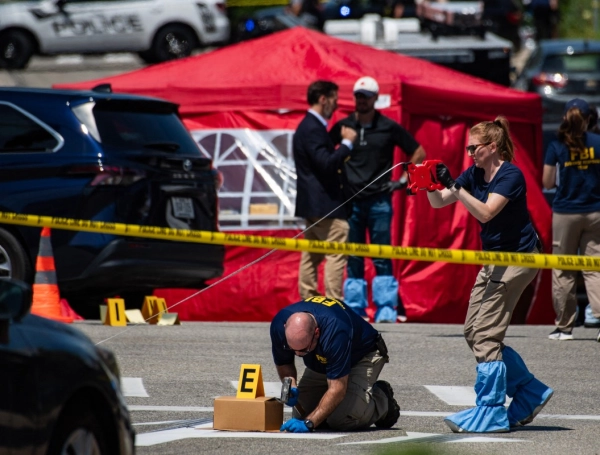
A critical piece of "missing data" in the Durán case is the absence of body cameras on the ICE agents involved. Unlike many local police departments that have adopted body-worn cameras to enhance accountability and provide objective evidence, federal agencies like ICE have been slower to implement such technologies. This policy vacuum creates significant challenges in reconstructing events accurately, as it relies heavily on agent testimony, which can be subjective, and on often-partial third-party surveillance footage. In Durán’s case, the lack of body camera footage directly contributed to the ambiguity surrounding the shooting, fueling public mistrust and making independent verification of claims exceedingly difficult. It reinforces the perception that federal agencies are less transparent than local law enforcement, especially in sensitive situations involving use of force.
The Burden of Proof and Independent Oversight
When an agency investigates its own personnel, questions of impartiality inevitably arise. The current investigation into Durán’s death involves the FBI, the Office of the Inspector General (OIG) of the Department of Homeland Security, and the Maine Attorney General’s Office. While these are federal and state entities, the OIG is an internal watchdog, and the FBI often works closely with other federal agencies. Advocates for Durán and critics of ICE argue that true justice requires an investigation free from any potential conflicts of interest, leading to the demand for a fully independent body, external to the federal government’s direct influence, to conduct the inquiry. The burden of proof to demonstrate the justification for lethal force, particularly when the victim was not the target and was accompanied by family, is immense and must withstand rigorous scrutiny.
Broader Pattern of ICE-Involved Deaths and Controversies
Durán’s death is tragically not an isolated incident. It occurs within a broader context of increasing scrutiny and public outcry over deaths in ICE custody and during ICE operations. The article specifically references the deaths of Renée Good and Alex Pretti in Minneapolis in January, and Lorenzo Salgado Araujo in Houston, Texas, just the week prior to Durán’s shooting. In each of these cases, the official accounts provided by authorities have reportedly diverged significantly from eyewitness testimonies, leading to widespread protests and accusations of excessive force and a lack of accountability. This pattern suggests a systemic issue, where the use of force by ICE agents, particularly in non-custodial or non-targeted situations, is increasingly under question. The rising number of such incidents under various administrations fuels arguments that current policies and oversight mechanisms are insufficient to prevent unwarranted fatalities and ensure justice for victims and their families. This broader trend underscores the urgency and significance of a comprehensive and unbiased investigation into Durán’s death, as it could have implications for how ICE operates nationwide.

Official Responses and Calls for Accountability
The aftermath of Joan Sebastián Durán Guerrero’s death has seen a predictable, yet deeply scrutinized, set of official responses from federal agencies, juxtaposed against increasingly fervent demands for accountability from local government and advocacy groups.
DHS and ICE’s Stance: Defending Protocol
From the outset, the Department of Homeland Security (DHS) and its component agency, ICE, have maintained a consistent defense of their agent’s actions and their operational protocols. Their initial statements emphasized the agent’s claim of self-defense against a perceived threat from Durán’s vehicle. This official stance has been reiterated even in the face of contradictory eyewitness accounts, security camera footage, and the ex-wife’s allegations. Regarding the revelations about Agent David Michael Brouillette’s troubled past, ICE released statements defending its hiring process, asserting that all agents meet the necessary training and experience requirements. They effectively conveyed that, from their perspective, the agent was qualified, and his actions were within the bounds of established use-of-force policies. This firm defense, however, has done little to assuage public concern, instead fueling accusations of an agency prioritizing self-preservation over transparency and justice.
Local Government’s Demand: Mayor LaFontaine’s Call for Independence
In a significant move, the mayor of Biddeford, Liam LaFontaine, publicly called for an "exhaustive and independent investigation" into Durán Guerrero’s case. This statement from a local official whose community is directly impacted by the incident carries considerable weight. It signals a lack of full confidence in the ongoing federal inquiries and reflects the community’s desire for a truly impartial review process. A call for an "independent" investigation implicitly questions the ability of federal agencies to objectively investigate their own, highlighting the perceived need for external oversight to ensure credibility and trust in the outcome. Mayor LaFontaine’s stance underscores the tension between federal authority and local governance when a federal operation results in a civilian fatality within a municipality.
Federal Agencies Involved: A Web of Inquiry
Currently, the investigation into Durán’s death is being handled by a multi-agency task force, including the FBI, the Office of the Inspector General (OIG) of the Department of Homeland Security, and the Maine Attorney General’s Office.
- The FBI typically investigates federal civil rights violations and other federal crimes, indicating that potential criminal aspects of the shooting are being examined.
- The DHS OIG is responsible for independent oversight of DHS programs and operations, including ICE. Its role is to detect and prevent waste, abuse, mismanagement, and misconduct within the department. While designed to be independent, it is still an internal federal body, which can lead to skepticism from the public and advocacy groups regarding its ultimate impartiality, especially when investigating a high-profile use-of-force incident involving one of its own.
- The Maine Attorney General’s Office would typically investigate officer-involved shootings within its state. Their involvement ensures a state-level legal perspective, but the primary jurisdiction for federal agents often remains with federal authorities.
While the involvement of these agencies suggests a comprehensive federal inquiry, critics argue that the inherent nature of such investigations – primarily conducted by federal bodies into a federal agency – can limit their perceived independence. This structural dynamic is precisely what fuels the calls for an external independent investigation, one that is not directly tied to the agencies involved or their governmental oversight mechanisms. Proponents of such an independent probe believe it is the only way to ensure an unbiased assessment of the facts, particularly given the conflicting narratives and the disturbing revelations about the agent’s past.
Advocacy Groups and Public Outcry: "Justice for Lorenzo and Joan"
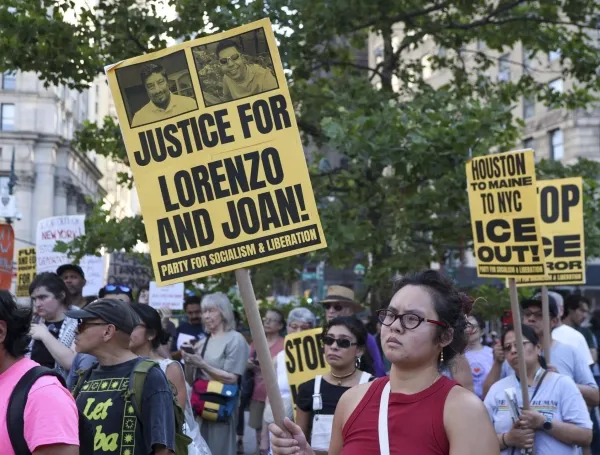
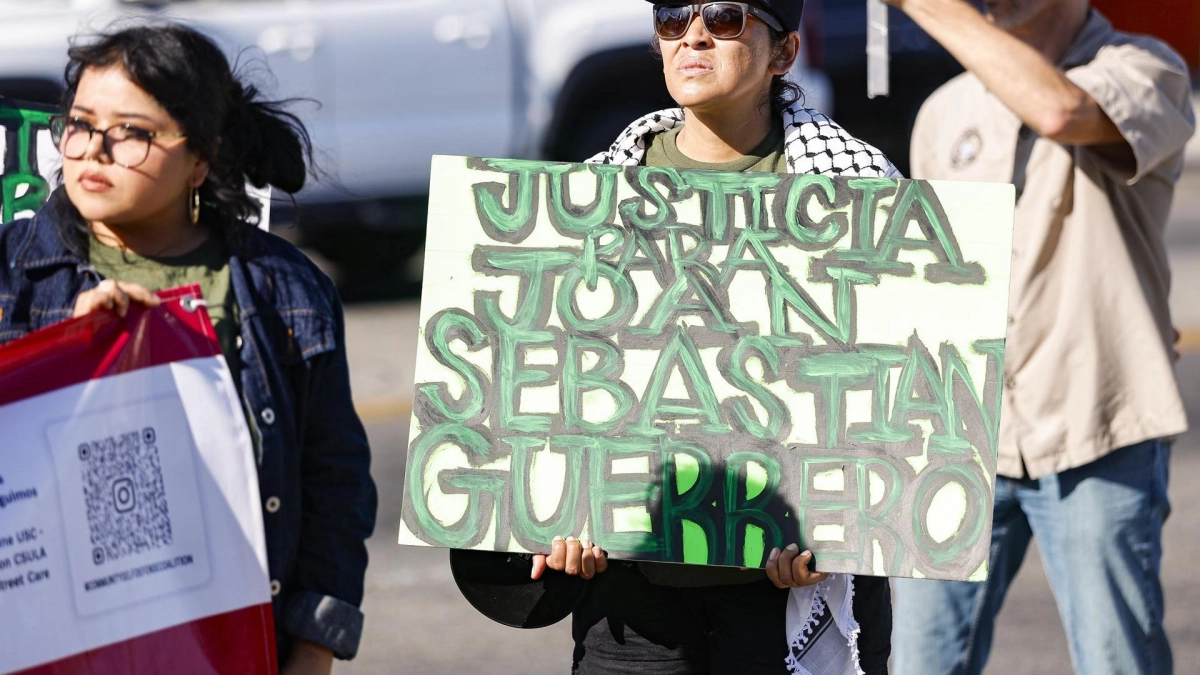
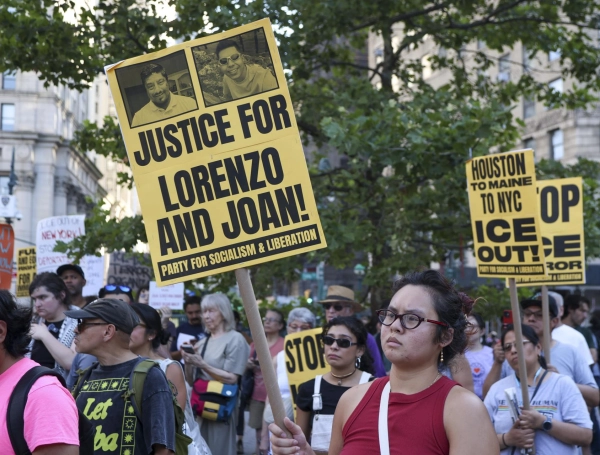
The response from civil rights organizations, immigration advocates, and the public has been swift and vocal. Protests have erupted in Maine, Los Angeles, and New York, drawing parallels between Durán’s death and other recent fatalities involving ICE and federal agents. Banners and chants demanding "Justice for Lorenzo and Joan" reflect a unified outcry against what is perceived as a pattern of excessive force and a lack of accountability within federal immigration enforcement. These protests highlight deep-seated frustrations with current immigration policies and the operational tactics employed by ICE, calling for fundamental reforms. The public’s sustained engagement underscores the widespread belief that without significant external pressure, the full truth may not emerge, and systemic issues may remain unaddressed.

Implications and Future Outlook
The death of Joan Sebastián Durán Guerrero and the ensuing controversy carry profound implications, not only for the immediate individuals involved but also for the broader landscape of immigration policy, law enforcement accountability, and public trust in federal agencies.
Impact on Immigration Policy and Enforcement
Durán’s case is poised to become a significant touchstone in the ongoing national debate surrounding immigration enforcement. The fact that he was not the intended target of the ICE operation, combined with the presence of his family and the allegations of agent misconduct, intensifies criticism of current "catch and deport" policies. Advocates will leverage this tragedy to push for reforms that prioritize community safety and human rights over aggressive enforcement tactics, particularly those that result in fatal outcomes for non-targets. This incident could lead to renewed calls for stricter guidelines on when and how ICE agents can engage with individuals, especially those not subject to warrants, and a re-evaluation of the agency’s operational scope. It may also reignite discussions about "sanctuary" policies at local levels, as communities seek ways to limit federal immigration enforcement within their jurisdictions.
Erosion of Public Trust
The conflicting narratives, the lack of body camera footage, the ex-wife’s testimony, and the revelations about the agent’s past have collectively dealt a severe blow to public trust in ICE and, by extension, other federal law enforcement agencies. When official accounts are widely perceived as unreliable or incomplete, and when internal investigations are questioned for their impartiality, public confidence erodes. This erosion of trust can have far-reaching consequences, making it more challenging for law enforcement to gain cooperation from communities, particularly immigrant communities, and fostering a sense of fear and alienation. For an agency whose mission is partly to maintain order and enforce laws, a lack of public trust can severely hamper its effectiveness and legitimacy.

The Need for Reform: Transparency and Oversight
The Durán case spotlights several critical areas ripe for reform.
- Mandatory Body Cameras: The absence of body camera footage has been a major impediment to clarity in this investigation. Implementing mandatory body cameras for all ICE agents, with clear policies for their use and public access to footage, would significantly enhance transparency and accountability.
- Enhanced Mental Health Screenings and Ongoing Support: The revelations about Agent Brouillette’s history of mental health issues and alleged domestic violence raise serious questions about ICE’s screening processes for agents entrusted with lethal force. Reforms could include more rigorous psychological evaluations during recruitment and regular, mandatory mental health assessments and support throughout an agent’s career.
- Independent Oversight Mechanisms: The demand for an independent investigation underscores the need for external oversight of federal law enforcement. This could involve creating new, truly independent civilian review boards with investigative powers or strengthening existing mechanisms to ensure impartiality and public confidence in their findings.
- Clearer Use-of-Force Policies: A review and potential tightening of use-of-force policies, with a particular focus on scenarios involving non-targets and vehicular interventions, could prevent future tragedies. This would involve a re-emphasis on de-escalation tactics and a higher threshold for the deployment of lethal force.
The Family’s Quest for Justice
For Joan Sebastián Durán Guerrero’s family, the path ahead is likely to be long and arduous. Beyond grieving their profound loss, they face the daunting challenge of navigating a complex legal and political landscape to seek justice. Their quest will involve not only understanding the full truth of what happened but also potentially pursuing civil remedies and advocating for systemic changes to prevent similar tragedies. Their voices, amplified by advocacy groups, will be crucial in keeping the pressure on authorities to deliver a just and transparent resolution. The question of how to repatriate Durán’s remains and support his partner and young daughter will also weigh heavily, adding to the humanitarian dimension of this case.
The Political Dimension
This incident will undoubtedly have political ramifications. It provides ammunition for politicians and activists who advocate for immigration reform, tighter controls on federal agencies, or even the abolition of ICE. Conversely, it will challenge those who defend current enforcement practices to justify the actions taken and demonstrate accountability. The case could influence legislative debates, agency funding, and even public opinion in upcoming elections, particularly in states with significant immigrant populations or strong sentiments regarding law enforcement oversight. The tragic death of Joan Sebastián Durán Guerrero in Biddeford, Maine, thus transcends a mere incident; it becomes a powerful symbol in the ongoing struggle for justice, transparency, and humane immigration policies in the United States.