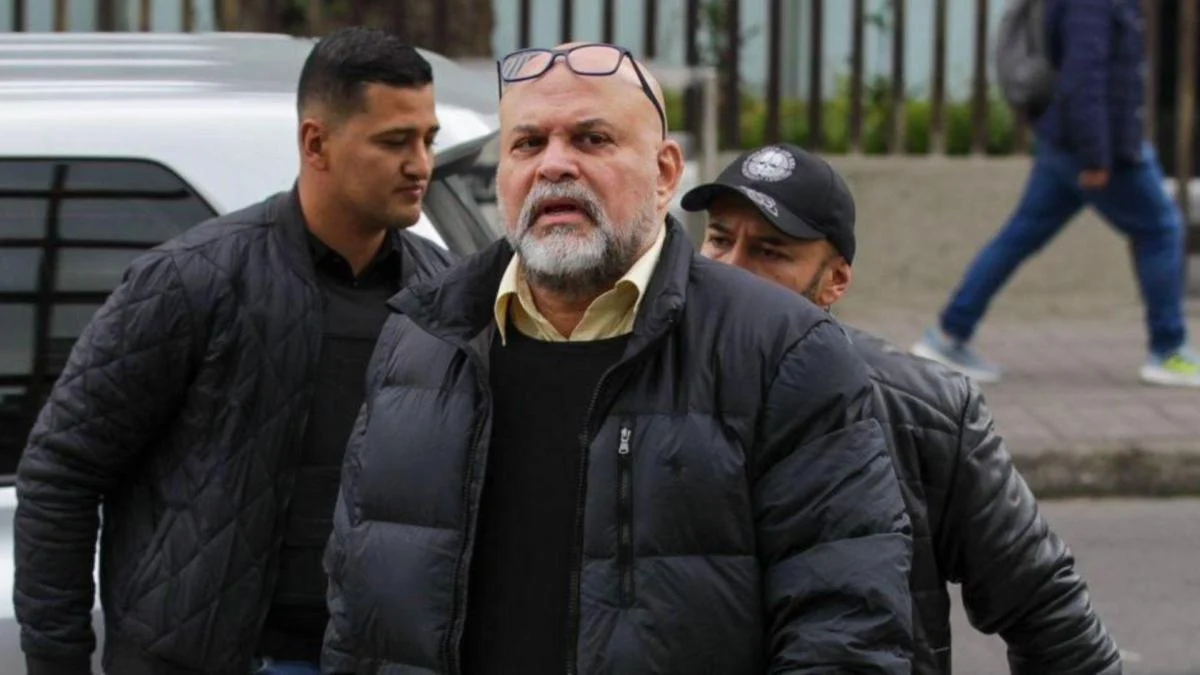
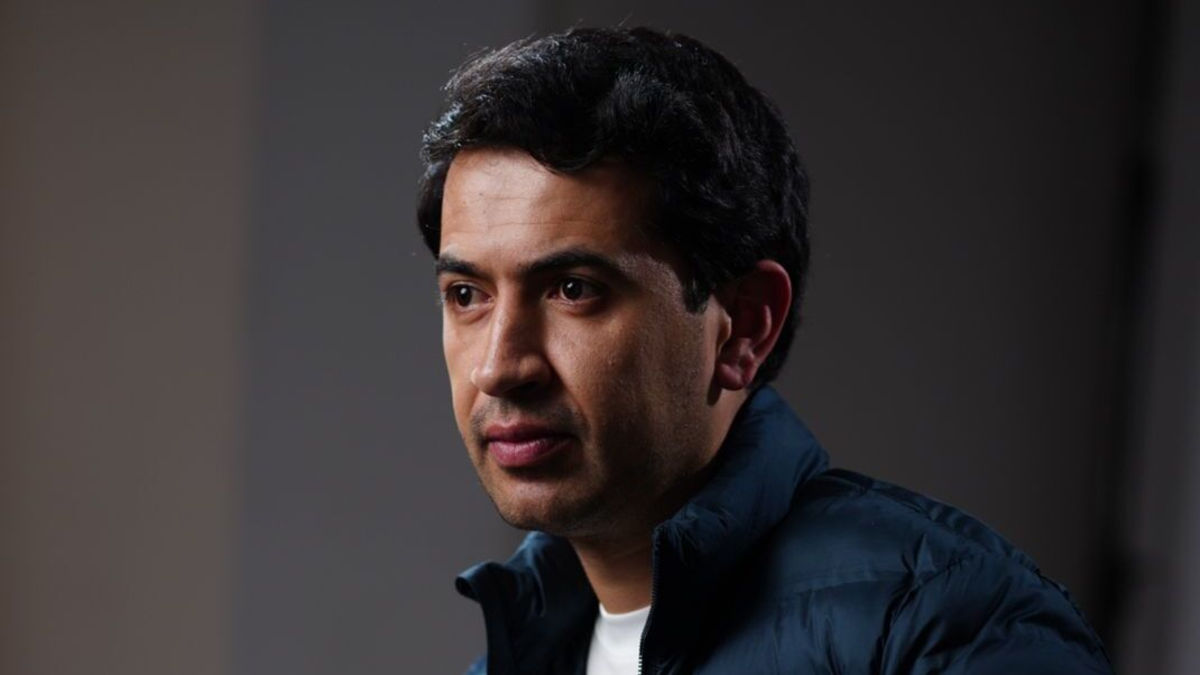
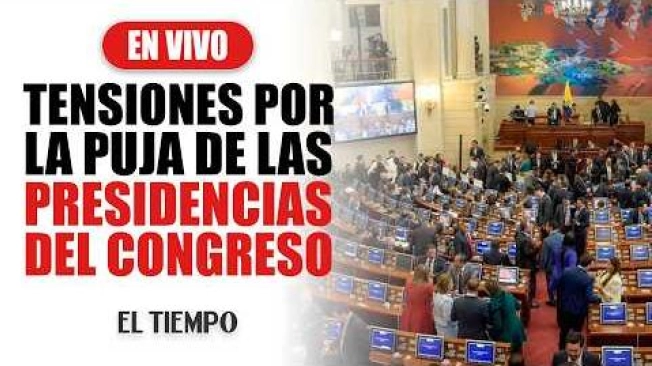
Bogotá, Colombia – July 17, 2026 – Colombia’s newly formed government coalition faces its first significant test, even before President-elect Abelardo de la Espriella takes office. Daniel Briceño, the highest-voted congressman-elect for the Democratic Center (Centro Democrático), has issued an impassioned plea for political maturity, urging the allied factions to prioritize national governance over internal squabbles for congressional leadership. His remarks come amidst escalating tensions between the Uribismo — the political movement loyal to former President Álvaro Uribe Vélez, represented by the Centro Democrático — and the emergent "Abelardismo," President-elect De la Espriella’s own burgeoning political base, often referred to as "Defensores de la Patria."
The brewing conflict centers on the highly coveted presidencies of the Senate and the House of Representatives, positions critical for setting the legislative agenda and ensuring the smooth passage of the incoming administration’s reforms. Briceño, who himself was initially favored by De la Espriella for the House presidency, warns that the current "tweet-for-tweet, interview-for-interview" skirmishes risk inflicting "wounds" that could hobble the government’s ability to address the nation’s pressing issues from the outset.
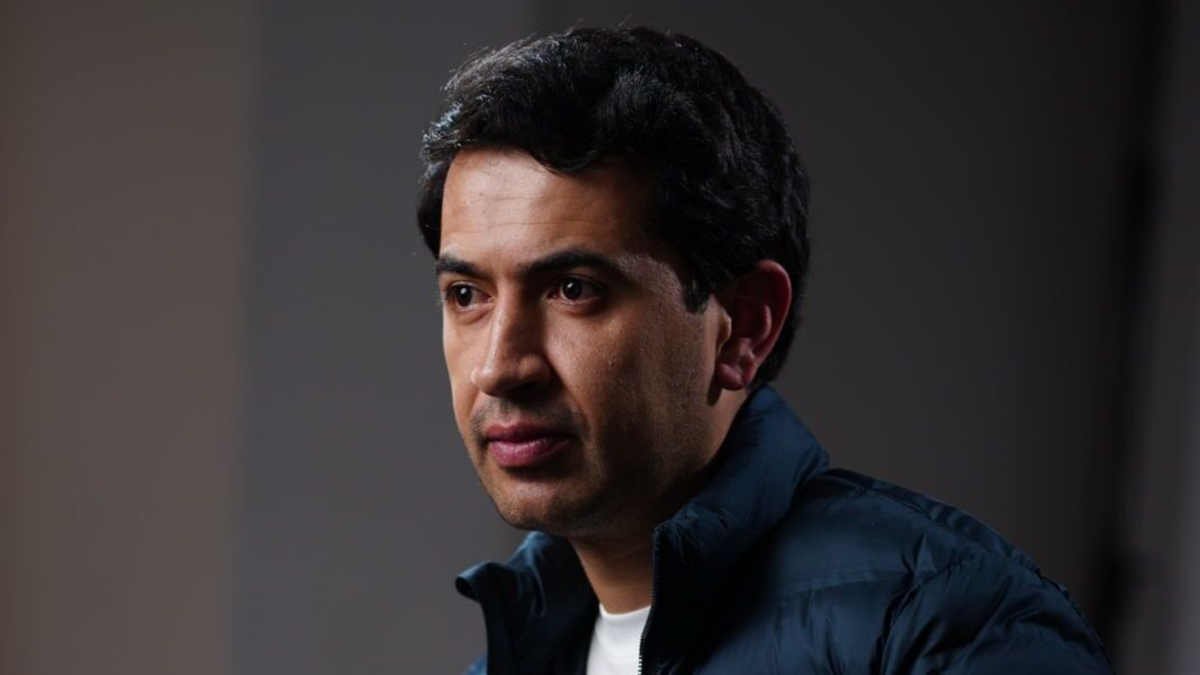
Speaking exclusively to EL TIEMPO, Briceño emphasized that while political disputes are a natural part of democratic processes, the magnitude of the challenges facing Colombia — from security and healthcare to economic stability — demands a united front. "Colombians are waiting for solutions to the problems of security, health, and more," Briceño stated, "and whatever happens, I hope my party wins, but on July 20th, we must work strongly to provide the real solutions and discussions that people need." His call for solidarity underscores the precarious balance within the right-wing coalition, which, despite its electoral victory, appears vulnerable to internal divisions fueled by the battle for power within the legislative branch.
The Chronology of a Budding Rift
The current political friction began with what appeared to be a clear preference from the incoming presidential administration. President-elect Abelardo de la Espriella, through his designated Minister Rodrigo Lara, publicly expressed his desire to see Alfredo Deluque preside over the Senate and Daniel Briceño lead the House of Representatives. This public endorsement signaled an attempt by the new executive to guide the legislative leadership in line with its agenda.

However, the Centro Democrático, the largest party within the government coalition and with significant representation in the Senate, opted for a different strategic approach. According to Briceño, the party decided to "first fight for the presidency of the Senate," a move that effectively "froze" his own aspiration for the House presidency. This decision stems from the unwritten rule in Colombian politics that a single party typically does not simultaneously seek both top legislative posts, particularly when negotiating within a broader coalition. By focusing its efforts on securing the Senate presidency, the Centro Democrático aimed to leverage its numerical strength in the upper chamber.
This strategic maneuver, however, opened a vacuum in the House of Representatives. In the absence of a unified push from the Centro Democrático for the House leadership, a new power bloc began to consolidate. Briceño identified this group as being led by Alfredo "Ape" Cuello, a figure whom he characterizes as attempting to bring "conservative Petrismo" back into power within the House. This "conservative Petrismo," as Briceño defines it, refers to a faction of conservative politicians, including Nicolás Barguil, who he alleges maintained close ties and supported the previous Petro administration and continue to hold sway within state institutions.
The situation has rapidly devolved into a public spectacle of political jockeying, marked by intense media commentary, social media exchanges, and speculative reporting. Former President Álvaro Uribe Vélez, a towering figure in Colombian conservative politics and the spiritual leader of the Centro Democrático, has weighed in with "hard and vehement" statements, fiercely defending his party’s right to contest for legislative leadership based on its electoral strength. This public display of discord, mere weeks before the new Congress convenes on July 20th to elect its presidents, has raised serious questions about the stability and coherence of the governing coalition.
Supporting Data and Complex Political Dynamics
The electoral success of Daniel Briceño, who emerged as the most voted congressman, initially positioned him as a strong contender for a leadership role. His popularity was a clear indicator of public support for a particular brand of conservative politics. Similarly, the Centro Democrático’s status as the majority party within the government coalition, especially in the Senate, provides it with legitimate grounds to claim significant leadership positions. This numerical advantage is typically a key factor in determining who presides over the legislative bodies.

However, Briceño expresses concern that the party’s focus on the Senate could lead to a "sin el pan y sin el queso" (without bread and without cheese) scenario, where they risk losing both presidencies due to overstretching or miscalculation. The emergence of "Ape" Cuello’s group and the push for Nicolás Barguil in the House further complicates this dynamic. Briceño’s strong assertion that Barguil and his allies are "Petrista" and continue to operate in alignment with the previous government’s interests, despite being nominally conservative, highlights a deep ideological and strategic distrust within the broader right-wing spectrum. He points out that this group of "seven or eight conservative representatives" actively supported Petro throughout his term and still maintain influence within the Colombian state.
This alleged "conservative Petrismo" is particularly problematic for Briceño, who suggests that such an alignment, if successful in securing the House presidency, could create a "mechanism of extortion" or "self-extortion" for the incoming De la Espriella administration. He argues that by allowing a group with historically oppositional or at least ambiguous ties to the coalition’s core principles to control a legislative chamber, the government risks being pressured and undermined from within. Briceño finds it ironic, even contradictory, that President-elect De la Espriella might appear to "wink" at Barguil’s candidacy, especially given that "Ape" Cuello was a vocal critic of De la Espriella during the presidential campaign. This suggests a disconnect between the executive’s tactical alliances and the broader ideological commitments of its primary coalition partner, the Centro Democrático.
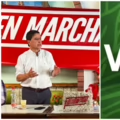
Adding another layer of complexity are Briceño’s own internal struggles within the Centro Democrático. While he maintains a cordial relationship with former President Uribe and party director Gabriel Vallejo, he admits that he is "uncomfortable" for many within the party. He cites instances where his independent stance led to friction, such as his public criticism of the party’s handling of the Ciro Ramírez case and his early warnings regarding issues during "Paloma’s campaign" (likely referring to a prominent party figure like Paloma Valencia and her campaign, though not explicitly detailed in the original text). These anecdotes paint a picture of Briceño as an independent voice willing to challenge party lines, potentially alienating some but also cementing his reputation as a principled reformer.
The upcoming legislative period is further complicated by a significant renewal within Congress, with 60 percent of its members being new. While this influx of fresh faces could theoretically lead to new dynamics and a departure from old practices, Briceño cautions that some entrenched political habits are likely to persist. He cites the recent departure of "Mr. Lacouture" as a positive sign, implying a move away from problematic figures, but acknowledges that deeper structural changes are needed.
Official Responses and Briceño’s Call for Maturity
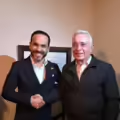
Despite the public sparring, Daniel Briceño insists that the relationship between former President Álvaro Uribe and President-elect Abelardo de la Espriella remains "cordial." He refutes "false versions" suggesting a breakdown in communication, asserting that "they have had clear messages between them." Uribe’s "firm and vehement" public statements, Briceño explains, are a natural defense of his party’s legitimate claims based on its electoral numbers, rather than a sign of personal animosity.
Briceño’s central message is a call for political maturity, urging all factions within the coalition to look beyond individual positions and focus on the "great politics" — the substantive issues affecting Colombian citizens. He draws a parallel with Spain, where parties like the Popular Party and Vox compete fiercely in regional elections but then unite to form governments or opposition blocs, acknowledging that such internal competition is normal in politics. What is crucial, he argues, is that this competition does not lead to an irreparable rupture of the governing alliance.
"There is an evident tension between the Centro Democrático and the Abelardismo sector, who will be Defensores de la Patria," Briceño conceded. "Is it bad that it exists? No. But it is important… that we have the maturity to understand that we are political allies, that there is a project beyond a Senate presidency, or a secretariat, or a little post." He emphasizes that the true mandate from the electorate is to solve tangible problems like security and healthcare, not to engage in endless infighting over power distribution. His "good offices" are offered as a mediating force, aiming to ensure that the legitimate dispute over congressional leadership does not evolve into a foundational fracture for the incoming administration.
Briceño also underscores the importance of congressional independence, emphasizing the system of checks and balances inherent in a democratic government. While the President-elect naturally desires to have allies in legislative leadership, the Congress must also assert its autonomy and represent the diverse interests of its constituents. The ultimate test, he believes, will come on July 20th when the numbers are revealed and the votes are cast, demonstrating the true balance of power within the legislative body.

Implications for Governance and the Legislative Agenda
The early rifts within the ruling coalition carry significant implications for the effectiveness of President Abelardo de la Espriella’s administration and its ambitious legislative agenda. A fractured coalition, particularly one with internal dissent from key partners like the Centro Democrático, could face immense difficulties in passing crucial reforms and implementing its "Patria Milagro" (Miracle Homeland) National Development Plan.
Briceño hopes that the current "small politics" of vying for positions will quickly give way to the "great politics" of governance. He warns that a breakdown between the Centro Democrático and De la Espriella would be a strategic victory for former President Gustavo Petro, who, Briceño asserts, "will ignite this country from the streets." Such a scenario, he explains, would leave the national government "prisoner of traditional parties, who, in most cases, do not care about the country," and are primarily focused on negotiation and self-interest. The Centro Democrático, having declared itself a government party without seeking immediate personal gain, is seen by Briceño as an essential bulwark against this kind of political opportunism.

The legislative agenda for the next four years is packed with critical issues. Briceño highlights several key areas where the government and Congress must collaborate:
- Tax Reform: Aims to reduce taxes while simultaneously implementing fiscal reforms to curb "excessive bureaucratic spending" and wasteful government expenditures. This reflects a commitment to fiscal responsibility and efficiency.
- Security Strengthening: Focuses on bolstering the capabilities of the military and police forces to address the persistent security challenges facing the nation.
- Justice Reform: An anticipated overhaul of the judicial system, likely addressing issues of efficiency, access, and perceived corruption.
- National Development Plan: The "Patria Milagro" plan, which serves as the government’s roadmap, will require congressional approval to allocate resources and implement programs across various sectors.
Beyond these broad governmental priorities, Daniel Briceño has meticulously prepared his own extensive legislative agenda, signaling his intent to be a proactive and impactful legislator. He plans to introduce 15 to 16 bills on July 20th, a testament to his dedication and thorough preparation as a first-time congressman. His proposals include:

- National Cap on Property Tax: A direct response to the "headache" caused by cadastral updates leading to exorbitant property tax increases, proposing a formula to establish a fair national limit.
- "Anti-Waste Law" (Ley Antiderroche): Aims to establish clear rules for logistical operators, security schemes, and advertising within government entities, addressing what he describes as "absolutely exorbitant" expenditures. This reflects his commitment to transparency and efficient use of public funds.
- Elimination of the 4×1000 Tax: Specifically targeting transfers between bank accounts belonging to the same individual, arguing that it "makes no sense" to tax personal funds moved between one’s own accounts. This is a popular proposal aimed at easing the financial burden on citizens.
- Reform of the "Patios y Grúas" (Impoundment Lots and Tow Trucks) System: Aims to move towards "intelligent immobilization," where sanctioned drivers are not subjected to the costly and often corrupt tow truck and impoundment system. Instead, vehicles would be immobilized at the owner’s home for a specified period, with severe penalties for non-compliance, thereby reforming a system long criticized for its inefficiencies and abuses.
- Expansion of Concession Schools: Proposing a legal framework to expand Bogotá’s successful model of privately managed public schools (concession schools) nationwide, believing it offers a proven path to improving educational quality.
- "Total Transparency Law" (Secop III): Building on his reputation as "Mr. Secop" (referring to his expertise in public procurement transparency), this law seeks to create a new, user-friendly public contracting system. It would leverage artificial intelligence to make procurement data accessible to any citizen, akin to a "Google for public contracts," eliminating the need for complex training to navigate current systems.
- Teacher Evaluation: A potentially contentious proposal to introduce or reform teacher evaluation mechanisms, an issue that has historically sparked protests from educators’ unions.
Briceño’s comprehensive agenda demonstrates his commitment to tackling core issues of governance, economic burden, public service, and transparency. He believes that despite the initial internal wrangling, the coalition must quickly pivot to these substantive discussions to deliver on its promises to the Colombian people. The outcome of the congressional leadership elections on July 20th will set the tone for the coming four years, determining whether the De la Espriella administration can count on a cohesive legislative partnership or if it will be embroiled in ongoing political battles.