By Edwin Caicedo, Environmental and Health Correspondent
In an era defined by the pressing challenges of climate change and the urgent need for sustainable resource management, the Banco de Occidente has officially opened the call for its prestigious "Planeta Azul" (Blue Planet) Prize. This initiative, now in its 33rd year, stands as a cornerstone of environmental recognition in Colombia, seeking to identify, support, and amplify the voices of those working on the front lines of conservation, water security, and environmental education.
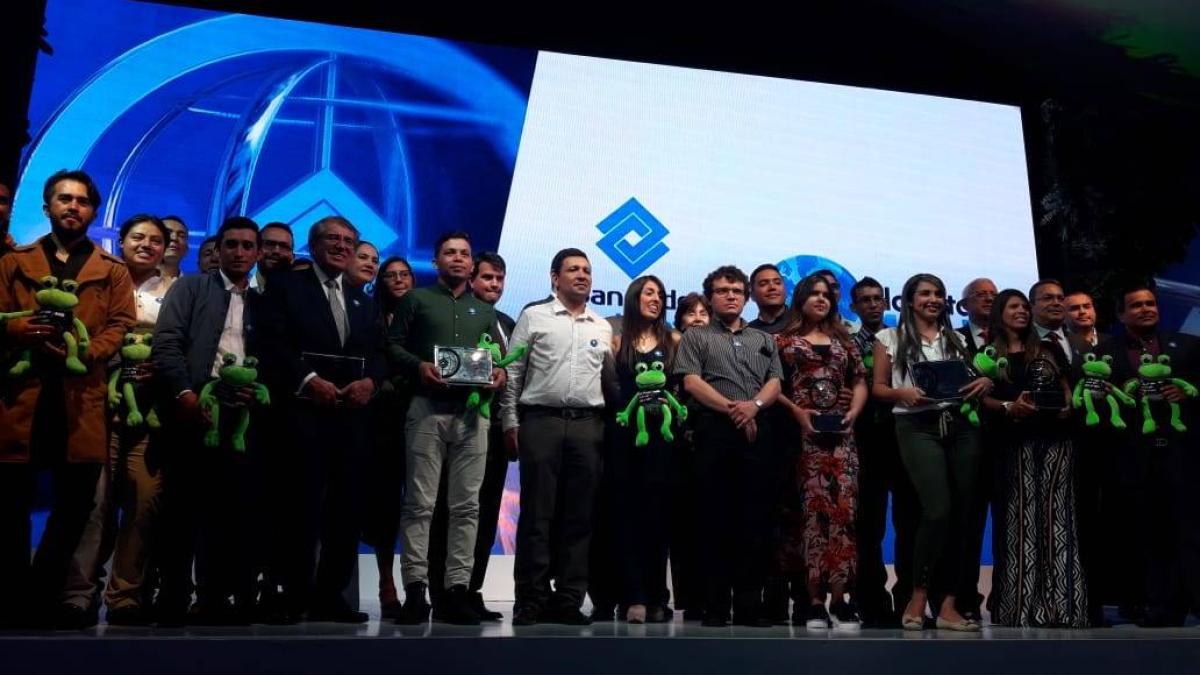
For organizations, academic institutions, community leaders, and private enterprises, the invitation represents more than just a competition; it is an opportunity to showcase projects that are tangibly transforming the country’s ecological landscape. With the submission window closing on July 31, the race to secure recognition for high-impact environmental work has officially begun.
The Genesis and Legacy of a Commitment to Nature
The Banco de Occidente’s environmental trajectory is not a recent pivot but a long-standing commitment that dates back over four decades. While the bank is known for its financial operations, its corporate social responsibility arm has been deeply rooted in the preservation of the "Blue Planet."

The foundation of this commitment was laid in 1984 with the continuous publication of the Ecolibro (Ecological Book), an editorial project designed to bridge the gap between scientific knowledge and the general public. By documenting Colombia’s immense biodiversity, the bank sought to foster a national culture of conservation.
However, the institution recognized that awareness was only the first step. To catalyze real change, the bank launched the National Ecology Prize "Planeta Azul" in 1993. Over the past 33 years, the prize has evolved from a niche recognition into a national benchmark. According to internal data from the bank, the initiative has received nearly 3,800 project submissions since its inception, each representing a unique attempt to solve local, regional, or national environmental issues.

This year’s edition aims to maintain this trajectory by focusing on the "unsung heroes"—those community-led initiatives that generate profound shifts in their immediate territories but often lack the platform to gain visibility at a national scale.
Understanding the Four Pillars of Innovation
The 2026 edition of the Planeta Azul Prize is structured around four distinct categories. This segmentation ensures that a wide variety of approaches—from high-tech engineering solutions to grassroots community pedagogy—can be fairly evaluated.

1. Conservation and Restoration
This category is designed for projects that tackle the degradation of ecosystems and the loss of biodiversity. Eligible initiatives include those focused on the reforestation of watersheds, the protection of native forests, and the recovery of damaged riparian zones. The judges will prioritize projects that demonstrate long-term ecological viability and measurable improvements in habitat quality.
2. Sustainable Water Management
Water is the lifeblood of the nation, and this category targets the core of the prize’s mission. It rewards projects that optimize water usage—whether in agriculture, industry, or urban settings—while balancing social and economic benefits. The focus here is on the "Circular Water Economy": how can we do more with less, and how can we return cleaner water to our rivers?
3. Environmental Innovation
This category is the home of "disruptive sustainability." It looks for technological or methodological advancements that provide efficient solutions to environmental problems. From new filtration systems to waste-to-energy technologies, the bank is seeking projects that break the mold of traditional conservation and offer scalable, technological interventions.
4. Environmental Education
Recognizing that systemic change requires a shift in human behavior, the fourth category honors pedagogical efforts. Whether through school programs, community workshops, or digital campaigns, this category rewards those who are successfully instilling a "green consciousness" in the next generation or empowering communities to act as stewards of their own environment.

The Selection Process: Rigor and Transparency
The integrity of the Planeta Azul Prize lies in its selection methodology. The Banco de Occidente has clarified that the evaluation process is conducted by a committee of independent experts, ensuring that the winners are selected based on merit, technical feasibility, and real-world impact rather than corporate affiliation.
The process follows a strict timeline:

- July 31, 2026: Deadline for the submission of all projects via the official online platform.
- August – September: Technical review by the expert committee.
- October 16, 2026: Official announcement of the finalists.
- November 4, 2026: Grand award ceremony in the city of Medellín.
To participate, applicants must create a professional profile on the bank’s portal, fill out a comprehensive form detailing their methodology, and provide verifiable evidence of the project’s impact.
Official Perspectives: The Value of Collective Action
Gerardo Silva, president of the Banco de Occidente, has been a vocal advocate for this year’s initiative, emphasizing that the prize is a reflection of the bank’s belief in collaborative solutions.

"Each project that participates in the Planeta Azul Prize demonstrates that protecting the water and the environment is possible when there is commitment, knowledge, and collective work," Silva stated during the launch. "For more than three decades, we have wanted to recognize that effort, make it visible, and inspire more people and organizations to turn good ideas into actions that generate a positive impact for the country. That will remain our commitment."
The bank’s leadership believes that by highlighting these initiatives, they are creating a network of knowledge exchange. Many past winners have seen their projects scaled or replicated in other regions of Colombia, proving that the prize serves as a catalyst for a national movement toward sustainability.

The Broader Implications: Why This Matters Now
The timing of this year’s Planeta Azul Prize is critical. As Colombia faces the dual pressures of economic development and climate volatility, the projects recognized by the bank serve as a roadmap for sustainable development.
Economic and Social Impact
The focus on water usage is particularly relevant. In many parts of the country, water scarcity is not just an environmental issue but a severe threat to food security and local economies. By rewarding sustainable water management, the bank is indirectly supporting the agricultural sector and rural livelihoods.

Bridging the Gap Between Academia and the Field
The participation of universities and research centers ensures that the prize remains grounded in scientific rigor. Often, academic research remains confined to university journals; the Planeta Azul Prize forces this knowledge out into the real world, where it can be applied to solve the specific, messy, and urgent problems of local communities.
Cultivating a Culture of Stewardship
Perhaps the most significant impact of the prize is the ripple effect. When a community in a remote department of Colombia wins a national prize, it validates their struggle and encourages other neighboring regions to adopt similar practices. It transforms the concept of "conservation" from a distant government policy into a tangible, achievable community project.

A Call to Action for Innovators
The Banco de Occidente’s invitation is open to a vast array of entities. From small, localized NGOs working on stream cleanup to large-scale corporate sustainability departments implementing massive water-recycling plants, the scope is intentionally broad.
For those considering an application, the criteria are clear: the bank is looking for projects that are not just "green" on paper, but that show measurable, verifiable results in the territory. The application process, while rigorous, is designed to help participants clarify their impact and articulate their value proposition.

As we look toward the ceremony in Medellín this November, the anticipation is not just about who will take home the prize, but about the collective knowledge that will be shared. The Planeta Azul Prize remains a testament to the fact that while the challenges facing our environment are daunting, the ingenuity and commitment of the Colombian people remain the country’s most valuable renewable resource.
Interested parties can register their projects and find the full guidelines on the Banco de Occidente’s official website. As the July 31 deadline approaches, the call to action remains clear: the future of Colombia’s water and environment depends on the bold, the innovative, and the committed.

For more information on the Planeta Azul Prize, follow our weekly newsletter or join our community on social media to stay updated on the latest developments in environmental innovation and sustainable development across the country.