In an automotive industry increasingly fixated on a singular transition toward 100% battery-electric vehicles (BEVs), Automotores Toyota Colombia is challenging the status quo. The company has officially unveiled its "Technological Diversification Strategy," a robust roadmap that posits that the path to carbon neutrality is not a one-way street, but a multi-lane highway requiring a nuanced mix of hybrid, plug-in hybrid, and hydrogen-powered solutions.
This strategy, anchored in the brand’s "Beyond Zero" philosophy, represents a pragmatic approach to the unique infrastructure and geographic challenges of the Colombian market. By launching the new generation of the RAV4 HEV and the Yaris Hatchback HEV, Toyota is not merely introducing new models; it is cementing a commitment to providing decarbonization options that cater to the diverse needs of drivers today, rather than waiting for an idealized future.
The Core of the Strategy: Why Diversification Matters
For years, the global discourse on automotive sustainability has been dominated by the push for pure electric vehicles. However, Toyota argues that the transition to sustainable mobility must be inclusive. According to Juan Sebastián Bernal, Vice President of Commercial and Planning at Automotores Toyota Colombia, the company’s objective is to provide a "portfolio that integrates distinct alternatives of electrification," ensuring that no consumer is left behind due to the lack of charging infrastructure or specific economic requirements.
The "Beyond Zero" concept is the heart of this initiative. It aims to transcend simple emission reductions, focusing instead on creating a positive environmental impact while ensuring accessibility, reliability, and an elevated user experience. By deploying a fleet that includes Full Hybrids (HEV), Plug-in Hybrids (PHEV), Battery Electric Vehicles (BEV), and Hydrogen Fuel Cells (FCEV), Toyota is creating a comprehensive ecosystem that addresses the realities of the modern driver.

A Chronology of Innovation in Colombia
Toyota’s trajectory in the South American market has been a methodical process of integration. The strategy has unfolded through a series of key milestones that demonstrate the company’s long-term planning:
- Initial Expansion: The introduction of the Corolla Cross HEV and Yaris Cross HEV marked the beginning of the mass-market hybrid adoption in Colombia.
- The Hydrogen Frontier: The arrival of the Toyota Mirai, powered by hydrogen fuel cell technology, signaled that the company was looking beyond conventional batteries toward the future of zero-emission mobility.
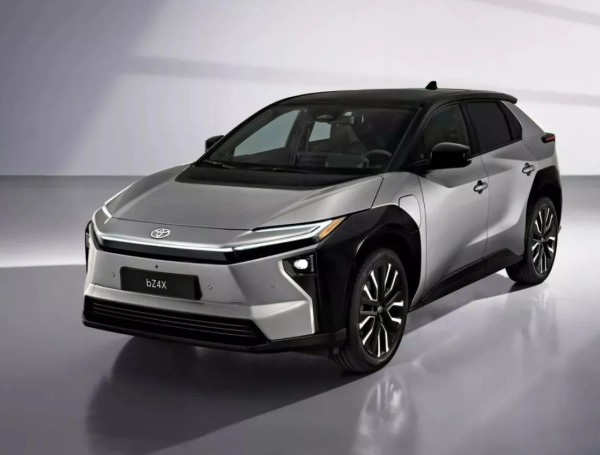
- Entering the BEV Segment: The recent launch of the bZ4X, the brand’s first 100% electric vehicle in the country, proved that Toyota could compete in the premium electric segment while maintaining its reputation for engineering excellence.
- The 2026 Refresh: April 2026 served as a turning point, with the commercial debut of the sixth-generation RAV4 HEV (April 17) and the Yaris Hatchback HEV (April 29), further democratizing access to hybrid technology.
The New Vanguard: RAV4 HEV and Yaris HEV
The latest additions to the Colombian market are designed to bridge the gap between performance and sustainability.

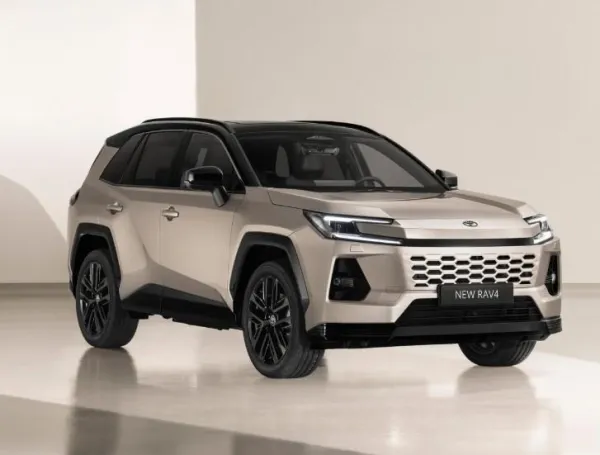
The Sixth-Generation RAV4 HEV
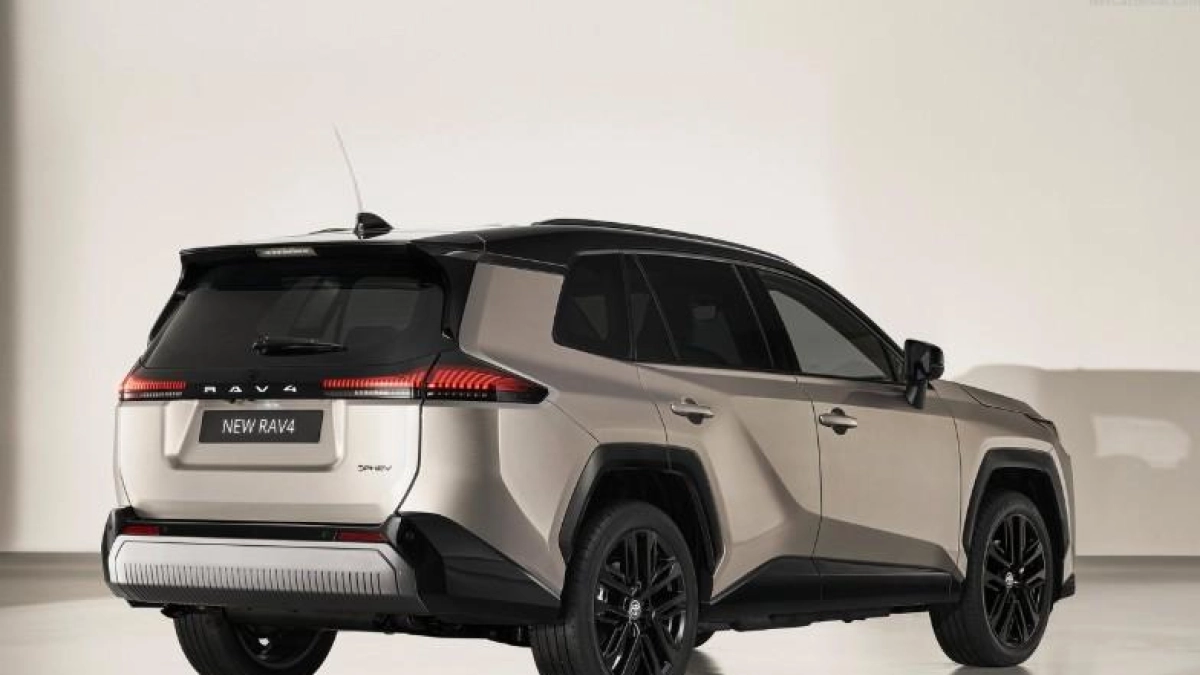
The RAV4 has long been a flagship for the brand, and the new iteration is a significant leap forward. At its core, the vehicle features a 2.5-liter, four-cylinder Atkinson-cycle engine, delivering a combined power output of 239 horsepower.
Perhaps more impressive is the E-Four electric traction system. This intelligent feature automatically distributes power between the front and rear axles, ensuring stability and traction across Colombia’s varied terrain, from urban highways to mountainous regions. Drivers can toggle between ECO, Normal, and Sport modes, with additional settings tailored for irregular roads or snow.
Technologically, the cabin has been overhauled. The XLE version features a 10.5-inch multimedia screen, while the Limited trim boasts a massive 12.9-inch display paired with a JBL Premium audio system. Both are compatible with wireless Apple CarPlay and Android Auto. Furthermore, the inclusion of "Toyota Safety Sense 4.0" places the RAV4 at the forefront of passenger protection, featuring autonomous pre-collision systems, adaptive cruise control, and 360-degree cameras.
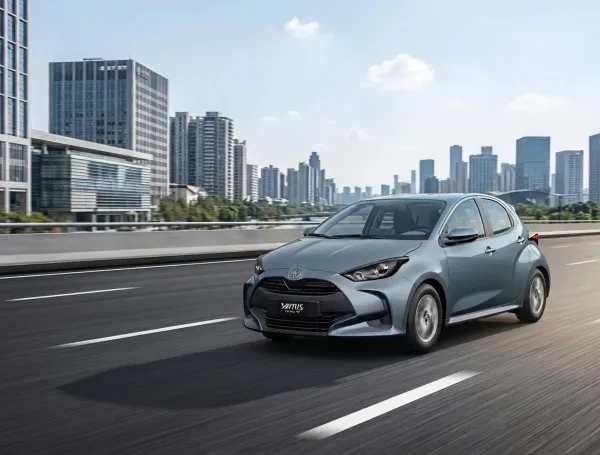
The Yaris Hatchback HEV: Efficiency Meets Agility
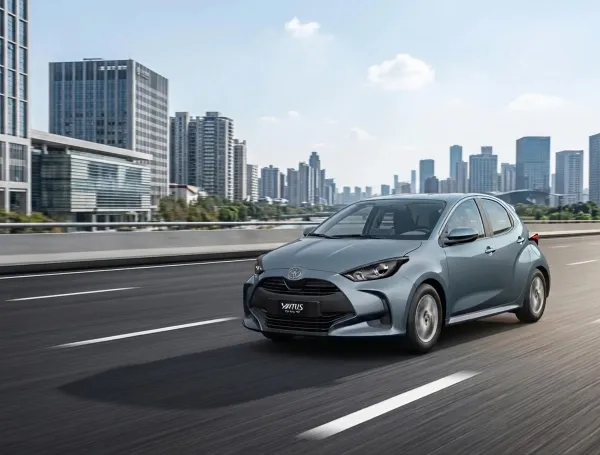
If the RAV4 is the powerhouse, the Yaris Hatchback HEV is the surgical instrument for urban mobility. Built on the TNGA-B platform in France, this model is positioned as the accessible entry point into the hybrid ecosystem. It is powered by a 1.5-liter, three-cylinder hybrid engine producing 116 horsepower.

Designed specifically for the density and traffic challenges of major Colombian cities, the Yaris focuses on maneuverability and operational efficiency. The exterior design, marked by a wider and lower profile, gives it a sporty aesthetic that stands out from previous generations. Inside, the focus is on a driver-centric layout with a 9-inch touchscreen, seven airbags, and a full suite of electronic safety aids, including ABS and Vehicle Stability Control (VSC).
Supporting Data and Technical Implications
The shift toward hybrids is not just a marketing preference; it is a data-driven decision. Hybrid vehicles (HEVs) currently offer a lower barrier to entry for the average consumer, as they do not require external charging stations—a critical factor in regions where electric grid infrastructure is still developing.
By optimizing the internal combustion engine to work in tandem with high-efficiency electric motors, these vehicles significantly reduce fuel consumption and CO2 emissions without compromising the "range anxiety" often associated with early-stage BEVs. For the Colombian market, where gasoline remains a primary fuel source, the hybrid solution serves as a crucial bridge that allows for immediate carbon footprint reduction.
The technical integration of the Toyota Safety Sense 4.0 also reflects a shift toward "intelligent mobility." By utilizing sensors, cameras, and automated braking, these vehicles are not just "greener," but safer, reducing the likelihood of accidents through predictive technology.

Official Response: A Commitment to the Colombian Consumer
Juan Sebastián Bernal emphasized that these launches are a tangible manifestation of the company’s strategy. "More than a vision for the future, it is a commitment that we are putting into practice today," he stated. By providing vehicles that balance efficiency with performance, Toyota is attempting to reshape the consumer mindset, proving that "going green" does not require a sacrifice in comfort or utility.
The company’s commitment is also reinforced by its local ecosystem. Toyota’s presence in Colombia is not limited to car sales; it is supported by a comprehensive chain of value, including specialized financial services, comprehensive insurance packages, and "planned maintenance" programs that ensure the longevity and resale value of their hybrid units.
Implications for the Future of Mobility
The implications of Toyota’s strategy are profound. By diversifying its technology, the company is insulating itself from the volatility of the electric vehicle market, such as fluctuations in rare-earth mineral pricing for batteries or the slow rollout of nationwide charging networks.
Furthermore, by keeping the internal combustion engine alive through hybrid technology, Toyota is acknowledging that the transition to a net-zero world will take time. This pragmatic stance provides a roadmap for other manufacturers in developing markets who are struggling to balance the demand for modern, high-tech vehicles with the limitations of existing energy infrastructure.

As Colombia continues to navigate its own path toward sustainability, Toyota’s multi-pathway approach appears to be the most viable bridge. Whether it is the robust power of the RAV4 or the agile efficiency of the Yaris, the message from the brand is clear: the future of mobility is not a single technology, but a diverse portfolio of solutions designed to meet the world where it is, while guiding it toward where it needs to be.
With these latest additions, Toyota has signaled that its role in the energy transition is not that of a passive observer, but an active architect of a cleaner, more efficient, and more versatile future for all road users.