By Aníbal Pérez García
Special Analysis for Razón Pública
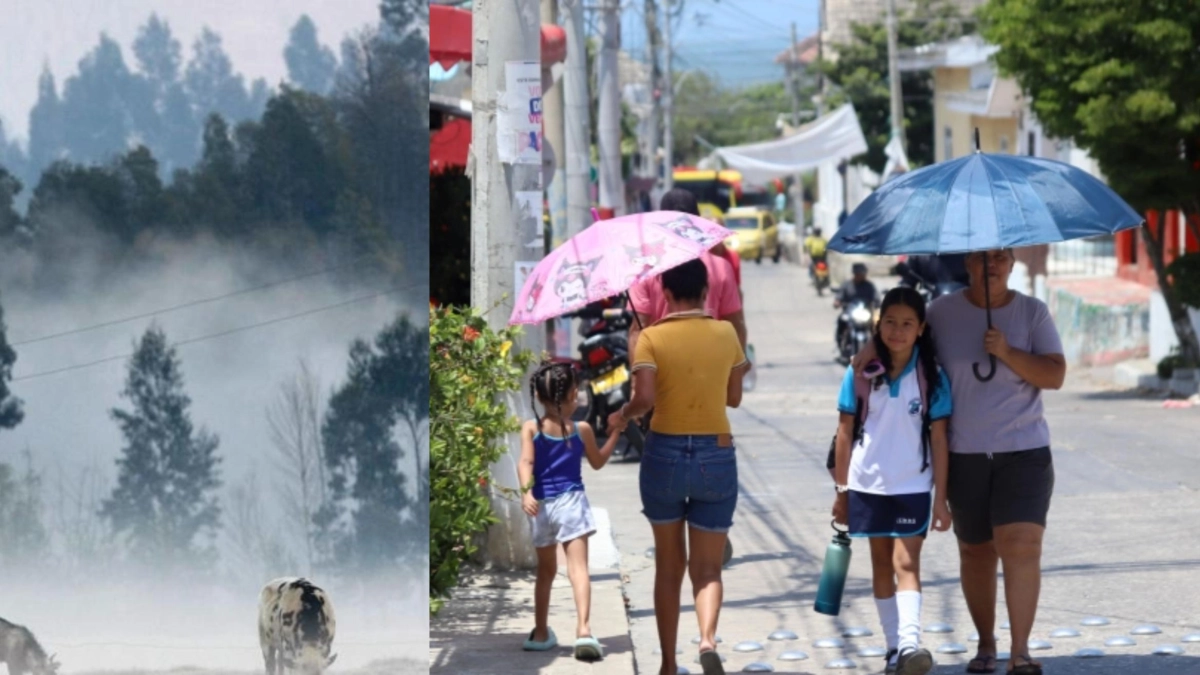
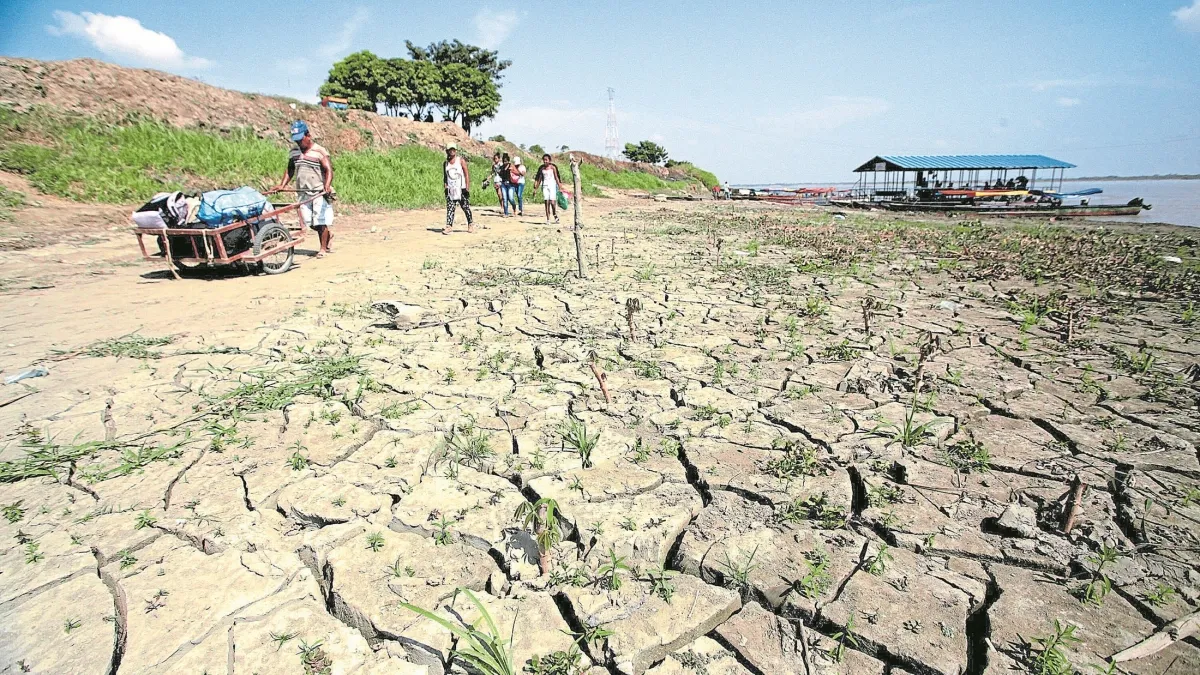
For over three decades, Colombia has treated its most predictable existential threat—the El Niño climate phenomenon—as a series of disconnected inconveniences. We categorize the crisis into three silos: energy, water, and food. Yet, this bureaucratic fragmentation is the primary reason the country remains chronically vulnerable. While meteorologists can forecast the arrival of El Niño with high precision months in advance, the Colombian state continues to react to the resulting droughts as if they were unforeseen natural disasters, rather than systemic failures of planning and governance.
The Chronology of a Recurring Failure
The historical record of Colombia’s struggle with El Niño is a testament to short-term memory. Between March 1992 and February 1993, the country endured a traumatic period of energy rationing, with daily power cuts reaching up to nine hours. It was a national emergency that forced a structural overhaul of the electricity sector.
Fast forward thirty-two years: between April 2024 and April 2025, Bogotá and eleven neighboring municipalities were subjected to twelve months of water rationing—the most severe in over four decades. While the energy sector had been "blinded" by the 1992 reforms, the water sector remained dangerously exposed.

The common denominator in both instances was El Niño, yet the state treated these crises as disparate events. The 1992 blackout led to the creation of the Energy and Gas Regulatory Commission (CREG) and a "reliability charge" that protected the grid for thirty years. However, this success created a dangerous illusion of security. By isolating energy from the broader water-food-energy nexus, the government failed to see that the same drought hitting the reservoirs for hydroelectricity was simultaneously crippling agricultural output and urban water supply.
Current Forecasts: A New Horizon of Risk
The National Oceanic and Atmospheric Administration (NOAA) has officially declared a high-alert status for El Niño, estimating an 82 percent probability that the phenomenon will persist through the beginning of 2027. The World Meteorological Organization concurs, projecting the event to be at least moderate, with a high potential for strengthening into a major climatic event. On June 11, Colombia’s Institute of Hydrology, Meteorology, and Environmental Studies (Ideam) confirmed the onset of the phenomenon in national territory.
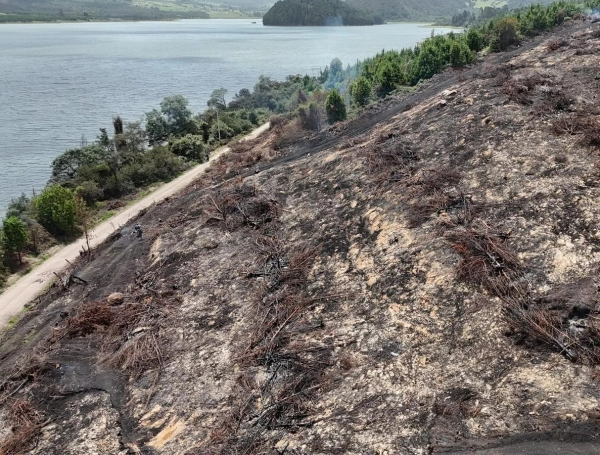
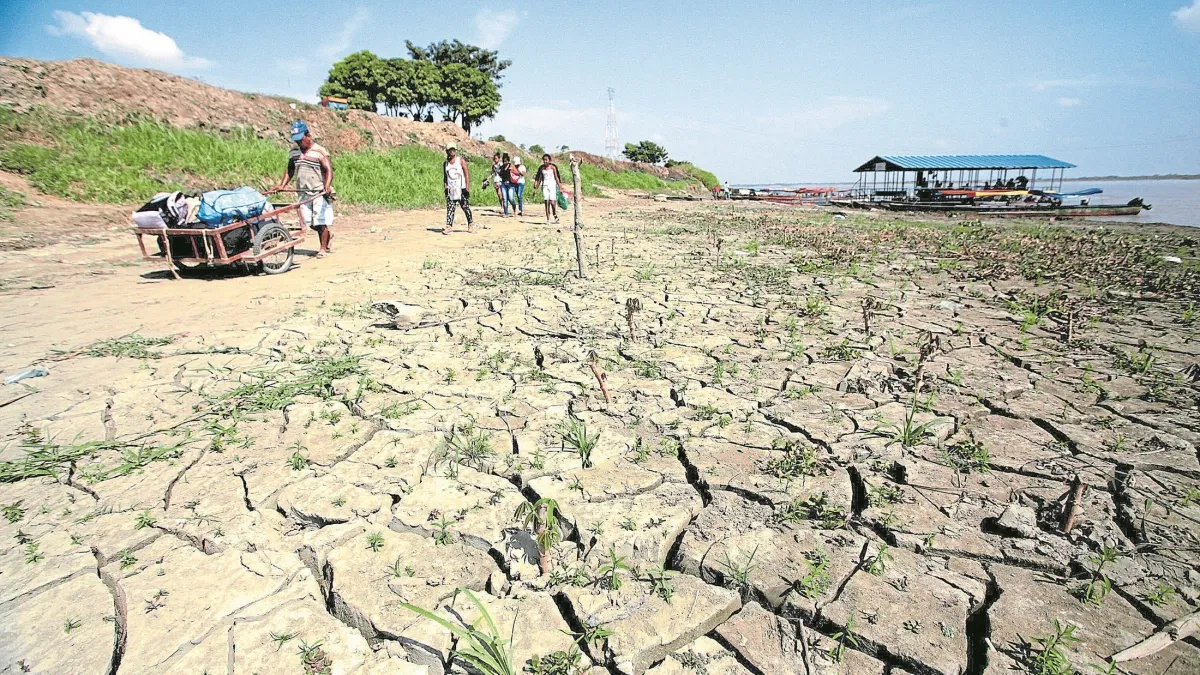
Unlike earthquakes or sudden storms, El Niño is a slow-motion catastrophe. It is arguably the most predictable threat facing the country, yet it remains the most poorly managed. The scientific community provides the data; the policy-making community chooses when to act.
The Interconnected Web: Energy, Water, and Food
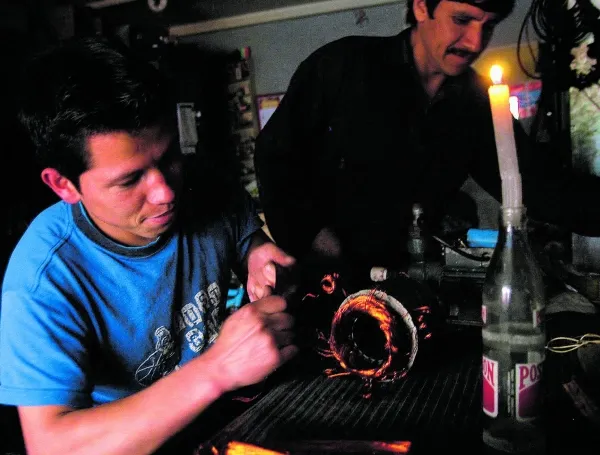
In Colombia, the energy sector is the most heavily studied casualty of El Niño because two-thirds of the nation’s electricity is generated through hydroelectric power. During the 2023-2024 episode, the hydraulic contribution to the national grid plummeted from 87 percent to 47 percent within a year. Reservoir levels hit a 25-year low, and industry insiders admitted the country was within a single week of a total blackout. The knock-on effect was immediate: the spot price of energy tripled, a cost eventually transferred directly to consumer electricity bills.
The water sector provides the second, more visceral, dimension of the crisis. The Chingaza System, which supplies nearly 70 percent of Bogotá’s water, dropped to historical lows in April 2024, forcing nine million citizens into a year-long rationing cycle. Despite early warnings from Ideam regarding reduced rainfall in the Andean region, the infrastructure and the city’s consumption patterns were ill-prepared for the severity of the drought.
Finally, there is the dimension of food security—a silent, creeping crisis often ignored by emergency statistics. In 2016, El Niño slashed agricultural yields by at least 20 percent, according to the Society of Colombian Farmers. By the 2023-2024 period, humanitarian agencies estimated that nearly three million people were at high risk of food and water shortages. The inflationary impact is well-documented: during major El Niño cycles, food inflation has been known to double, disproportionately affecting the most vulnerable populations.

The Economic Cost of Inaction
The financial toll is staggering. The Economic Commission for Latin America and the Caribbean (ECLAC) calculated that the 1997-1998 El Niño cost Colombia $564 million. More recently, the National Planning Department estimated that the 2015-2016 cycle caused losses equivalent to half a percentage point of the national GDP.
However, viewing these costs as isolated sector losses is a fundamental error. The systems are inextricably linked:

- Without electricity, there is no pumping or water treatment.
- Without water, there is no irrigation for crops or cooling for thermal plants.
- Without gas, the thermal generation that acts as a backup for failing hydro plants becomes unreliable and prohibitively expensive.
The State responds through three separate "windows," as if these crises were not the same drought hitting different sides of the same machine.
Official Responses and Institutional Myopia
The 1992 blackout was a catalyst for reform, but that reform was narrow. It protected the electricity grid but ignored the broader ecosystem. Today, that narrow success is beginning to fray. Colombia ceased to be self-sufficient in natural gas in 2024. Consequently, the thermal backup that is meant to compensate for low water levels is now more expensive and scarcer than in previous decades.

Current policy responses are characterized by "reactive procrastination." The mantra of "turning on thermal plants" becomes an annual lament, and rationing is only initiated when reservoirs are already at critical, near-empty levels. The alert sounds months in advance, but each sector—energy, environment, and agriculture—tends to its own silo, waiting for a central mandate that often arrives too late.
A Path Toward True Resilience
To survive the coming years, Colombia must fundamentally shift its approach to risk management. This requires two structural pivots:

1. Governance as a Single System
The government must appoint a high-level authority with the power to monitor the three "curves"—water, energy, and food—simultaneously. This entity should not be tasked with the day-to-day management of emergencies, but with the creation of a cross-sector protocol that dictates pre-emptive action. Reducing the country’s fragility requires specific investments: a water grid for Bogotá that does not rely on a single system of reservoirs, a power matrix that is less tethered to hydrological cycles, and a rural sector with robust, modern irrigation and crop insurance.
2. Decision-Making Based on Forecasts, Not Emergencies
We must transition from "emergency management" to "predictive management." The official declaration of El Niño should automatically trigger pre-established protocols: early maintenance of reservoirs, the proactive acquisition of fuel for thermal backup, the diversification of energy sources, and the mobilization of agricultural support. Anticipation is a fraction of the cost of disaster. We have already paid the price of half a percentage point of our GDP in past crises; it is time to treat that money as an investment in prevention rather than a loss to climate inaction.

Conclusion: The Looming Examination
El Niño will not merely test the capacity of our reservoirs. It will test the maturity of the Colombian state. We have the data, we have the historical evidence, and we have the scientific foresight. If we fail this upcoming examination, it will not be for lack of warning. It will be because we chose to keep answering a single, unified question on three separate, disconnected sheets of paper.
Aníbal Pérez García is a civil engineer with a master’s degree in Hydrosystems and a doctorate in Geosciences. He has served as Vice Minister of Water, Director of the Fund for Life and Biodiversity, and a leader in national infrastructure and resilience programs.