By Editorial Staff
Updated: July 4, 2026
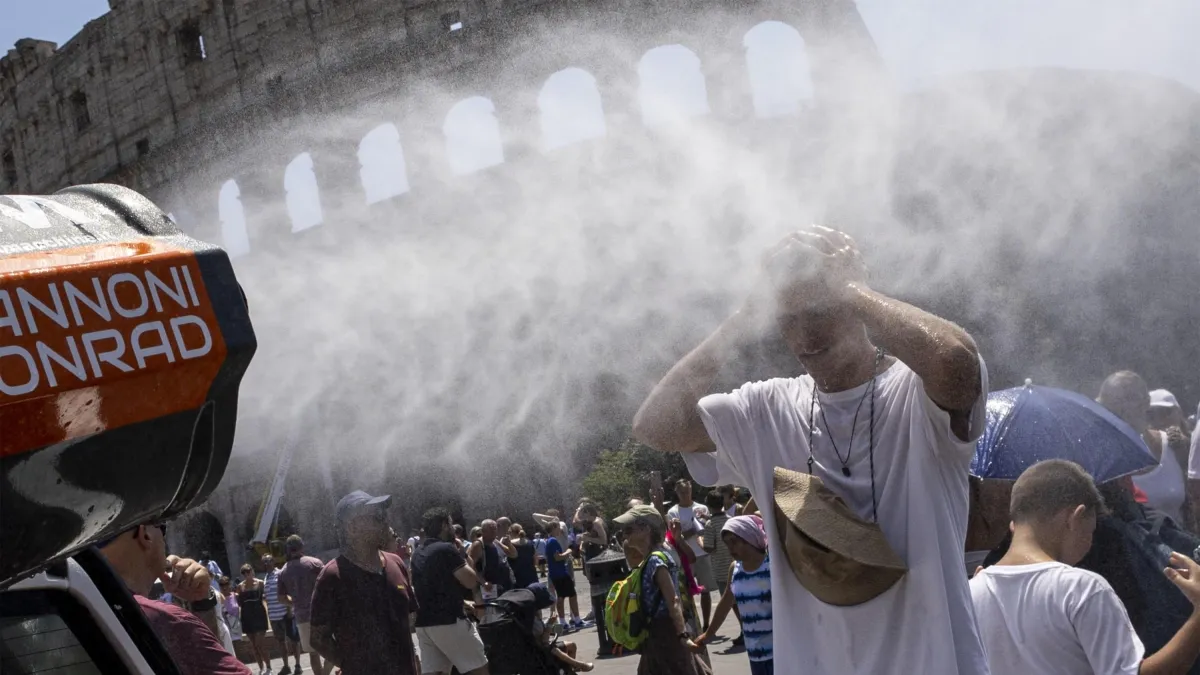
The month of June 2026 will be etched into history as one of the most punishing meteorological chapters for the European continent. As record-shattering temperatures swept across the region, turning cities into urban ovens, the human toll rose sharply, with over 4,000 deaths now directly or indirectly attributed to the heat. From the historic streets of Rome to the industrial hubs of Germany, the continent faced a brutal reality: climate change is no longer a distant threat, but a present, lethal danger.
The Magnitude of the Crisis: A Continent Under Siege
Throughout June, Europe experienced a sustained heatwave of unprecedented intensity. For many regions, the daytime mercury soared past 40°C, while "tropical nights"—where temperatures failed to drop below 30°C—denied millions the relief necessary for physical recovery. An analysis by AFP indicates that roughly 410 million people—two-thirds of the continent’s population—were subjected to temperatures exceeding 35°C at least once during the month.
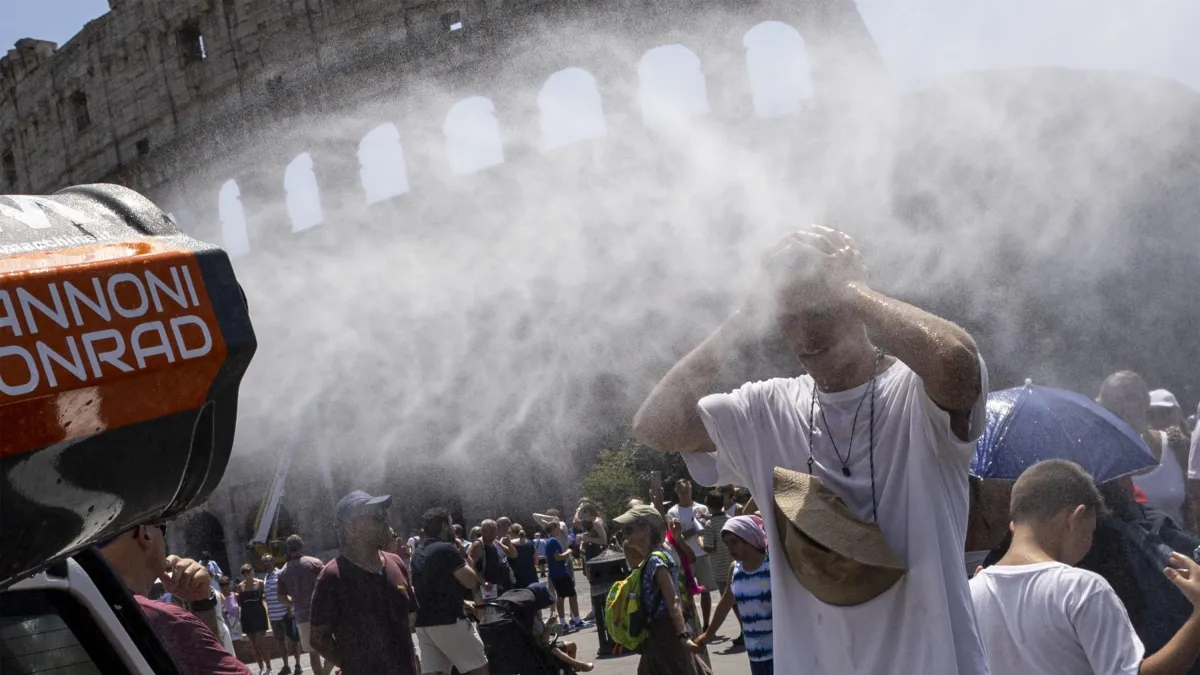
The World Health Organization (WHO) has sounded the alarm, estimating that since June 21, the death toll has surged past 1,300, though this is likely a conservative figure. National reports from Spain, France, and Belgium paint a much grimmer picture, with individual death tolls in those countries already surpassing the 1,000-mark.
National Tolls and Infrastructure Strain
In France, the week of June 22–28 proved catastrophic. Health Minister Stéphanie Rist confirmed that there were at least 2,025 excess deaths compared to the previous seven-day period. As the heat peaked, Paris’s funeral services reached full capacity by June 29, a somber testament to the speed and severity of the mortality spike.
Belgium faced a similarly dire situation, with the federal government reporting 1,222 excess deaths between June 18 and June 29, labeling the surge as "unprecedented." Meanwhile, in Spain, the Carlos III Health Institute attributed 1,028 deaths to heat-related causes in June—more than double the 407 deaths recorded in the same period in 2025.

Chronology of the Heatwave
The escalation of the 2026 heatwave was rapid and widespread, affecting nations that traditionally enjoy temperate summers.
- Mid-June: Signs of an early, intense summer began to emerge, with Spain recording its warmest first semester since records began.
- June 22–28: The peak of the crisis. France and the UK experienced record-breaking spikes. In the UK, the national temperature average for June reached 17.1°C, the highest since record-keeping began in 1884. On June 26, Lingwood, Norfolk, hit an astonishing 37.7°C, shattering the previous 1976 national record.
- June 26–30: Central and Northern Europe saw the collapse of traditional thermal norms. The Netherlands issued its first-ever "Red Alert" for heat, recording a national June record of 39.4°C. Denmark followed suit with a historic high of 37°C.
- June 28–30: Germany and Hungary reached breaking points. In Coschen, Germany, thermometers hit 41.7°C. In Leipzig, the extreme heat caused the material in tramway track joints to melt, forcing a suspension of public transport. In Hungary, Prime Minister Magyar Péter confirmed that the country had broken all historical records, with Szécsény reaching a staggering 42°C.
Supporting Data: Why This Summer is Different
The 2026 heatwave was not merely a natural fluctuation; it was a symptom of a systemic shift in the Earth’s climate. Scientific consensus, bolstered by groups like World Weather Attribution, suggests that the June heatwave would have been "virtually impossible" without the backdrop of anthropogenic climate change.
The "Once in a Generation" Myth
The WHO Director-General, Tedros Adhanom Ghebreyesus, noted that heat events that were once expected to occur "once in a generation" are now becoming annual occurrences. The 2025 Lancet Countdown on Health and Climate Change report highlighted that the average person is now exposed to 530% more heatwave days than they would have been in a pre-industrial climate.

The economic fallout is equally staggering. The Lancet report estimates that global income loss due to heat-related labor productivity declines reached a record $1.09 trillion in 2024, representing nearly 1% of global GDP. The monetary value of heat-related mortality has climbed to $344 billion, a 306% increase over the 2000–2004 average.
Official Responses and Public Health Warnings
The WHO and regional health authorities have issued stern warnings: European infrastructure is fundamentally ill-equipped for this climate reality. Homes, workplaces, and schools lack the cooling systems required to protect vulnerable populations, particularly the elderly.
Dr. Hans Henri P. Kluge, WHO Regional Director for Europe, warned that this June was merely a "dress rehearsal."

"The European region is warming at more than double the global average. Heatwaves are no longer isolated phenomena; they are increasingly frequent, intense, and prolonged crises. Each summer that we do not prepare for them is a summer that we pay for dearly."
In addition to health risks, the continent faced a secondary crisis: wildfires. In Southern France, thousands of hectares were scorched as authorities struggled to contain fires that appeared weeks earlier than in previous years. Interior Minister Laurent Nuñez noted that the country is effectively "a month ahead" of the usual wildfire season.
Global Context: The Crisis in the United States
The heat crisis is not contained within Europe. As June turned to July, the United States faced its own dangerous surge. On July 3, over 150 million Americans were under heat advisories. Cities like New York and Washington D.C. braced for temperatures reaching 45°C.

In New York, Mayor Zohran Mamdani warned that the city was entering its most extreme heatwave in over a decade. The U.S. National Weather Service (NWS) emphasized the mortal danger, noting that heat kills more people in the U.S. annually than hurricanes and floods combined, particularly among those without access to adequate air conditioning.
Implications: A Call for Structural Change
The 2026 crisis has made it clear that the status quo is unsustainable. The Lancet Countdown researchers have argued that while technological solutions—such as improved cooling infrastructure—are necessary, they are insufficient.
The Path Forward:
- Urban Redesign: Cities must incorporate "cool roofs," increased green spaces, and heat-resilient transit infrastructure to mitigate the "urban heat island" effect.
- Health Systems Adaptation: Healthcare networks must be optimized to handle sudden surges in heat-related illnesses, including respiratory and cardiovascular distress.
- Cross-Sector Collaboration: As the WHO suggests, climate mitigation cannot be the sole purview of environmental ministries. It requires the integration of labor laws, urban planning, energy policy, and public health initiatives.
- Community Resilience: Public education regarding hydration, cooling centers, and checking on vulnerable neighbors is essential for survival during peak heat events.
As the world looks toward mid-July, meteorologists and public health officials remain on high alert. The lessons of June 2026 are sobering: the window to implement decisive climate action is closing. Without a fundamental shift in how societies are structured and how resources are managed, the "record-breaking" summer of 2026 may simply become the new baseline for a warming planet.

For now, Europe and the United States remain in a state of high vigilance, waiting to see if the next heatwave will test their resilience once again. As the WHO stated, "Every summer we don’t prepare is a summer we pay for." In 2026, the price was paid in thousands of lives.