By Edwin Caicedo, Environmental and Health Correspondent
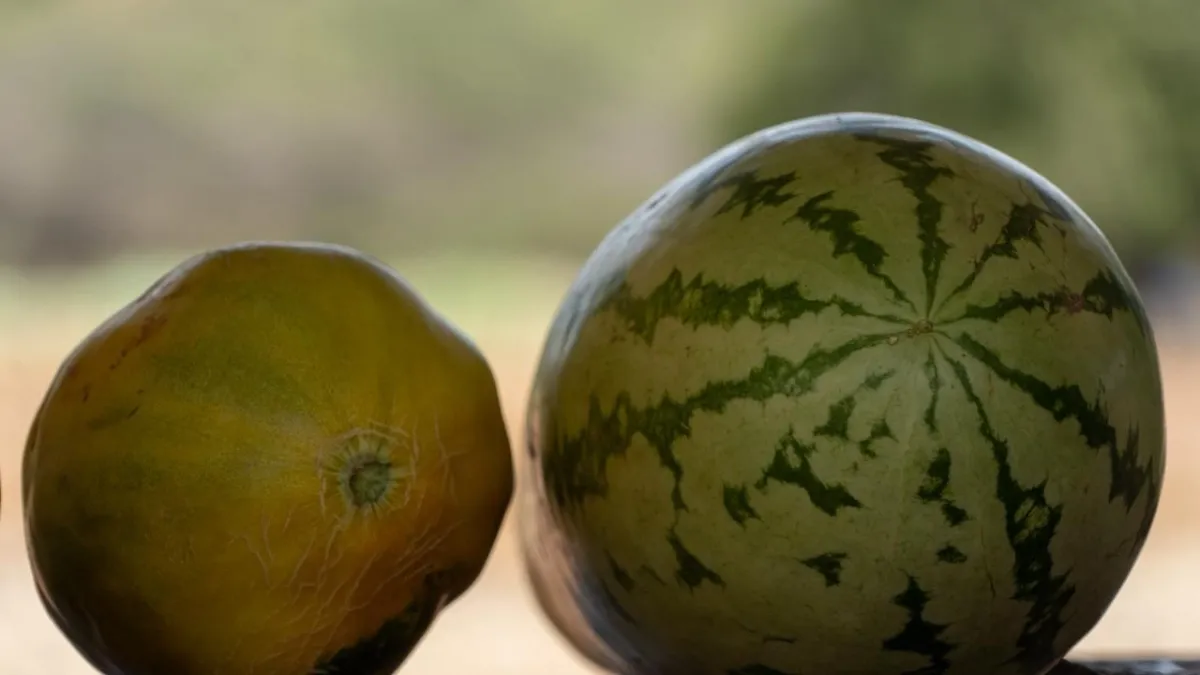
In the arid heart of Colombia’s La Guajira department, a quiet revolution is unfolding atop the remnants of one of the world’s largest open-pit coal mines. Where heavy machinery once scraped the earth to fuel global energy demands, the Cerrejón mine is now hosting an unlikely experiment: the "Manantial Experimental Farm." This five-hectare laboratory is currently producing bountiful harvests of corn, beans, watermelon, melon, squash, and sorghum, signaling a potential shift in how post-mining landscapes can be repurposed for the benefit of local communities and the environment.
The Core Objective: Reimagining the Post-Mining Landscape
For decades, the extraction of coal has been the defining economic force of this region. However, as the global energy transition accelerates and the eventual closure of mining operations becomes a matter of "when" rather than "if," the question of what happens to these vast, disturbed territories has gained urgency.
The Manantial Experimental Farm is not merely a garden; it is a critical research hub designed to answer a fundamental question: Can land once scarred by industrial mining be returned to a state of agricultural productivity that is both sustainable and beneficial to local populations?

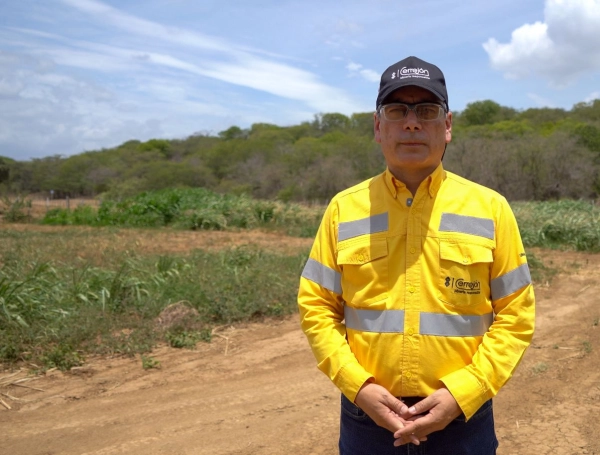
Juan Pablo Lozano, Cerrejón’s Manager of Environmental Management, emphasizes that the company’s vision goes beyond simple environmental restoration. "We are investigating the capacity of these rehabilitated areas to be productive. Our goal is to hand over to the Colombian State not just land that has been ecologically restored, but also a wealth of technical knowledge regarding its productive potential," Lozano explains.
A Chronology of Rehabilitation: From Excavation to Cultivation
To understand the current success of the Manantial project, one must look back at the rigorous, decades-long process of land management implemented by the company. The secret to the current agricultural success lies in a practice that begins long before the first shovel of coal is removed: the preservation of topsoil.
- The Pre-Extraction Phase: Recognizing that organic topsoil is a non-renewable resource that takes millennia to form, Cerrejón identifies the depth of fertile layers before mining begins. This soil is carefully stripped and stored in specialized banks, ensuring it remains viable for future use.
- Decades of Preservation: Over the last 30 years, the company has managed more than 45 million cubic meters of topsoil, distributed across 30 storage sites adjacent to mining zones. To date, 15 million cubic meters have been successfully reintroduced to rehabilitated sites.
- The Restoration Lifecycle: Once mining ends in a specific sector, the landscape undergoes a transformation. The terrain is re-contoured to reduce steep slopes, preventing erosion from the intense tropical rains. Following this, a 30-centimeter layer of fertile topsoil is applied. Initially, native grasses are sown to stabilize the ground, followed by the systematic introduction of native trees.
- The Current Experimental Phase: With more than 5,400 hectares currently in various stages of rehabilitation, the Manantial Farm was launched two years ago as a three-year pilot study to bridge the gap between ecological restoration and agricultural viability.
Supporting Data: Proving Productivity Through Science
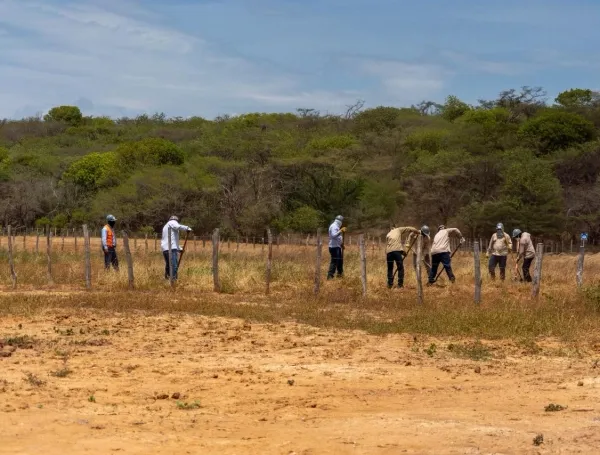
The farm is structured as a series of controlled plots, each managed under the same climatic constraints faced by rural communities in La Guajira. The data generated during the first year of operation has been striking.
Elkin Arciniegas, the technical lead of the project and an analyst of plant cover, reports that a single hectare yielded 4.5 tons of food, including corn, beans, watermelon, and squash. "Everything we have planted has thrived," says Lozano, noting that these figures prove that with proper soil management, high yields are achievable even on land that was previously deemed "industrial waste."
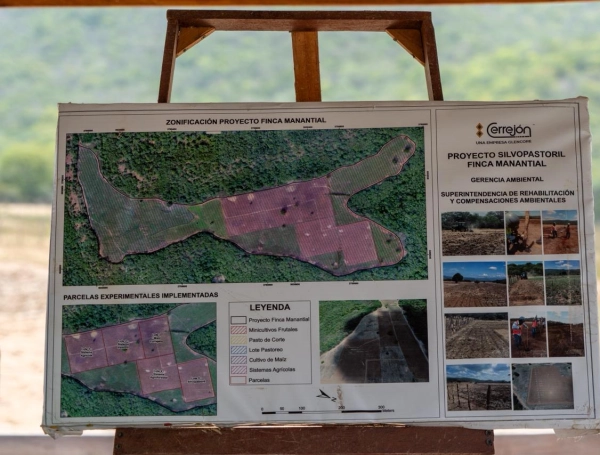
The research is not random; it is highly targeted. The team is currently evaluating the performance of diverse grass varieties—such as Mombasa, Tanzania, Guinea, Buffel, and Miyagi—to identify which species offer the highest resilience in the face of La Guajira’s erratic climate, characterized by long, punishing droughts and short, intense rainy seasons between September and December.
Official Responses and Community Integration
The success of the Manantial Farm did not happen in a vacuum. Before the first seed was planted, Cerrejón spent nearly a decade engaging with five neighboring communities. This period of consultation was vital for understanding local agricultural practices, identifying systemic problems such as soil compaction or harmful agricultural burning, and pinpointing which crops were most culturally and economically significant to the locals.
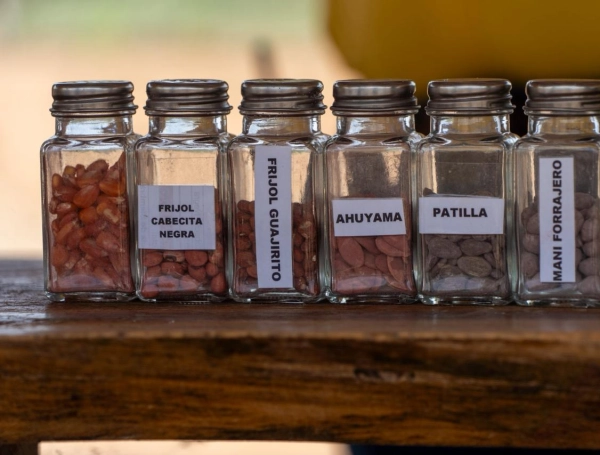
By aligning their research with the needs of the community, Cerrejón is creating a model that is inherently more likely to be adopted and sustained once the land is returned to the state. The project is now moving into its next, highly anticipated phase: the integration of livestock.
Construction is underway for an "aprisco" (a sheep and goat pen) designed for semi-stabled management. The researchers aim to determine the precise "carrying capacity" of the rehabilitated land—how many animals can graze per hectare without causing soil degradation—and how the manure can be integrated into the soil to boost fertility.

Implications for the Future of La Guajira
The broader implications of this project are profound. When mining operations at Cerrejón eventually cease, the stewardship of these lands will revert to the Colombian government. The current legal and environmental frameworks generally focus on the reforestation of these areas to restore biodiversity. However, the socio-economic reality of La Guajira is that many families depend on subsistence farming and livestock.
By generating a robust body of technical evidence, Cerrejón is providing the state with a roadmap. This data will allow future administrators to make informed decisions: identifying which areas are best reserved strictly for conservation, and which areas have the capacity to support sustainable agricultural activities that could bolster regional food security.
Navigating the Climate Challenge
The central challenge remains the climate. La Guajira is one of the most water-stressed regions in Colombia. The farm’s ability to produce food is currently a testament to rigorous soil management, but its long-term viability depends on finding crops and systems that can survive the intensifying drought cycles of the 21st century.
The researchers are constantly monitoring the soil’s water retention and the resilience of the crops. By testing a variety of native and hardy species, they are developing a "menu" of options for local farmers. The goal is to move away from intensive, resource-heavy agriculture and toward a model that works in harmony with the tropical dry forest ecosystem.

A New Horizon: From Coal to Food
Standing in the middle of the Manantial Farm, it is difficult to reconcile the lush, green surroundings with the fact that, just two decades ago, this was a barren dumping ground for mining waste. The transformation is a powerful visual reminder of the capacity for human ingenuity to reverse industrial damage when sufficient resources and time are dedicated to the task.
As the experiment enters its final year of the current pilot, the evidence continues to stack up. While the coal industry has long been the target of environmental criticism, projects like this suggest that the end of mining does not have to mean the end of productivity for the land.

"We are proving that the land that once produced coal can, with the right approach, also produce food," says Lozano. Whether these results can be scaled to support the thousands of hectares that will eventually be returned to the state remains to be seen, but the Manantial Experimental Farm has established a vital precedent. It has transformed the narrative from one of permanent destruction to one of potential renewal, offering a glimmer of hope for a sustainable future for the people of La Guajira.
In the final assessment, the success of this initiative will be measured not by the amount of coal once extracted, but by the tons of food that the land can produce for generations to come. The laboratory in the desert is still writing its story, but for now, the evidence is clear: life is returning to the mines, one harvest at a time.