In the modern era, the "digital disconnect" that once defined air travel—the period between takeoff and landing when passengers were severed from the digital world—is rapidly becoming a relic of the past. As airlines worldwide race to redefine the inflight experience, satellite internet, specifically the Starlink constellation developed by SpaceX, has emerged as the gold standard for connectivity. This technological shift is not merely a convenience; it is a fundamental transformation of the cabin environment, turning aircraft into high-speed hubs of productivity and entertainment at 35,000 feet.
The New Frontier of Inflight Connectivity
For decades, inflight Wi-Fi was synonymous with frustration. Legacy air-to-ground systems were often slow, expensive, and prone to dropouts, rendering them useless for anything beyond basic email. Today, the integration of low-earth orbit (LEO) satellite technology is changing the narrative. Unlike traditional geostationary satellites, which are located thousands of miles away and introduce significant latency, LEO constellations orbit much closer to Earth, enabling speeds and reliability that mirror terrestrial broadband.
The demand is clear: passengers now expect the same seamless connectivity in the air that they enjoy in their offices or homes. Whether it is streaming 4K content, participating in high-definition video conferences, or keeping up with real-time stock market shifts, the "connected cabin" is no longer a luxury—it is an expected baseline for premium and economy travelers alike.
Chronology of a Digital Takeover
The adoption of high-speed satellite internet by major carriers has followed a rapid, calculated trajectory:
- Mid-2024: Emirates marks a significant milestone in its digital strategy by launching Starlink connectivity on its fleet, aiming to bridge the gap for long-haul passengers.
- Late 2024: As the service matures, Emirates reports massive data consumption, with passenger usage hitting the one-petabyte milestone within seven months of deployment.
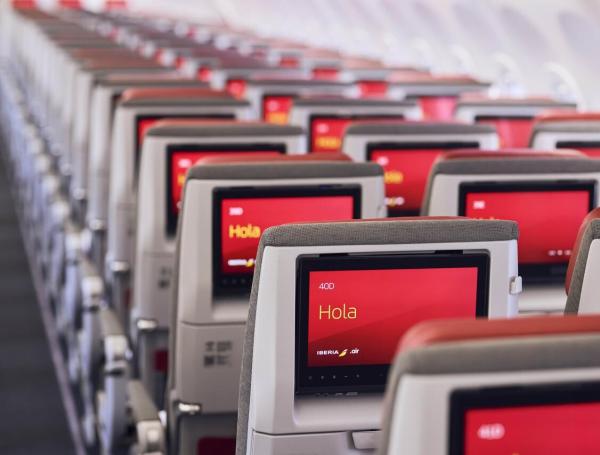
- Early 2025: Iberia, the flag carrier of Spain, officially joins the movement, performing its inaugural flight with Starlink-enabled hardware on the high-demand Madrid to São Paulo route.
- Mid-2025: Strategic plans like the IAG Group’s "Flight Plan 2030" are solidified, highlighting a multi-billion-euro commitment to fleet modernization where connectivity is a central pillar.
- Current Status (2026): Both airlines are accelerating installation schedules, transforming the passenger experience across dozens of daily long-haul routes.
Emirates and the One-Petabyte Benchmark
Emirates has positioned itself at the forefront of this digital revolution. The airline’s decision to offer the service free of charge to all passengers has acted as a catalyst for adoption. The figures are staggering: in just over half a year, Emirates passengers collectively consumed over one petabyte (1,000 terabytes) of data.
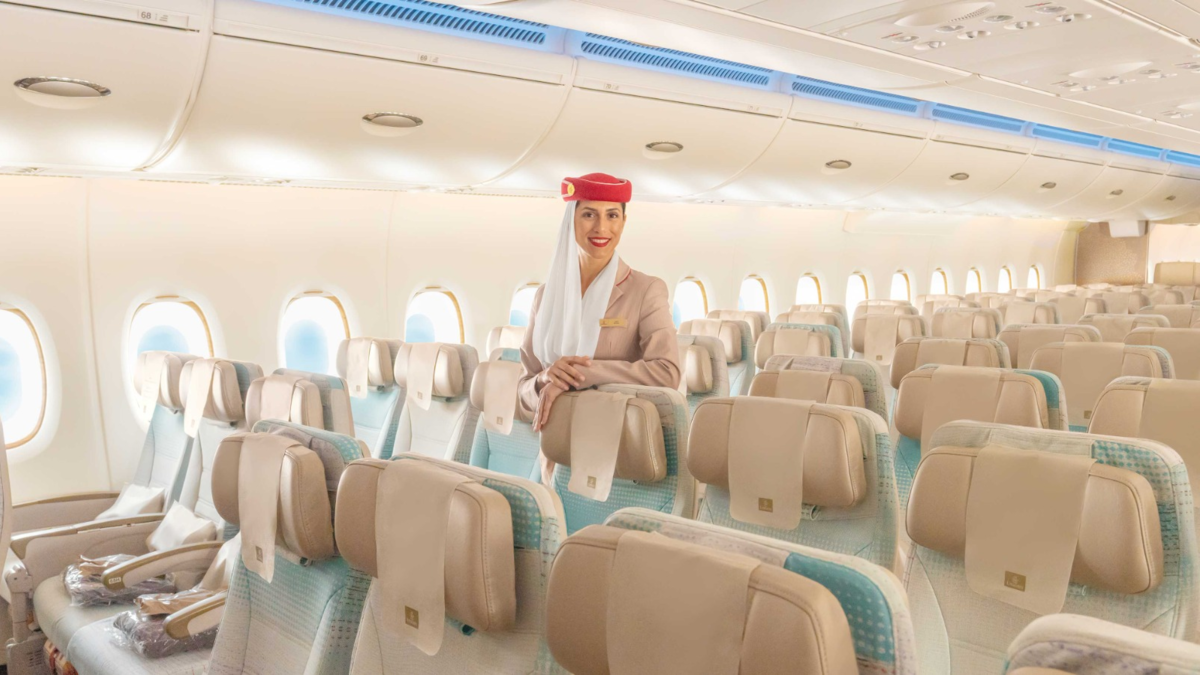
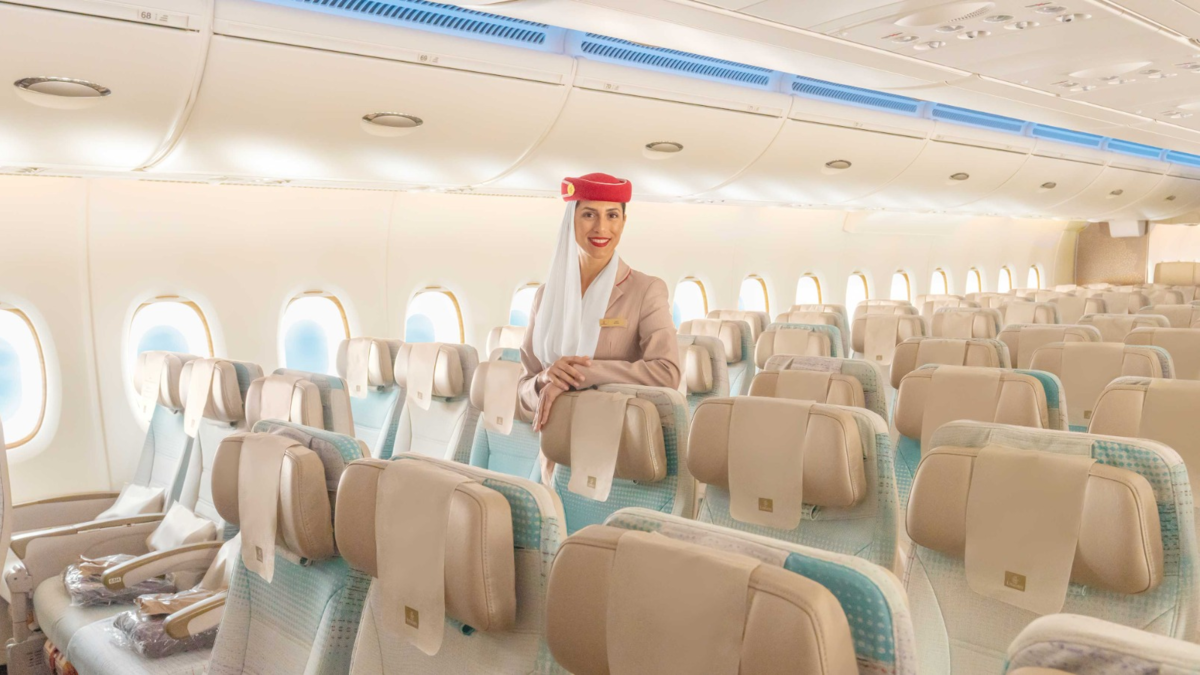
This usage data reveals a shift in inflight behavior. While legacy systems were used primarily for text-based messaging, Starlink has enabled heavy-bandwidth activities. "We are seeing passengers treating the aircraft like a mobile office or a living room," says a spokesperson for the carrier. With 36 aircraft currently equipped—comprising 33 Boeing 777s and three Airbus A380s—and over 60 daily flights featuring the service, the airline’s commitment is absolute. The goal is clear: to eliminate the digital boundaries of international travel.

Iberia’s Strategic Investment in the "Flight Plan 2030"
Iberia’s approach is equally ambitious but tied to a broader corporate transformation. As part of the International Airlines Group (IAG), Iberia is executing its "Flight Plan 2030," a comprehensive strategy that earmarks 6,000 million euros for fleet renewal, cabin innovation, and digital infrastructure.
The deployment of Starlink is a cornerstone of this investment. By offering speeds of up to 500 Mbps, Iberia is moving to eliminate the "dead zones" of long-haul travel. The ability for multiple users to simultaneously stream and conduct video calls without degradation is a major selling point for business travelers. For Iberia, this is not just about keeping passengers happy; it is about maintaining a competitive edge in the high-stakes transatlantic and South American markets.
Supporting Data: The Mechanics of the Shift
To understand why this change is occurring now, one must look at the technical specifications of LEO satellite arrays.
| Feature | Legacy Systems | Starlink (LEO) |
|---|---|---|
| Latency | 600ms – 1000ms | 20ms – 40ms |
| Bandwidth | 1 – 10 Mbps | Up to 500 Mbps |
| Reliability | Susceptible to weather/fading | High; dense satellite coverage |
| User Experience | Text & Basic Browsing | Streaming, Gaming, Remote Work |
The reduction in latency is the most critical factor. High latency is the "enemy" of real-time communication; it is what causes the lag in Zoom calls or the buffering in live video. By utilizing a dense network of satellites, the signal path is drastically shortened, allowing for a "real-time" experience that feels native to the user’s device.
Official Responses and Corporate Strategy
Executives from both airlines have framed this transition as a response to the "always-on" nature of modern life.
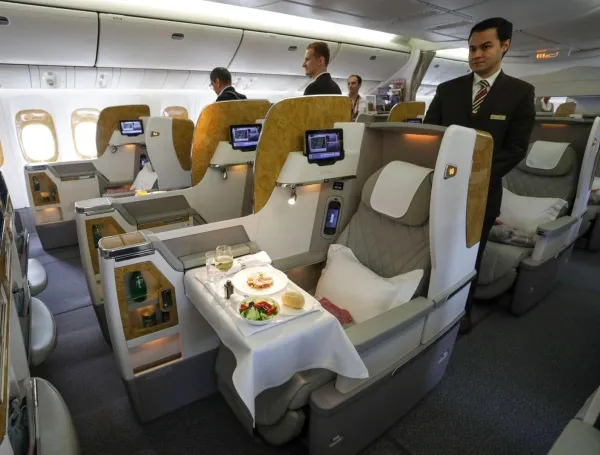
Emirates has integrated this technology into a wider $2 billion cabin retrofit program. Beyond the internet, this involves refreshing the iconic ICE (Information, Communication, Entertainment) system. By blending the proprietary ICE platform with the open-web capabilities of Starlink, Emirates creates a dual-layer entertainment environment.
Iberia’s leadership has emphasized that the connectivity is not a "bolt-on" feature but a core part of their service design. "We are investing in the passenger’s time," stated an IAG representative during the announcement of their first Starlink-equipped flight. The focus is on consistency—ensuring that the transition from the airport lounge to the cabin and finally to the destination is seamless.
Implications for the Aviation Industry
The widespread adoption of satellite internet will have ripple effects across the entire travel ecosystem:
1. The Death of the "Inflight Entertainment" Monopoly
For years, airlines have spent millions on seat-back screens and proprietary content libraries. While these remain popular, the rise of high-speed Wi-Fi means passengers are increasingly bringing their own content (BYOC). Airlines must now decide whether to keep investing in heavy, expensive hardware for entertainment or pivot to providing the infrastructure that allows passengers to stream their own Netflix or Disney+ accounts.

2. New Revenue Streams vs. Value-Add
While some airlines are charging for premium tiers of internet, the model adopted by Emirates—free access—is putting pressure on competitors. The industry is currently divided: some carriers view connectivity as a utility (like water or heat), while others view it as an ancillary revenue opportunity.
3. Operational Efficiency
Connected aircraft are also more efficient. Real-time data transmission allows for better fuel management, predictive maintenance, and updated weather routing, which ultimately reduces the carbon footprint of the flight. The benefits of a "connected sky" extend far beyond the passenger’s laptop screen.
Challenges Ahead
Despite the optimism, significant hurdles remain. The hardware required—phased-array antennas capable of tracking satellites while traveling at 900 km/h—is expensive and complex to install. Retrofitting an entire fleet is a logistical nightmare that requires taking aircraft out of service for extended periods. Furthermore, as more passengers connect, bandwidth management will become a critical challenge to prevent network congestion.

Conclusion: The Future is Connected
As we look toward the end of the decade, the concept of being "offline" while flying will likely seem as antiquated as smoking in the cabin. The partnerships between airlines and satellite providers like SpaceX are paving the way for a future where the airplane is simply an extension of the passenger’s home or office.
Whether it is the millionth connection celebrated by Emirates or the debut flight of Iberia’s modernized fleet, the message is clear: the era of the connected passenger has arrived, and it is moving at the speed of light. For travelers, the sky is no longer the limit—it is the new workspace, the new cinema, and the new town square. As these technologies continue to mature and scale, we can expect the inflight experience to become more immersive, more productive, and, above all, more connected than ever before.