By Breaking News Journalist
Published: December 8, 2025
Updated: December 8, 2025
Main Facts: Understanding the Hidden Risks in Your Pantry Staple
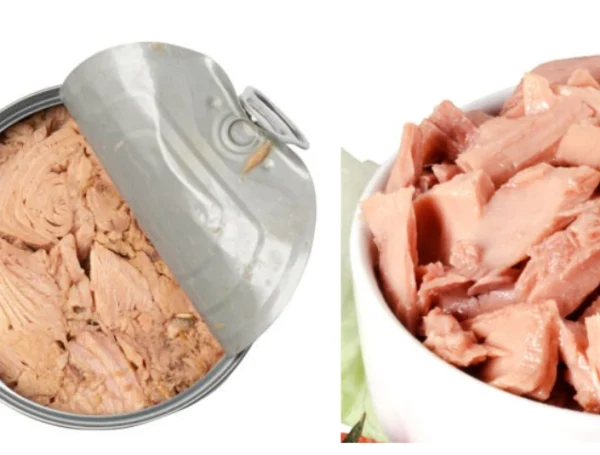
Canned fish remains a cornerstone of the modern pantry—prized for its convenience, versatility, long shelf-life, and rich profile of omega-3 fatty acids, lean protein, and essential micronutrients. However, a growing wave of consumer awareness regarding heavy metal contamination, specifically methylmercury, has transformed a routine grocery store errand into an exercise in calculated caution.

In response to widespread consumer confusion, renowned nutritionist Blanca García-Orea, widely recognized across digital platforms under her handle @blancanutri, has stepped forward to offer a practical, science-backed shopping guide. García-Orea’s primary directive centers on the careful reading of product labeling. According to the specialist, minor discrepancies in commercial terminology can mean the difference between consuming a modest amount of heavy metals or a significantly higher concentration.
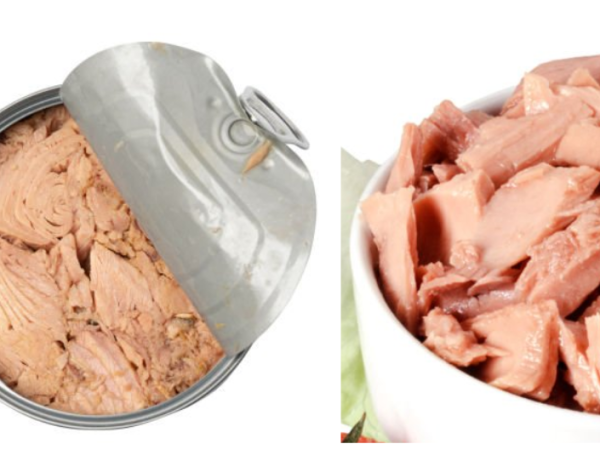
"Always choose cans of tuna whose exact denomination is simply ‘tuna’ and not ‘light tuna’ or ‘white tuna’; it is the species that contains the least heavy metals," García-Orea advised in a recent advisory post.

This simple distinction highlights a broader reality of modern marine consumption: not all canned fish is created equal. The concentration of toxins such as mercury does not depend on the canning process itself, but rather on the biological characteristics of the fish harvested—most notably, its size, position in the marine food web, and lifespan.
Chronology: The Evolution of Mercury Awareness in Commercial Fisheries
To fully understand why a simple wording change on a supermarket label matters so much, it is helpful to trace how public health agencies and nutritional scientists arrived at our current understanding of heavy metal bioaccumulation in seafood.

- Pre-2000s: For decades, canned tuna was marketed globally as a homogenous health food. While scientific communities studied heavy metal accumulation in pelagic species, public advisories were largely localized, focusing primarily on pregnant women and commercial sports fishermen consuming fresh catches.
- Mid-2000s to 2010s: Toxicological studies began drawing sharper lines between different tuna species. Researchers identified that larger, longer-living apex predators like the albacore (often sold as white tuna) or large yellowfin varieties accumulated vastly higher levels of methylmercury compared to smaller schooling fish. Health authorities, including the U.S. Food and Drug Administration (FDA) and the European Food Safety Authority (EFSA), started issuing targeted consumption advisories.
- Late 2010s to Early 2020s: Nutritional science expanded beyond academic journals and into mainstream consumer spaces. Dietitians and food safety advocates began utilizing social media to demystify complex food labels. Terms like "bioaccumulation" entered everyday vocabulary, pushing shoppers to look past front-of-package marketing claims.
- December 2025: Nutritionist Blanca García-Orea’s viral guidance crystallizes these years of research into an actionable grocery store rule of thumb: differentiating between generic "tuna" (smaller species like skipjack) and "light/white tuna" (larger species), bringing sophisticated toxicology down to a level easily understood by the average consumer in the aisle.
Supporting Data: The Science of Size, Species, and Bioaccumulation
The physiological mechanism driving mercury accumulation in marine life is a natural process known as bioaccumulation, compounded by biomagnification as one moves up the food chain. Understanding this science explains why García-Orea and international food safety bodies emphasize the size of the fish.
The Problem with Size and Longevity
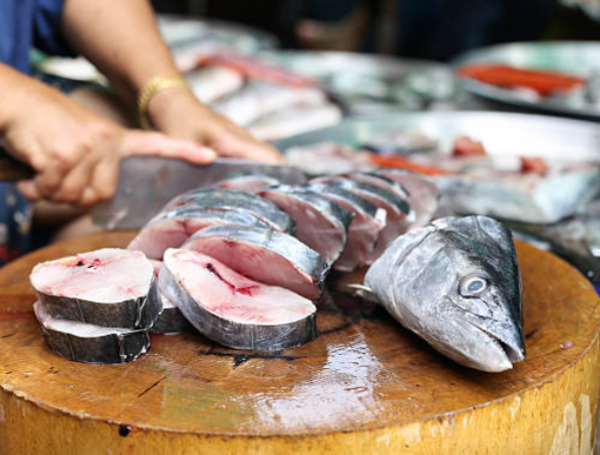
The "white tuna" or "light tuna" variants frequently sourced for gourmet or premium packs often originate from larger pelagic specimens, such as the Thunnus alalunga (albacore) or large yellowfin species, which can grow to weigh up to 200 kilograms (approximately 440 pounds). These fish are apex or near-apex predators that live for many years.
Throughout their long lifespans, they continuously ingest smaller prey that have absorbed trace amounts of mercury present naturally or via industrial pollution in ocean waters. Because mercury binds strongly to muscle tissue and cannot easily be excreted, it accumulates over time. Consequently, an older, 200-kilo tuna will carry exponentially higher concentrations of heavy metals in its flesh than a juvenile fish.
The Advantage of Smaller Species
Conversely, standard cans labeled simply as "tuna"—which predominantly feature smaller pelagic species such as the skipjack tuna (Katsuwonus pelamis)—paint a vastly different biological picture. Skipjack tuna typically weigh around 35 kilograms at maturity and have much shorter lifespans. Because they live fast and die young, they have far less time to bioaccumulate heavy metals.

Empirical science strongly supports this distinction:
- A landmark study published in the peer-reviewed journal Environmental Science and Technology analyzed mercury concentrations across various commercial tuna varieties.
- The findings revealed that white tuna varieties contained an average mercury concentration of 0.407 parts per million (ppm).
- In stark contrast, smaller, lighter market options averaged just 0.118 ppm—nearly a fourfold reduction in heavy metal exposure per serving.
Official Responses and Regulatory Guidance
Global health and food safety institutions have long monitored the risks associated with heavy metal ingestion through seafood. While fish remains an irreplaceable source of high-biological-value protein and essential fatty acids, regulatory bodies stress the need for strategic moderation.
The European Food Safety Authority (EFSA) has repeatedly issued formal risk assessments regarding dietary exposure to methylmercury. The agency emphasizes that while the general adult population can process modest amounts of heavy metals without acute adverse effects, vulnerable groups—specifically pregnant women, nursing mothers, and young children—face heightened neurological risks. Developing nervous systems are exceptionally sensitive to methylmercury, making dietary selection a critical public health priority.
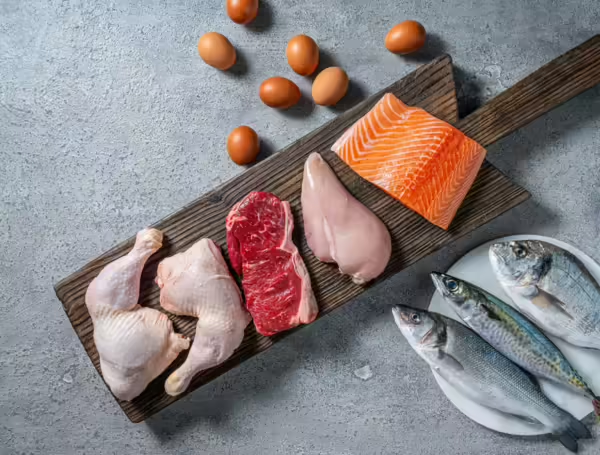
Similarly, international nutritional guidelines advocate for balancing the cardiovascular benefits of omega-3 fatty acids against the potential toxicological drawbacks of eating large predatory fish too frequently. Rather than eliminating seafood entirely, health authorities champion a "smart selection" approach: enjoying fish regularly while consciously pivoting toward smaller, low-tropic-level species.
Implications: Practical Dietary Habits and Safer Alternatives
Translating toxicological data and expert advice into a sustainable weekly routine requires looking beyond the fish itself and examining packaging and complementary protein sources.
Frequency and Packaging Considerations
According to Blanca García-Orea, even when selecting the correct species of canned tuna, moderation remains key. "The ideal is to consume no more than one or two cans of tuna a week," she advises.

Furthermore, health-conscious consumers should pay attention to what the fish is packed in. García-Orea recommends opting for conservas packaged in glass containers whenever possible. Glass packaging eliminates the risk of trace metals or chemical plasticizers (such as BPA or related compounds sometimes found in metal can linings) leaching into the food during the preservation and sterilization process.
Expanding Your Horizons: Other Low-Mercury Blue Fish
For households looking to diversify their protein sources while keeping heavy metal exposure to an absolute minimum, nutritionists suggest exploring alternative oily fish (pescado azul). Because these species occupy lower rungs of the marine food chain and boast small physical dimensions, their natural toxic load is virtually negligible. Outstanding alternatives for regular consumption include:

- Sardines (Sardina pilchardus): Exceptionally rich in calcium (when bones are consumed), vitamin D, and omega-3s, sardines are small schooling fish with extremely low mercury profiles.
- Mackerel (Scomber scombrus): Offering a robust flavor profile and high healthy-fat content, smaller mackerel varieties are a sustainable and safe dietary addition.
- Anchovies (Engraulis encrasicolus): Packed with flavor and nutrients, these tiny fish deliver all the cardiovascular advantages of marine lipids without the high-tropic accumulation risks of larger predators.
By combining careful label reading—distinguishing between generic "tuna" and large-species "white" or "light" options—with mindful portion control and alternative small fish, consumers can continue to enjoy the immense nutritional rewards of the sea safely and sustainably.
This article was developed with the assistance of AI tools and meticulously reviewed, fact-checked, and edited by a professional journalist.