By María Alejandra Moreno Flórez
Economic Correspondent
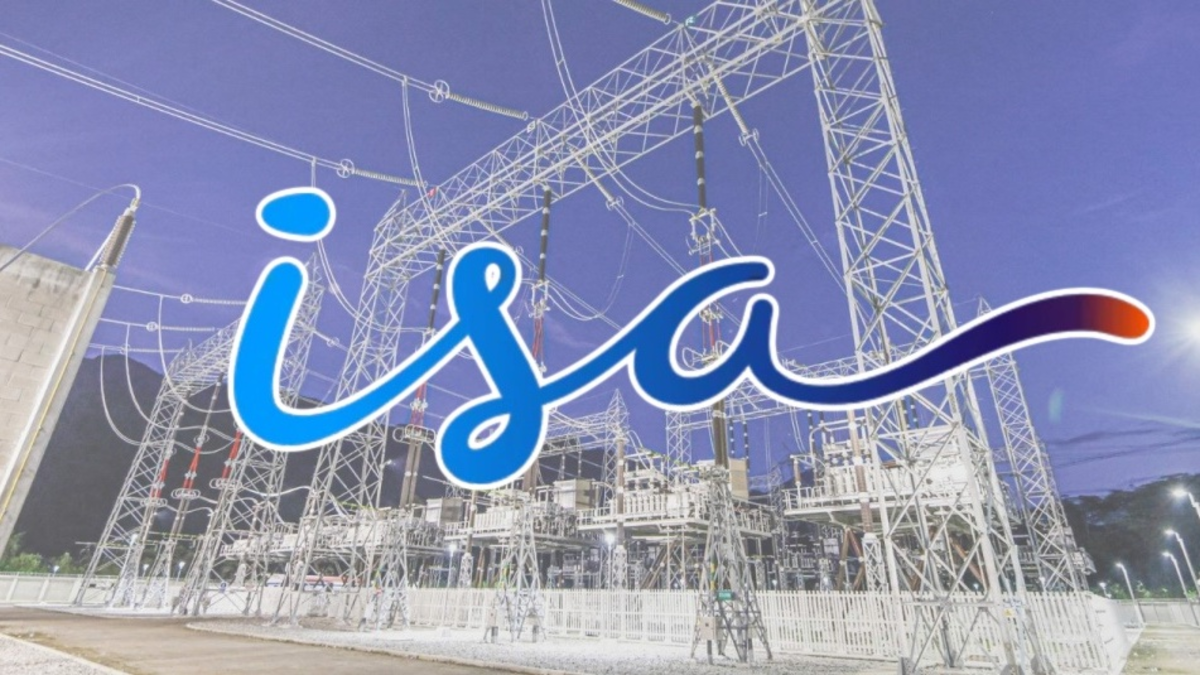
In a landscape defined by both aggressive expansion and volatile global financial conditions, ISA (Interconexión Eléctrica S.A.), the Medellín-based energy infrastructure giant, has presented a complex financial portrait for the first nine months of 2026. While the company continues to solidify its position as a cornerstone of Latin American energy development through record-breaking investment levels and operational upgrades, the bottom line has felt the strain of macroeconomic pressure and unfavorable currency fluctuations.
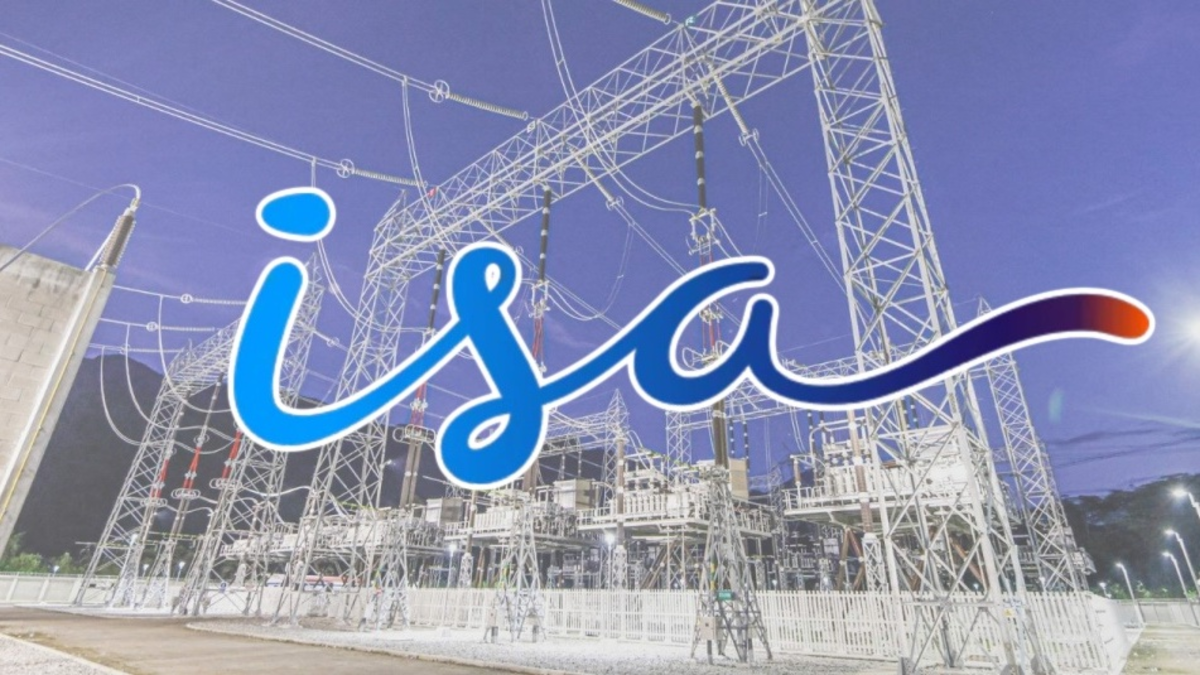
The company’s report for the period ending September 2026 highlights a fundamental dichotomy: while the "engine" of the business—the core operations—is performing better than ever, the final net profit was unable to escape the gravity of external financial variables.
Main Facts: A Tale of Two Indicators
For the first three quarters of 2026, ISA reported a net profit of 1.8 trillion Colombian pesos (COP), representing a 3% contraction compared to the same period in 2025. At first glance, this decline might signal a slowdown; however, a deeper analysis of the company’s operating metrics reveals a different story.

The EBITDA (Earnings Before Interest, Taxes, Depreciation, and Amortization), which serves as the most accurate barometer of operational health, climbed to 7.1 trillion COP, marking an 8% increase year-on-year. This growth trajectory is the direct result of three primary catalysts:
- Contractual Inflation Adjustments: ISA’s revenue streams are largely protected by long-term contracts that index earnings to inflation, ensuring that the company maintains its purchasing power despite rising costs.
- Infrastructure Expansion: Increased utility derived from active construction projects has bolstered revenue.
- Strategic Consolidation: The full acquisition and consolidation of IE Madeira, in which ISA now holds a 100% stake, has proven to be a strategic masterstroke, providing a significant boost to the company’s consolidated earnings.
Despite these operational gains, the net profit was hindered by a combination of high financial expenses and the "conversion effect." As a multinational entity, ISA must report its consolidated results in Colombian pesos. The relative strength of the peso against several regional currencies—such as the Brazilian Real or the Chilean Peso—meant that when foreign earnings were converted back into the domestic currency, the final figures appeared diminished, even if the underlying local performance remained strong.

Chronology of Execution: A Record-Breaking Year of Investment
ISA’s commitment to capital expenditure (CAPEX) has reached an unprecedented pace. Between January and September 2026, the company invested 5.2 trillion COP, an increase of 19% compared to the same timeframe in 2025.
The rhythm of this investment underscores the company’s aggressive growth strategy:

- The Q3 Surge: Of the 5.2 trillion COP invested in the first nine months, a staggering 2.1 trillion COP was deployed in the third quarter alone. This accounts for roughly 40% of the year-to-date total, demonstrating that the company is accelerating its infrastructure development rather than winding down.
- 2025 Milestones: The groundwork for current performance was laid by projects such as the Riacho Grande transmission line in Brazil and the Copey-Cuestecitas project in Colombia, both of which became fully operational in 2025.
- 2026 Progress: The current year has seen the integration of the Piraquê and Jacarandá projects, alongside vital reinforcements to the Brazilian electrical grid, ensuring that the existing network remains resilient against increasing demand.
Supporting Data: Strategic Expansion and Operational Efficiency
The data suggests that ISA is not merely maintaining its assets but is actively expanding its footprint across the continent. Between January and September 2026, the company successfully secured new contracts and closed transactions valued at approximately 2.7 billion USD (roughly 9.5 trillion COP).
Key Projects and Operational Enhancements:
- IE Madeira: The full acquisition of this asset has integrated a vital power transmission hub into ISA’s portfolio, cementing their dominance in the Brazilian energy market.
- Ruta de los Lagos (Chile): This win represents a strategic move into cross-border connectivity, strengthening the company’s influence in the Southern Cone.
- Colombia’s Urgent Upgrades: In the domestic market, ISA invested 29.6 million USD in modernizing the Betania substation in Huila and relocating Smartvalves in the Termoguajira substation. These are not merely capital costs; they are efficiency plays designed to improve the reliability and security of the grid.
- Brazilian Grid Resilience: Across the border in Brazil, 13 distinct improvement projects were completed, totaling 81 million USD. These interventions are critical for preventing blackouts and managing the energy transition as the country integrates more variable renewable energy sources.
The ROAE (Return on Average Equity) stood at a healthy 13.5% as of September, a testament to the company’s ability to generate returns even in a high-interest-rate environment.

Official Responses: Navigating Toward the Future
Olga Patricia Castaño, the acting President of ISA, struck a tone of measured optimism during the presentation of the results. While acknowledging the challenges posed by the macroeconomic environment, she emphasized the company’s long-term resilience.
"These results allow us to advance with confidence," Castaño stated. "We are strengthening the company by increasing our capacity to capture new opportunities, anticipating the inevitable transformations in the energy sector, and maintaining our leadership in the development of the infrastructure that Latin America will require for the coming decades."

Castaño’s comments highlight a shift in corporate strategy: ISA is positioning itself not just as a power transmitter, but as a technological partner for governments and private entities, using "Smart" infrastructure to manage the volatility of modern power grids.
Implications: The Road Ahead for ISA
The "mixed" nature of these results—rising operations but pressured net income—carries several implications for investors and the energy sector at large.

1. The Currency Risk Factor
ISA’s reliance on multiple currencies creates a permanent exposure to volatility. While the current strength of the Colombian peso has penalized the reported net profit, this is a transient accounting effect. If regional currencies stabilize, the underlying operational strength currently being masked by exchange rates will likely manifest in a stronger bottom line.
2. High CAPEX as a Future Dividend
The 19% increase in investment is a clear signal that the board of directors is prioritizing long-term growth over immediate cash distributions. By investing heavily in the third quarter, the company is effectively building a larger revenue base for 2027 and beyond. The market will be watching closely to see if these new projects yield the anticipated internal rates of return (IRR).

3. Resilience in a Volatile World
The fact that ISA managed to increase its EBITDA by 8% while dealing with both inflation and currency headwinds speaks to the defensive nature of the transmission business. Unlike generation companies, which can be affected by weather patterns or fuel prices, transmission operators like ISA benefit from a model that is essentially an "energy toll road." As long as the demand for electricity grows—driven by industrialization and digitalization—the need for ISA’s infrastructure remains inelastic.
4. Market Leadership
The successful adjudication of 2.7 billion USD in new business suggests that ISA remains the "partner of choice" for large-scale energy projects in Latin America. Despite competition from international players, ISA’s deep knowledge of the regulatory landscapes in Brazil, Chile, and Colombia continues to be its greatest competitive advantage.

Conclusion
As 2026 draws to a close, ISA remains a company in transition. It is successfully scaling its infrastructure and operational capacity, even as the global macroeconomic environment creates a "drag" on its financial reporting. For stakeholders, the takeaway is clear: the underlying machine is functioning at peak efficiency, and the company is effectively planting the seeds for future growth. The current 3% dip in net profit is likely a temporary hurdle in what appears to be a much larger, multi-year expansion story for the Latin American energy giant.