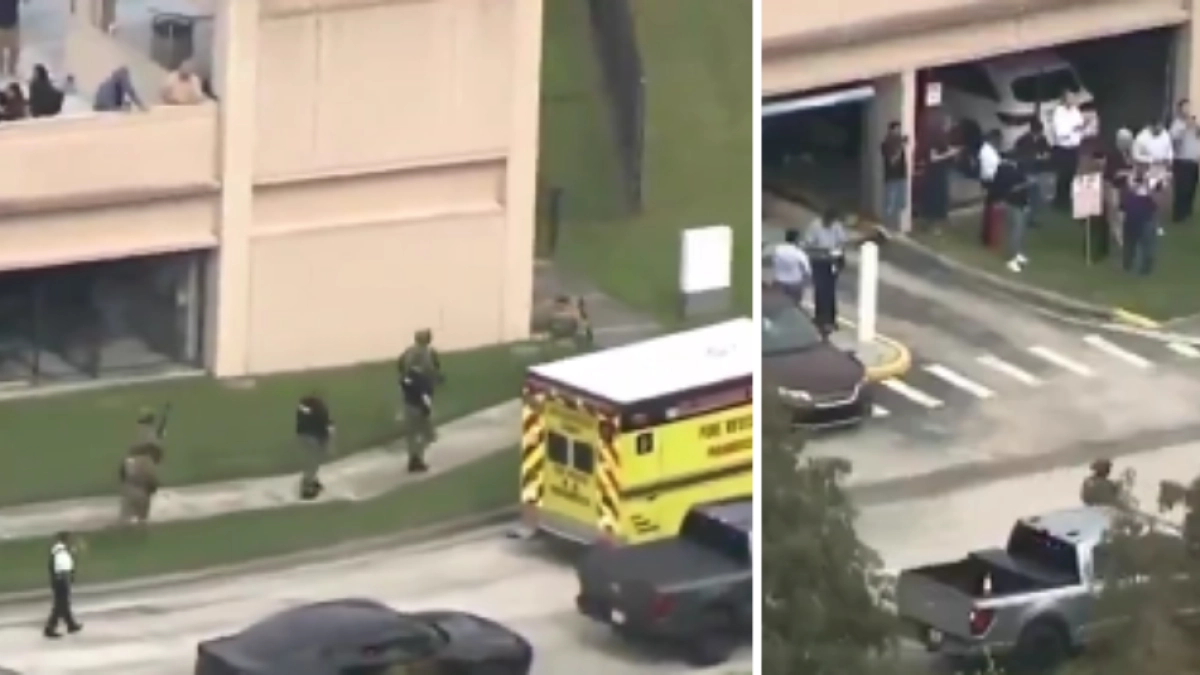
FLORIDA, UNITED STATES — In a grim addition to the relentless chronicle of American gun violence, a high-casualty shooting unfolded on the afternoon of Wednesday, November 4, 2026, in the immediate vicinity of a prominent Citibank building in Florida. The violent episode, which has profoundly shaken local residents and corporate employees alike, left at least two people dead—including the gunman—and multiple others wounded.
The incident has once again turned the spotlight on the pervasive threat of active shooters in commercial zones, the rapid response protocols of private security and local law enforcement, and the ongoing, polarized legislative battle surrounding firearm access in the United States.
Main Facts: What We Know About the Florida Shooting
The incident erupted during the busy afternoon hours near the corporate offices. According to preliminary reports released by local law enforcement and verified through eyewitness accounts, an assailant armed with a high-powered rifle began indiscriminately firing at individuals moving through the plaza and near the entrance of the financial institution.
- The Casualties: Initial reports and developing updates confirm that at least one civilian—a woman—was killed during the onslaught. Several other individuals, numbering at least four according to first responders, sustained varying degrees of gunshot wounds and were swiftly transported to regional medical facilities for emergency treatment.
- The Assailant: The suspected shooter, whose identity has been withheld pending formal notification of next of kin and further forensic investigation, did not survive the encounter. Confronted by armed resistance at the scene, the gunman was neutralized and ultimately abatido (killed) by security personnel and responding police officers.
- The Weaponry: Law enforcement sources confirmed that the attacker was equipped with a rifle, a weapon type frequently associated with high-fatality outcomes in mass shooting incidents across the country due to its ballistic velocity and capacity for rapid, sustained fire.
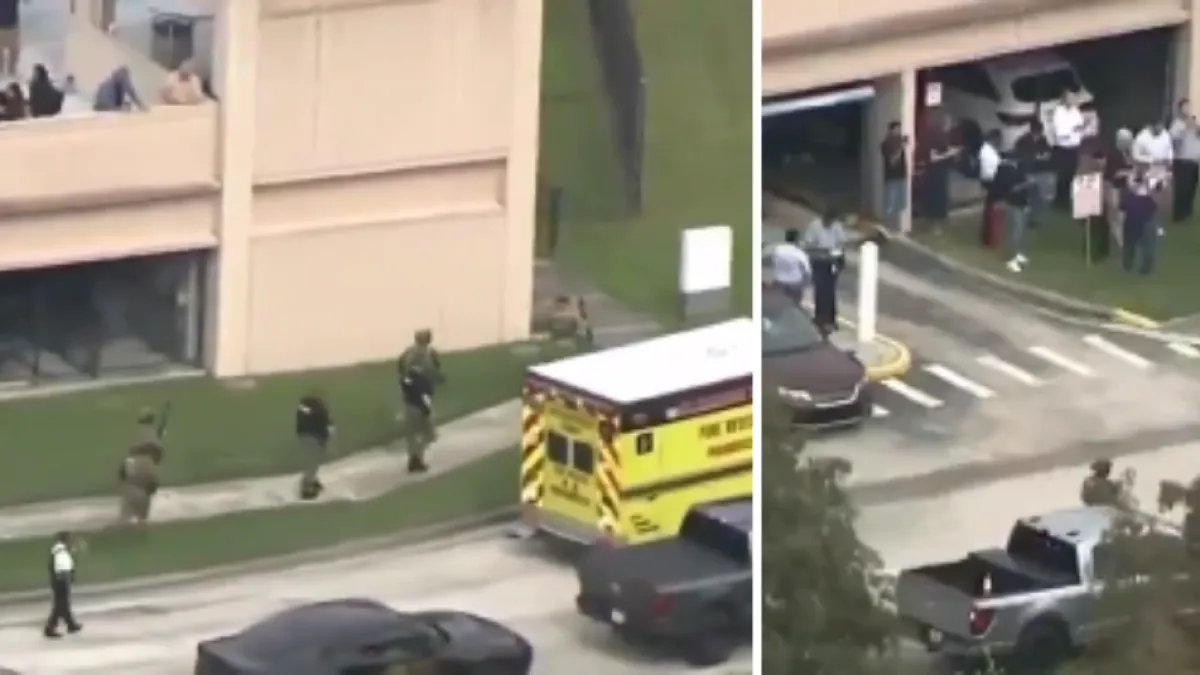
- The Location: The vicinity of the Citibank building, typically a bustling hub of financial commerce, professional foot traffic, and daily commuting, was swiftly transformed into an active crime scene cordoned off by tactical units, crime scene investigators, and emergency medical vehicles.
Chronology of Terror: A Timeline of the Events
Reconstructing the timeline of Wednesday afternoon’s events is critical for understanding both the velocity of the threat and the efficiency of the response that likely prevented an even higher death toll.
1. The Opening Shots (Approx. Mid-Afternoon, Nov. 4, 2026)
The attack began without warning in the outdoor spaces adjacent to the Citibank facility. Armed with a rifle, the suspect took up a vantage point and began opening fire. The sudden succession of gunshots triggered immediate panic among pedestrians, employees leaving their shifts, and drivers passing through the commercial district. Calls to emergency dispatch services (911) surged within minutes as survivors sought cover inside nearby corporate towers and retail storefronts.
2. Immediate Tactical Response and Security Intervention
As chaos erupted on the pavement, the built-in security architecture of the corporate area was put to an immediate test. According to preliminary incident summaries, an armed security guard stationed at or near the building engaged the active shooter. This intervention was pivotal in disrupting the assailant’s trajectory and mitigating further loss of life.
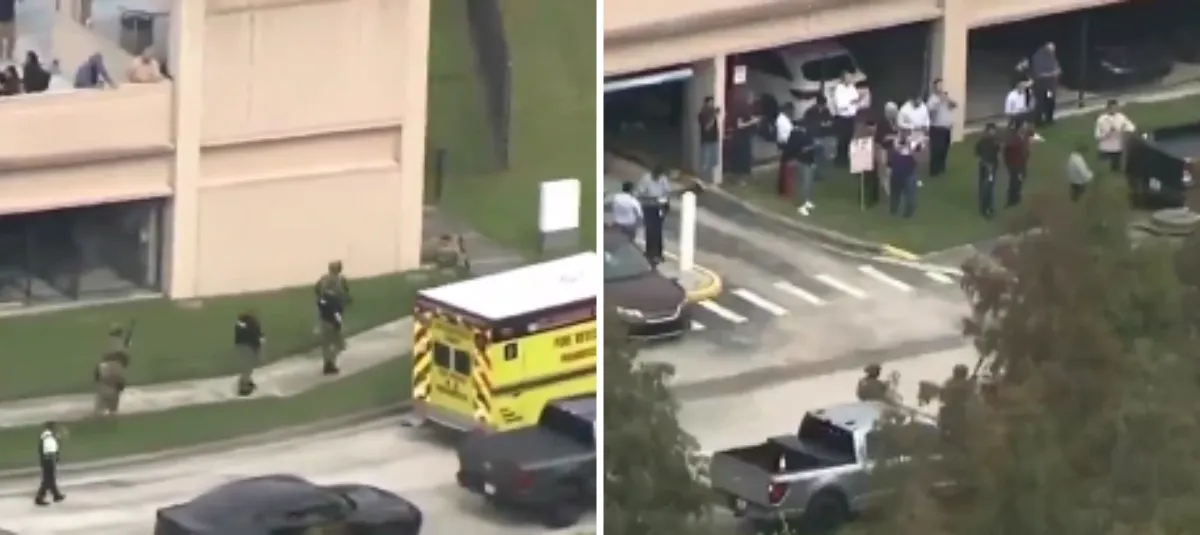
3. Law Enforcement Lockdown and Medical Triage
Within minutes of the initial 911 calls, local law enforcement agencies, accompanied by tactical response teams and emergency medical services, flooded the sector. Streets surrounding the Citibank building were locked down to secure the perimeter. Paramedics established a triage zone to stabilize the wounded—who suffered from critical ballistic trauma—before rushing them to nearby trauma centers.
4. Neutralization of the Suspect
During the unfolding tactical operation, the armed assailant was engaged by responding law enforcement and security personnel. The suspect was fatally shot at the scene. Once the immediate threat was neutralized, bomb squads and forensic teams initiated sweeps of the area to check for secondary explosive devices and to preserve ballistic evidence.
Supporting Data: The Anatomy of Modern American Gun Violence
To fully contextualize the tragedy at the Florida Citibank building, it is essential to examine the broader empirical landscape of firearm violence in the United States. The 2026 incident is not an isolated anomaly, but rather part of a systemic pattern that public health experts and criminologists have tracked for decades.

Frequency and Lethality of Active Shooter Incidents
Data compiled by organizations such as the Gun Violence Archive and federal law enforcement agencies consistently demonstrate that active shooter situations in commercial and semi-public spaces share distinct characteristics:
- The Element of Surprise: The vast majority of mass casualty attacks begin abruptly, leaving victims with mere seconds to react, seek cover, or escape.
- The Role of Semi-Automatic Rifles: Rifles, while accounting for a smaller percentage of overall homicides compared to handguns, are disproportionately utilized in high-profile mass shootings due to their lethal efficiency at intermediate ranges.
- Response Windows: Criminological studies emphasize that active shooter events are often over within minutes—frequently before traditional police units can arrive. Consequently, the presence of trained armed security or quick-reaction law enforcement on or near the premises is often the single most deterministic factor in curtailing rising death tolls.
Economic and Social Disruption
Beyond the immediate human cost—the grief of bereaved families and the long-term physical and psychological rehabilitation required by survivors—incidents like the Florida shooting inflict profound localized trauma. Business districts experience temporary shutdowns, employees face heightened anxiety regarding workplace safety, and local healthcare infrastructures are severely tested by sudden influxes of critical trauma patients.
Official Responses and Public Reactions
In the immediate aftermath of the shooting, federal, state, and local authorities mobilized to address both the investigative demands of the crime and the emotional shock reverberating through the community.

Law Enforcement Statements
Local police departments and federal agencies have urged the public and media outlets to rely on verified, official updates as the investigation proceeds. Investigators are currently executing search warrants, analyzing digital footprints, reviewing closed-circuit television (CCTV) footage from the Citibank building and surrounding businesses, and interviewing eyewitnesses.
"The swift and courageous actions of our security personnel and responding officers undoubtedly prevented a far graver catastrophe," noted a local law enforcement official during an initial impromptu briefing. "However, our primary focus remains on supporting the victims’ families, ensuring thorough medical care for the wounded, and uncovering the precise motives behind this senseless act."
Political and Social Commentary
The incident instantly reignited national discourse on the perennial American debate over gun control, mental health resources, and corporate security standards.

- Advocates for Gun Control pointed to the deployment of a high-powered rifle in a commercial sector as undeniable proof of the urgent need for stricter federal firearm regulations, including universal background checks, red flag laws, and bans on assault-style weapons.
- Second Amendment Defenders and Security Analysts, conversely, emphasized the defensive utility of the armed guard who engaged the shooter, arguing that hardening soft targets, increasing private security investments, and empowering citizens to defend themselves remain critical deterrents in a society where total disarmament of criminals is statistically unachievable.
Implications: Moving Forward After the Florida Tragedy
As the shockwaves of the November 4 shooting begin to settle into a complex judicial and societal review, several long-term implications emerge for the region and the country at large:
1. Corporate and Institutional Security Overhauls
Following this event, corporations, banking institutions, and property management firms across Florida and the broader United States are expected to audit their security postures. This includes upgrading physical access controls, conducting mandatory active-shooter preparedness drills for office employees, and re-evaluating the deployment ratios of armed versus unarmed security personnel in public-facing corporate centers.
2. Mental Health and Threat Assessment Protocols
Investigators are delving deeply into the background of the deceased gunman to determine if there were prior indicators, grievances, or mental health crises that went unaddressed. Increasingly, public safety experts advocate for community-based behavioral threat assessment models capable of identifying troubled individuals before they cross the threshold into targeted violence.

3. The National Legislative Stalemate
At the political level, the shooting serves as yet another tragic data point in the intractable legislative gridlock in Washington, D.C., and state capitals. While constituents demand solutions, lawmakers remain deeply divided along ideological lines regarding whether the remedy lies in restricting access to firearms or in expanding security infrastructure and mental health intervention programs.
This is a developing news story. Further updates regarding the identities of the victims, the official findings of the ballistic and forensic investigations, and statements from corporate leadership at Citibank will be provided as verified information becomes available.