By Justice Desk Reporting
Updated: November 4, 2026
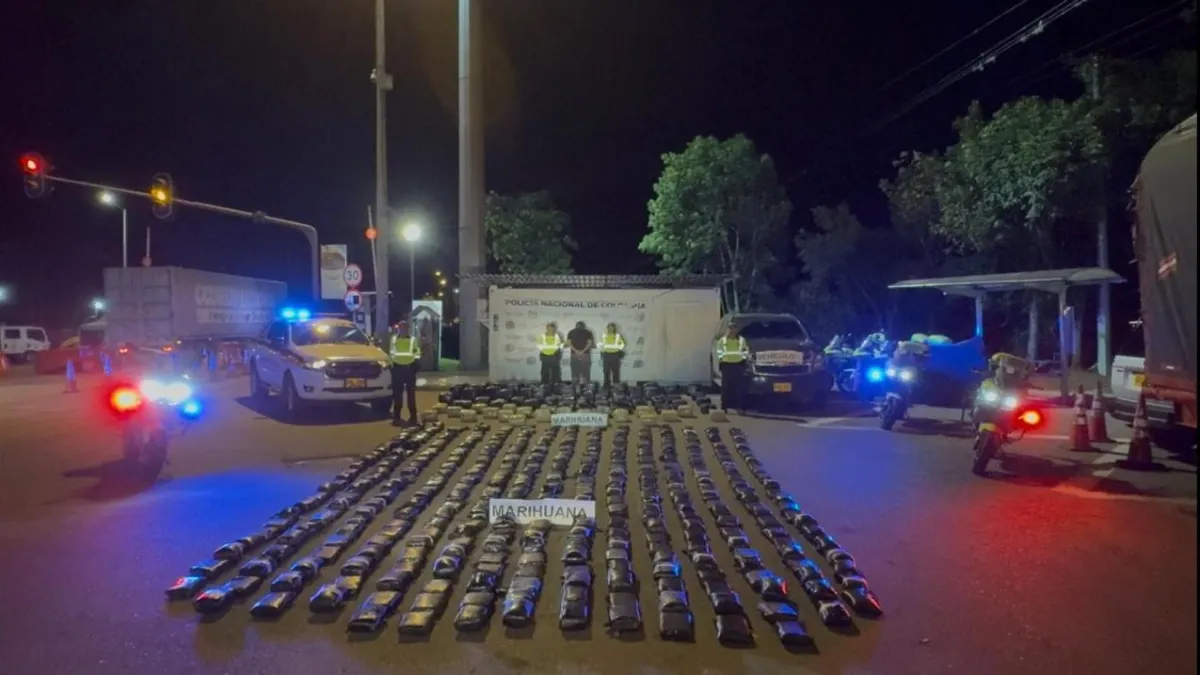
In a high-stakes operation that underscores the intensifying battle against organized crime on Colombia’s vital transport corridors, the National Police successfully intercepted a massive shipment of narcotics in the municipality of Guayabetal, Cundinamarca. The seizure, which totaled 917 kilograms of "creepy" marijuana, represents a significant victory for regional security forces and a substantial financial setback for the criminal networks attempting to utilize the Bogotá–Villavicencio highway as a primary artery for illicit drug distribution.
The Operation: A Tactical Strike in Limoncitos
The discovery took place in the early hours of the day in the sector known as "Limoncitos," a critical checkpoint along the route connecting the nation’s capital with the eastern plains (Llanos Orientales). Officers from the National Police’s Directorate of Transit and Transportation, acting on intelligence-led patrolling and routine security sweeps, flagged a suspicious van for inspection.
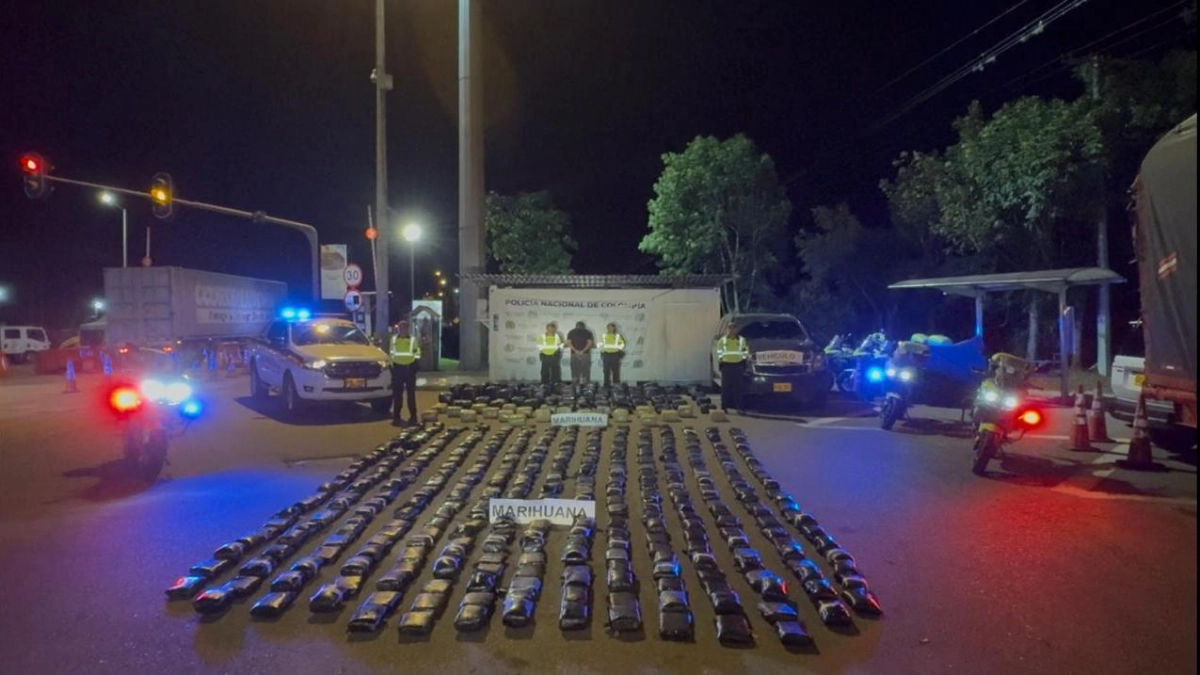
Upon conducting a thorough search of the vehicle, authorities uncovered 500 individual packages meticulously stowed within the cargo area. The shipment was identified as high-grade "creepy" marijuana, a potent variant of the cannabis plant with a significantly higher market value than traditional strains. Law enforcement officials classified the transport method as a "kamikaze" operation—a high-risk logistical tactic where drivers attempt to move massive quantities of contraband in a single trip, banking on speed and volume to bypass security checkpoints.
The driver of the vehicle was apprehended on the spot and taken into custody. He now faces formal charges for the trafficking, manufacturing, and carrying of narcotics, and has been placed at the disposal of the judicial authorities to begin legal proceedings.
Financial and Tactical Implications
According to police estimates, the 917 kilograms of seized marijuana represent more than 917,000 individual doses that were destined for clandestine urban markets. The financial impact of the operation is profound; authorities have valued the confiscated cargo at approximately 2.178 billion Colombian pesos (COP). By removing this volume of product from the supply chain, the police have effectively neutralized a major revenue stream for the criminal organizations operating in the region.

The implications of this seizure extend beyond the immediate financial loss. The "kamikaze" method of transport highlights a desperate shift in strategy among drug traffickers, who are increasingly willing to risk the loss of large, single-shipment assets to ensure that at least a fraction of their inventory reaches its destination. The success of the Guayabetal operation proves that the enhanced surveillance and intelligence coordination between the Secretariat of Government and Security of Cundinamarca and the National Police is effectively creating a "choke point" that makes these high-risk routes increasingly unviable for criminals.
Chronology of the Incident and Ongoing Investigations
The operation followed a precise, multi-phase sequence:
- Early Warning and Profiling: Through the analysis of transport patterns and suspicious activity reports, specialized units of the Transit and Transportation Directorate identified a target vehicle traveling toward the eastern region.
- The Interception: At the Limoncitos sector, police officers established a surprise control point. Upon signaling the van to stop, the driver failed to provide a credible explanation for the cargo, leading to an immediate secondary inspection.
- Discovery: The physical search revealed the 500 packages concealed under cargo camouflage, confirming the illegal nature of the shipment.
- Legal Processing: The driver was read his rights, the evidence was cataloged, and the vehicle was impounded.
- Judicial Filing: As of this afternoon, the Attorney General’s Office is preparing the case file, which includes the request for "extinction of dominion" (civil forfeiture) on the transport vehicle. This legal tool is vital in the fight against drug trafficking, as it permanently strips criminal organizations of the assets—such as trucks and vans—used to facilitate their illegal activities.
Regional Context: A Year of Sustained Pressure
This seizure is not an isolated event but rather a component of a larger, department-wide strategy. Cundinamarca has seen a significant surge in law enforcement activity throughout 2026. Data from the Departmental Security Observatory indicates that, in the year to date, authorities have confiscated over 11.5 tons of narcotics across various municipalities.

This uptick in successful interdictions is the result of a deliberate policy shift. The regional government, in partnership with national security agencies, has increased the number of random inspections and permanent checkpoints on secondary and primary roads. By focusing on the "logistics of crime," the state aims to increase the cost of doing business for drug cartels, forcing them to divert resources or abandon high-traffic routes entirely.
Official Responses and Strategic Commitment
The operation in Guayabetal has drawn commendation from provincial authorities, who view it as a litmus test for the effectiveness of the current security strategy. Orland Jansen Muñetones, the acting Undersecretary of Government and Security for Cundinamarca, spoke to the press shortly after the operation was concluded.
"From the Governor’s Office of Cundinamarca, we maintain a firm stance of zero tolerance regarding drug trafficking and organized crime," Muñetones stated. "This result in Guayabetal demonstrates the undeniable effectiveness of our joint work with the National Police. We are not going to allow our departmental road corridors to be used to dynamize illicit economies or to put the peace and tranquility of our families at risk."
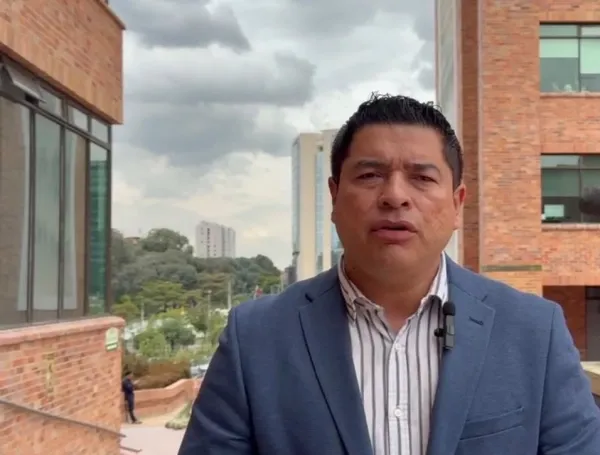
The official emphasized that the government’s commitment is not limited to sporadic raids but includes a long-term plan to modernize surveillance equipment and improve communication between different police units. "We are investing in the technology and the human resources necessary to monitor these transit arteries 24/7. Anyone who believes they can use our roads to transport illegal substances will eventually be met by our forces," he added.
The Path Forward: Disrupting the Distribution Chains
The focus now shifts to the investigation of the broader network responsible for the shipment. Judicial authorities are currently analyzing digital evidence found within the vehicle and the driver’s communications to determine the origin of the marijuana and its intended destination.
In the criminal underworld, the loss of nearly a ton of product often triggers internal conflicts and "adjustments" within the supply chains. The police are now on high alert for potential retaliatory acts or shifts in smuggling routes as traffickers attempt to circumvent the security measures in place.

Furthermore, the process of "extinction of dominion" serves as a deterrent. By ensuring that the vehicle used in the crime is permanently seized and auctioned off for state purposes, the judicial system hits the criminal infrastructure where it is most vulnerable: the capital investment.
Conclusion: A Safer Corridor
The successful interception at Guayabetal serves as a vital reminder of the ongoing struggle for control over Colombia’s infrastructure. While the drug trade remains a resilient and adaptive opponent, the tactical successes recorded in 2026 provide a blueprint for how state institutions can reclaim the safety of public spaces.
As the legal process against the detained driver continues, the residents of Cundinamarca can be assured that the state’s presence on the Bogotá–Villavicencio highway is being strengthened. The commitment from officials like Muñetones, coupled with the tireless work of the Transit and Transportation officers on the ground, signals a clear message to those who seek to use the department’s geography to fuel the cycle of addiction and violence: the roads of Cundinamarca are closing for the narcotics trade.

For further updates on this investigation and ongoing security initiatives, follow the Justice Desk’s coverage on our digital platforms and subscribe to our weekly newsletter.