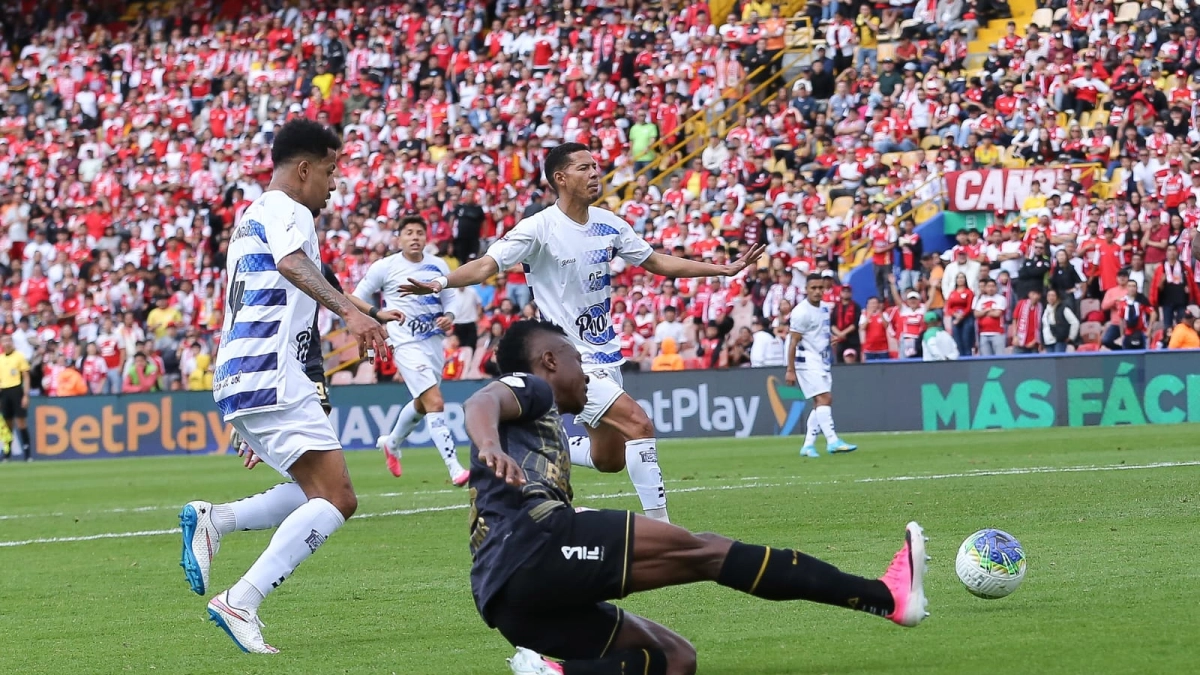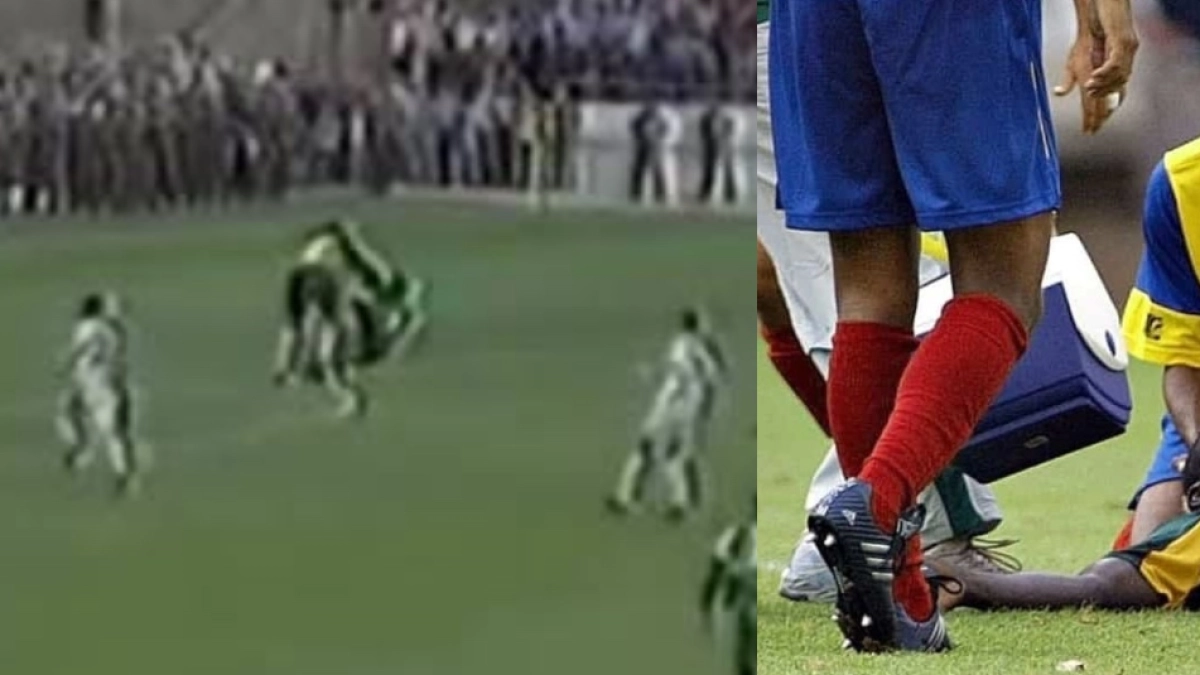
The world of professional football, while celebrated for its moments of triumph, athletic prowess, and global unity, has periodically been forced to confront a darker, more somber reality. Beyond the final scores and trophy presentations, the sport has witnessed harrowing episodes where the line between competition and catastrophe vanishes in an instant. The recent, tragic passing of Jesús de Miguel, a forward for CD Tenerife, has once again cast a spotlight on the inherent risks that accompany the beautiful game, sparking a necessary global conversation regarding player safety, medical protocols, and the fragility of life.
This renewed scrutiny brings to the fore the haunting memories of athletes whose lives were cut short by on-field accidents and sudden medical crises. From the collision-induced tragedies of the 1980s to modern-day cardiovascular incidents, these stories remain etched in the collective memory of the footballing community, serving as both a mournful tribute and a reminder of the need for constant evolution in sports medicine.
A Chronology of Tragedy: From José Antonio Gallardo to Modern Times
The history of football is punctuated by names that, while fading from current rosters, remain legendary within their respective clubs due to the tragic circumstances of their departure.
The Case of José Antonio Gallardo (1986)
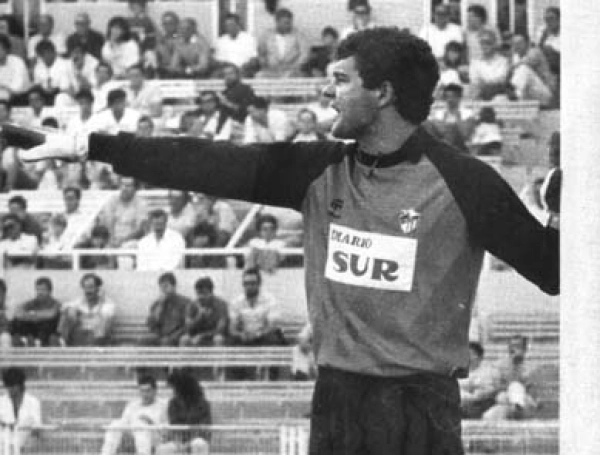
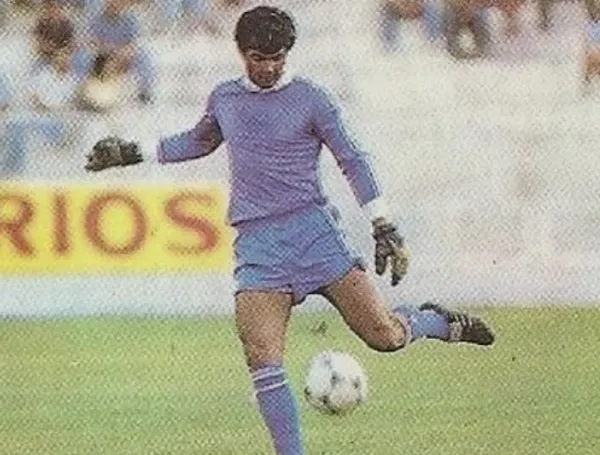
The passing of Jesús de Miguel has inevitably drawn comparisons to the harrowing case of José Antonio Gallardo, a Spanish goalkeeper whose death remains one of the most significant tragedies in the history of the CD Málaga. Born in Torremolinos in 1961, Gallardo was a product of the Málaga youth system, debuting for the senior team during the 1984-1985 season.

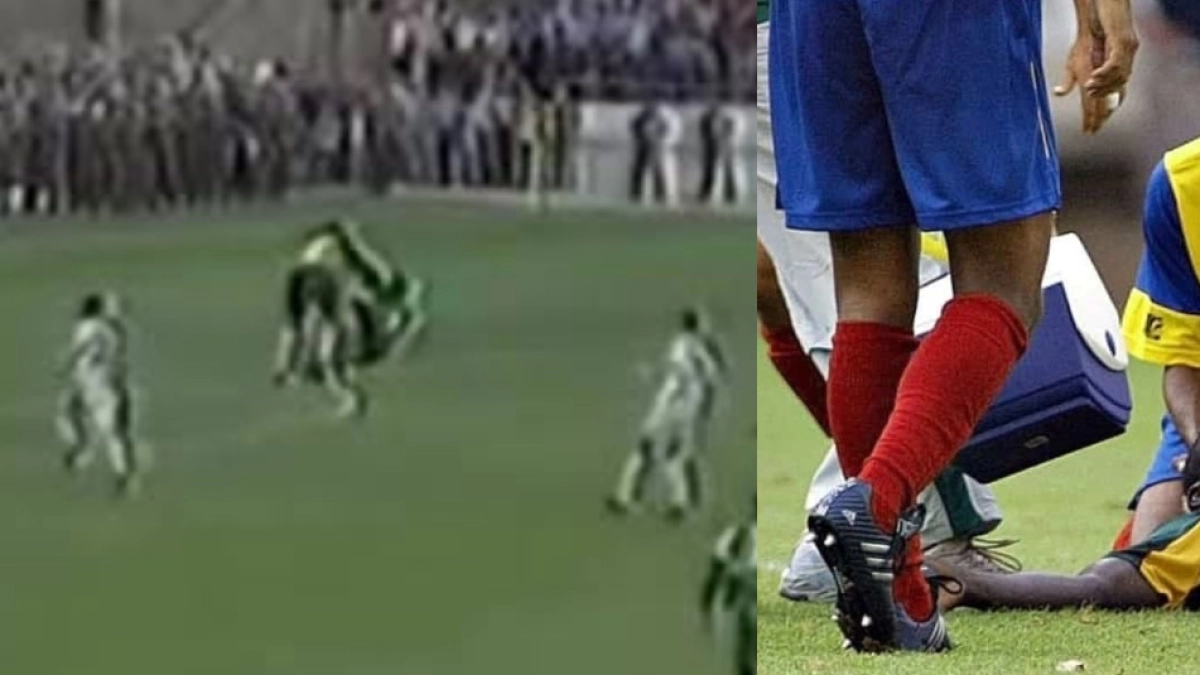
On December 21, 1986, during a high-stakes match against Celta de Vigo at the Balaídos stadium, the then-25-year-old goalkeeper collided violently with Brazilian striker Baltazar while challenging for a loose ball. Though he appeared to recover sufficiently to leave the hospital days later, the underlying trauma proved far more insidious. On January 7, 1987, Gallardo was rushed to the Hospital Carlos Haya (now the Regional Hospital) after suffering from severe headaches and facial paralysis. Surgeons discovered a cerebral hemorrhage, and despite their best efforts, Gallardo passed away on January 15, 1987, following a cardiac arrest. His legacy endures; in 2017, the Málaga CF honored his memory by naming "Gate 13" at La Rosaleda stadium in his name.
International Echoes of Loss
Gallardo’s tragedy is, unfortunately, not an isolated incident. Across the globe, similar collisions have resulted in catastrophic outcomes:

- Serhiy Perkhun (2001): The 23-year-old Ukrainian goalkeeper for CSKA Moscow suffered a fatal clash of heads with Anzhi Makhachkala player Budun Budunov. Though initially discharged from the hospital, his condition deteriorated rapidly. He fell into a coma and passed away on August 28, 2001.
- Hrvoje Ćustić (2008): In a horrific incident in Croatia, Zadar player Hrvoje Ćustić struck his head against a concrete wall located dangerously close to the pitch during a match against Cibalia Vinkovci. The resulting cranial fracture proved fatal on April 3, 2008.
- Choirul Huda (2017): In Indonesia, the Persela Lamongan goalkeeper died after a collision with teammate Ramón Rodrigues. Despite being rushed to the hospital in critical condition, he succumbed to cardiac arrest.
These incidents highlight a recurring pattern: the deceptive nature of head trauma and the immense pressure placed on medical staff to make split-second decisions in the heat of a high-intensity professional environment.
Cardiovascular Vulnerability: The Silent Threat
While physical collisions are the most visible form of danger, the footballing world has been frequently rocked by "sudden cardiac death" (SCD). These events often occur in the absence of contact, revealing underlying, sometimes asymptomatic, conditions.
The Spanish Context: Puerta and Jarque
Spain, in particular, has mourned the loss of two iconic figures whose deaths catalyzed a nationwide overhaul of sports medical screening:
- Antonio Puerta (2007): A promising 22-year-old Sevilla player, Puerta collapsed during a match against Getafe. He died three days later due to multiple organ failure resulting from prolonged cardiac arrest. His death was a seismic event in Spanish football, prompting the mandatory installation of defibrillators in all stadiums and the improvement of emergency response protocols.
- Dani Jarque (2009): The captain of RCD Espanyol, only 26 years old, suffered a fatal heart attack while speaking on the phone in his hotel room during a pre-season training camp in Italy. His death served as a brutal reminder that the risk is not limited to the minutes spent on the pitch, but extends to the rigorous life of a professional athlete.
Supporting Data: The Evolution of Sports Medicine
The data suggests that while the frequency of these deaths has not increased, the visibility and reporting of them have. Medical experts emphasize that "Commotio Cordis"—a phenomenon where a sudden, blunt impact to the chest causes a fatal arrhythmia—remains a specific, albeit rare, risk.
Modern football clubs now implement rigorous cardiac screenings (echocardiograms, stress tests, and genetic counseling) to identify potential abnormalities like Hypertrophic Cardiomyopathy (HCM). However, the human body is complex, and screening cannot always predict every event. The emphasis has shifted from "prevention" to "preparedness." The presence of paramedics, advanced life support equipment, and mandatory AED (Automated External Defibrillator) training for all staff are now standard requirements mandated by organizations like FIFA and UEFA.
Official Responses and Institutional Accountability
In the wake of the recent death of Jesús de Miguel, there has been an outpouring of grief and, simultaneously, a demand for accountability. League officials and clubs have been quick to express their condolences, but they are also facing pressure from player unions to provide greater transparency regarding the medical assessments performed on players throughout the season.
The Spanish Football Federation (RFEF) and other international bodies are currently reviewing the "Safety Protocols for Professional Matches." This includes evaluating the proximity of emergency vehicles, the training level of pitch-side medical staff, and the criteria for concussion protocols—an area that has been criticized for being too lenient in allowing players to continue after receiving head trauma.
Implications: A Future Focused on Preservation
The tragic reality is that while the sport continues to advance technologically and physically, it cannot eliminate all risks inherent in a contact sport. The implications of these deaths are profound:

- Stricter Concussion Protocols: The "return to play" timeline for players suffering head impacts is being aggressively extended. The era of "shaking it off" is effectively over, replaced by mandatory neurological assessments.
- Global Standardization of Emergency Care: There is a growing push for a global standard where a match cannot proceed unless a specific level of emergency cardiac and neurological care is physically present and pre-briefed.
- Psychological Support: The trauma experienced by teammates, opponents, and spectators is immense. Clubs are increasingly integrating mental health support into their standard post-accident procedures.
- Technological Innovation: Wearable health-monitoring technology is being tested to provide real-time data on a player’s heart rate, oxygen levels, and neurological response, potentially allowing for the detection of an impending crisis before a collapse occurs.
Conclusion
The names of Gallardo, Puerta, Jarque, and now De Miguel are more than just statistics in a report; they represent a generation of talent lost to the shadows of the game they loved. As the footballing world looks toward the future, the primary objective must remain the sanctity of human life over the demands of the schedule.
Football is a game defined by its passion and its history, but its true progress will not be measured by the number of goals scored or the revenue generated, but by the efficacy with which it protects the individuals who make that passion possible. Every time a player steps onto the grass, they are placing their trust in a system that must be, above all else, capable of safeguarding their future—both on and off the field. The legacy of these fallen players demands nothing less than absolute vigilance.