By: Editorial Breaking News Desk
Date: October 31, 2026
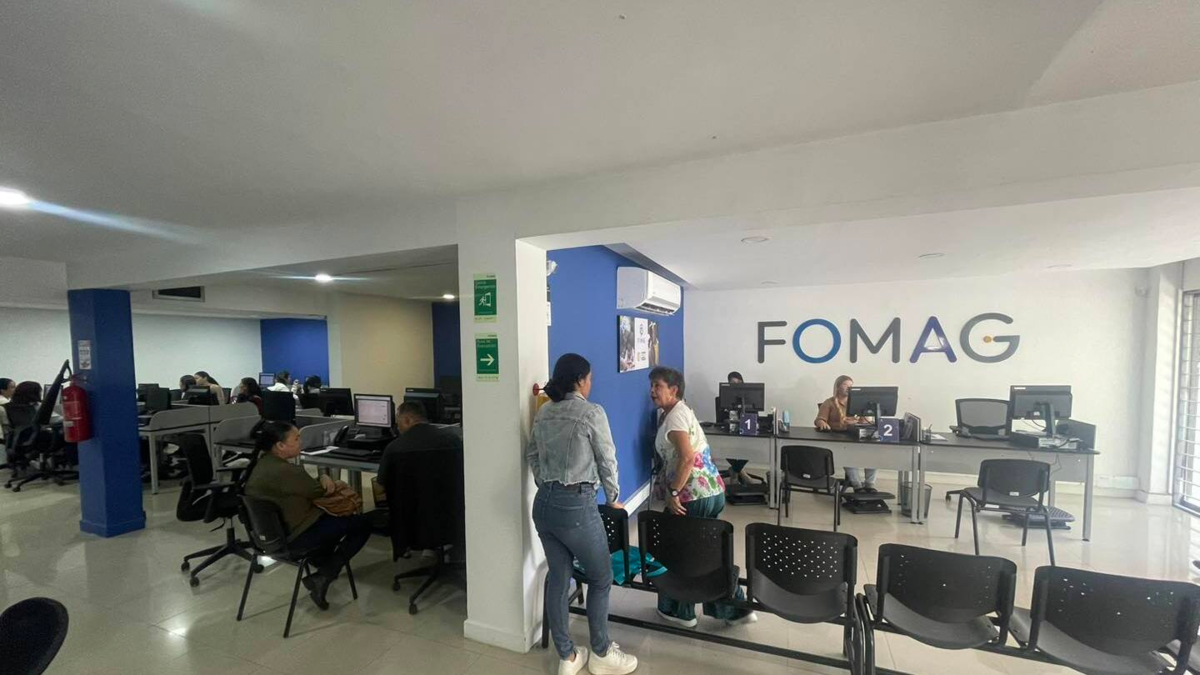
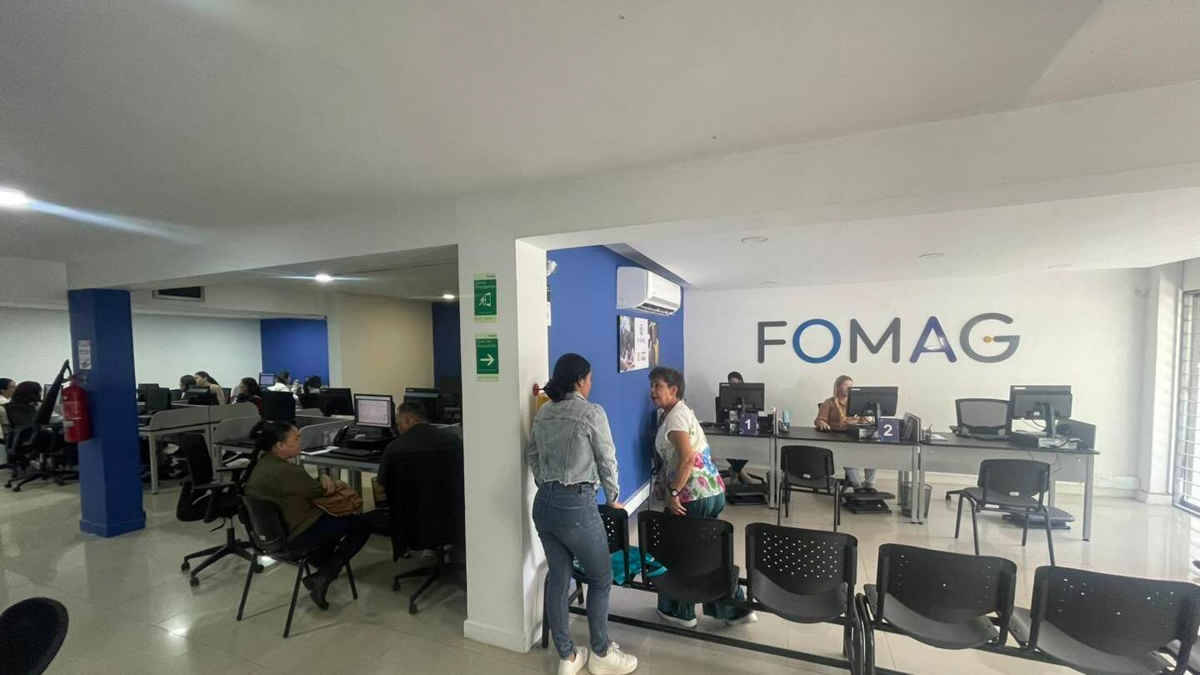
In a landmark decision that marks the end of a 36-year institutional relationship, the Colombian Government has officially announced that it will not renew the trust contract (Fiducia Mercantil) with Fiduprevisora S.A. regarding the National Fund for Social Benefits of the Teaching Staff (FOMAG). This structural shift, confirmed in Bogotá on October 30, 2026, initiates a mandatory one-year transition period—extendable for an additional year—aimed at rectifying systemic operational failures and modernizing the healthcare delivery and economic benefits system for over 800,000 educators and their families.
The Core Decision: Ending a 36-Year Paradigm
The decision was finalized during an extraordinary session of the FOMAG Directing Council. By choosing not to extend the fiduciary link that has defined the management of teachers’ health and retirement benefits since the early 1990s, the administration of President [President’s Name, implied context of 2026] is signaling a pivot toward a more direct, transparent, and state-led management model.
The contract, which expired on October 31, 2026, had been the subject of increasing scrutiny due to persistent complaints regarding service gaps, medicine supply shortages, and administrative delays in the payment of pension and social benefits. The government’s move is essentially a "reset" button intended to dismantle the bottlenecks that have plagued the sector for decades.

Chronology of the Transition
The transition is not an immediate termination of services, but rather a carefully orchestrated hand-off designed to prevent a collapse in healthcare access for the nation’s teaching force.
- October 30, 2026: Official announcement by the Ministry of National Education regarding the non-renewal of the Fiduprevisora contract.
- November 1, 2026: Formal commencement of the one-year transition period. During this time, Fiduprevisora S.A. remains under strict government mandate to maintain continuity of all health services and economic disbursements.
- November 2026 (First Week): Initiation of a "Shock Plan" (Plan de Choque) aimed at regional health centers, beginning with high-priority departments: Antioquia, Atlántico, and Valle del Cauca.
- Mid-November 2026: A national summit in Bogotá involving all medical service providers (IPS) to harmonize contracts and settle financial obligations.
- 2027 – 2028: Implementation of the new structural management model for FOMAG, with the potential for a one-year extension of the transition if performance metrics are not fully met by the end of the first year.
Supporting Data and Technical Rationale
The termination of the contract was not a unilateral political impulse but the result of a multi-disciplinary technical review. The Ministries of Labor and Finance, in collaboration with the Colombian Federation of Education Workers (Fecode), analyzed years of performance reports, legal audits, and user satisfaction surveys.
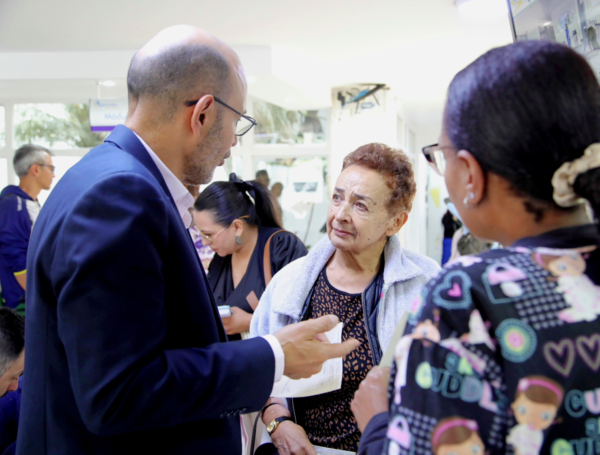
The technical diagnosis revealed significant "structural friction" in the way funds were allocated and managed. Specifically, the government identified:
- Financial Opacity: A lack of clear "trazabilidad" (traceability) in how capital was dispersed to private medical providers.
- Service Fragmentation: High variance in the quality of healthcare provided between urban centers and rural areas.
- Fiscal Imbalances: Concerns raised by the Inspector General’s Office (Procuraduría) regarding a shortfall of approximately 1.8 trillion pesos within the FOMAG accounts, which has directly impacted the ability of teachers to access specialized medical procedures.
Official Perspectives: The Government’s Stance
The government has emphasized that this transition is a protective measure, not a punitive one, directed primarily at ensuring the constitutional rights of educators.

Minister of National Education, Ilva Myriam Hoyos Castañeda:
"The FOMAG must serve as the primary institutional channel through which the State honors its commitment to our educators. We are assuming the responsibility of correcting decades of neglect and administrative inertia. This is a commitment to the dignity of those who teach our children."
Minister of Labor, Natalia López Fuentes:
"The transition must be invisible to the user. While we overhaul the backend, we are enforcing a mandate that administrative shifts cannot, under any circumstances, result in the suspension of treatments, surgery schedules, or the delivery of chronic medication."

Minister of Finance, Miguel Gómez Martínez:
"Our focus is fiscal integrity. We need a system where every peso is accounted for. The goal of this transition is to establish a robust framework for oversight, ensuring that the health of our teachers is never again held hostage by inefficient bureaucratic intermediaries."
The "Shock Plan": Ensuring Continuity
To mitigate the risks inherent in such a massive administrative migration, the Ministry of Education has mandated a "Shock Plan." This strategy involves direct, high-level negotiations with the Institutions providing Health Services (IPS).

The plan is multifaceted:
- Direct Engagement: Government representatives will conduct on-site inspections and meetings with IPS providers in key departments to resolve outstanding debts and audit service contracts.
- Supersalud Intervention: The Superintendency of National Health (Supersalud) has been tasked with a "Special Inspection Scheme." This involves constant monitoring of service quality to ensure that the transition period does not serve as an excuse for providers to lower their standards.
- Priority Protections: The government has explicitly ordered that all ongoing cancer treatments, dialysis cycles, and chronic medication protocols be treated as "non-negotiable" and protected under the transition mandate.
Implications for the Future
The decision to end the contract with Fiduprevisora S.A. represents a broader debate within the Colombian government about the role of private trusts in public social services. Critics of the previous system argue that 36 years of outsourcing created a "black box" where accountability was diffused. Supporters of the new measure argue that by bringing the management closer to the Ministry of Education and the Treasury, the government can achieve economies of scale and better direct intervention in the health network.

However, the challenge ahead is immense. The administrative burden of managing health, pensions, and social benefits for 800,000 individuals is a massive undertaking. The next 12 months will serve as a stress test for the current administration. If successful, this transition could serve as a model for other state funds currently operating under legacy trust structures. If the transition falters, it could lead to significant social unrest, as the teaching union—one of the most powerful collective bargaining forces in the country—has made it clear that it will closely monitor the government’s performance.
As the first of November dawns, the attention of the entire educational sector, the health industry, and the political establishment in Bogotá is fixed on the effectiveness of this "Shock Plan." The promise is clear: a more transparent, efficient, and reliable system for the nation’s educators. Whether that promise manifests as reality remains the central question of the coming year.

For further updates on this developing story, follow our ongoing coverage through our official newsletter, the EL TIEMPO mobile app, or our dedicated politics portal on social media.