By Edwin Caicedo | Environmental and Health Correspondent
October 27, 2026
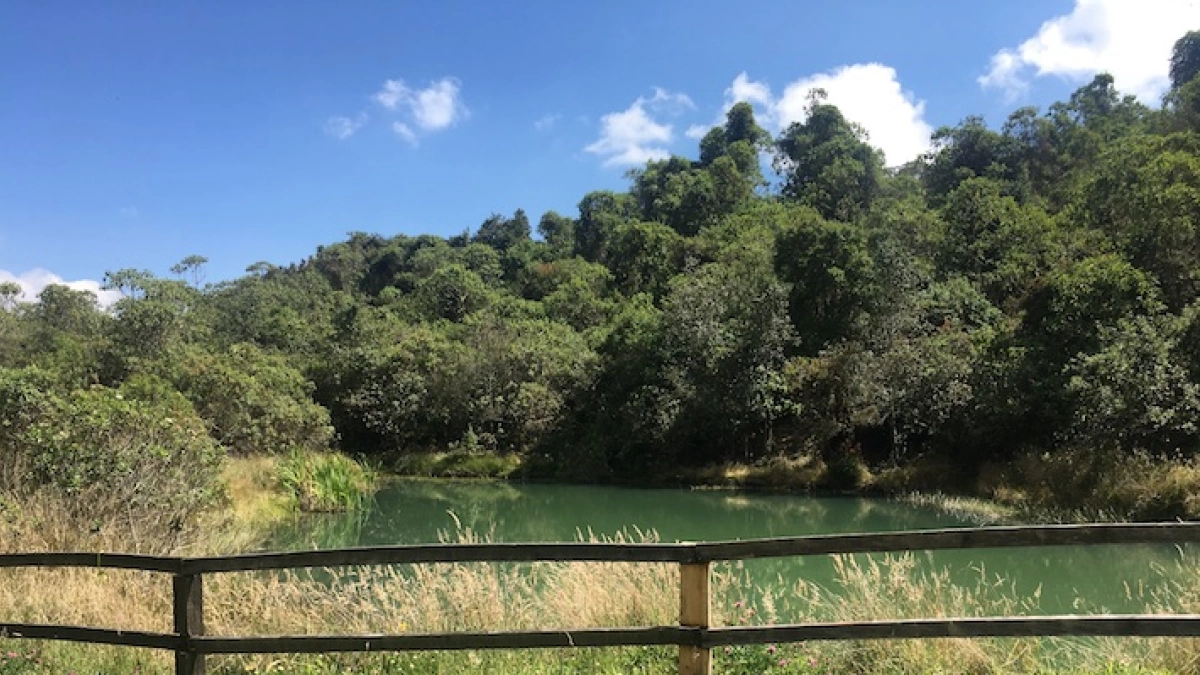
In a significant stride toward ecological restoration and biodiversity conservation, a collaborative effort between Automotores Toyota Colombia and Fundación Natura has resulted in the successful planting of 1,600 native trees within the El Encenillo Reserve. The initiative, carried out over three dedicated jornadas—October 8, 15, and 16, 2026—serves as a cornerstone for the company’s broader environmental strategy. By focusing on the restoration of local flora, the project aims to secure the long-term protection of ecosystems that are critical to the regional environmental health of the area.
The Scope of the Operation: A Hands-On Approach
The reforestation process was far more than a symbolic gesture. It was designed as an immersive experience, grounded in the Japanese management philosophy of Genchi Genbutsu—which translates to "go and see" or "go to the source." This principle encourages participants to visit the site of the action to fully grasp the reality and the challenges of the terrain.
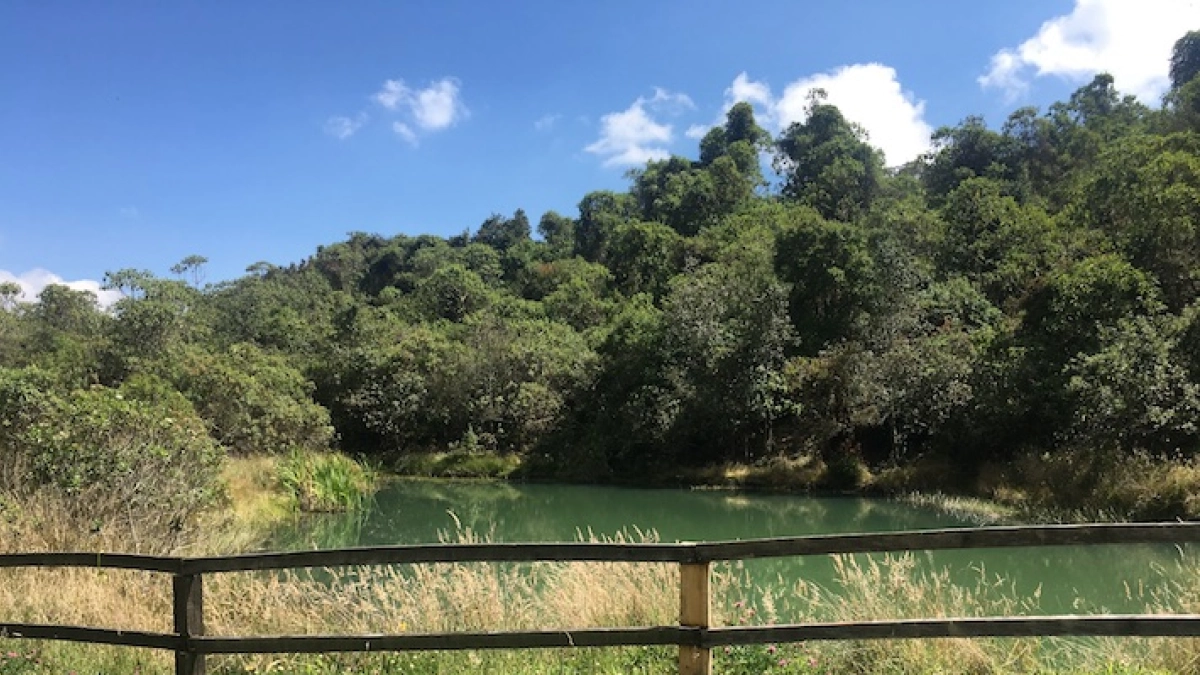
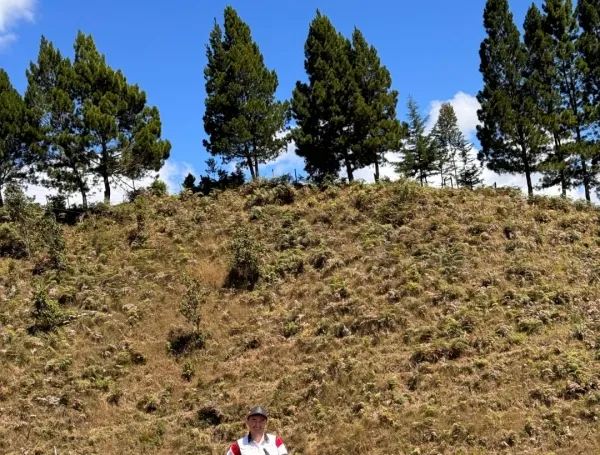
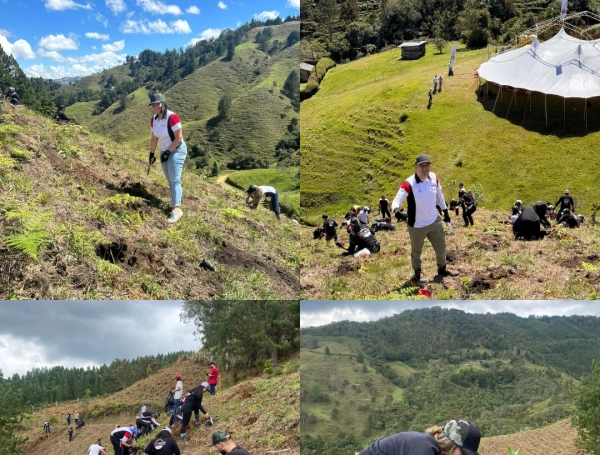
During the three-day operation, volunteers, including corporate employees and various partners, trekked through the dense, cloud-forest-like terrain of the El Encenillo Reserve. This pedagogical approach allowed the participants to observe firsthand the delicate nature of the ecosystem and the vital necessity of active restoration. By engaging directly with the soil and the seedlings, each participant contributed an average of four trees, ultimately reaching the target of 1,600 native specimens. These trees were not chosen at random; they were selected specifically for their ability to thrive in the high-altitude conditions of the reserve, ensuring that the new growth would integrate seamlessly into the existing forest structure.

Chronology of the Restoration
The project was structured into three distinct phases to ensure maximum efficiency and impact:
- October 8, 2026 (Launch Phase): The first group of volunteers arrived at the reserve to initiate the clearing of invasive species and the preparation of the soil for native saplings. This day served to set the standard for the intensity and care required for successful reforestation.
- October 15, 2026 (Expansion Phase): Building on the lessons of the first day, the second group focused on deepening the density of the canopy in previously degraded sections of the reserve.
- October 16, 2026 (Consolidation Phase): The final group ensured that the planting process was completed, focusing on areas identified by environmental experts as most vulnerable to soil erosion and habitat fragmentation.
Beyond the Planting: The "Certificate of Integral Biodiversity"
One of the most innovative aspects of this initiative is the guarantee of longevity. Often, corporate reforestation projects are criticized for being "one-off" events where the trees are planted and then forgotten. To combat this, Automotores Toyota Colombia and Fundación Natura have formalized an agreement to ensure the areas remain protected in perpetuity.

The land where the planting occurred will be formally donated to Fundación Natura. This ensures that the newly planted forest is not subject to future development, grazing, or agricultural encroachment. Furthermore, the partners have introduced the "Certificate of Integral Biodiversity." This mechanism is designed to provide a transparent, auditable framework for the protection of these specific plots. It represents a shift from "counting trees" to "securing ecosystems," ensuring that the biodiversity gains—such as the return of local avian and mammalian species—are monitored and maintained over the coming decades.
Strategic Context: The "Beyond Zero" Vision
This environmental project does not exist in a vacuum. It is a fundamental pillar of Toyota’s "Beyond Zero" vision, a comprehensive global strategy aimed at addressing the climate crisis through a two-pronged approach: technological innovation and nature-based solutions.
The company acknowledges a stark reality: approximately 99.92% of a vehicle’s carbon footprint is generated during its "use phase"—the time the vehicle is on the road. Consequently, planting trees alone cannot offset the emissions generated by the automotive industry. Toyota argues that reforestation must act as a complement to, not a replacement for, technological advancements in mobility.
By integrating this initiative with their "Multi-Pathway" strategy, the company is offering a diverse range of motorization options—including hybrids, electric vehicles, and efficient internal combustion engines—tailored specifically to the unique topography and infrastructure of Colombia. The reforestation of El Encenillo, therefore, serves as an active attempt to restore the "natural infrastructure" while the company works to reduce the "technological impact" of its fleet.

Official Perspectives: Commitment and Improvement
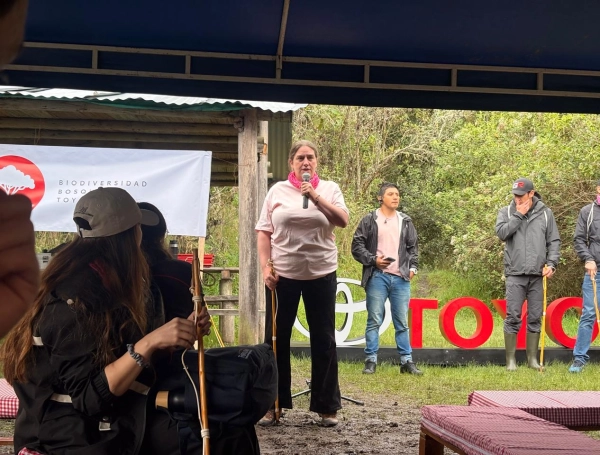
Hiroshi Yonenaga, President of Automotores Toyota Colombia, emphasized during the closing ceremony that this project is a manifestation of the concept of Kaizen, or continuous improvement.
"The results that we consolidate here in 2026 with the ‘Bosque Toyota’ initiative do not represent a final goal or a finished product," Yonenaga stated. "Rather, they represent a significant step forward in our enduring commitment to constant improvement and environmental stewardship. We recognize that our responsibility to the planet is a process that requires daily, sustained effort."
Fundación Natura, acting as the technical partner, echoed this sentiment. Their experts noted that the restoration of a forest is a delicate biological process that requires years of monitoring. By holding the land in perpetuity, the Foundation ensures that the "seedlings" of 2026 will have the time they need to become the "old-growth" of the next century.
The Broader Implications for Environmental Policy
The project at El Encenillo highlights a growing trend in Latin American corporate social responsibility: the transition from "Greenwashing" to "Impact Monitoring." By tying their brand to a measurable, long-term conservation outcome, Toyota is setting a high bar for other industrial players in the region.
The implications for the local environment are profound:
- Hydrological Security: The El Encenillo Reserve acts as a vital water source for the surrounding regions. Increasing the density of native trees directly improves the soil’s ability to retain water, preventing floods during the rainy season and ensuring supply during dry periods.
- Carbon Sequestration: While the primary goal is biodiversity restoration, the 1,600 trees will serve as a permanent carbon sink, sequestering atmospheric CO2 as they mature.
- Community Engagement: By involving employees and partners in the planting process, the initiative creates a cultural shift within the workforce, fostering a deeper understanding of the fragility of the Andean ecosystem.
Challenges and Future Outlook
Despite the success of the October 2026 jornadas, the path ahead is not without challenges. High-altitude reforestation is inherently difficult due to soil acidity, temperature fluctuations, and the constant threat of climate-driven weather patterns. Maintaining the "Certificate of Integral Biodiversity" will require significant annual investment and technical oversight.

Looking toward 2027 and beyond, the success of this project will be measured by the survival rate of the saplings and the subsequent migration of native fauna back into the restored plots. If the model proves successful, it is expected that the "Bosque Toyota" program will expand to other critical ecosystems across the Colombian territory, potentially creating a network of protected corridors that link fragmented forest patches.
In conclusion, the work carried out in the El Encenillo Reserve is a testament to the fact that meaningful ecological restoration requires more than just planting trees; it requires a systemic shift in how corporations view their role in the environment. By embracing the long-term responsibility of land management and aligning it with a clear, technology-driven carbon reduction strategy, Toyota and Fundación Natura are providing a blueprint for how industry and nature might coexist in a rapidly changing world.

As the trees planted in October 2026 begin to take root, they stand not only as a testament to a corporate commitment but as a living, breathing component of Colombia’s natural heritage, safeguarded for future generations. The "Beyond Zero" goal is, by definition, a horizon, but through initiatives like these, that horizon appears a little closer to reality.