By Breaking News & International Desk
Published: October 26, 2026 | Updated: October 26, 2026
Main Facts
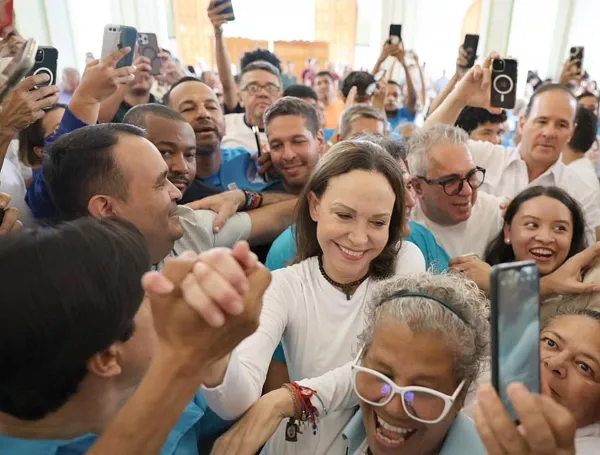
The political landscape of Venezuela has entered a volatile and high-stakes new phase following the high-profile return of opposition leader and 2025 Nobel Peace Prize laureate María Corina Machado. After months spent in external exile—following her departure in December 2025 to Oslo, Norway, to accept the prestigious Nobel honor—Machado reappeared on Venezuelan soil over the weekend, defying long-standing government restrictions and sparking immense demonstrations of public support.
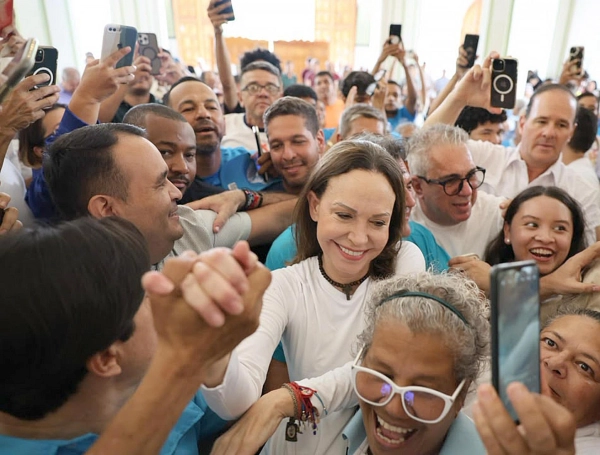
Her return immediately electrified the domestic political atmosphere. Thousands of citizens flooded the streets, culminating in massive, spirited caravans that accompanied Machado from the western state of Lara to the capital city of Caracas. Amid chants of "Freedom!" and urgent demands for presidential elections next year, the opposition figure’s reappearance has forced the administration in Caracas to confront a revitalized political opposition.
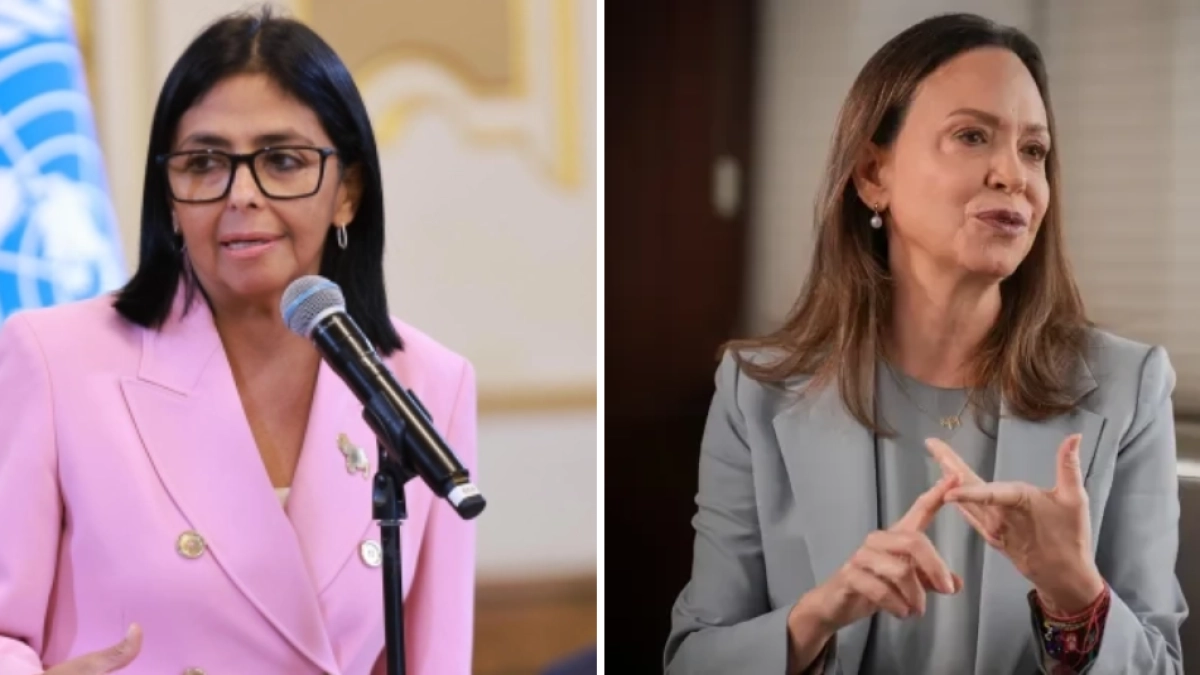
In response, interim authorities downplayed the mass mobilization, with government official Delcy Rodríguez criticizing the homecoming as an unnecessary "show." Nevertheless, Rodríguez’s remarks carried an undercurrent of pragmatic acknowledgment, signaling that the administration may ultimately be compelled to engage in structured dialogue and negotiations with Machado to reach viable electoral agreements.

Chronology of Events
The unfolding events surrounding María Corina Machado’s return trace a swift and dramatic path from international exile back to the heart of Venezuelan political mobilization:
- December 2025: María Corina Machado departs Venezuela for Oslo, Norway, to officially receive the Nobel Peace Prize awarded to her earlier that year. Her departure initiates a period of forced or strategic external exile, during which her political allies repeatedly accuse the government of blocking her attempts to re-enter the country.
- Sunday Morning (October 2026): Machado startles the nation by posting a definitive message on the social media platform X: "Estoy aquí. Con ustedes" ("I am here. With you"). Concurrently, fellow opposition leader Edmundo González Urrutia confirms her presence in the country.
- Sunday Midday: Machado makes her first public appearance at a Catholic church within the sanctuary of the Divina Pastora in the town of Santa Rosa, located in the western state of Lara. Clad in her trademark white shirt and wearing multiple rosaries around her neck, she participates in religious services before addressing local supporters.
- Sunday Afternoon: A massive spontaneous vehicle and motorcycle caravan forms, escorting Machado as she charts a route toward Caracas. Citizens line the highways, waving flags, singing the national anthem, and shouting slogans demanding immediate democratic elections.
- Sunday Night (Post-21:00 Local Time): Machado arrives in Caracas amid a sea of supporters, turning her homecoming into a massive display of popular backing.
- Monday Morning: Interim leader Delcy Rodríguez addresses the media, dismissing the reception as a "show" while simultaneously suggesting that the administration is prepared to engage in serious political coordination and judicial normalization.
Supporting Data and Context
To fully understand the gravity of Machado’s return, one must examine the contextual backdrop that has defined Venezuela over the past year:

- The Nobel Accolade: Machado’s recognition with the Nobel Peace Prize in 2025 cemented her status not merely as a domestic political contender, but as an internationally protected symbol of democratic resistance. This global stature heavily influenced the political calculus surrounding her physical security upon return.
- Logistical Ingress: While Rodríguez declined to specify the exact transit route or method Machado used to bypass previous entry blocks, she noted that many individuals returning under recent amnesty frameworks have utilized newly established provisional structures at Maiquetía International Airport—infrastructure necessitated by the aftermath of a severe double earthquake in June 2026.
- The Humanitarian and Infrastructure Layer: The reference to earthquake-damaged infrastructure highlights a nation grappling simultaneously with rebuilding efforts and severe socio-economic strain. Rodríguez pointedly utilized her press briefing to emphasize judicial reforms aimed at ensuring "independence, transparency, and the avoidance of the criminalization of poverty."
- Opposition Alignment: Machado’s return coincides with ongoing, albeit fractured, dialogue tracks between elements of the government and various opposition factions, notably those headed by figures such as former lawmaker Dinorah Figuera. Machado’s physical presence now injects an undeniable weight into these otherwise stagnant talks.
Official Responses and Government Posture
The official reaction from Caracas walked a fine line between dismissive rhetoric and a tacit acknowledgment of shifting political realities.
Delcy Rodríguez did not mask her annoyance at the public spectacle generated by the opposition, explicitly telling reporters that Machado could have bypassed the theatrics:
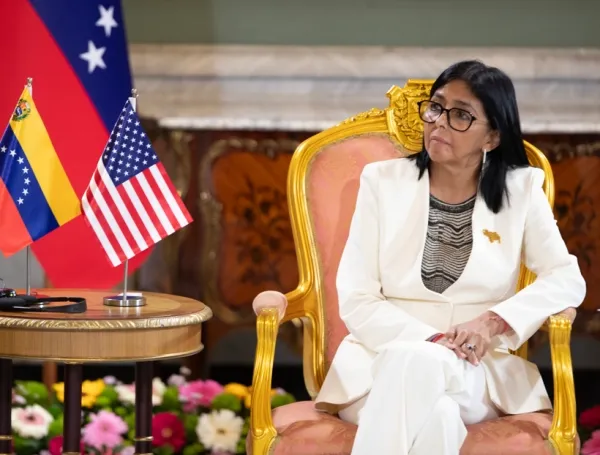
"The show could have been avoided; the airports are there, there are provisional structures that people have very good comments about, so let’s move away from the show."
When questioned about whether the state judiciary would initiate legal or punitive actions against Machado for violating prior travel and legal constraints, Rodríguez adopted a measured, conditional tone. She expressed a desire for "repentance, rectification, and a positive contribution to the country," while emphasizing that ongoing judicial reforms are designed to foster transparent institutions.
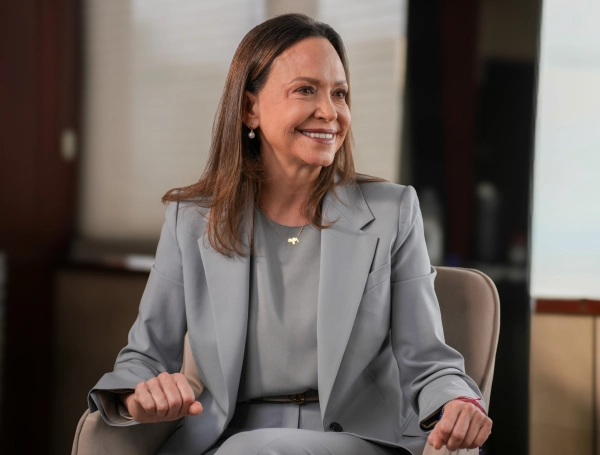
Crucially, when addressing the prospect of incorporating Machado into formal political negotiations, Rodríguez drew a sharp distinction between casual politicking and statecraft. Dismissing amateur approaches, she stated that negotiations are "something very serious" requiring "a lot of experience, away from neophyte spaces," before adding that "Venezuela requires a lot of knowledge to overcome its problems."
Implications for Venezuela’s Political Future
Machado’s triumphant return marks a profound turning point that carries far-reaching implications for the nation’s stability, governance, and democratic trajectory:
1. Reinvigoration of the Electoral Debate
The massive crowds greeting Machado across Lara and into Caracas underscore an unyielding public appetite for democratic participation. The ubiquitous chants of "¡Elecciones ya!" ("Elections now!") place immense pressure on the government to establish transparent frameworks for upcoming electoral cycles.
2. A Shift Toward Compelled Dialogue
By asserting that the government will inevitably have to sit down with Machado to forge "agreements for elections," Rodríguez’s remarks suggest an internal realization within ruling circles. Ignoring a mass-mobilized political figure backed by international prestige is no longer a sustainable strategy. True political stabilization will likely require high-level, formal compromises.
3. Judicial and Legislative Leverage
The intersection of Machado’s return with ongoing amnesty discussions and judicial reforms creates a complex legal chess match. Whether the state uses the judiciary as a sword or an olive branch will dictate whether Venezuela transitions toward a negotiated democratic opening or descends back into acute political confrontation.
4. International Standing and Regional Dynamics
With her status as a Nobel laureate shielding her to a degree from overt authoritarian crackdowns, Machado’s physical presence inside Venezuela alters the diplomatic calculations of international actors, neighboring Latin American governments, and multilateral organizations closely monitoring the nation’s fragile path toward institutional restoration.

As the dust settles on her dramatic weekend homecoming, all eyes remain fixed on Caracas to see if the rhetoric of "agreements" will translate into tangible democratic concessions before the next electoral cycle.