Executive Summary: A Fight for Survival
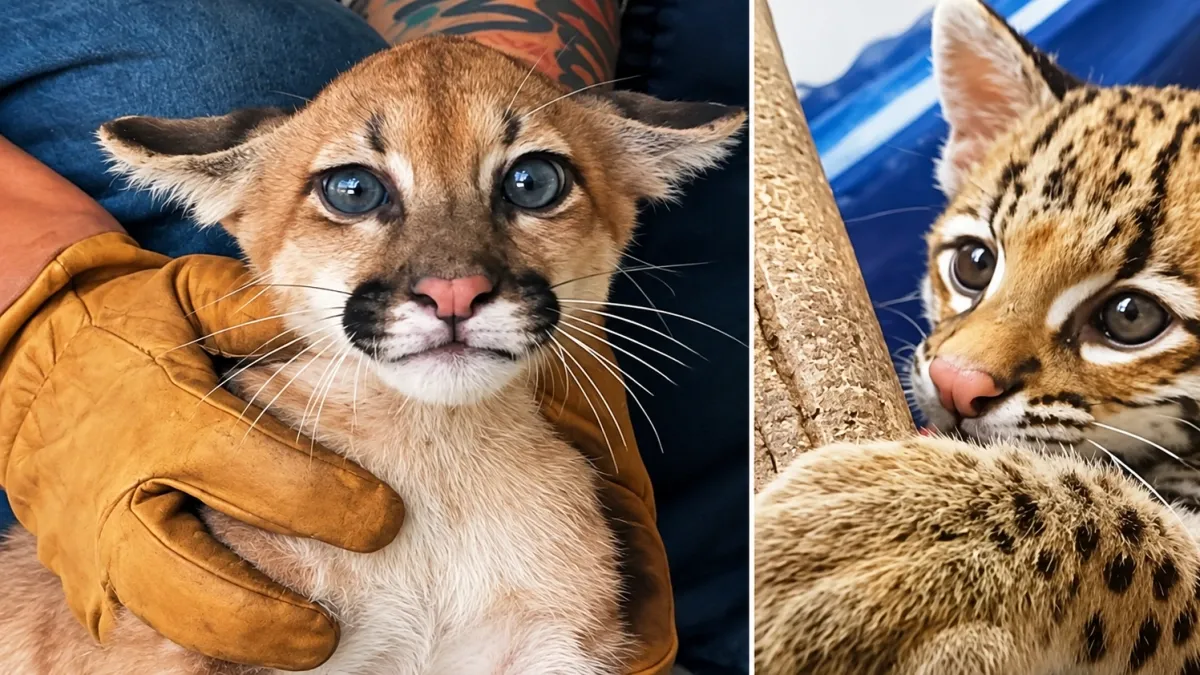
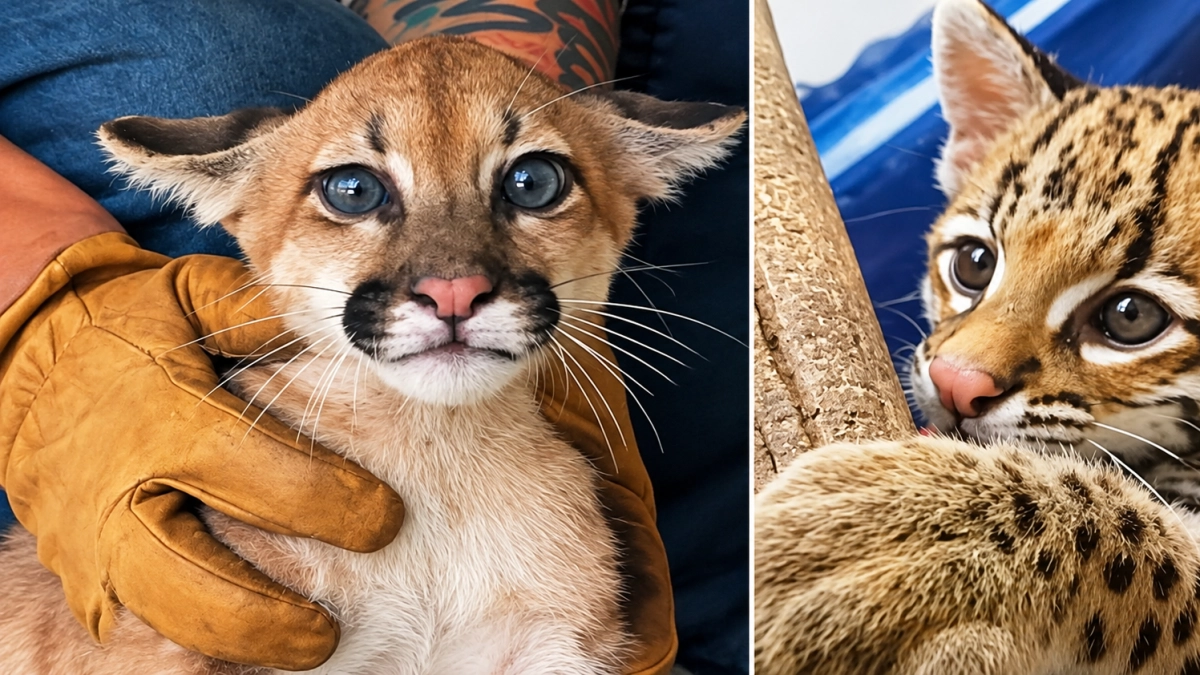
In the heart of Santa Cruz, Bolivia, two vulnerable feline survivors—a puma named Mufasa and an ocelote named Aurelio—are currently undergoing a intensive, state-led rehabilitation program. After being rescued from the harrowing conditions of domestic captivity, where they were kept as illegal pets, these animals are now receiving specialized medical attention, nutritional support, and behavioral training.
Their story is not merely one of individual survival; it serves as a stark reminder of the broader ecological crisis caused by the illegal wildlife trade. As they transition from the trauma of human confinement toward the hope of returning to their natural habitat, experts at the Centro de Atención y Derivación de Fauna Silvestre (CAD) are working around the clock to undo the physical and psychological damage inflicted by their previous owners.
The Chronology of Rescue and Stabilization
The path to recovery for Mufasa and Aurelio began with their respective seizures by local authorities. The illegal trade of wild animals in Bolivia remains a significant hurdle for conservationists, as many individuals are taken from the wild at a tender age, severely compromising their chances of long-term survival in the jungle.
Mufasa: Overcoming Neglect
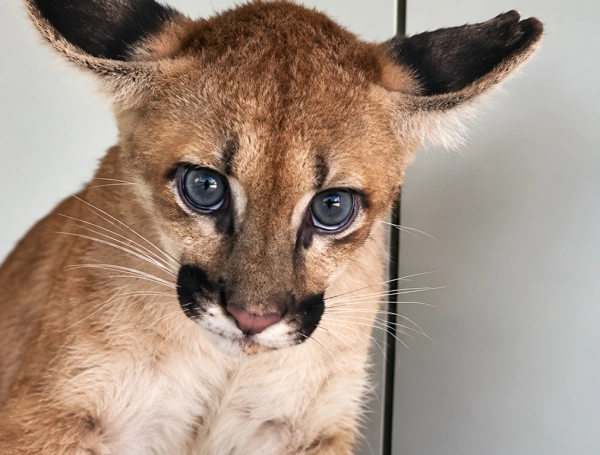
When Mufasa, a young puma, arrived at the CAD facility, his physical state was dire. Weighing a mere 3.3 kilograms, the cub was severely underweight and suffering from a heavy burden of parasites, including ticks and fleas. The neglect was evident, and his survival was, for a time, uncertain.

Upon admission, a multidisciplinary team of veterinarians and biologists initiated a rigorous recovery protocol. This involved not just medical intervention for his parasitic infestation, but a carefully calibrated caloric intake to ensure his development did not stall permanently. Through weeks of diligent care, Mufasa has defied the odds. Recent measurements show his weight has climbed to 4.5 kilograms, a significant milestone that indicates his body is finally beginning to thrive rather than merely survive.
Aurelio: A Quiet Battle for Health
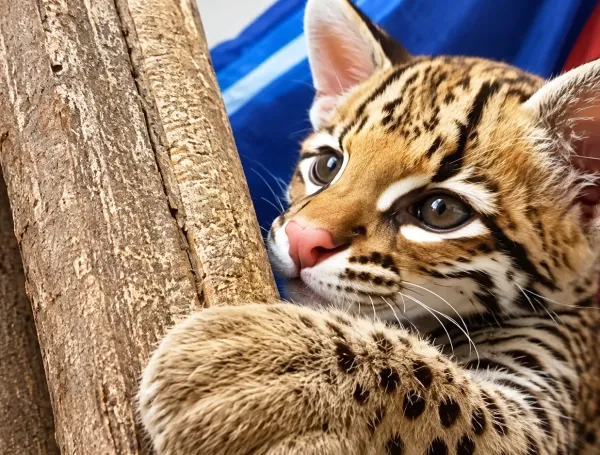
Aurelio, the ocelote, faced similar challenges. Like Mufasa, he was removed from a domestic environment that lacked the necessary components for a healthy wild predator’s development. He entered the facility weighing 2.75 kilograms. His transition to a specialized diet—consisting of high-quality proteins like chicken, meat, and essential vitamin supplements—has been central to his stabilization. Aurelio has shown steady progress, currently weighing in at 3.3 kilograms. His story highlights the specific nutritional deficits that wild animals suffer when forced into a human diet that does not meet their biological requirements.

The Science of Rehabilitation: Preparing for the Wild
Rehabilitating a predator is a complex, multi-layered process. It is not simply about restoring physical health; it is about re-instilling the instincts necessary for independence.
The Role of Specialized Nutrition
Veterinarians at the CAD emphasize that a "special diet" is more than just feeding the animals. It is a precise science designed to replace the nutrients they would naturally obtain through hunting and foraging. By incorporating vitamins and specific animal proteins, the medical team ensures that the skeletal and muscular development of Mufasa and Aurelio aligns with that of a healthy wild specimen.
Behavioral Conditioning
Beyond the medical examinations, the facility acts as a surrogate environment. The goal is to minimize human interaction to prevent the animals from becoming "imprinted" or too accustomed to human presence. Once an animal loses its natural fear of humans, its chances of successful release into the wild drop significantly. The staff uses techniques that mimic the unpredictability of their native environment, forcing the animals to use their senses and motor skills, effectively "waking up" the predatory instincts that were suppressed during their time as pets.
Official Responses and the Stance of the Gobernación de Santa Cruz
The Gobernación of Santa Cruz, through its Department of Natural Resources (DIRENA), has taken a proactive role in publicizing this case to educate the populace. Their official statements have been clear: "Mufasa and Aurelio are not pets."

In a widely disseminated public announcement, the regional government detailed the ongoing efforts of the CAD, underscoring the professionalism of the biologists and veterinarians involved. By putting names to the victims of the illegal wildlife trade, the government aims to humanize the issue and show citizens the real-world cost of keeping wild animals in a home.
Combating the Illegal Trade
The authorities have utilized the popularity of Mufasa and Aurelio’s recovery to launch an awareness campaign. They are calling upon the public to serve as the first line of defense against traffickers. The government’s directive is explicit:
- Report: Citizens are urged to report any suspected cases of illegal ownership or trafficking of wild fauna.
- Refrain: The public is reminded that "mascotism" (the act of keeping wild animals as pets) is a criminal offense and a death sentence for the animal.
- Cooperate: Supporting rehabilitation centers is the only ethical way to handle animals that have already been displaced from their homes.
The Broader Implications for Biodiversity
The situation in Santa Cruz is a microcosm of a global struggle. Bolivia, known for its incredible biodiversity, faces the constant threat of habitat fragmentation and illegal extraction.
The Cost of Mascotism
When a puma or an ocelote is kept as a pet, the damage goes beyond the individual. It removes a key predator from the ecosystem, potentially triggering a trophic cascade that affects smaller species and vegetation. Furthermore, the trauma experienced by these animals often makes them lifelong candidates for captivity; even with the best rehabilitation, some animals may never fully return to the wild, consuming resources that could have been used for broader conservation efforts.
The Path Forward: Education and Enforcement
The success of Mufasa and Aurelio is a triumph for the CAD team, but experts warn that it is only a temporary fix for a persistent systemic problem. The long-term solution requires a shift in cultural attitudes. The government’s current efforts to publicize the medical recovery of these animals serve a dual purpose: it proves that the state is actively protecting wildlife, and it serves as a deterrent to those who might consider purchasing a "cute" wild cub.
Conclusion: A Future in the Wild
As Mufasa and Aurelio continue to gain strength, their journey remains a testament to the resilience of nature. Their recovery is a slow, methodical process that requires patience, expertise, and a deep respect for the intrinsic value of wild life.

While they remain under the watchful eyes of their caretakers for the time being, the ultimate goal remains the same: a full return to the forests and plains of Bolivia. The progress made by these two felinos is a beacon of hope, proving that even after the cruelty of illegal confinement, the instinct for freedom can be nurtured back to life.
The public is encouraged to continue following the progress of the CAD’s efforts, as the story of Mufasa and Aurelio is far from over. Their eventual release will not only be a victory for two animals but a victory for the preservation of Bolivia’s natural heritage. As citizens, the responsibility is clear: to ensure that the next generation of pumas and ocelotes remains in the wild, where they belong, rather than behind the closed doors of a domestic home.