GLOBAL TOURISM INSIGHTS — As the global tourism industry looks toward the horizon of 2027, the traditional motivations of ticking off bucket-list destinations or merely escaping the humdrum of daily life are undergoing a profound transformation. According to a comprehensive global trends report released by Hilton, titled "The Great Rebalance: How Travelers Expect to Reset and Recalibrate in 2027," modern voyagers are no longer looking to flee their routines. Instead, they are actively seeking to recalibrate their worlds through unexpected discoveries, intentional flexibility, and deep personal evolution.
Backed by extensive research encompassing more than 14,000 travelers across 14 countries, the report illuminates a fundamental shift in human behavior. Travelers are prioritizing journeys that offer mental reset, emotional resonance, and structural adaptability over hyper-planned itineraries.

Main Facts: The Shift Toward Intentional and Flexible Travel
The core findings of the Hilton study indicate that the modern traveler is driven by a desire for equilibrium. Rather than running away from home, people are using travel as a strategic tool to re-align their lives.
Christopher J. Nassetta, President and CEO of Hilton, encapsulates this philosophical pivot:

"In place of escaping daily life, travelers are seeking to re-adjust their worlds through unexpected discoveries, finding a balance between structure and freedom, combining intention with flexibility, and setting goals without sacrificing the spontaneity of living new experiences."
Key data points underscore this trend:

- 76% of travelers report that having an upcoming trip scheduled gives them a tangible objective to strive for in their everyday lives.
- 71% of individuals state that booking a vacation serves as a direct psychological motivation to fulfill personal goals.
- 74% of participants choose their accommodations based on the specific feeling or experiential atmosphere they expect to inhabit during their stay.
The traditional vacation—once viewed strictly as a period of passive relaxation—has evolved into an active vehicle for self-actualization, hybrid digital-human planning, and micro-escapes.
Chronology of Tourism Evolution: From Mass Tourism to Personal Transformation
To understand how the travel landscape arrived at the threshold of 2027, it is helpful to examine the evolutionary stages of modern tourism over the past decade:
- Pre-2020 (The Era of Mass Tourism): Travel was heavily focused on volume, sightseeing, and rigid, heavily packed itineraries. Success was measured by how many monuments or countries a person could visit in a single fortnight.
- 2020–2023 (The Post-Pandemic Rebound): Driven by years of confinement, the industry experienced "revenge travel," characterized by massive surges in demand, overcrowded destinations, and an urgent, sometimes frantic need to simply be outside the home.
- 2024–2025 (The Digital Integration): Artificial intelligence and hyper-connectivity began reshaping how trips were researched. Travelers relied heavily on algorithms and digital tools, while simultaneously experiencing digital fatigue.
- 2026–2027 (The Great Recalibration): As projected by the latest industry indices, travel is entering an era of intentional mindfulness. Consumers are blending structure with flexibility, demanding high personalization, and insisting that travel deliver long-term personal growth rather than temporary distraction.
Supporting Data: Five Pillars Shaping the Future of Travel
The Hilton report isolates five distinct trends that will dominate the travel economy in 2027. These trends break down the psychological and operational mechanics of modern consumer behavior.
1. The Rise of the "More or Less" Mindset
Travelers are increasingly rejecting binary vacation styles (all-inclusive resorts versus rugged backpacking). Instead, they are adopting a fluid, hybrid approach that blends highly curated relaxation with spontaneous exploration. This "more or less" philosophy allows consumers to curate multi-faceted trips that adapt to their energy levels in real time.
2. The Travel Trust Equation: Human Experience vs. Artificial Intelligence
While artificial intelligence has revolutionized trip discovery, empirical data proves that the human element remains irreplaceable in the eyes of the consumer.
- 70% of travelers rely heavily on hotel staff as a primary source of trustworthy information when planning their trips.
- 87% of respondents state that family members remain their most trusted advisors for travel decisions.
- In contrast, only 22% of travelers trust AI to build a comprehensive, tailored itinerary, 20% trust it for restaurant recommendations, and a meager 18% believe it can help unearth hidden local gems.
Generational divides are apparent here: Millennials lead all demographics in trusting AI for itineraries (26%) and culinary recommendations (23%). Conversely, Baby Boomers lean heavily on human expertise, heavily favoring travel agents and on-site hospitality personnel. This delicate synthesis of tech discovery and human validation forms what industry analysts call the Travel Trust Equation.

3. Escapades for Growth: Travel as a Catalyst for Self-Improvement
Vacations are no longer viewed as a pause in personal development, but rather as an accelerator. Travelers expect to return home transformed—equipped with new perspectives, habits, or hobbies.
- Gen Z travelers are nearly twice as likely as Baby Boomers to expect a vacation to spark a brand-new hobby or interest that they can maintain post-trip.
- 42% of all global travelers confirm that past journeys have successfully introduced them to new passions.
4. Wellness Reinvented: Nature, Hydrotherapy, and the Nervous System
The definition of wellness travel has broadened significantly, merging analog relaxation with natural environments and targeted physiological recovery.

- 65% of global travelers actively seek out experiences designed to physically relax the body and reset the nervous system.
- 76% agree that travel allows them to recharge mentally and physically in ways that are nearly impossible while at home.
- Nearly 8 of 10 travelers view fresh air and outdoor activities as non-negotiable elements of relaxation.
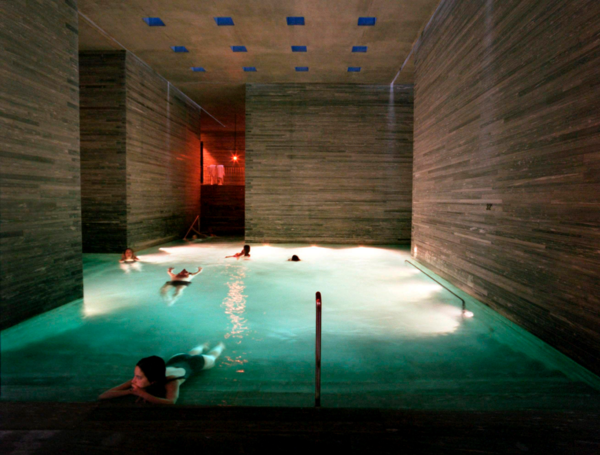
- Furthermore, 54% spend more time immersed in nature while traveling than in their normal routines, and 35% will book a specific hotel strictly for its outdoor wellness spaces. Hydrotherapy and dedicated water-centric experiences are also transitioning from luxury hotel add-ons to central pillars of the guest journey.
5. The Micro-Travel Mentality
Faced with rigid work schedules and dense family commitments, modern consumers are breaking their annual leave into shorter, more frequent micro-escapes.
- 21% of global travelers are systematically integrating more short trips into their annual planning.
- Definitions of a micro-trip vary culturally: 88% of travelers in the United States define a short trip as lasting under three to four days, whereas markets like Japan (86%) and South Korea (59%) have much tighter definitions, viewing micro-escapes as excursions lasting less than 48 hours.
- 26% of parents and 40% of solo travelers plan to actively blend short trips with longer, multi-week vacations over the coming year.
Official Responses and Industry Reactions
Hospitality leaders and sector analysts view the findings of the Great Rebalance report not merely as a marketing survey, but as a strategic roadmap for the next decade of tourism infrastructure.

Major hotel chains, boutique operators, and airline alliances are already restructuring their offerings to align with these insights. Investments are shifting away from cookie-cutter tourist packages toward modular hospitality services. By empowering front-line hospitality staff to act as local concierges rather than transactional check-in agents, brands are leaning into the Travel Trust Equation.
Furthermore, urban planners and eco-resort developers are accelerating investments in biophilic architecture, outdoor wellness circuits, and immersive nature integration to meet the surging demand for nervous system recovery.

Implications for Travelers and the Global Tourism Economy
The pivot toward intentional, flexible, and growth-oriented travel carries significant implications for both consumers and the broader economic landscape:
- For Hospitality Providers: Hotels and resorts must dismantle rigid booking structures. Flexibility is no longer a perk; it is a baseline expectation. Properties that fail to offer customizable wellness itineraries, local human insights, and adaptable stay lengths risk losing market share to agile competitors.
- For Technology Developers: AI platforms must evolve beyond generic itinerary generators. To win consumer trust across older demographics, AI tools must partner more closely with human travel experts and local curators, serving as a discovery engine backed by human validation.
- For the Everyday Traveler: The era of exhausting, checklist-driven tourism is giving way to mindful exploration. Travelers are invited to view their journeys not as temporary escapes from reality, but as deliberate investments in their own personal evolution, mental wellbeing, and lifelong learning.
As the tourism sector approaches 2027, the message from the global travel community is clear: the most successful journeys will be those that measure success not by the miles covered, but by the inner transformation achieved upon returning home.