By Global Environment Desk Published: October 23, 2026
Main Facts: The Accelerating Crisis of Aquatic Glaciers
In a groundbreaking study that redefines our understanding of global cryospheric loss, scientists have revealed that more than half of all glacial ice lost worldwide is concentrated in just 3 percent of the world’s glaciers.
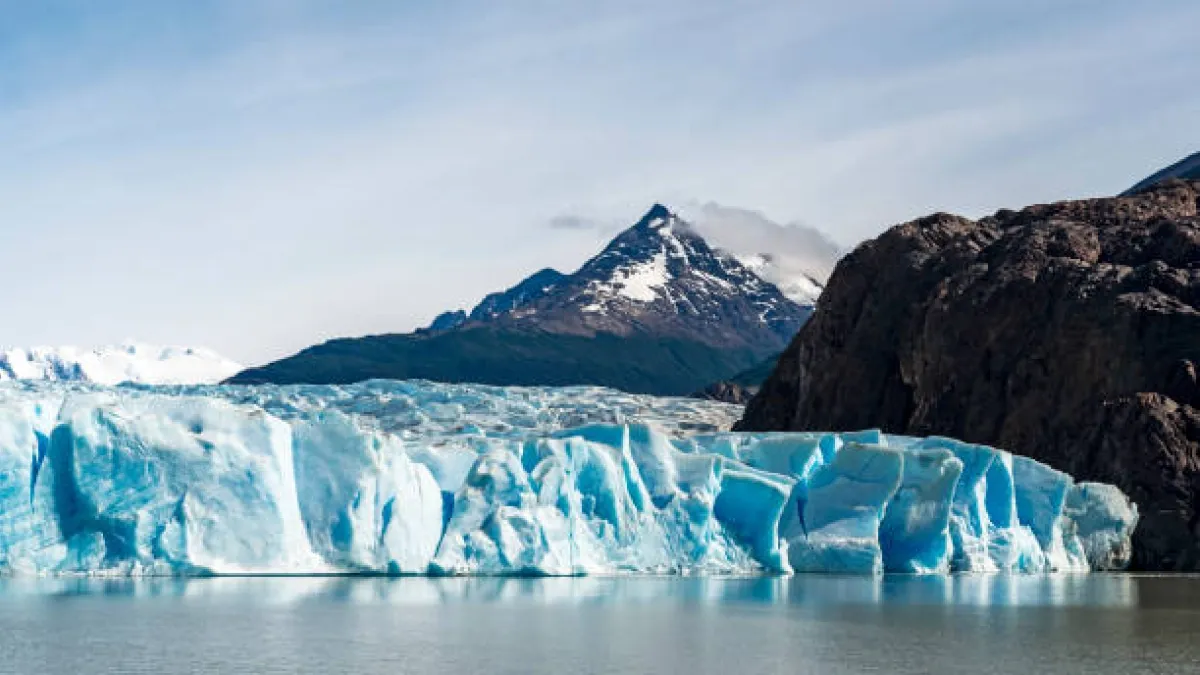
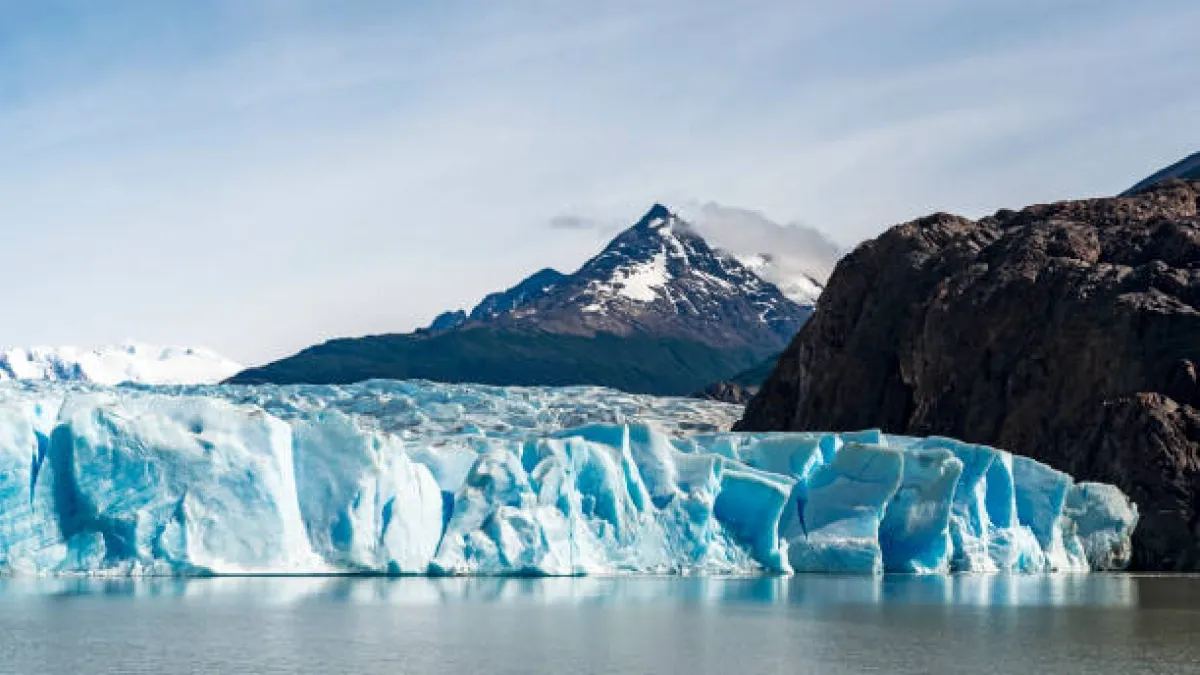
The research, spearheaded by an international team of scientists from the universities of Birmingham and Leeds in the United Kingdom, demonstrates conclusively that glaciers terminating in water—whether in lakes, oceans, or floating ice shelves—experience a dramatically accelerated rate of melting compared to those that end on solid ground.
According to the findings, which were published in the prestigious journal Nature Communications, glaciers ending in aquatic environments shed their mass up to 57 percent faster than their terrestrial counterparts. While these water-terminating masses represent a tiny fraction—merely 3.2 percent—of the more than 200,000 glaciers analyzed globally (excluding the massive ice sheets of Greenland and Antarctica), they accounted for an staggering 134,000 million (billion) tonnes of ice loss annually between 2000 and 2019.
This disproportionate loss is largely attributed to the complex physical and thermal dynamics of aquatic environments. Water bodies not only trigger the massive fracturing and calving of ice fronts—where giant blocks break off directly into the water—but also induce aggressive sub-surface melting below the water’s surface line. As global temperatures continue to rise, the proliferation of new glacial lakes is creating a dangerous feedback loop, supercharging the retreat of the world’s frozen reservoirs and forcing scientists to urgently revise their climate models.
Chronology: Two Decades of Observation and the Path to Discovery
To understand how researchers arrived at these startling conclusions, it is necessary to examine the timeline of modern glaciological monitoring and the evolution of satellite-based remote sensing.
2000–2019: The Baseline Era
For nearly two decades, glaciologists collected comprehensive mass-balance data across the globe. This 19-year window served as the foundational dataset for the recent study. During this timeframe, high-resolution satellite imagery, airborne altimetry, and on-the-ground measurements captured the unprecedented shrinkage of thousands of mountain glaciers, though the specific geographic nuances of where they terminated were not yet systematically quantified on a global scale.
The Analysis Phase (2023–2025)
Researchers at the Universities of Birmingham and Leeds embarked on a massive undertaking: cataloging and classifying over 200,000 glaciers worldwide. By separating them into distinct categories based on whether their termini ended on land or in water (lakes, fjords, and oceans), the team ran complex geospatial models to cross-reference ice-mass loss with terminal environments.
October 2026: Publication and Global Revelation
The culmination of these years of research materialized on October 23, 2026, with the official publication in Nature Communications. The study instantly captured the attention of the international scientific community, shifting the paradigm of how climate change models must account for localized glacial dynamics.
Supporting Data: By the Numbers
To grasp the sheer scale of the phenomenon documented by the Birmingham and Leeds research teams, one must examine the precise metrics that define the crisis:
3.2%: The microscopic percentage of the world’s glaciers (excluding Greenland and Antarctica) that terminate in water bodies, including lakes, oceans, and marine-terminating fjords.
>50%: The proportion of total global glacial ice loss that originates exclusively from this tiny 3 percent group.
57% Faster: The comparative rate at which water-terminating glaciers lose mass relative to glaciers that end on dry land.
134 Billion Tonnes: The average annual volume of ice shed by water-terminating glaciers each year between 2000 and 2019.
200,000+: The total number of individual glaciers classified and analyzed in the study to establish these baseline parameters.
Scientific Insights and Official Responses
The implications of the study have triggered intense discussions among climatologists, hydrologists, and policymakers. The mechanics of how water accelerates glacial decay are complex, multifaceted, and—in some respects—still being unraveled.
Dr. Joe Mallalieu, a primary researcher on the study who conducted the work while at the University of Birmingham before transitioning to the University of Leeds, emphasized both the clarity of the data and the mystery that remains.
"Glaciers that terminate in lakes are particularly striking because they are losing ice with such specialized rapidity," Dr. Mallalieu explained in an official research summary.
However, he was quick to note that science still has crucial questions to answer.
"We don’t yet know with absolute exactness why this is happening. It could be driven by the thermal properties of the lakes themselves, the specific size and morphology of the glaciers, or a complex combination of both. Deciphering this phenomenon is our next great scientific challenge, especially because glacial lakes are becoming exponentially more common in a warming climate."
When lakes form at the foot of a retreating glacier, they create a destructive double-whammy:
Calving: The buoyant force of the water destabilizes the glacier’s tongue, leading to massive blocks of ice shearing off and crashing into the water.
Sub-surface Thermal Erosion: The water—often warmed by ambient atmospheric temperatures and solar radiation—melts the ice structure below the waterline, undercutting the glacier and causing structural collapses from within.
Implications: Sea-Level Rise, Water Security, and Climate Models
The findings published by the British research team are far from just an academic exercise; they carry profound, direct consequences for human populations across the globe.
1. Re-evaluating Sea-Level Rise Projections
Until recently, many predictive climate models treated glaciers as a relatively homogenous mass, failing to fully account for the accelerating feedback loops introduced by proglacial lakes (lakes formed by melting glaciers). By integrating these new findings into global predictive software, scientists can now refine projections regarding how quickly sea levels will rise in the coming decades, giving coastal cities and island nations more accurate timelines for adaptation and mitigation.
2. Threat to Global Water Resources
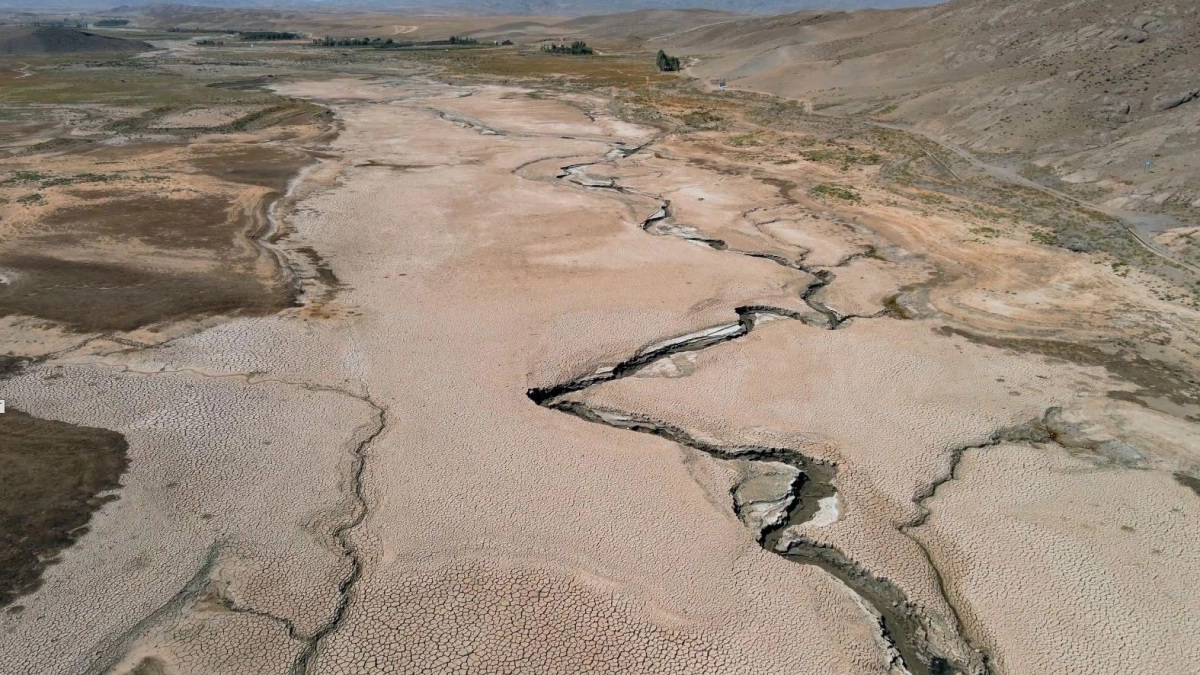
Millions of people in regions like the Andes, the Himalayas, and the Alps rely on seasonal glacial meltwater for drinking, agriculture, and hydroelectric power. Initially, accelerated melting provides an excess of water, but this is a false security. Once these glaciers experience critical mass depletion—particularly the fast-draining aquatic ones—the long-term result will be severe water scarcity for downstream communities.
3. Geohazards and Glacial Lake Outburst Floods (GLOFs)
As more water accumulates at the feet of these rapidly melting glaciers, the risk of Glacial Lake Outburst Floods (GLOFs) multiplies. These catastrophic events occur when natural moraine dams fail, sending walls of water, mud, and debris rushing down mountain valleys, threatening mountain villages and infrastructure worldwide.
As the scientific community prepares for the next phase of research—decoding the exact micro-interactions between warming lake waters and glacial snouts—the message from the cryosphere is unmistakable: the clock is ticking, and the dynamics of our warming planet are proving far more volatile than previously understood.
By Edwin Caicedo Environment and Health Journalist Main Facts In the heart of Colombia’s Magdalena Middle region—an area historically scarred by intense deforestation, agricultural expansion, and cattle ranching—a quiet ecological renaissance is taking root. The…
Global meteorological agencies, including the World Meteorological Organization and the Ideam, warn that the upcoming El Niño cycle could become the most severe event recorded since 1950, bringing profound multi-sectoral impacts on water security, public…
Bogotá — For over six decades, the automotive landscape has witnessed the birth, rise, and fall of countless vehicles designed strictly for smooth asphalt. Yet, a rare few transcend mere transportation to become living testaments…