In the depths of our oceans, a silent data crisis is unfolding. Every day, thousands of divers, recreational fishers, and coastal citizens encounter rare species, witness environmental degradation, or stumble upon critical ecological threats. Yet, for decades, this wealth of information has remained trapped in the digital galleries of smartphones or forgotten as mere vacation souvenirs. A groundbreaking initiative is now changing this paradigm, transforming casual ocean observers into a formidable network of environmental sentinels.
The "Marine Tree of Life" (Árbol de la Vida Marina), a platform spearheaded by the Fiatmar Foundation and born from the practical needs of the Atlántida Diving Center, is turning the act of observation into actionable intelligence for environmental authorities. By democratizing marine science and bridging the gap between citizens and policymakers, the project is redefining the concept of “citizen science.”
The Genesis of a Digital Sentinel
The project’s inception was driven by a fundamental frustration experienced by marine biologists and diving professionals. Lina Rico Muller, a marine biologist, diving instructor, and co-founder of the initiative, explains that the system was designed to solve a recurring logistical nightmare: the difficulty of formalizing complaints or reports about underwater ecological crimes.
“Formalizing a complaint about what was happening underwater was often an exhausting, bureaucratic, and sometimes intimidating process,” Rico notes. The team recognized that the traditional monitoring systems employed by governmental agencies were inherently limited by resources and frequency. They needed a way to tap into the “thousands of eyes” already traversing the reefs.

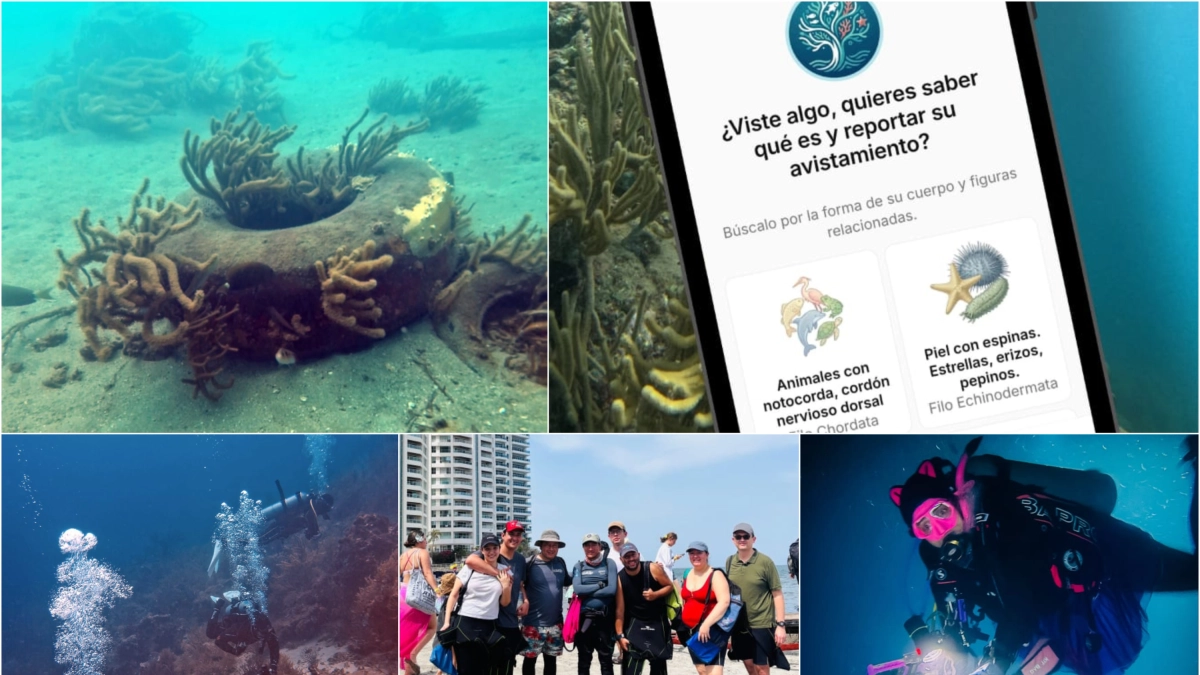
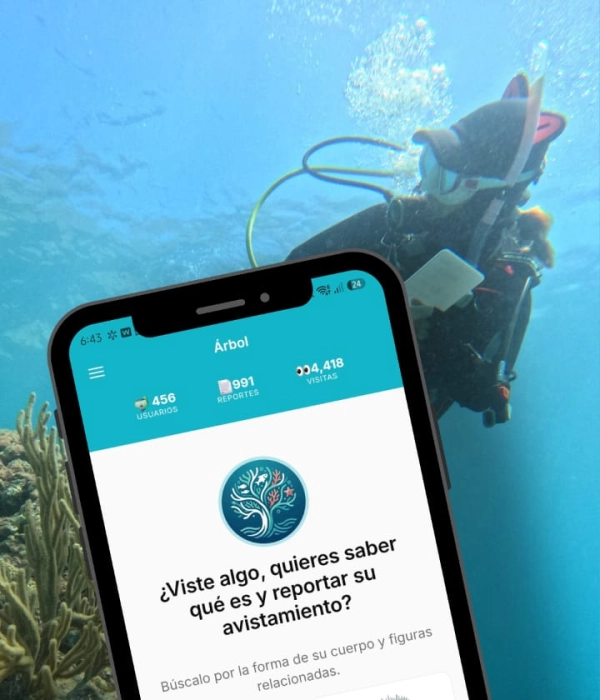
The solution was the development of a Progressive Web App (PWA) that requires no complex installation. By translating dense scientific jargon into accessible, user-friendly language, the platform empowers any individual—regardless of their academic background—to contribute to a high-level scientific database.
Chronology of a Growing Movement
Since its launch approximately six months ago, the platform has seen exponential growth, proving that the public is eager to participate in conservation if given the right tools.
- Initial Concept Phase: Born from the operational reality of the Atlántida Diving Center, the project sought to bridge the disconnect between the diving community and marine biology research.
- The Development Phase: The team spent months refining the PWA, ensuring it could handle image uploads, species identification, and, most importantly, the systematic categorization of environmental threats.
- Launch and Early Adoption: Upon going live, the platform saw an immediate influx of users. Within its first half-year, it reached nearly 500 registered users.
- Data Validation: The team established a rigorous curatorial process where experts review submissions. To date, over 1,000 reports have been fully validated, with hundreds more in the queue.
- Scaling Up: The project is now moving beyond its pilot phase in Santa Marta, with concrete plans to expand its reach to the Gulf of Morrosquillo and the San Andrés archipelago within the next 12 months.
Supporting Data: The Power of Crowdsourced Evidence
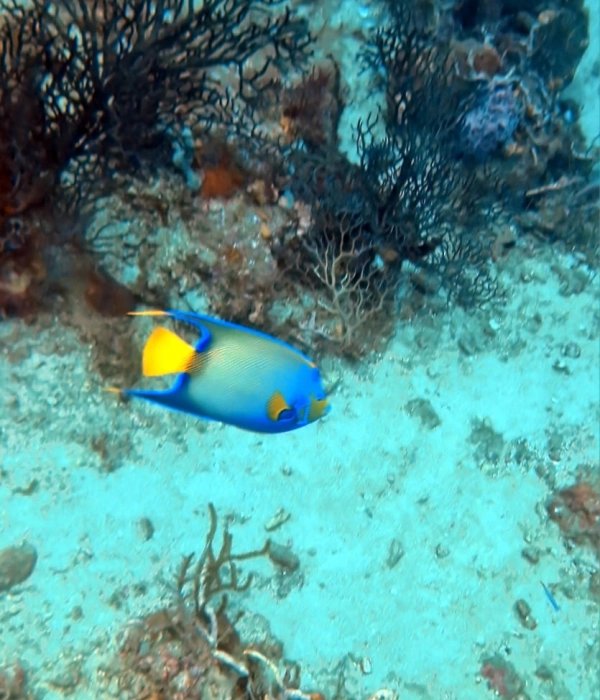
The efficacy of the Marine Tree of Life is best illustrated through its comparative data analysis. In one striking instance, local environmental authorities (Corpamag) had officially reported five specimens of the invasive lionfish across two bays during their scheduled monitoring cycles. In that same timeframe, the Marine Tree of Life platform had successfully logged 71 sightings of the same species, all provided by citizen observers and validated by the platform’s scientific team.
This disparity underscores a critical advantage: the ubiquity of the citizen observer. While state agencies are often restricted by budget and scheduling, the diving community is present in the water every single day.
Current Statistical Snapshot:
- Total Users: 499
- Species Cataloged: 371
- Total Observations: 1,403
- Validated Reports: 1,050
- Threat-Related Reports: 234
The database is not merely a list; it is a dynamic tool. It allows researchers and authorities to filter information by species, geographical location, health status, and conservation category, utilizing international standards such as the IUCN Red List, CITES, and the SPAW protocol.
Gamification and the "Frequency Illusion"
A significant hurdle in citizen science is maintaining user engagement beyond the initial excitement. To combat "data fatigue," the Marine Tree of Life has integrated a sophisticated gamification system. Users earn points for accurate identifications and progress through levels of "citizen scientist" expertise. These achievements are not merely symbolic; they offer the potential for rewards from corporate partners, fostering a sense of community and long-term commitment.
Lina Rico explains this through the lens of psychology and biology: the "frequency illusion." When a person learns to identify a specific animal or coral species, they begin to notice it more often, leading to a deeper cognitive and emotional connection. "The one who knows, values," Rico says. By transforming the tourist or hobbyist into a researcher, the platform fosters a culture of stewardship.
Official Responses and Institutional Integration
The ultimate goal of the Marine Tree of Life is not to exist in a vacuum but to become an integral part of the governmental reporting framework. The team has already initiated dialogues with entities such as Corpamag and the National Parks of Colombia.
The mechanism for these alerts is remarkably efficient. When a user reports a critical issue—such as an entangled sea turtle, a disease outbreak in a coral reef, or the illegal sale of protected species like the parrotfish—the platform’s team triggers an early warning. This warning is then formalized into a "right of petition" (a legal tool in many jurisdictions) that is sent to the relevant environmental authorities.
In one documented case, a photograph uploaded by a user regarding the illegal sale of a parrotfish in Playa Grande provided sufficient evidence for authorities to track and respond to the incident, creating a trail of accountability that previously did not exist.
Implications for the Future of Ocean Conservation
The implications of this project are far-reaching. By shifting from traditional, centralized monitoring to a decentralized, citizen-powered model, we are essentially creating a "nervous system" for the ocean.
1. Shift to "Regenerative Diving"
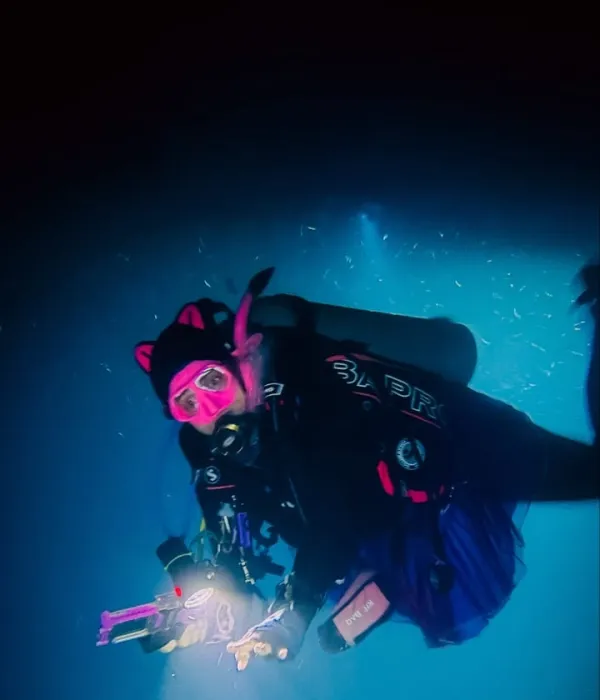
The project advocates for a change in the philosophy of recreational diving. Instead of viewing the ocean as a destination to be consumed, the "Marine Tree of Life" promotes the concept of regenerative diving. In this model, every dive is an act of data collection. The diver becomes a guardian, ensuring that their hobby contributes to the long-term viability of the ecosystem they enjoy.
2. Filling Scientific Blind Spots
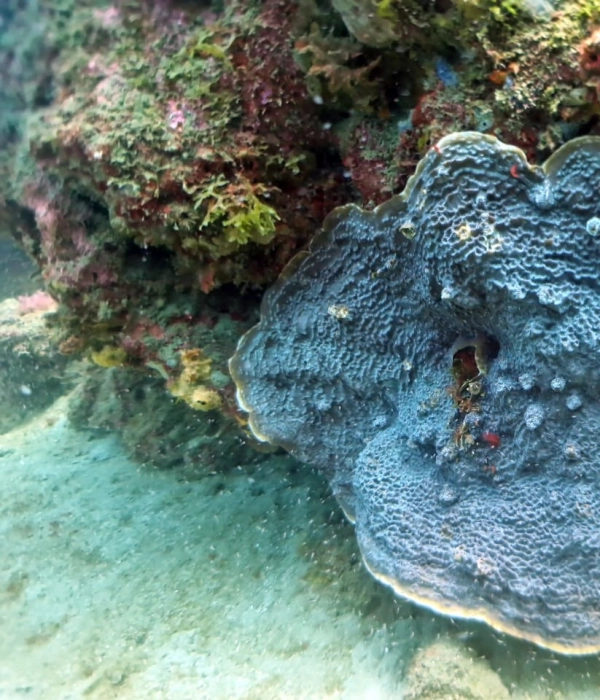
As noted by the discovery of specific coral species in Santa Marta currents—species that were missing from official scientific literature but known to local divers—the platform is uncovering biodiversity that traditional academic research has overlooked. This proves that local knowledge is an invaluable, untapped resource for global conservation efforts.
3. Scaling for Global Impact
The roadmap for the next 12 months is ambitious: 20 active dive centers, 5,000 sightings, and 10,000 unique data visualizations. If the current trajectory holds, the project could serve as a blueprint for coastal nations worldwide.

Conclusion
The "Marine Tree of Life" is a testament to the fact that modern conservation does not always require massive infrastructure; sometimes, it requires only the democratization of technology and the mobilization of a passionate public. By turning a simple photo into a data point, the project is ensuring that the ocean is no longer an invisible frontier, but a well-monitored, deeply valued, and protected legacy.
As Rico aptly summarizes, the project was created so that "divers could finally be heard." Through this platform, they are not only being heard; they are being counted as the primary defenders of the marine world. Whether it is a professional researcher or a weekend snorkeler, every user of the platform is now a vital node in a growing network dedicated to the survival of our blue planet.