By Edwin Caicedo, Environment and Health Correspondent
Updated: October 8, 2026
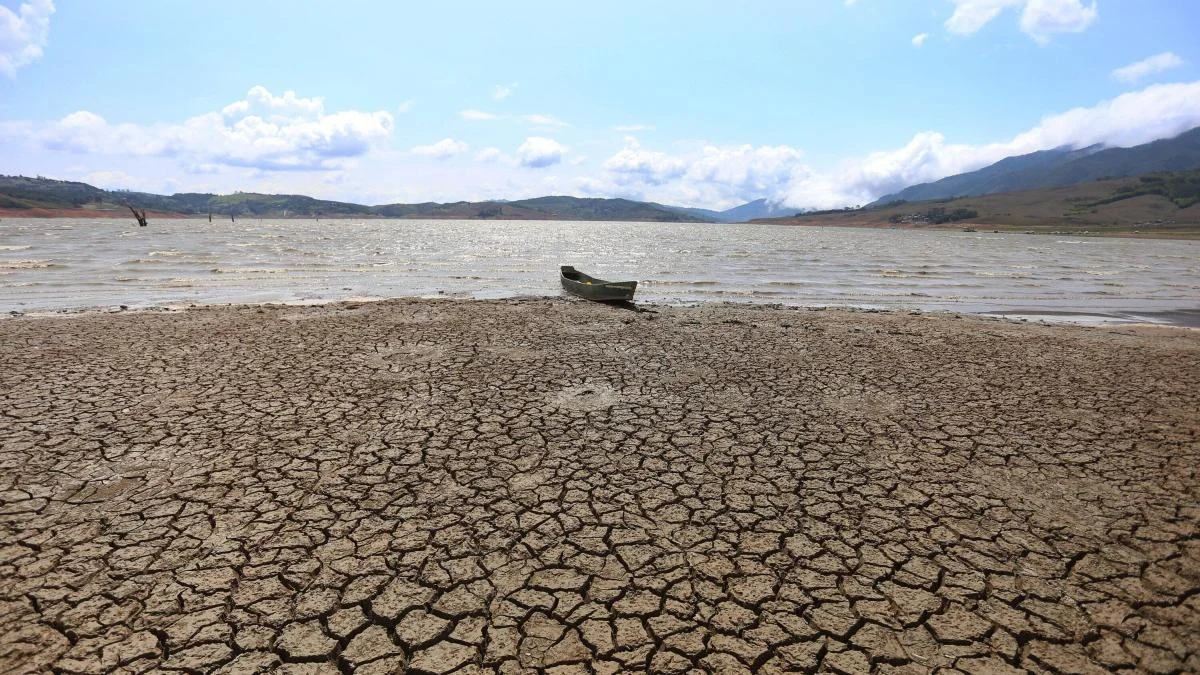
The Colombian government has officially confirmed the arrival of the El Niño climate phenomenon, a meteorological event that has been under intense scrutiny by international scientific bodies for months. With this official declaration, the country enters a high-alert phase, as projections indicate the phenomenon could reach moderate to intense levels, threatening to disrupt water supplies, energy security, and agricultural stability through the first quarter of 2027.
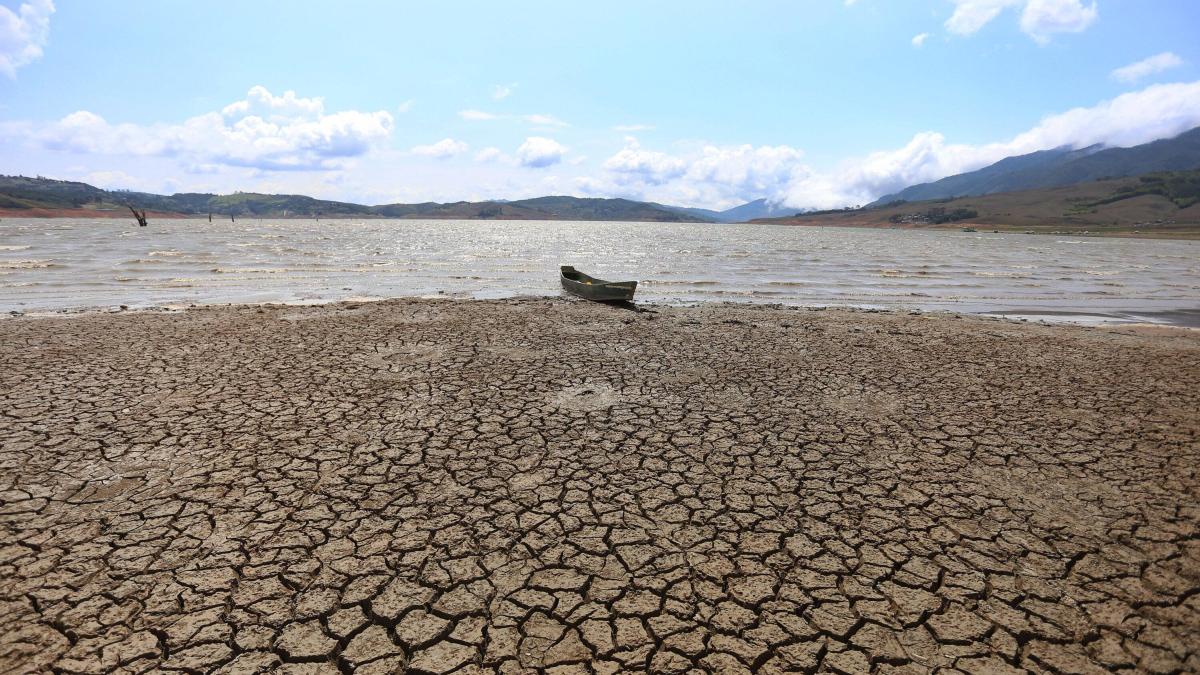
While the atmospheric and oceanic signals—characterized by warming in the equatorial Pacific—had been observed since mid-2026, the official confirmation marks a transition from "monitoring" to "active contingency management." As the country prepares for a period of reduced rainfall and soaring temperatures, the focus shifts to how the nation will manage its critical resources in the face of a prolonged climate anomaly.
Understanding the Shift: From Monitoring to Confirmation
The distinction between "observing conditions" and "confirming the phenomenon" is grounded in rigorous scientific methodology. Meteorologists at the Institute of Hydrology, Meteorology, and Environmental Studies (Ideam) emphasize that the declaration of El Niño is not merely based on a spike in Pacific Ocean surface temperatures. It requires a sustained pattern of anomalies that affect atmospheric circulation.

Scientific criteria for this declaration include the persistent warming of the ocean surface, the weakening or reversal of trade winds, and, crucially, the decoupling of expected cloud patterns and rainfall. When these factors align consistently over several months, the scientific community can confirm that the complex, interconnected engine of the El Niño-Southern Oscillation (ENSO) is in full effect.
For Colombia, this means that while regions like the Caribbean, the Andean interior, and the Pacific coast are still experiencing seasonal rainfall, the underlying atmospheric structure is now primed for a significant shift. The consensus among international experts—including the U.S. National Oceanic and Atmospheric Administration (NOAA)—is that these conditions are likely to persist, creating a "new normal" for the coming months that necessitates immediate government intervention.

A Chronology of a Developing Crisis
The path to this week’s official announcement was paved with months of data collection and growing concern.
- June 2026: Ideam first detects anomalous warming in the equatorial Pacific. Early reports suggest a high probability that these conditions will evolve into a full-scale El Niño event.
- July – August 2026: Monitoring stations confirm that the ocean-atmosphere coupling is strengthening. The persistence of these anomalies signals that this will not be a fleeting weather event but a sustained climate shift.
- September 2026: Scientific models begin to converge on a timeline, projecting that the peak intensity of the phenomenon will likely coincide with the end of 2026 and persist through the first quarter of 2027.
- October 8, 2026: Following a comprehensive review of the latest atmospheric data, the Colombian government officially acknowledges the presence of El Niño and triggers national emergency preparedness protocols.
The Triple Threat: Water, Energy, and Fire
The implications of a strong El Niño in Colombia are multi-faceted, with the most immediate risks concentrated in the country’s water and energy sectors.

The Energy Dilemma
Colombia relies heavily on hydroelectric power to supply its national grid. In a normal climate cycle, consistent rainfall ensures that reservoirs remain at levels sufficient to drive turbines year-round. However, El Niño-induced droughts threaten to lower water levels in these reservoirs.
The Ministry of Mines and Energy has already initiated a "shock plan" to ensure energy security. This strategy includes:
- Thermal Generation Reinforcement: Increasing the output of thermal power plants to compensate for reduced hydroelectric capacity.
- Fuel Supply Logistics: Ensuring that thermal plants have adequate reserves of coal, gas, and liquid fuels to operate at higher-than-usual capacities.
- Efficiency and Savings Campaigns: Launching public awareness initiatives under the "Energy YA" (Energy NOW) banner to encourage industrial and household energy conservation.
Water Scarcity and Drought
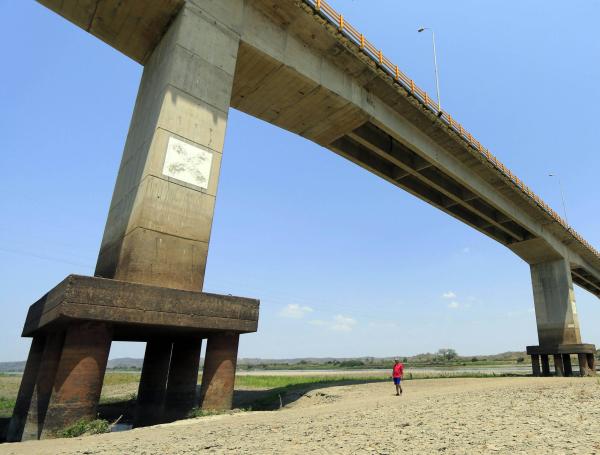
Beyond power generation, the potential for water shortages is a primary concern for both urban and rural centers. Reduced precipitation leads to the depletion of surface water sources and puts immense pressure on municipal water treatment and distribution systems. As the dry season approaches, cities that rely on specific watersheds may face rationing if conservation protocols are not strictly followed.
The Rise of Forest Fires
Perhaps the most visible and immediate danger is the increased risk of wildfires. Drier vegetation, combined with higher ambient temperatures and strong winds, creates the perfect conditions for forest fires to ignite and spread rapidly. The National Unit for Disaster Risk Management (UNGRD) has significantly bolstered its monitoring capabilities, using satellite imagery to detect heat signatures in real-time. This improved surveillance is intended to allow for a faster, more effective response from civil defense and firefighting units.
Institutional Response: Law and Strategy
The Colombian government’s reaction is being managed under a strict legal framework. The implementation of the Presidential Directive 03 and the Law 1523 of 2012 (which governs disaster risk management) provides the legal teeth for the current response.
Every government entity, from the municipal level up to national ministries, has been mandated to have their specific contingency plans fully formulated and activated no later than November 30, 2026. This deadline is critical, as it precedes the most intense phase of the dry season, which traditionally hits the country in late December and early January.

The Ministry of Environment and Sustainable Development is focusing on the protection of strategic ecosystems. This includes monitoring endangered páramos (high-altitude moorlands), which are the country’s primary water factories. Protecting these zones from agricultural encroachment and accidental fires is a top priority for the next six months.
Regional Variability: A Complex Climate Map
It is a common misconception that El Niño results in a uniform drought across the entire country. Meteorologists warn that while the overarching trend is "drier and hotter," the effects are highly regionalized.
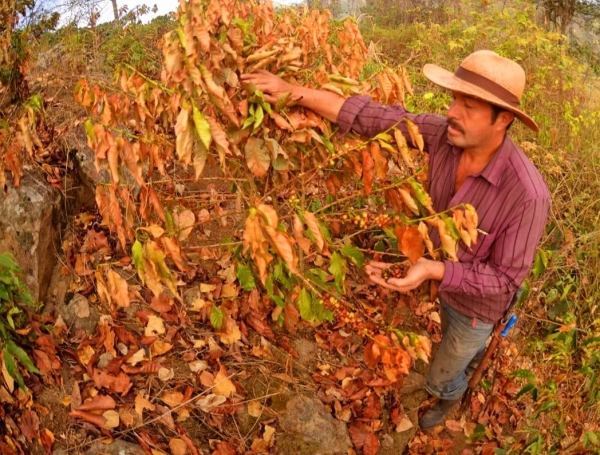
In some parts of the country, El Niño can actually cause localized flooding or sudden, intense storms. These "flash" events are a dangerous byproduct of a changing climate, where the atmosphere holds more heat and energy, leading to unpredictable precipitation patterns. Consequently, the national preparedness strategy includes not only drought management but also readiness for sudden, high-intensity rain events that can trigger landslides and flash floods in mountainous regions.
Looking Ahead: The Challenges of 2027
The next several weeks will be a testing ground for Colombia’s resilience. With the official announcement now behind them, the authorities are transitioning into a high-intensity operational phase.

"The goal is not to stop the climate, but to minimize the impact on our most vulnerable populations and our critical infrastructure," said a spokesperson for the environmental sector. "We are looking at a sustained, difficult period, but through inter-institutional coordination and public cooperation, we aim to maintain both the taps and the lights functioning throughout the duration of this event."
As we move into November and December, the focus will remain on the reservoirs and the fire-risk maps. For the average citizen, the message from the government is clear: while institutions are taking all necessary steps to mitigate the effects, the success of these measures depends on collective responsibility—including water and energy saving habits that will be essential to navigate the next few months safely.

The journey through the 2026-2027 El Niño event will be long, but by acknowledging the reality of the crisis today, Colombia is attempting to build a shield against the most severe potential outcomes. The coming months will determine the effectiveness of these strategies as the nation faces one of its most significant environmental challenges of the decade.