By: Editorial Staff, Últimas Noticias
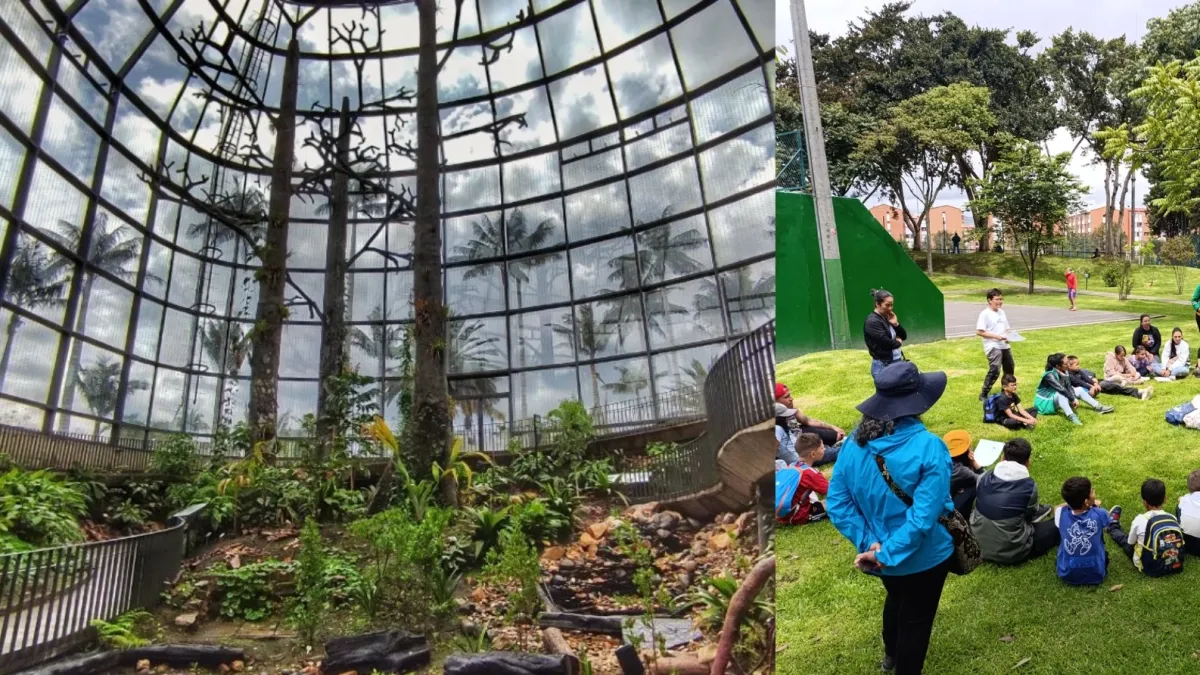
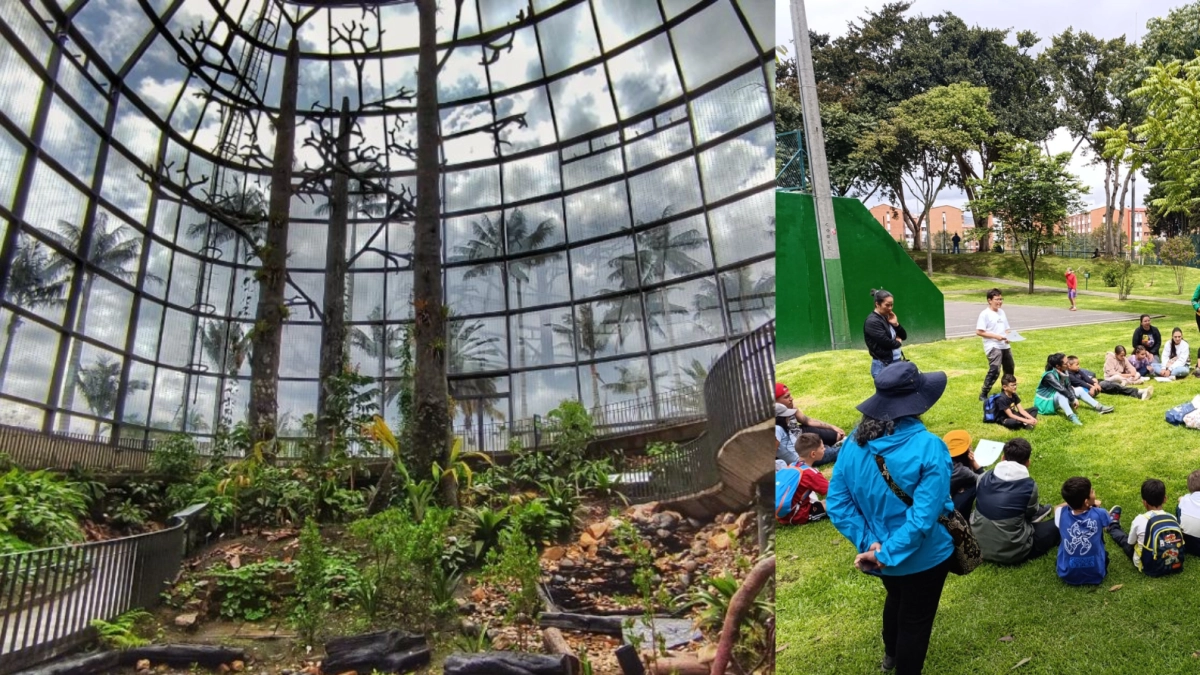
As the academic calendar in Colombia shifts toward the highly anticipated October school recess, the Bogotá Botanical Garden "José Celestino Mutis" (JBB) has positioned itself as the city’s primary hub for environmental education and family-oriented cultural immersion. Located in the heart of the Barrios Unidos locality, the institution has curated an expansive, week-long program running from October 5 to October 12, 2026, designed to transform scientific inquiry into a tangible, playful experience for citizens of all ages.
The initiative, which aligns with the city’s broader efforts to promote ecological literacy, offers a diverse array of activities ranging from specialized botanical exhibitions to hands-on workshops in origami and naturalistic illustration. By bridging the gap between academic theory and interactive practice, the JBB aims to foster a deeper understanding of the vital role nature plays in urban resilience, particularly as the city grapples with shifting climate patterns and the impacts of the 2026 El Niño phenomenon.
A Strategic Approach to Environmental Literacy
The core mission of this year’s program is to facilitate a meaningful dialogue regarding the state of our planet. According to the Bogotá Mayor’s Office, the garden is hosting a series of forums and workshops between October 3 and October 10 that specifically target the younger generation—children, adolescents, and their families.
These initiatives utilize pedagogical strategies that treat the garden as a "living laboratory." By integrating ludic dynamics with rigorous scientific observation, the JBB ensures that participants do not merely observe nature, but engage with it. The program highlights the importance of biodiversity, the mechanics of plant life, and the critical role of forest ecosystems in global climate mitigation. Whether through the lens of a magnifying glass examining lichen or the delicate fold of a paper star, visitors are encouraged to see the interconnectedness of all living things.
Chronology of the October Recess Program
The JBB has structured its agenda to ensure a logical progression of learning. Below is the official schedule of events designed to maximize engagement across the week:
The Week of Discovery (October 5–10, 2026)
- Monday, October 5: The week kicks off with the "Scientific Vacations: Doctors of the Forest" program. This intensive session, which requires prior registration, introduces participants to the roles different species play in maintaining forest health.
- Tuesday, October 6: A day of exploration featuring "Scientific Vacations: Hunters of Lichens and Fungi." Attendees will participate in a guided tour focused on the mitigation of climate change through forest preservation, followed by an origami workshop focused on marine star formations and a thematic tour detailing the effects of the 2026 El Niño on local forestry.
- Wednesday, October 7: Focus shifts to the vital process of pollination with the "Scientific Vacations: Pollinator Race," followed by a dedicated origami session exploring the anatomy and biological importance of flowers.
- Thursday, October 8: Participants move into structural design with "Scientific Vacations: Building the Tropicario." This is complemented by an illustration workshop where students can practice drawing techniques based on the historic and celebrated botanical plates of José Celestino Mutis.
- Friday, October 9: An action-packed day featuring "Scientific Vacations: Ornithologists of the Garden," a cultural diversity fair centered on the theme "Dialogue, Recognition, and Care from Diversity," and an educational tour on the symbiotic relationship between trees and water. The day concludes with artistic sessions focused on the vibrant colors of nature and creative drawing exercises.
- Saturday, October 10: The program culminates with the "October Big Day," a global bird-watching initiative, alongside interactive forest interpretation games and an "Oracle of the Trees" session, which asks participants to reflect on the messages forests communicate to humanity.
Supporting Data: Accessibility and Participation
A significant focus for the JBB this year has been the democratization of access to these scientific resources. Understanding that spontaneity is key to family outings, the garden has established a hybrid registration system.
For activities requiring advance booking, such as the "Scientific Vacations" series, interested parties have two primary options:
- In-person Registration: Families may register on the day of the event by presenting the minor’s identification document at the JBB entrance.
- Virtual Registration: A dedicated form is available through the official JBB website, allowing for seamless planning and capacity management.
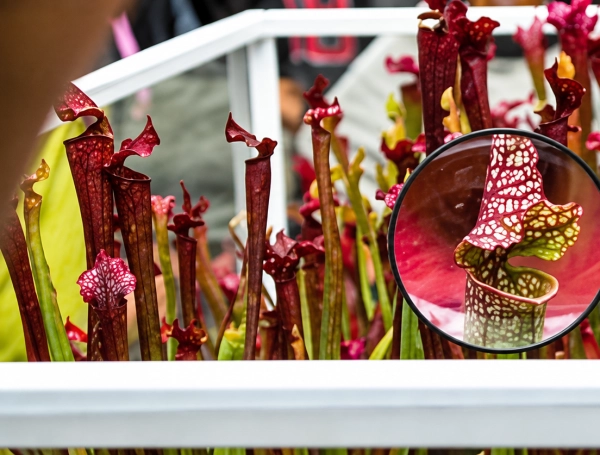
This accessibility is part of a broader trend at the Botanical Garden. Earlier in the month, on October 3 and 4, the institution successfully hosted the 54th edition of the Agroecological Farmers’ Markets. This event featured local urban agriculture projects, a high-traffic exhibition of over 1,000 carnivorous plants, and a series of "Botanical Impression" workshops. These earlier events served as a successful pilot for the current week-long recess program, proving that public interest in environmental sustainability remains at an all-time high in the capital.
The Role of Scientific and Cultural Institutions
The JBB’s efforts are not isolated; they are part of a larger institutional narrative that emphasizes the discovery of new species—such as the recent reports of Peperomia found in the Macarena and La Lindosa regions—and the promotion of mushroom-based culinary entrepreneurship. By hosting these events, the Garden is reinforcing its status as a premier research center that doubles as a public cultural space.
The "October Big Day" and the "Interculturality Fair" are particularly notable, as they represent a shift toward viewing the Botanical Garden as a social space where citizens from all walks of life can congregate. By recognizing that urban citizens have a diverse range of ways to "inhabit" their territory, the JBB is fostering a sense of shared responsibility for Bogotá’s green canopy.
Implications for the Future
The implications of such a robust educational program are twofold. First, there is the immediate benefit of providing a safe, intellectually stimulating environment for children during their school break. Second, and perhaps more importantly, is the long-term impact of cultivating a generation of "citizen scientists."
By learning about the intricacies of the Tropicario or the microscopic world of fungi, participants are more likely to support conservation policies and adopt sustainable habits in their daily lives. The inclusion of artistic activities, such as drawing and origami, serves to lower the barrier to entry for science, making complex concepts accessible to those who might otherwise feel intimidated by academic botany.
As the JBB continues to evolve, it remains a vital pillar for Bogotá. Whether through the study of medicinal plants or the preservation of native forests, the garden ensures that the legacy of José Celestino Mutis—a commitment to understanding and cataloging the natural world—remains alive and relevant in the 21st century.
For those planning to attend, the Garden encourages visitors to arrive early, dress for variable weather, and bring an open mind. With a full schedule covering everything from the smallest lichen to the largest forest, the 2026 October recess at the Bogotá Botanical Garden promises to be a milestone in the city’s ongoing commitment to ecological stewardship.

Quick Guide for Visitors:
- Location: Jardín Botánico de Bogotá, Barrios Unidos.
- Dates: October 5–12, 2026.
- Resources: Detailed schedules and registration forms are available at jbb.gov.co.
- Requirement: Please bring a valid ID for all children participating in registered activities.