By Nicholas Stern
The global community stands at a precarious crossroads. For years, the 1.5°C threshold established by the 2015 Paris Agreement has served as our North Star—a critical limit intended to prevent the most catastrophic outcomes of anthropogenic climate change. However, as recent data from the United Nations Environment Programme (UNEP) and leading meteorological institutes suggest, we must now confront a sobering reality: global mean temperatures are poised to surpass this ambitious target.
This is not a signal to abandon our climate goals, but rather a clarion call to pivot our strategy. We are moving from a phase of "prevention" to a complex, dual-track reality that requires simultaneous efforts in aggressive mitigation, structural adaptation, and the controversial exploration of geoengineering.
The New Climate Calculus: Facts and Projections
The mathematics of our climate trajectory are unforgiving. Despite the rhetoric surrounding international climate summits, the current trajectory suggests a world warming well beyond the initial 1.5°C limit. Even under optimistic scenarios where nations fully honor their current Nationally Determined Contributions (NDCs), the planet is on track to reach approximately 1.8°C of warming by the end of this century. If current policies—rather than aspirational promises—continue, that figure could climb as high as 2.6°C.

The Chronology of a Crisis
- 2015: The Paris Agreement is signed, setting the 1.5°C goal as the benchmark for global climate policy.
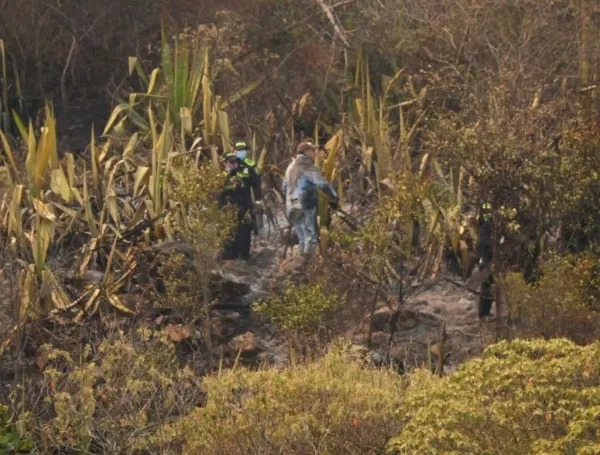
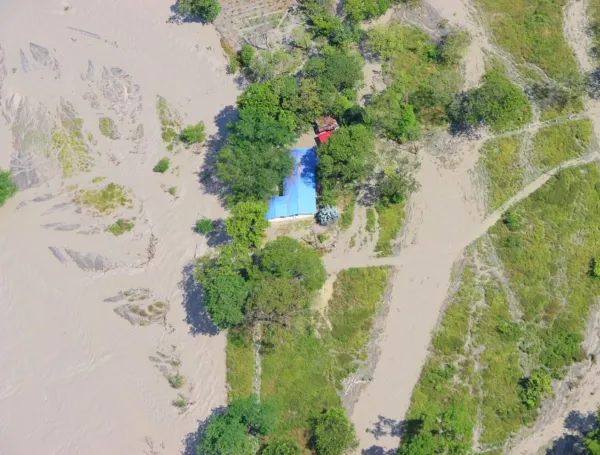
- 2020–2025: A series of record-breaking heatwaves, unprecedented flooding in regions like the Meta department in Colombia, and accelerating glacial melt underscore the acceleration of climate instability.
- 2026 (Present): Scientific consensus shifts toward the reality of "overshoot." Discussions move from theoretical prevention to the practical management of climate-induced losses and damages.
- 2030–2050 (Projected): The critical window for reaching "net-zero" emissions. Failure to meet these milestones will likely trigger irreversible "tipping points," such as the collapse of the West Antarctic ice sheet.
The Physical and Economic Cost of Overshoot
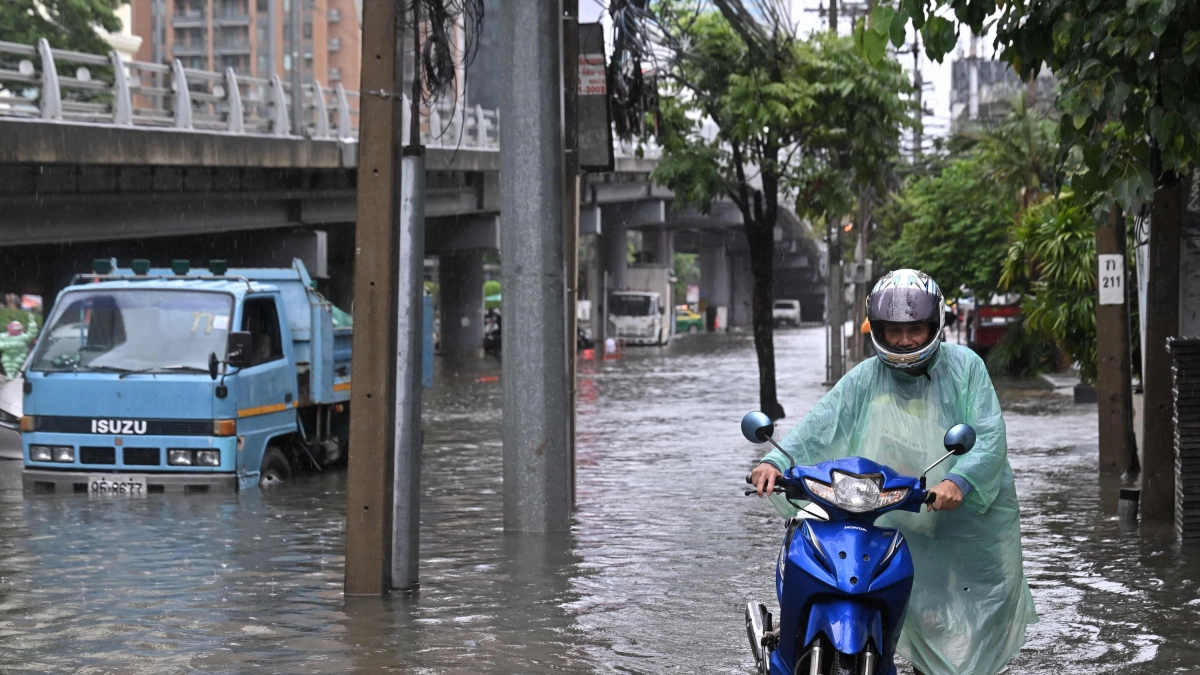
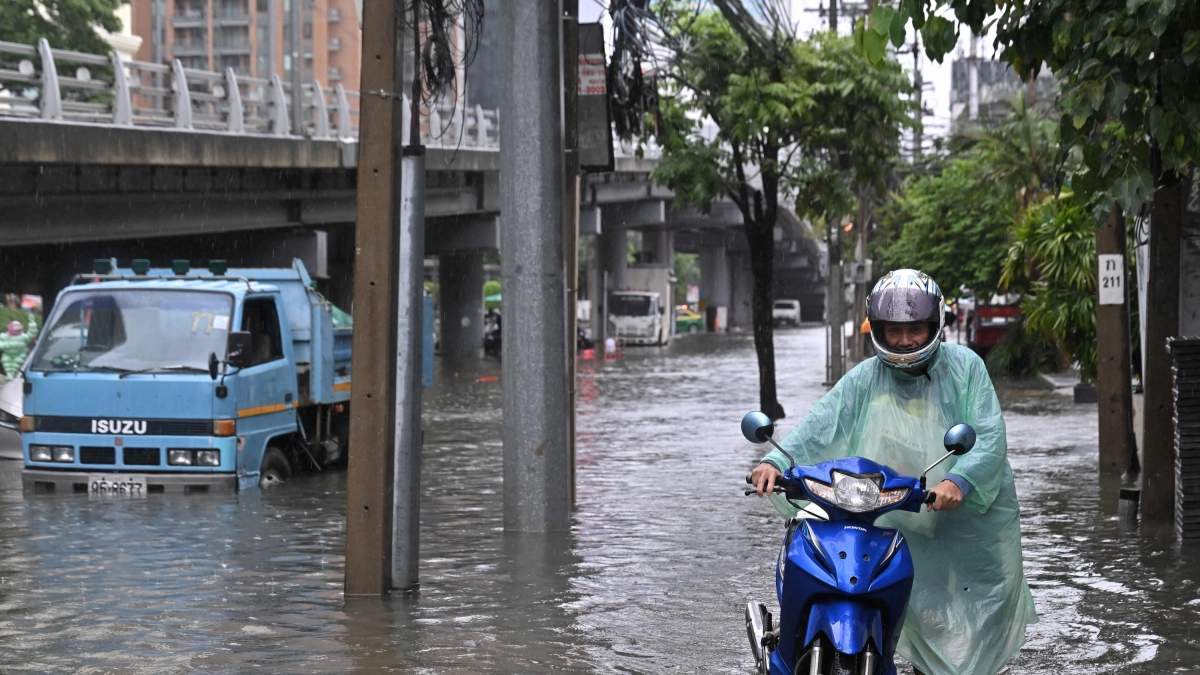
Exceeding the 1.5°C limit is not merely an academic concern; it is a physical reality that manifests in extreme weather events. We are witnessing an increase in the frequency and intensity of heatwaves, prolonged droughts that devastate agricultural output, and catastrophic flooding that disrupts essential infrastructure.
The Myth of Resilience in Wealthy Nations
A common misconception is that climate change is a problem exclusively for the Global South. The recent summer in the United Kingdom and across Europe has shattered this illusion. Even the world’s most developed economies, with their sophisticated infrastructure and financial resources, have demonstrated a profound lack of preparedness for the climate shocks already materializing.

The economic implications are severe. As emissions continue to rise, the costs of climate-related damage will mount for everyone. The transition to a net-zero economy is not a matter of ideology; it is a matter of physics. Every ton of CO2 emitted adds to the thermal inertia of our planet, and the "cost of inaction" is already outpacing the cost of investment in sustainable technologies.
Investment as a Shield: Adaptation and Resilience
When we speak of "adaptation," we are no longer talking about minor adjustments. We are talking about fundamental shifts in how we organize human civilization.

- Hard Infrastructure: We must prioritize the construction of robust coastal defenses against rising sea levels and redesign urban drainage systems to handle extreme precipitation events.
- Agricultural Security: With traditional farming cycles disrupted, the development of drought-resistant, climate-resilient crop varieties is not a luxury—it is a food security imperative.
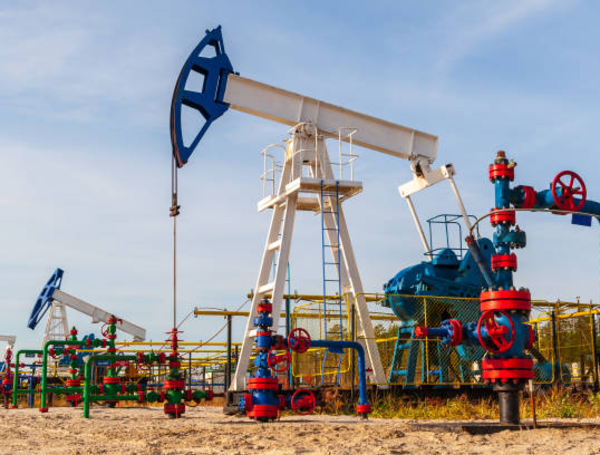
- Energy Transition: Moving away from volatile fossil fuel markets is an economic necessity. Fossil fuels are not only environmentally destructive but are also a primary driver of geopolitical instability and price volatility.
In contrast to fossil fuels, clean energy has become, in most of the world, the cheaper alternative. Investing in a green infrastructure offers developing nations a unique pathway to "leapfrog" traditional, carbon-heavy industrialization, allowing them to grow their economies sustainably while simultaneously reducing their environmental footprint.
The Ethics of Geoengineering and Carbon Removal
As we contemplate the possibility of crossing the 1.5°C threshold, we must look toward "negative emissions." To stabilize the climate, it is not enough to stop adding CO2 to the atmosphere; we must eventually remove what is already there.
The Limits of Nature
While reforestation and the restoration of natural carbon sinks (such as mangroves and peatlands) are essential, they are insufficient to capture the billions of tons of CO2 required to reverse warming. Consequently, we must scale up investment in artificial carbon capture and storage (CCS) technologies.
The Geoengineering Dilemma
Perhaps more contentious is the field of solar geoengineering—technologies designed to reflect a portion of solar radiation away from Earth. While these methods offer a theoretical way to lower global temperatures rapidly, they are fraught with ethical and ecological risks. For instance, cooling the planet by reflecting sunlight does not address the underlying issue of atmospheric CO2 concentration. The oceans would continue to acidify, leading to the collapse of marine ecosystems. We require much more rigorous research before these tools can be considered viable or safe components of our climate toolkit.

Implications for the Future: A Call to Action
The coming decades will be defined by the tension between our past reliance on fossil fuels and the urgent necessity of a clean energy transition.
The Financial Sector’s Responsibility
The era of "stranded assets" is upon us. Investors who continue to prioritize fossil fuel infrastructure are betting against the future of the global economy. As governments shift regulations to meet net-zero targets, these high-carbon assets will lose value rapidly. A rational market must shift capital toward renewable energy, electric mobility, and energy efficiency.
The Human Toll
Ultimately, the most profound implication of our slow response to the climate crisis is the threat to human security. If we cross critical tipping points, the resulting socio-economic instability could force hundreds of millions of people to migrate, creating humanitarian crises on a scale never before seen. Adaptation has its limits; once the climate crosses certain thresholds, the cost of migration and conflict will far exceed the cost of the investments we are currently debating.
Conclusion
We are moving into a period of deep uncertainty, but also one of significant opportunity. By accelerating the phase-out of inefficient, polluting practices and embracing the rapid deployment of clean technologies, we can mitigate the worst of the coming climate impacts.
The path forward requires a level of international cooperation and economic mobilization that we have yet to fully achieve. We must acknowledge that our current trajectory is unsustainable. The "new reality" is one of active management, where we must be as adept at fixing the climate damage we have already caused as we are at preventing the damage yet to come.
The transition to a zero-net economy is the defining challenge of our generation. It is a race against time, where the cost of hesitation is measured not just in dollars, but in lives, ecosystems, and the stability of the world we pass on to our children.
Nicholas Stern is the IG Patel Professor of Economics and Government at the London School of Economics and Chair of the Grantham Research Institute on Climate Change and the Environment. He is the author of the landmark "Stern Review on the Economics of Climate Change."