The judicial process surrounding the alleged irregularities at the "Fundación Conciencia Social" (Fucoso) has been delayed until 2027, as the Prosecution and the Public Ministry clash over procedural technicalities.
Introduction: A Stalled Prosecution
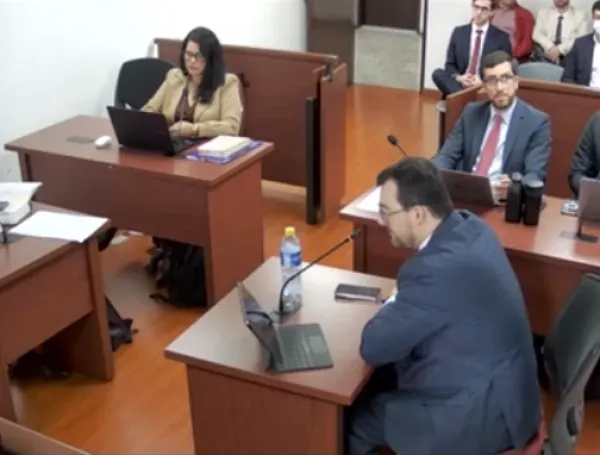
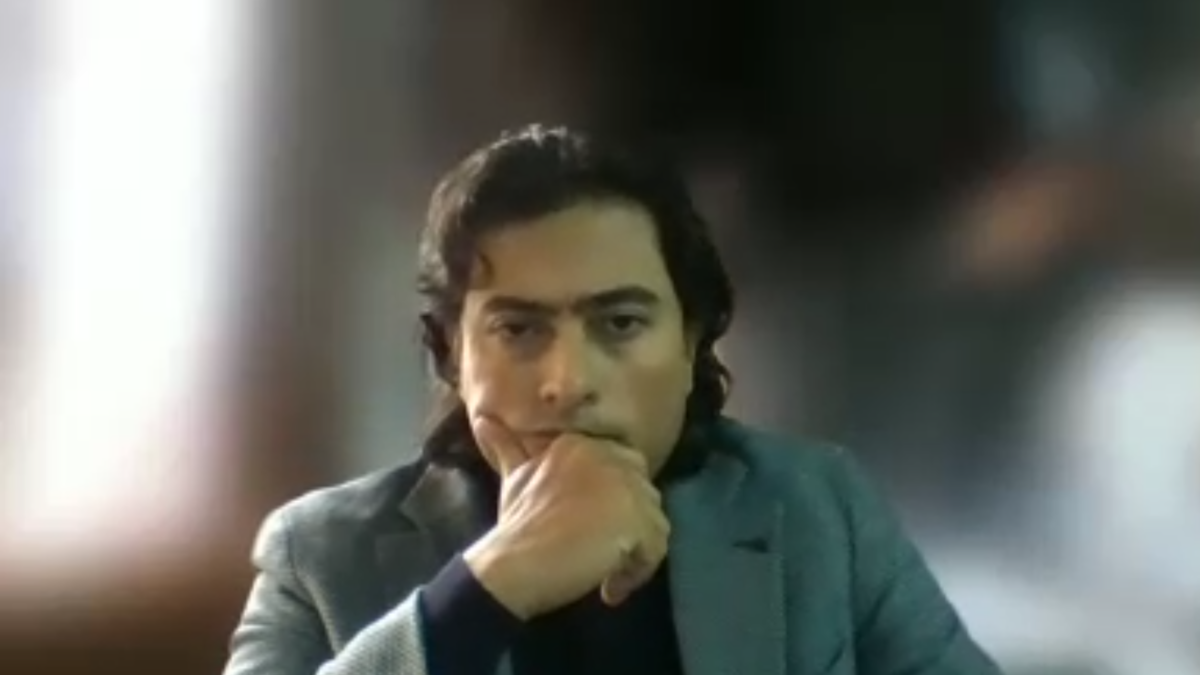
The legal horizon for Nicolás Petro, the son of Colombian President Gustavo Petro, remains clouded by significant procedural hurdles. In a recent hearing held in Barranquilla, the long-awaited formal accusation against Petro for his alleged involvement in corrupt practices linked to the "Fundación Conciencia Social" (Fucoso) was abruptly deferred.
What was expected to be a pivotal moment in the criminal proceedings—marking the transition from investigation to formal trial—instead turned into a technical debate. The presiding judge, facing a request for postponement from both the Office of the Attorney General (Fiscalía) and the Inspector General’s Office (Procuraduría), rescheduled the hearing for January 29, 2027. This delay, while frustrating for those seeking a swift resolution, highlights the deep complexities and potential procedural flaws that have plagued the case from its inception.

The Heart of the Allegations: The "Fucoso" Scandal
At the core of the judicial investigation are two specific contracts awarded by the Atlántico Departmental Government between 2021 and 2022. Prosecutors allege that the Foundation, known by its acronym Fucoso, served as a vehicle for illicit enrichment and the subversion of public procurement processes.
The charges facing Nicolás Petro are extensive and serious, reflecting the gravity with which the justice system is treating the case. He faces accusations of:
- Undue interest in the celebration of contracts: Alleging that he leveraged his position to influence the outcome of public tenders.
- Public and private document forgery: Relating to the alleged manipulation of paperwork to provide a veneer of legality to corrupt activities.
- Embezzlement by appropriation: Accusations that public funds were diverted for personal gain.
- Influence peddling: Utilizing connections to sway administrative decisions in favor of private interests.
The investigation does not exist in a vacuum; it implicates a network of actors, including his former partner, Day Vásquez, as well as Pedro Name, Gustavo de La Ossa, and Raúl Lacouture—the latter having served as the Secretary General of the Atlántico Government during the administration of Elsa Noguera, the current Minister of Transport.

Chronology: From Scrutiny to Judicial Deadlock
Early 2021-2022: The timeframe in which the suspicious contracts involving Fucoso were processed by the Atlántico Governor’s office.
Mid-2023: Initial revelations regarding Nicolás Petro’s financial activities emerge, triggering investigations by the Attorney General’s Office into illicit enrichment and money laundering.
November 2025: The case undergoes a transition in leadership. The previous lead prosecutor, Lucy Laborte, is replaced, forcing a re-evaluation of the entire evidentiary file.
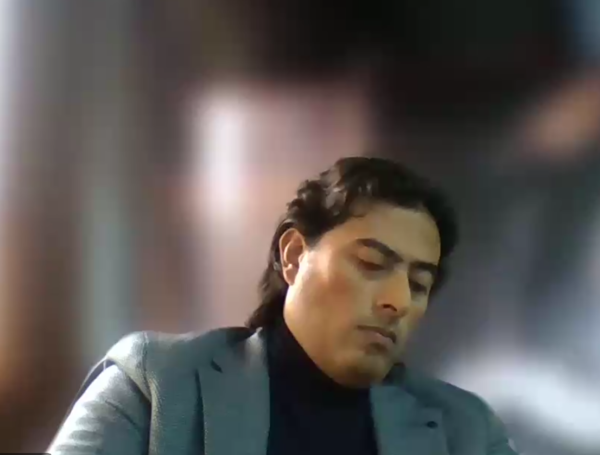
September 18, 2026: The formal accusation hearing is convened in Barranquilla. However, the new prosecutor assigned to the case formally requests time to study the complex file, acknowledging that the previous iteration of the case requires a thorough review to ensure procedural integrity.
January 29, 2027 (Scheduled): The new date set for the continuation of the accusatory hearing. The court expects that by this time, all procedural corrections requested by the Public Ministry will have been addressed.
Official Responses: The Role of the Procuraduría
The role of the Procuraduría General de la Nación (the Public Ministry) has been central to the current delay. During the hearing, the representative of the Ministry took a firm stance, noting that the case has been marred by "difficulties in the procedural process" since the very first day of the initial imputation.
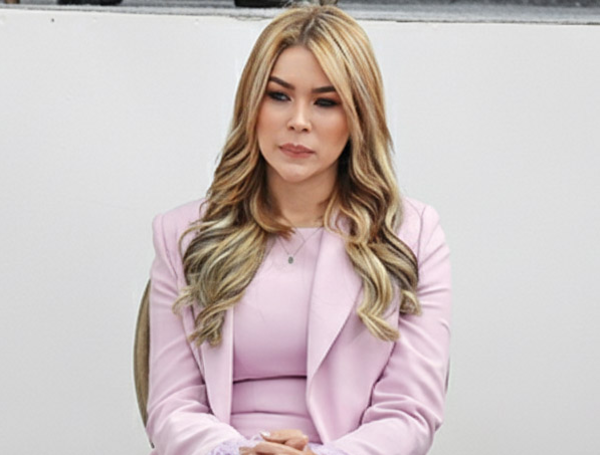
According to sources close to the case, the Procuraduría argued that, in accordance with the principle of "procedural loyalty," it is necessary to address foundational issues before the trial can proceed. These issues pertain to potential violations of the right to defense and procedural gaps that could undermine the validity of a future sentence.
"The representative of the Public Ministry indicated that there are situations that must be rectified," a source confirmed. By forcing a pause, the Procuraduría aims to ensure that the eventual trial is not susceptible to being overturned on appeal due to technical errors or omissions by the state.
Legal Strategy: The Defense’s Offensive
Nicolás Petro’s legal team, led by renowned criminal defense attorney Alejandro Carranza, has adopted an aggressive strategy centered on nullity. The defense argues that the prosecution’s case is built upon a foundation of procedural failures and illegal evidence gathering.

By requesting a nullity declaration, the defense is essentially asking the court to strike down the current charges, arguing that the Prosecution has failed to meet the constitutional standards required to bring a citizen to trial. This "offensive" defense strategy aims to create enough legal friction to derail the case entirely, or at the very least, force the Prosecution to discard key pieces of evidence that the defense claims were obtained without due process.
Implications: Justice and Public Trust
The implications of this delay extend far beyond the courtroom. For the Colombian public, the case of Nicolás Petro is a litmus test for the independence of the judicial system.
1. The Burden of Proof and Procedural Integrity
The decision to postpone the trial is, ironically, an indicator of a cautious judiciary. While critics may label the delay as a sign of inefficiency, legal experts argue that taking the time to address "observances of substance" is the only way to avoid a miscarriage of justice. If the Prosecution proceeds with a flawed indictment, the entire case could be invalidated in the future, resulting in a loss of credibility for the justice system.

2. The Political Fallout
The proximity of these individuals to the political establishment creates a high-pressure environment. With the involvement of former government officials and the shadow of the current administration hanging over the proceedings, every judicial decision is subjected to intense public and media scrutiny. The delay until 2027 ensures that the case will remain a fixture of the Colombian political conversation for the foreseeable future.
3. Administrative Accountability
The Fucoso scandal touches upon the integrity of public procurement in the Atlántico region. Regardless of the outcome for individual defendants, the case has exposed significant vulnerabilities in how state contracts are awarded, monitored, and audited. Future legislation or administrative reform regarding regional contracting may well be influenced by the findings (or lack thereof) in this case.
Conclusion: A Long Road Ahead
As the case moves toward January 2027, the focus will remain on the Prosecution’s ability to clean up its procedural house. The entry of a new lead prosecutor suggests a strategic pivot; the state is clearly attempting to insulate the case from the criticisms levied by the Procuraduría and the defense.

For Nicolás Petro, the legal battle is far from over. The coming months will likely be defined by motions and counter-motions, as the defense continues to probe for cracks in the Prosecution’s argument. Whether this delay leads to a more robust and airtight case, or simply extends a cycle of uncertainty, remains to be seen. What is clear is that in the high-stakes world of Colombian judicial politics, patience is not just a virtue—it is a legal necessity.
The eyes of the nation will remain fixed on Barranquilla, waiting to see if the legal system can navigate the intricacies of this high-profile scandal with the impartiality and transparency that the rule of law demands.