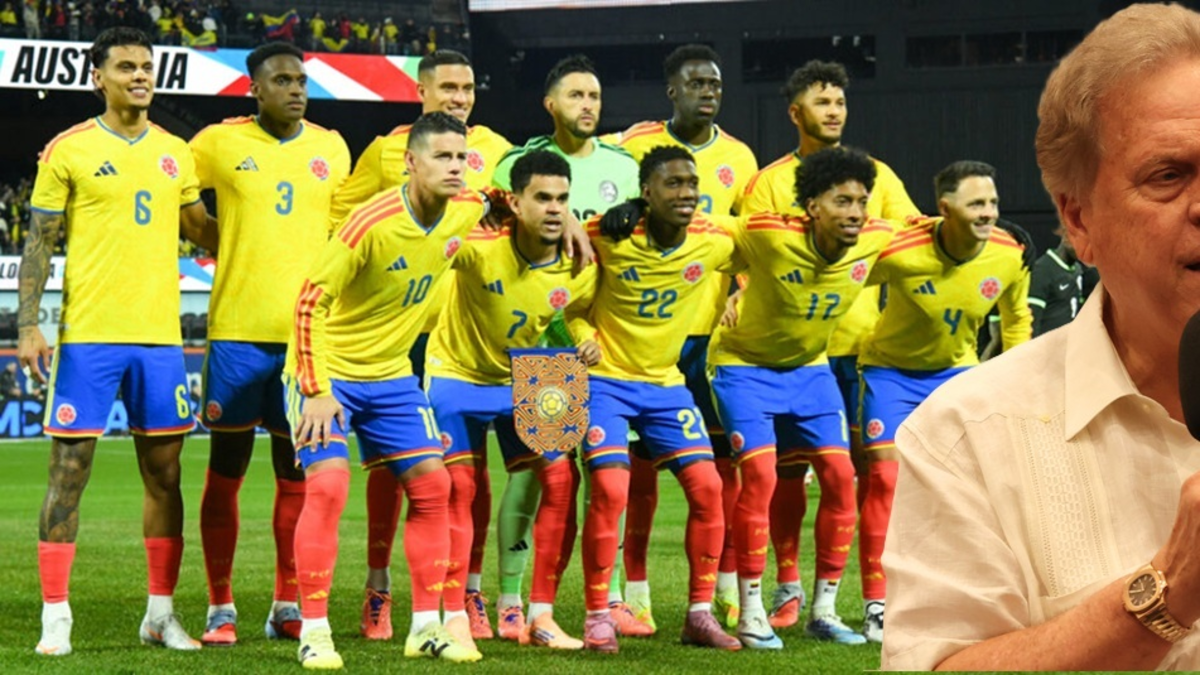
Bogotá, Colombia – September 17, 2026. A fresh wave of friction has emerged between the Colombian Football Federation (FCF) and the Colombian Association of Professional Footballers (ACOLFUTPRO), casting a shadow over the national team’s preparation environment. The union has formally denounced the Federation, alleging that the governing body is systematically blocking representatives from meeting with players summoned to the national squad. This development represents a significant breach of the collective bargaining agreement signed just last year and has reignited the debate regarding the labor rights of professional athletes in Colombia.
Main Facts: The Core Conflict
The current crisis centers on the FCF’s refusal to permit ACOLFUTPRO to access the national team’s concentration camp. For the union, this is not merely a logistical disagreement but a direct violation of the fundamental rights of association and collective assembly.
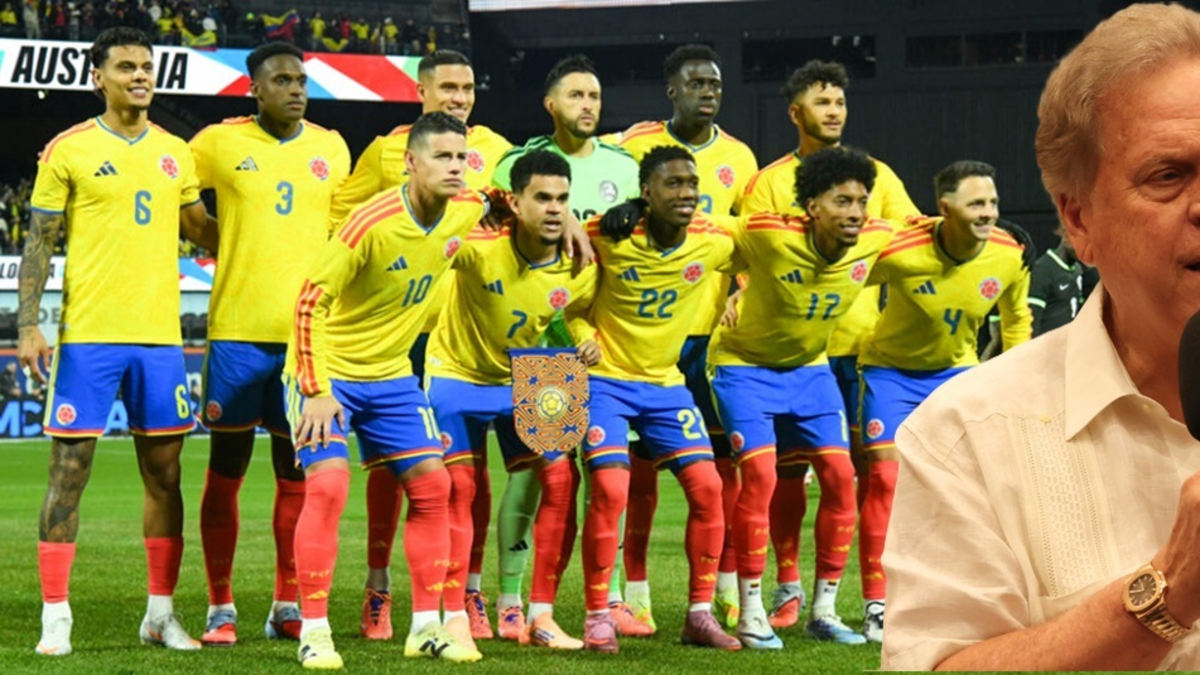
According to ACOLFUTPRO, the FCF has utilized various administrative "legal maneuvers" to prevent union spokespersons from interacting with the players. The objective, the union claims, is to isolate the athletes from their representatives, thereby preventing them from receiving critical updates regarding the precarious labor conditions and regulatory battles currently being fought at the domestic league level.
For many observers, this move is seen as an attempt by the Federation to maintain total control over the players’ environment, insulating them from the broader realities faced by the professional football workforce in Colombia.

A Chronology of Escalation
The relationship between the FCF and ACOLFUTPRO has been characterized by cycles of hostility and uneasy truces. To understand the gravity of the current situation, one must look at the recent history of these negotiations:
- Early 2025: Following years of pressure from the player body, both parties engaged in intense negotiations to formalize a new set of labor guarantees.
- March 24, 2025: A landmark collective bargaining agreement was signed in Barranquilla. This document was hailed as a turning point, designed to establish a framework for dialogue and allow union representatives to operate within the professional football ecosystem.
- Late 2025 – Early 2026: Initial implementation of the agreement showed signs of strain, with the union reporting inconsistent cooperation from regional clubs and the governing body.
- July 2026: Reports began to surface suggesting that the FCF was tightening security and access protocols around the national team, effectively creating a "closed-door" policy for external stakeholders.
- September 17, 2026: The situation reached a breaking point, with ACOLFUTPRO issuing a formal public denunciation, citing the most recent blocking of their representatives as a direct violation of the March 2025 pact.
Supporting Data: The Legal and Labor Framework
The core of the dispute lies in the interpretation of the 2025 agreement. The pact was explicitly intended to bridge the gap between the governing body—which focuses on the sporting and commercial success of the national team—and the players, who face risks related to contract stability, insurance, and medical coverage in their day-to-day club environments.

The current labor landscape in Colombian football is complex. Many players in the local league struggle with delays in salary payments and inconsistent access to health services. The national team, acting as a "showcase" for the country’s talent, is naturally where the union feels it has the most leverage to educate players on their rights. By blocking access, the FCF is effectively cutting off a crucial information conduit for the elite group of players who have the most influence within the footballing community.
Official Responses and Stances
As of this writing, the FCF has maintained a guarded stance, often citing "internal security protocols" or "training schedule preservation" as reasons for restricting access to the team. However, these justifications are widely viewed by legal experts as insufficient in the context of a legally binding collective bargaining agreement.
ACOLFUTPRO, led by its board, has signaled that it will not back down. In recent communications, the union has emphasized that the players are not just athletes, but workers with the right to assembly. They argue that the FCF’s actions are symptomatic of an archaic power structure that prioritizes control over the collaborative development of the sport.
The silence from individual players is, perhaps, the most telling aspect of the controversy. Bound by team discipline and the pressure of representing their country, few players have spoken out publicly. However, industry insiders suggest that the tension is palpable within the locker room, as players are increasingly aware that their rights as workers are being sidelined by the administration.

The Implications: What This Means for Colombian Football
The ramifications of this dispute are far-reaching. If the FCF continues to disregard the 2025 agreement, the following consequences may arise:
1. Erosion of Trust
The most immediate impact is the total collapse of trust between the governing body and the players. If the players feel that the Federation acts in bad faith, it may affect morale and team cohesion, which are critical factors for any squad aiming for international success.

2. Potential Legal Sanctions
ACOLFUTPRO has the option to escalate this matter to the Ministry of Labor or even international entities such as FIFPRO (the global union for professional footballers). Such an escalation would bring unwanted international scrutiny to the Colombian football administration, potentially leading to sanctions or mandatory arbitration.
3. Impact on Domestic Reform
The struggle for better labor conditions in the local league is dependent on the unity of the players. If the national team players—the most visible and high-profile members of the union—are isolated from the process, the momentum for broader systemic reform in Colombian football could stall.

4. A Governance Crisis
This incident raises serious questions about the governance of the FCF. Critics argue that the Federation is operating with a lack of transparency that is out of step with modern sporting standards. The need for a more inclusive, democratic approach to managing the sport has never been more urgent.
Conclusion: A Turning Point
The dispute between the FCF and ACOLFUTPRO is more than a administrative squabble; it is a battle for the soul of the professional game in Colombia. As the national team prepares for upcoming challenges, the eyes of the sporting world are focused not just on their performance on the pitch, but on the integrity of their administration off of it.

For the sake of the players, the fans, and the future of the sport in the country, a return to the negotiating table is essential. The 2025 agreement was a promise of a more equitable future; upholding it is the only way for the Federation to prove that it truly values the people who make the spectacle of football possible. As the situation develops, the sporting community waits to see if the FCF will choose dialogue over exclusion, or if it will continue to deepen a rift that could have lasting damage on the national team’s legacy.
The question remains: will the Federation honor the rights of its employees, or will they continue to treat the national team as an exclusive fiefdom, immune to the labor standards of the modern world? Only time, and likely further legal intervention, will tell.