An In-Depth Global Analysis
1. Main Facts
The protracted military and economic standoff between the United States and Iran has entered a perilous new phase, driven by escalating hostilities, blocked maritime trade routes, and high-stakes electoral calculations in Washington. More than six months into an open conflict sparked by sweeping US-Israeli military strikes in late February, the geopolitical landscape of the Middle East remains fundamentally altered.

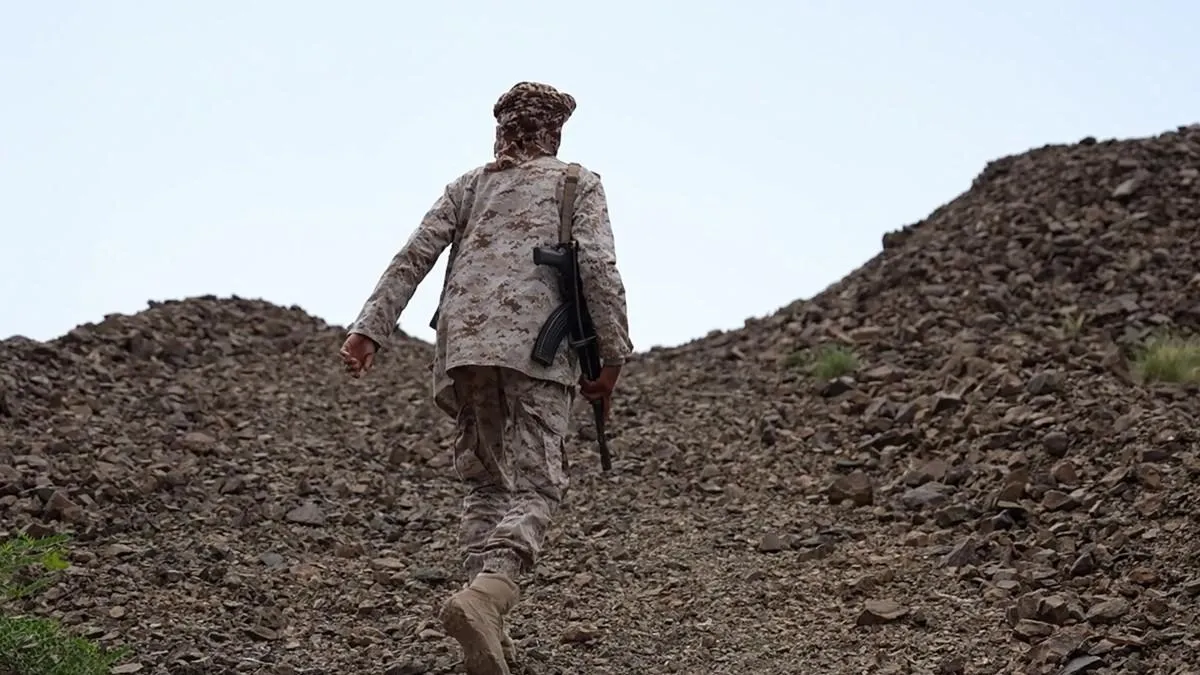
At the core of the crisis is the total disruption of key global chokepoints. Iran maintains a de facto blockade of the strategic Strait of Hormuz—a vital artery for international petroleum transport—while allied Houthi rebels in Yemen have successfully seized total control of the Yemeni Red Sea coastline, including the critical Bab el-Mandeb strait. This dual-chokepoint strangulation has left major energy exporters like Saudi Arabia profoundly isolated and forced the global economy to adapt to heavily constricted flows of oil and gas.
Despite an aggressive economic isolation campaign launched by Washington—spearheaded by US Treasury Secretary Scott Bessent’s "Economic D-Day" initiative designed to sever Iran from all global trade—Tehran refuses to capitulate. Instead, the Iranian leadership has leaned into a strategy of calculated escalation, betting that prolonged high energy prices, maritime disruptions, and a war of attrition will inflict severe political damage on US President Donald Trump ahead of pivotal midterm congressional elections.

However, American strategy faces a fundamental structural roadblock: China. As Tehran’s principal commercial lifeline and the dominant supplier of the critical minerals essential to advanced Western technologies, Beijing has shown zero willingness to cooperate with Washington’s maximum-pressure campaign. Consequently, international strategists increasingly agree that any sustainable path to peace requires direct diplomatic engagement with China, comprehensive regional economic integration, and a definitive framework to address Iran’s nuclear ambitions.
2. Chronology of the Conflict
- Late February: US and Israeli forces launch a massive wave of coordinated military strikes against Iranian targets, igniting open warfare. In direct retaliation, Iran moves to shut down maritime traffic through the strategic Strait of Hormuz.
- April: Following roughly 40 intense days of direct aerial bombardments and naval skirmishes, Washington and Tehran briefly step back from the brink, agreeing to a fragile ceasefire and signing a preliminary memorandum of understanding. However, deep-seated distrust prevents full implementation, leaving the Hormuz blockade intact and naval confrontations simmering.
- August: US Treasury Secretary Scott Bessent unveils the "Economic D-Day" program, a stepped-up financial blockade aimed at completely isolating Iran economically from its remaining trade partners.
- Early September (Current Period): Hostilities sharply intensify as Iran claims responsibility for attacks on multiple commercial vessels attempting to traverse the Strait of Hormuz and strikes a US installation in Jordan following a retaliatory American strike on Iranian oil tankers. Concurrently, Houthi forces seize full control of Yemen’s Red Sea coast, finalizing a multi-front maritime squeeze that corners global energy shipping lanes just two months ahead of critical US midterm elections.
3. Supporting Data and Economic Realities
The economic dimensions of the US-Iran conflict reveal deep miscalculations by Western strategists, particularly regarding China’s vulnerability to supply chain shocks.

- China’s Energy Buffer: Initial strategic projections in Western capitals assumed that Beijing would aggressively pressure Tehran to halt the crisis because up to 60 percent of Chinese oil imports historically transited the Strait of Hormuz. This proved to be a severe miscalculation. At the onset of the conflict, China maintained over 1.2 billion barrels of oil in reserve—roughly 200 million barrels above its standard baseline—and continues to hold more than 1.15 billion barrels.
- The Renewable Energy Paradox: Ironically, the disruption and subsequent spike in global oil prices accelerated worldwide demand for renewable energy and electric vehicles—sectors where Chinese manufacturing holds massive overcapacity. The crisis has temporarily cushioned Chinese firms against domestic financial losses in these industries, rendering Beijing largely insensitive to the wider economic fallout.
- The Critical Mineral Dilemma: Any American threat to penalize China for sustaining trade ties with Iran lacks credibility due to Beijing’s virtual monopoly over critical minerals. Without these raw materials, the United States and its allies cannot manufacture the advanced computer chips required to fuel investments in artificial intelligence and modern industrial growth.
- Strait Chokepoints and Alternative Routes: The closure of the Strait of Hormuz and the Bab el-Mandeb strait forces maritime commercial traffic originating in Asia to abandon traditional pathways through the Suez Canal. The only viable alternative—rounding the entire African continent—presents exorbitant costs and severe logistical delays, permanently altering global shipping economics.
- Iranian Financial Demands: The Islamic Revolutionary Guard Corps (IRGC) has attached a steep price tag for scaling back hostilities, which includes the unfreezing of approximately $24 billion in overseas Iranian assets and the withdrawal of Israeli forces from southern Lebanon.
4. Official Responses and Postures
The diplomatic arena is characterized by deep skepticism, domestic political maneuvering, and a shifting patchwork of regional alliances:
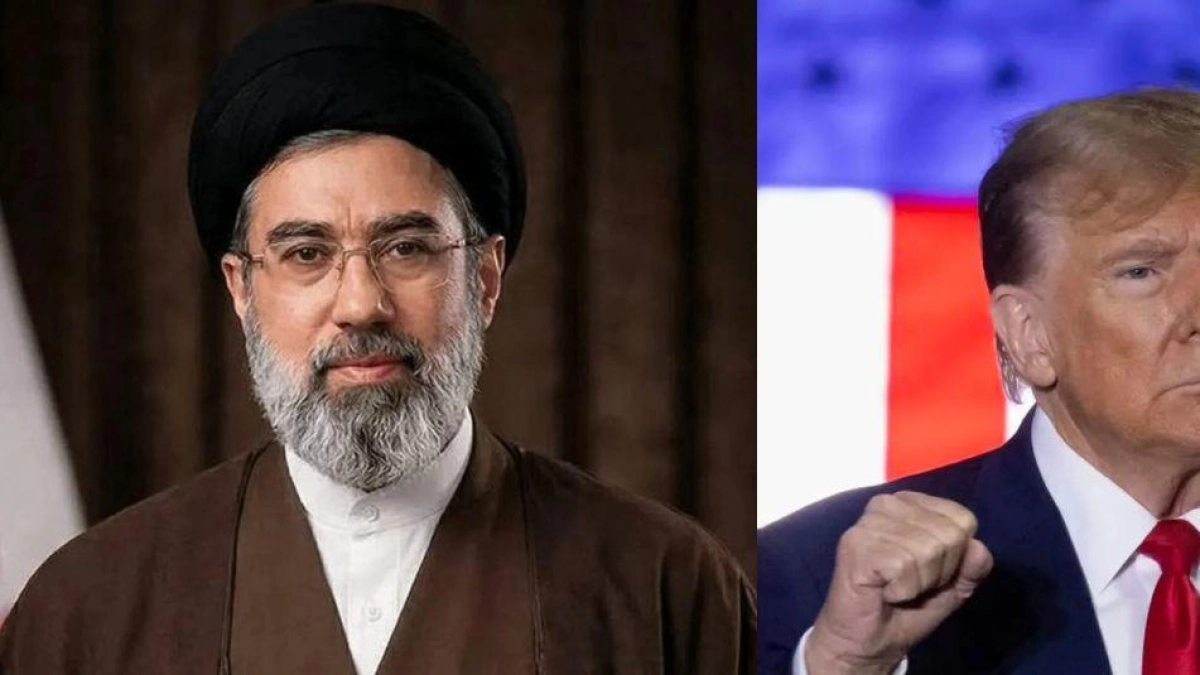
- The White House: President Donald Trump has publicly accused Tehran of "desperately trying to influence" the upcoming US midterm elections. Maintaining an outward projection of confidence, Trump asserted that the war will end immediately after the vote because Iran "can no longer hold out." Nevertheless, leaked intelligence reports indicate that presidential advisors have warned the White House that Iran’s institutional resilience could sustain a war of attrition well beyond the end of the current presidential term in January 2029.
- Tehran’s Hardline Stance: Iranian officials remain defiant, viewing the US electoral calendar as a strategic window of opportunity. Mohsen Rezai, Secretary of the Supreme National Security Council, stated bluntly: "We do not trust the United States and will not take any further steps until they have taken measures to build trust." Hardline factions within the regime believe they are successfully bleeding Washington politically.
- Regional Powers Pivot: The Gulf monarchies—particularly Saudi Arabia, the United Arab Emirates, and Qatar—have recognized the limits of relying exclusively on American security guarantees. While Riyadh is actively cultivating alternative regional partnerships, Abu Dhabi and Doha have opened direct diplomatic channels with Tehran, utilizing economic incentives to carve out localized zones of stability.
5. Strategic Implications and Path Forward
The long-term fallout of the US-Iran war points toward profound structural realignments across global energy markets, regional security architectures, and great power diplomacy.

The Erosion of Middle Eastern Energy Dominance
Global markets are steadily learning to adapt to drastically reduced volumes of oil and gas exported from the Middle East—levels hovering near half of pre-war capacities. While costly in the short term, the prolonged nature of this adjustment means the world economy is becoming progressively less sensitive to regional disruptions. Consequently, regional oil exporters face the sobering prospect of permanently diminished market share in the medium term.
The Imperative of Regional Integration
The shift by Gulf states toward independent diplomacy underscores a vital truth: resolving the Middle East’s security dilemma requires native economic and diplomatic integration. However, regional actors cannot achieve enduring stability without settling the underlying nuclear question. Leaving the Iranian nuclear file unaddressed makes long-term regional planning—and comprehensive economic cooperation—virtually impossible.

The Inevitable Role of Beijing
Ultimately, economic analyses by leading global economists suggest that any stable resolution demands direct international inclusion, specifically involving China. Because Beijing serves as Tehran’s primary economic lifeline and holds immense leverage over regional supply chains, unilateral Western isolation campaigns are bound to fail.
As Chinese President Xi Jinping prepares for diplomatic engagements in Washington, the global community watches closely. Whether the US-Iran conflict can be steered toward a durable diplomatic settlement within a broader bilateral dialogue remains an open question—or whether Beijing will simply continue to watch from the sidelines as the Western posture in the Middle East slowly frays.