Achieving the deep, comforting, and soul-warming flavor of a master-level homemade beef broth is rarely a matter of mere luck or standing endlessly over a simmering pot. According to culinary experts, nutritionists, and food scientists, the secret to success is decided long before the stove is ever turned on—it begins with the cut of meat selected at the butcher counter.
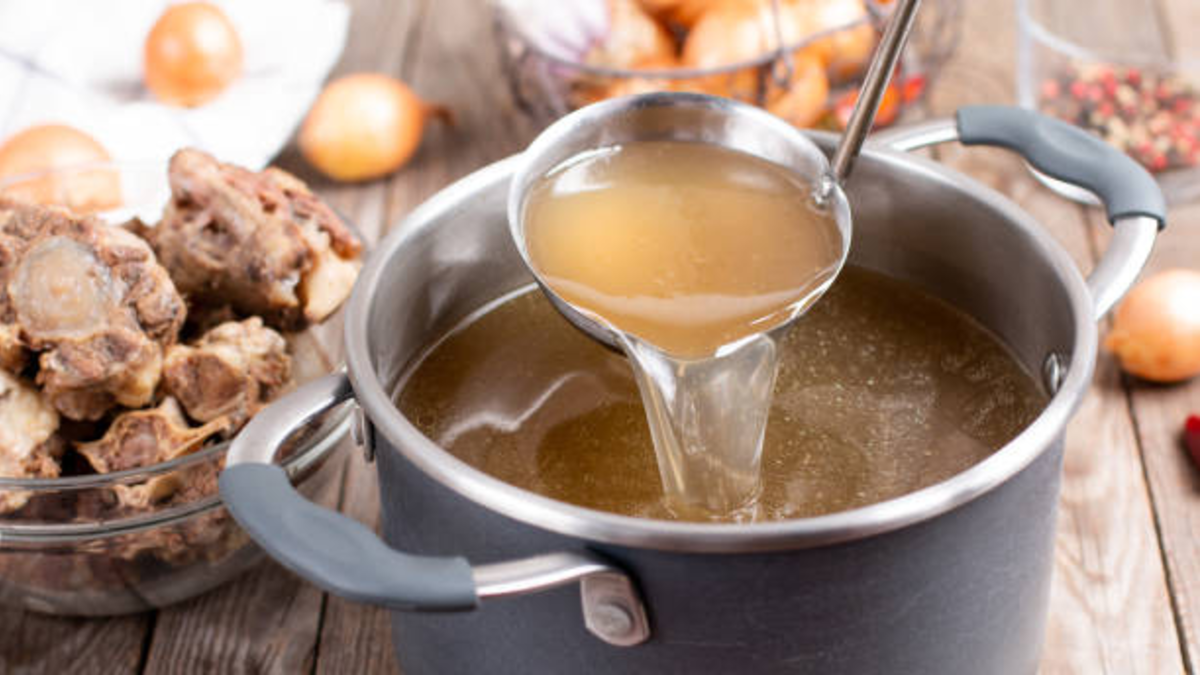
Not all cuts of beef behave the same way under sustained heat and moisture. While certain pieces yield a silky, luxurious texture, others can turn a refined soup into a heavy, greasy, and difficult-to-digest preparation due to an excess of lipids. Smart cooking relies on finding the precise equilibrium between the rich flavor delivered by the bone and the clean profile of a lean muscle cut.

Main Facts: The Science of Savor and Structure
At its core, a superior beef broth is a masterclass in food science. It relies heavily on the extraction of two primary components: collagen and gelatin.
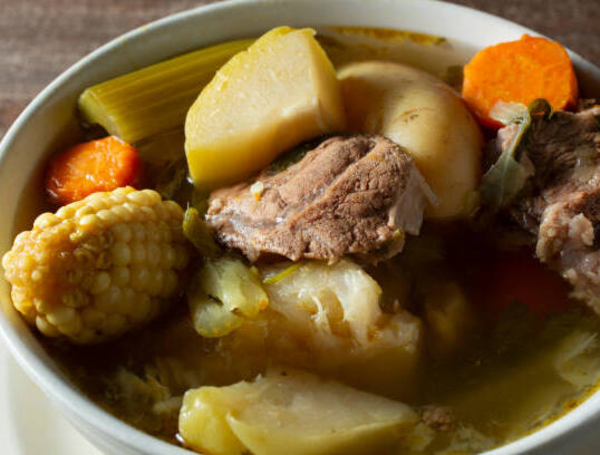
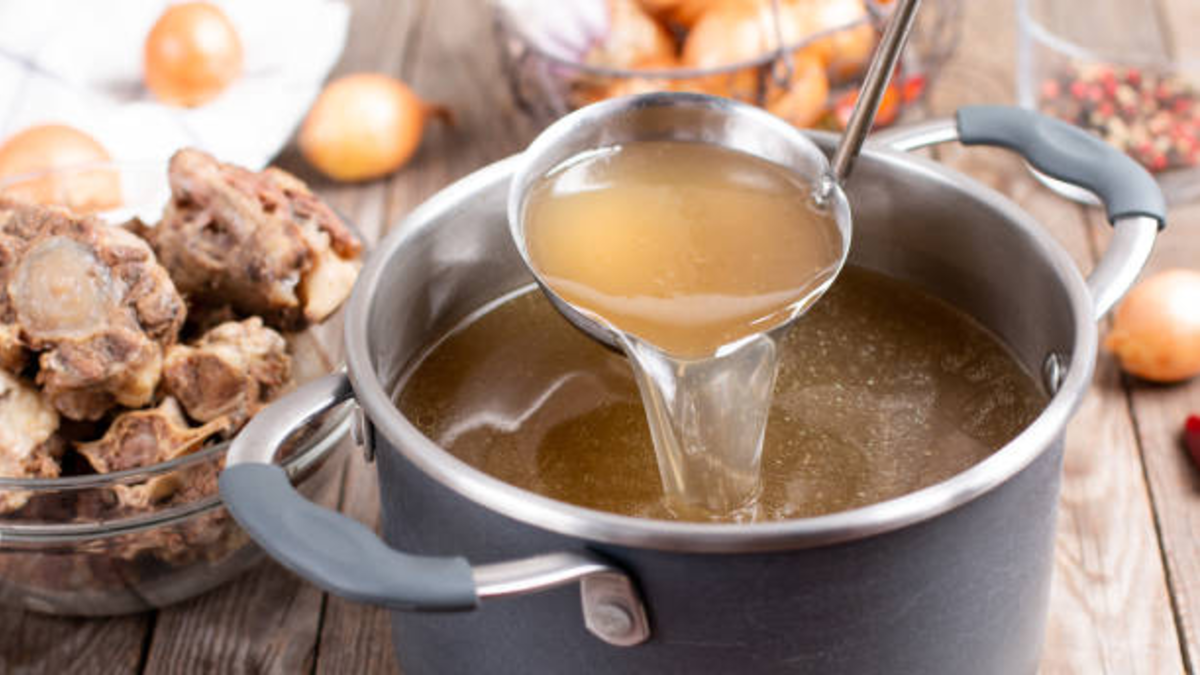
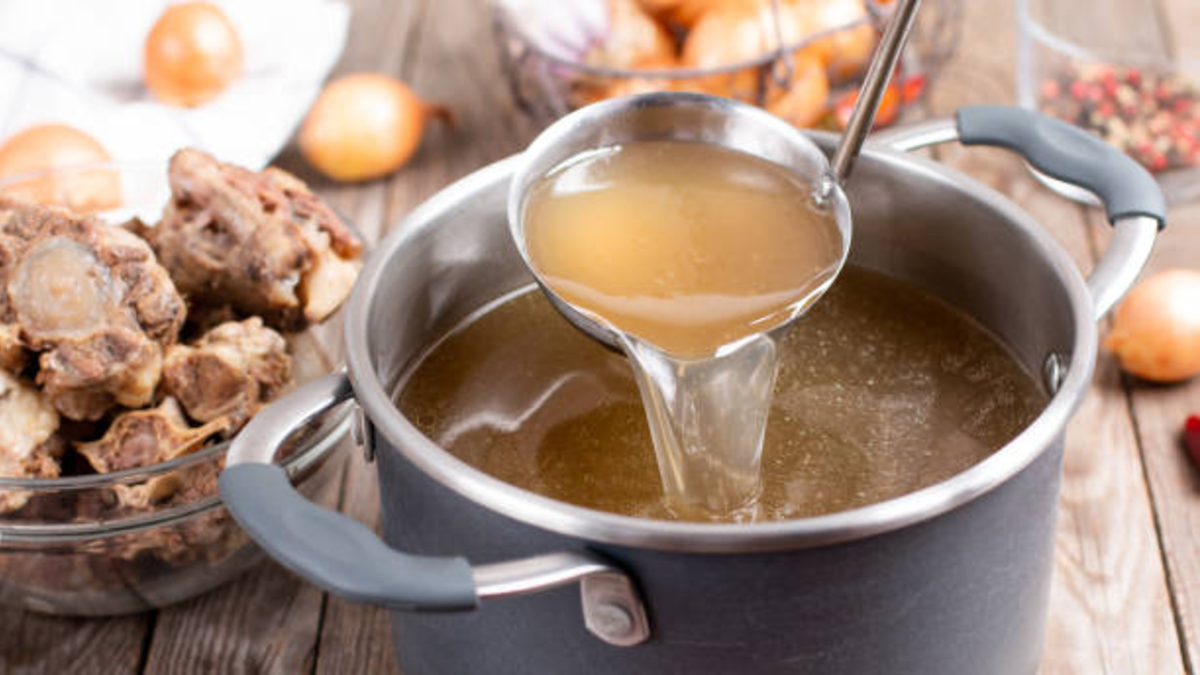
- The Role of Bones: Bones are the foundation of any profound broth. As they simmer, they release collagen from connective tissues, which breaks down into gelatin. This process provides the broth with body, a velvety mouthfeel, and rich depth.
- The Cut Selection: Traditional choices like beef ribs (costilla) or beef shank (jarrete) offer structural integrity and intense flavor, but they introduce higher fat contents that require careful management.
- The Fat Dilemma: Unchecked lipids can ruin the visual appeal and digestibility of a broth. Culinary professionals emphasize that managing or removing this fat is the defining line between a mediocre soup and a masterclass dish.
- The Lean Alternative: For those prioritizing heart health and reduced saturated fats, lean cuts offer a cleaner base, though they require specific techniques to compensate for the loss of natural bone gelatin.
Chronology: The Evolution of Broth-Making Traditions
The art of simmering bones and meat to extract sustenance and flavor dates back thousands of years, evolving from a survival necessity into an elevated culinary science.

- Prehistoric Beginnings: Long before the invention of metal cookware, ancient humans boiled water using heated stones in pits or animal skins, utilizing bones and connective tissues to extract essential fats and nutrients during lean times.
- The Medieval Potager: In medieval Europe, the perpetually simmering stockpot became a staple of domestic life. Ingredients were added continuously, creating a communal broth that sustained families through harsh winters.
- The French Gastronomic Revolution (18th–19th Centuries): French culinary masters such as Auguste Escoffier categorized stocks (fonds) into foundational pillars of cooking. They codified the scientific principles of simmering bones, extracting collagen, and clarifying liquids to achieve transparency and richness.
- Modern Culinary Science (21st Century): Contemporary food science—popularized by platforms like Serious Eats and culinary researchers—demystified the exact temperatures and breakdown points of collagen into gelatin, shifting home cooking toward precision cuts and proactive fat management.
Supporting Data: Understanding Cuts and Nutritional Impacts
Choosing the right cut requires understanding both gastronomy and nutritional guidelines. According to culinary experts and health authorities such as the United States Department of Agriculture (USDA) and Mayo Clinic, different cuts serve distinct purposes in the kitchen.
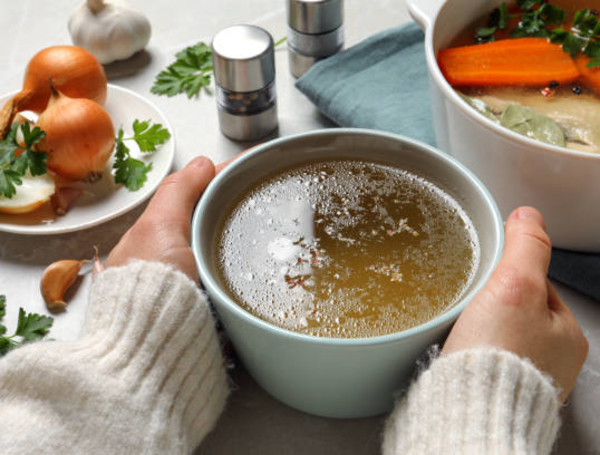
1. The Powerhouse Cuts (Ribs and Shanks)
- Beef Ribs (Costilla de Res): Widely favored in traditional Latin American and global home cooking, ribs contain a high bone-to-meat ratio. Chef Camilo Currea notes that cuts including bone are indispensable because "the bone contains collagen, which not only provides greater depth of flavor, but also a richer, more unctuous texture in the mouth."
- Beef Shank (Jarrete de Ternera): An exceptional alternative for a more structured, intensely concentrated flavor profile. Because it includes both bone marrow and connective tissue, it yields a robust broth, though it demands rigorous fat control.
2. Lean Cuts for Heart-Conscious Cooking
When household dietary priorities lean toward minimizing saturated fats, butchers recommend utilizing USDA-defined lean cuts. While these cuts drastically reduce lipid content, they lack the natural bone material required to build heavy gelatin bodies, meaning the cook must rely on supplemental techniques—such as adding separate veal or beef bones—to maintain mouthfeel.
Official Responses and Expert Insights
To understand how professional kitchens maintain the delicate balance between deep flavor and a clean, non-greasy finish, leading culinary voices have weighed in on best practices.
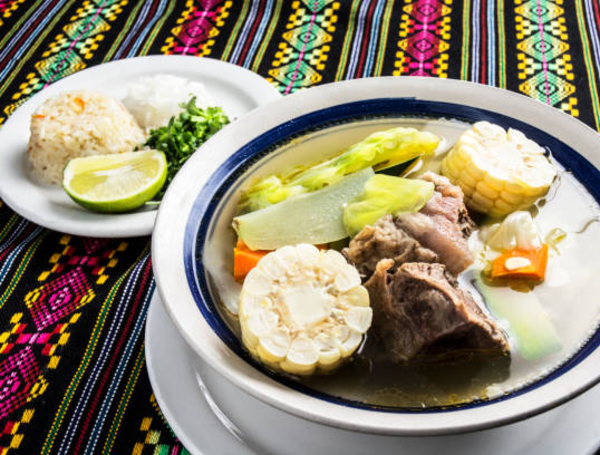
Chef Camilo Currea emphasizes that the foundational choice dictates everything that follows. "To make a good broth, the best cut is beef ribs or, failing that, any cut that includes bone," Currea explains. He stresses, however, that the inclusion of bone brings an immediate challenge: managing the rendering fat. "It is advisable to trim away as much visible fat as possible before cooking to achieve a cleaner, more balanced broth."

This perspective aligns closely with nutritional guidelines from the Mayo Clinic, which advocate for proactive trimming. Removing excess fat prior to boiling prevents the lipids from emulsifying into the liquid beyond retrieval.
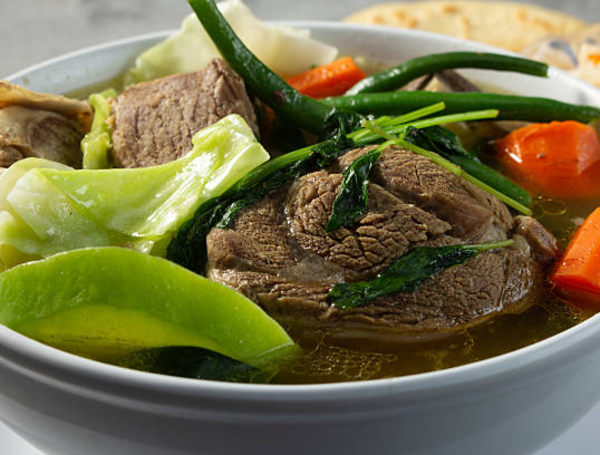
Furthermore, culinary science platforms like Serious Eats point out that the silky texture of an elite broth is entirely dependent on thermal management. Rapid, violent boiling emulsifies fats and breaks down proteins into a cloudy, greasy mess. A slow, patient simmer—often kept just below a rolling boil—ensures that collagen converts cleanly into gelatin without melting unwanted fat globules permanently into the broth.

Implications: Elevating Home Cooking Through Smart Purchasing and Technique
The decisions made at the butcher counter ripple directly into the health profile, aesthetic appeal, and flavor payoff of the final meal. Understanding these implications helps home cooks elevate everyday cooking into a refined art form.

Health and Nutritional Implications
Broths heavy with unmanaged animal fats can introduce excessive saturated fatty acids, counteracting the health benefits associated with collagen, amino acids, and minerals extracted from bone marrow. By opting for a balanced cut and practicing pre-cooking trimming, home cooks can enjoy a nutrient-dense beverage or soup base that is light on the digestive system.

The Foolproof "Chilling" Technique for Absolute Degreasing
Even after careful trimming, some rendering of fat is inevitable during a long simmer. To achieve a restaurant-quality, crystal-clear finish, culinary experts recommend a simple post-cooking technique:

- Simmer and Strain: Cook your chosen cut with bones, vegetables, and aromatics on a low simmer for several hours. Strain out the solid ingredients.
- Refrigerate: Allow the strained broth to cool down and place it in the refrigerator overnight.
- The Fat Cap: As the temperature drops, the remaining fat will solidify on the surface, forming a distinct, hardened white layer.
- Skim and Serve: Simply lift away this solidified fat layer with a spoon or spatula. Beneath it lies a pure, jelly-like matrix of collagen, nutrients, and deeply concentrated flavor, ready to be reheated without a trace of greasiness.
Ultimately, crafting the perfect beef broth proves that great cooking is not about masking flavors with heavy additions, but about making intelligent initial purchases and respecting the science of slow extraction.