By Environmental Desk
September 10, 2026
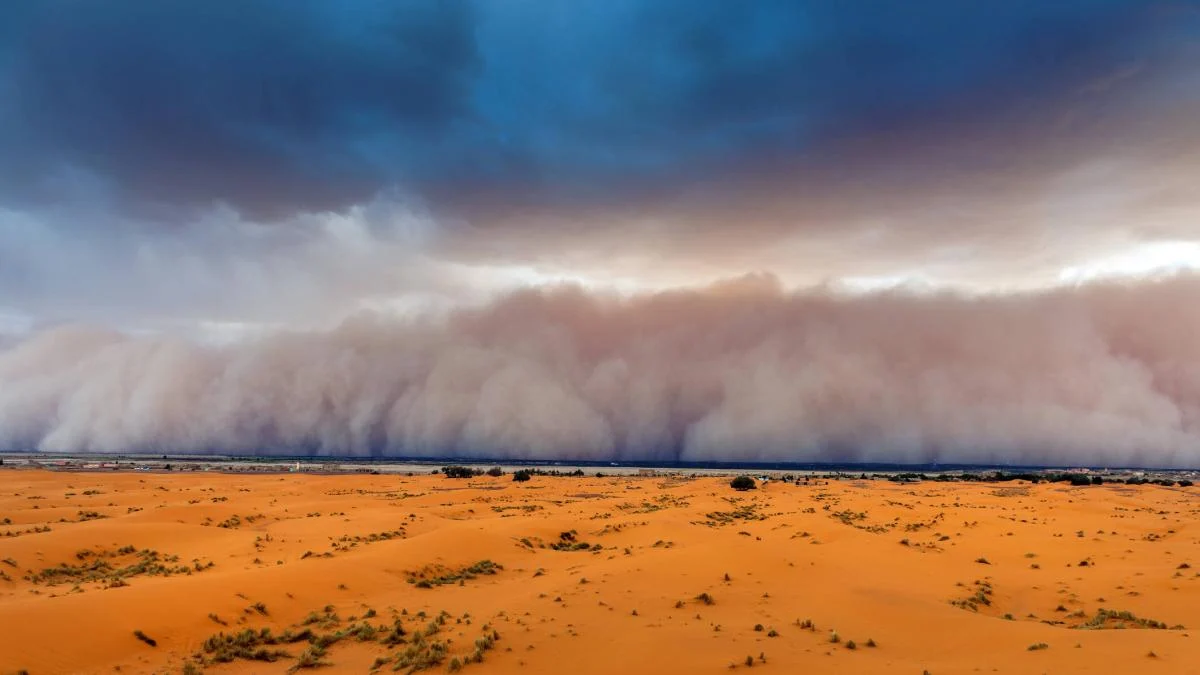
A significant atmospheric event is unfolding across the Caribbean basin. Starting today, September 10, a dense plume of mineral dust originating from the Sahara Desert is projected to sweep across the northern coast of South America, with Colombia firmly in its path. According to the latest monitoring reports from the Institute of Hydrology, Meteorology, and Environmental Studies (IDEAM), the phenomenon is expected to persist through September 12, serving as a stark reminder of the interconnected nature of global climate systems.
While the arrival of Saharan dust is a recurring seasonal occurrence, its intersection with a record-breaking "El Niño" climate cycle has heightened public interest and scientific scrutiny regarding air quality, respiratory health, and long-term ecological impacts.
The Meteorological Phenomenon: An Overview
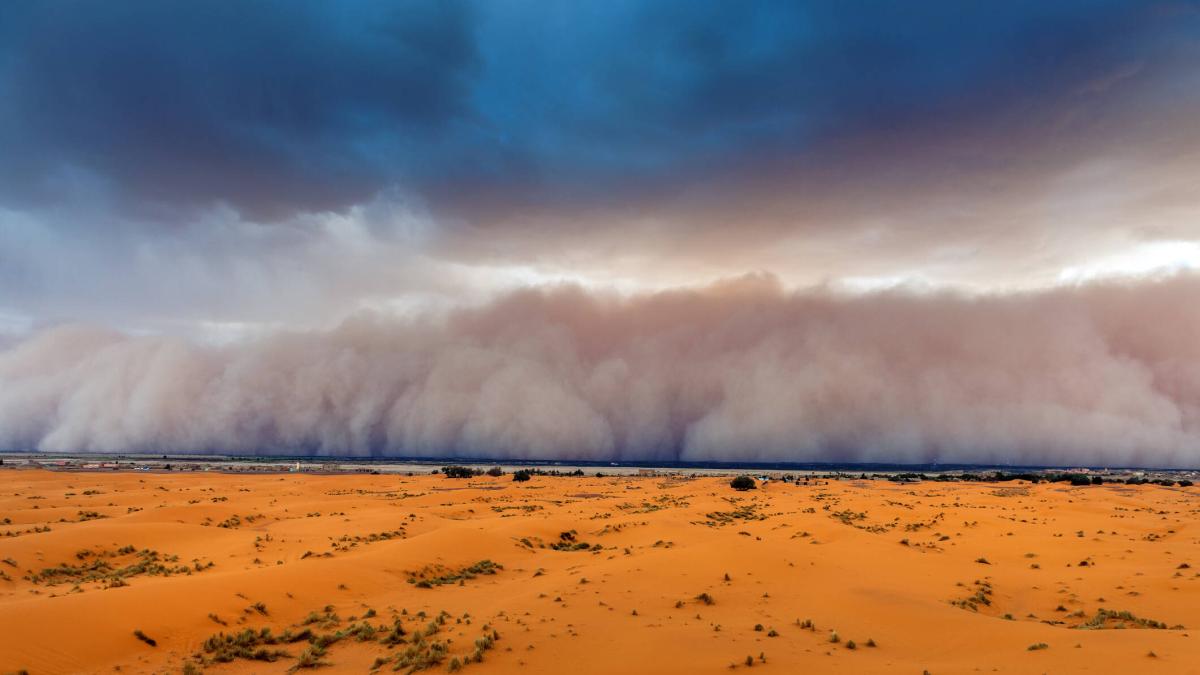
The transport of dust from the Sahara is a massive, continent-spanning process. Every year, high-speed winds across the African desert lift between 60 and 200 million tons of mineral particles into the upper atmosphere. While the majority of this material descends rapidly back to the Earth, a significant fraction of finer particles is caught by trade winds, crossing the Atlantic Ocean to reach the Caribbean and the Americas.
This dry, nutrient-rich air mass acts as a "filter" in the atmosphere. By increasing the concentration of aerosol particles, the dust clouds often create hazy, sun-dimmed skies. For the Colombian territory, the current forecast indicates that the bulk of this dust will transit over the Caribbean Sea. IDEAM authorities have confirmed that, for most of the country, the impact on air quality will be negligible. However, specific monitoring is focused on the department of La Guajira, where the proximity to the incoming wind currents may lead to a light, yet measurable, increase in particulate matter.
Chronology of Historical Impacts
To understand the significance of this week’s event, one must look at the historical trajectory of Saharan dust intrusions in Colombia. The phenomenon has been documented with varying degrees of intensity over the past decade, often leaving a measurable footprint on urban centers far from the coastline.

2014: The First Major Alert
The first modern, high-profile observation of this phenomenon in an urban center occurred in Medellín in July 2014. The Metropolitan Area’s environmental monitoring network detected an atypical spike in particulate matter (PM2.5), which was later traced to the trans-Atlantic dust transport. During that same period, Bogotá—located in the high Andean peaks—simultaneously experienced a surge in air pollution levels, highlighting how these atmospheric events can bypass topographic barriers to affect high-altitude cities.
2020: A Double-Edged Challenge
The year 2020 was a particularly difficult period for air quality in the Andean region. As the dust plume arrived, it interacted with local meteorological conditions, leading to a prolonged period of stagnant air. In Bogotá, the combination of the Saharan dust and local industrial emissions forced local authorities to issue public health warnings, advising citizens—particularly those with pre-existing respiratory conditions—to limit outdoor physical activity.
2021: The Role of Cloud Cover
The 2021 event provided a masterclass in atmospheric physics. While the concentration of dust was moderate, the presence of heavy regional cloud cover prevented the formation of thermal currents that would typically disperse the particles. The resulting "trapping" effect kept the air quality indices in the "moderate" to "sensitive" range for several days, demonstrating how Saharan dust can exacerbate local pollution problems by preventing the natural ventilation of cities.
Health and Ecological Implications
The arrival of Saharan dust is a complex environmental event with both deleterious and beneficial effects.
Public Health Risks
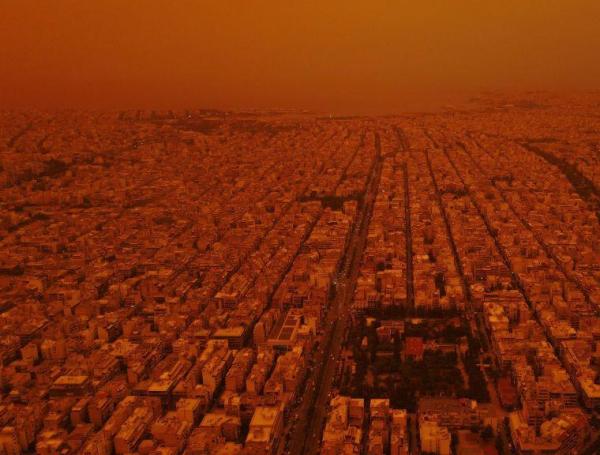
The most immediate concern is the impact on human health. Saharan dust consists of fine mineral particles that can easily penetrate the respiratory system. For vulnerable populations—including children, the elderly, and individuals suffering from asthma, chronic obstructive pulmonary disease (COPD), or allergies—the increase in suspended particles can trigger:
- Respiratory Distress: Increased coughing, wheezing, and shortness of breath.
- Ocular Irritation: Conjunctivitis and general dryness or discomfort.
- Dermatological Effects: Skin irritation due to the abrasive nature of the fine sand particles.
Health experts recommend that during periods of high dust concentration, citizens should keep windows closed, use air purifiers if possible, and wear masks if they must spend extended periods outdoors.
The Ecological "Fertilizer"
It is a common misconception that the Sahara’s influence is entirely negative. The dust is, in fact, a vital vehicle for nutrient transport. The particles contain high concentrations of phosphorus, iron, and other minerals that are essential for plant growth. When this dust settles in the Amazon rainforest and the tropical oceans, it acts as a natural fertilizer, replenishing the soil and feeding phytoplankton, which form the base of the marine food chain. Thus, while the dust causes temporary inconvenience in urban centers, it is a fundamental component of the Earth’s nutrient cycle.
Climate Modulation
On a climatic level, the dust acts as a barrier to solar radiation. Because the dust cloud is composed of very dry air, it can suppress the formation of clouds and inhibit the development of tropical cyclones. In this sense, the dust can actually play a role in "taming" hurricane activity in the Atlantic during the mid-summer months.
The Intersection with "El Niño"
Perhaps the most significant context for the current 2026 event is its occurrence alongside a deepening "El Niño" cycle. As of today, the IDEAM has issued a critical update: the probability of this specific El Niño event becoming the most intense in the last 76 years has climbed to 75%.

Distinguishing the Events
It is crucial for the public to distinguish between these two phenomena.
- Saharan Dust: A transient, short-term atmospheric event (lasting days) that acts as an external visitor to the region.
- El Niño: A deep-seated, long-term oceanic and atmospheric pattern (lasting months or years) that dictates the base climate of the country, characterized by increased temperatures and reduced rainfall.
While the two are not inherently linked—the dust is not "causing" the intensity of El Niño—they are both being monitored simultaneously as part of the country’s climate risk management. The fear is not that the dust will make El Niño worse, but rather that the added stress of poor air quality may coincide with the heat waves and wildfire risks already associated with the El Niño cycle.
Official Responses and Monitoring
The IDEAM continues to maintain a 24/7 monitoring protocol. Through satellite imagery and ground-level air quality sensors, the agency is tracking the density and velocity of the plume as it approaches the Colombian Caribbean.

"We are not currently projecting a state of emergency for the population," an IDEAM spokesperson stated. "However, the atmospheric conditions are being closely scrutinized. The public should rely on official bulletins and avoid spreading unverified information regarding the intensity of the event."
Local environmental authorities in the coastal departments have been advised to keep their particulate matter sensors calibrated and to report any significant deviations from the expected levels. While the dust is expected to pass within 48 to 72 hours, the broader climate outlook—dominated by the looming shadow of the intensified El Niño—suggests that Colombia’s environmental resilience will be tested throughout the remainder of 2026 and into early 2027.
Conclusion: A Living Planet
The arrival of the Saharan dust is a profound reminder that we live on a highly connected, dynamic planet. The winds that shift sand from the heart of Africa to the shores of Colombia are the same forces that drive our weather, influence our climate, and sustain our ecosystems.

As we navigate the coming days, the event serves as an opportunity for citizens to engage with the science of their environment. By understanding the origins and the effects of such phenomena, the public can move from a place of uncertainty to one of informed preparedness. Whether it is the temporary haze over a coastal city or the broader, more permanent shift in rainfall patterns brought on by El Niño, the message from the scientific community is clear: observation, monitoring, and adaptation are the keys to coexisting with a changing climate.
For real-time updates and air quality alerts, citizens are encouraged to follow the official channels of the IDEAM and local environmental authorities.