By Editorial Staff
Updated: July 23, 2026
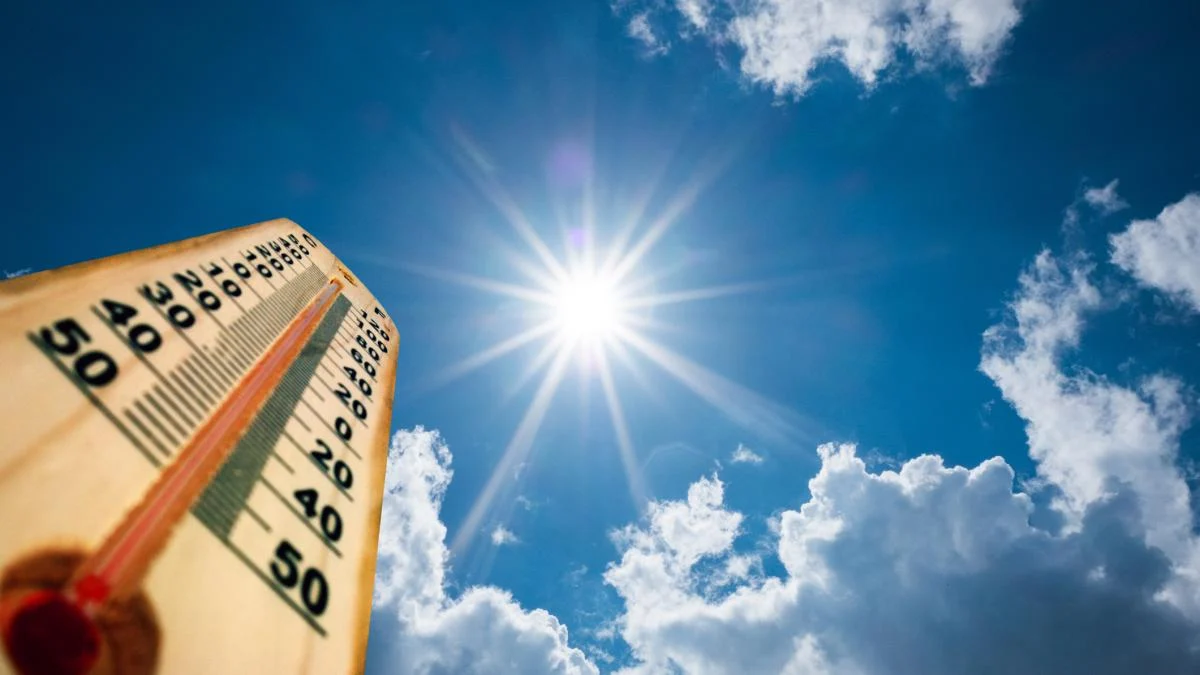
Europe is currently grappling with a profound environmental transformation that threatens its agricultural stability, energy security, and ecological integrity. According to a landmark study published by the scientific initiative World Weather Attribution (WWA), titled "Drought in Europe: Extreme Heat Depletes the Continent’s Water Reserves," the intensifying climate crisis is no longer a distant threat—it is a present-day reality characterized by record-breaking heatwaves and the rapid evaporation of vital water resources.
As temperatures soar earlier in the calendar year, the fundamental water balance of the continent is shifting. The research highlights a critical feedback loop: higher temperatures lead to drier soils, which in turn exacerbate atmospheric heating, creating a cycle that accelerates the drying of the landscape.
The Science of Desiccation: Understanding Evapotranspiration
At the heart of the current crisis is a process known as evapotranspiration—the combined loss of water from the soil and vegetation into the atmosphere. The WWA study reveals that the atmospheric demand for moisture has reached unprecedented levels.
Scientists involved in the research analyzed precipitation patterns, soil moisture indices, and potential evapotranspiration rates. The findings are sobering: the conditions of extreme evaporation observed between April and June are now approximately 80 times more likely to occur than they would be in a world without human-induced climate change. Furthermore, the intensity of this moisture-stripping process has increased by roughly 7 percent, a figure that carries massive implications for the continent’s hydrological health.
While rainfall variability remains a complex regional factor, the steady, unrelenting climb in temperatures has emerged as the primary driver of water scarcity. Even when rainfall occurs, it is often insufficient to replenish the moisture deficit created by the intense heat, leaving the land brittle and prone to fire.

A Chronology of Escalation: From Spring Drought to Summer Inferno
The onset of these conditions has shifted significantly in recent years. Historically, extreme heat was largely confined to the peak summer months of July and August. However, the data from 2026 indicates a marked shift toward earlier occurrences.
- Early Spring (March–April): Soil moisture levels began to plummet earlier than in previous decades, setting the stage for a precarious summer.
- Late Spring (May–June): Persistent heat domes settled over Western and Central Europe, rapidly drying out agricultural topsoil and reducing river levels to critical lows.
- Early Summer (July): The compounding effect of heat and drought triggered a surge in wildfire activity across the Mediterranean and Central Europe, coinciding with agricultural warnings.
This temporal shift means that the growing season, which relies on consistent soil hydration, is now consistently being interrupted by heat-induced water stress.
Supporting Data: The High Cost of the Heat
The physical toll of this climate shift is clearly visible across European borders. The data paints a picture of a continent struggling to adapt to a "new normal."

Spain: A Fire-Prone Landscape
Spain, a country already accustomed to heat, is facing a historic surge in wildfire activity. Between January 1 and July 22, 2026, the nation reported over 101,000 hectares of forest consumed by flames. To put this in perspective, this figure is more than quadruple the 24,000 hectares recorded during the same period in 2025. Perhaps more alarming is the frequency of "major" fires—defined as those requiring significant, multi-regional intervention. Spain has already seen 22 such events this year, significantly higher than the decadal average of nine.
France: Agricultural Vulnerability
France, often considered the breadbasket of Western Europe, is witnessing the erosion of its agricultural output. With 42,000 hectares burned since the start of the year, the human and economic cost is mounting. Experts warn that the country is on track to experience its worst corn harvest in half a century. The lack of irrigation water, coupled with heat-stressed crops, has led to stunted growth and failed yields, threatening food price stability in the coming months.
Romania: The Breadbasket’s Strain
In Eastern Europe, the crisis is equally dire. Romania has reported the loss of over one million hectares of crops. This widespread agricultural failure is not merely a local tragedy but a regional supply-chain issue, as the country is a significant exporter of grain within the European Union.

Economic and Infrastructure Implications
The impact of this drought extends far beyond the farm gate. The decline in the water levels of Europe’s primary rivers, such as the Danube and the Rhine, has created logistical bottlenecks. River transport, a vital artery for the movement of heavy goods, coal, and raw materials, is being severely curtailed. When barges cannot carry full loads due to shallow waters, transport costs skyrocket, leading to inflationary pressures on food and energy prices.
Furthermore, the energy sector is feeling the squeeze. Low river levels affect the cooling capacity of thermal power plants and the operational efficiency of hydroelectric dams. As energy demand peaks due to the heat, the continent’s ability to generate reliable power is increasingly compromised by the very water scarcity the heat has induced.
Official Responses and Strategic Challenges
Governments across Europe are struggling to respond to the dual challenge of immediate disaster management and long-term adaptation.

The European Commission has been urged by scientific bodies to integrate the WWA findings into its agricultural and water management policies. Among the proposed measures are:
- Drought-Resilient Agriculture: A transition toward crops that require less water and are more heat-tolerant.
- Water Infrastructure Investment: Strengthening the connectivity between water-rich and water-poor regions to prevent localized shortages.
- Fire Management Reform: Increasing funding for aerial firefighting assets and promoting forest management practices that create natural firebreaks.
However, officials acknowledge that "adaptation" is only part of the solution. The fundamental driver remains the greenhouse gas emissions that continue to fuel atmospheric warming. European ministers have reiterated their commitment to the Green Deal, arguing that the only way to stabilize the climate is to address the systemic reliance on fossil fuels that has made 80-fold increases in extreme evaporation probabilities the new reality.
The Human Dimension: A Future of Risk
The implications of this climate shift are profound. For the average citizen, the drought means not only higher utility bills and potentially costlier groceries, but also the loss of natural landscapes and the constant, underlying anxiety of wildfire risk.

The scientific consensus is clear: the current drought is not an anomaly but a harbinger. As the atmosphere continues to warm, its capacity to hold moisture increases, leading to a "thirstier" environment that drains the Earth’s surface more efficiently. For Europe, the challenge is no longer about "preventing" climate change, but about surviving the rapid pace of its arrival.
The agricultural and ecological systems that have sustained the continent for centuries are built on historical climate norms that no longer exist. Moving forward, the resilience of European society will depend on its ability to reimagine its relationship with water—viewing it not as an infinite resource, but as a precious, finite commodity that requires rigorous protection, sustainable usage, and a radical departure from the status quo.
As the summer of 2026 continues to test the limits of European infrastructure, the lesson remains clear: the heat is accelerating, the land is drying, and the window for effective, structural adaptation is closing. The data from the WWA serves as both a report card on the current state of our climate and a warning for the years to come.