By International News Desk
Updated: July 24, 2026 – 05:01 AM
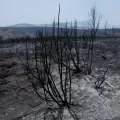
France is currently embroiled in a catastrophic battle against nature as 32 active wildfires ravage the country’s landscape. The situation, fueled by a relentless heatwave, record-breaking temperatures, and arid conditions, has reached a critical tipping point. As of this Friday, the most severe emergency is concentrated in the Nouvelle-Aquitaine region, where massive infernos in the Gironde and Landes departments have displaced tens of thousands of citizens, destroyed critical infrastructure, and overwhelmed local emergency services.
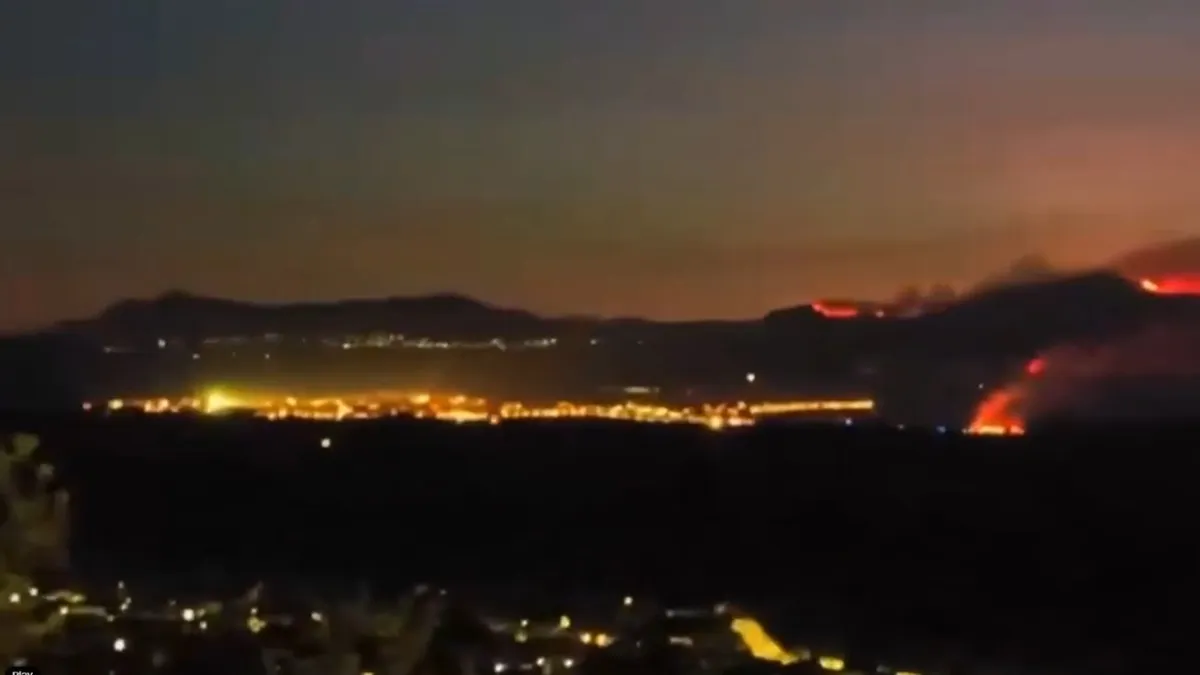
The Epicenter of the Disaster: Gironde and Landes
The situation in the bay of Arcachon has become the focal point of a national crisis. Minister of the Interior, Laurent Nuñez, confirmed in a live address via BFM TV that more than 10,000 hectares have been incinerated in this area alone. The fire, which originated in the vicinity of Somos and stretched toward the Cap Ferret peninsula, is described by officials as "highly erratic and difficult to control."
The scale of the displacement is staggering. Approximately 63,000 people have been forced to flee their homes across the two most affected departments. In the Gironde region, 40,000 residents and tourists have been evacuated, with authorities utilizing both land routes and maritime corridors to ensure the safety of those trapped by the advancing flames.

In the neighboring department of Landes, the town of Biscarrosse has become another battleground. A fire that ignited on Thursday has consumed an estimated 2,500 hectares. The evacuation efforts there have been swift, with 23,000 people—including 5,000 tourists from campsites in Parentis-en-Born and 18,000 residents—being moved to safety. While no fatalities have been reported among the civilian population, the property damage is severe, with initial reports suggesting at least 100 homes have been destroyed or significantly damaged.
Chronology of the 2026 Heat Crisis
The current wildfire outbreak is not an isolated event but the culmination of a summer marked by extreme climatic instability. France has been suffering through its third-longest heatwave since records began in 1947, with temperatures remaining at dangerous levels for 16 consecutive days.
- Early July: France experiences a steady increase in forest fire activity, with officials noting that the total land burned is already trending significantly higher than in previous years.
- Mid-July: A combination of sustained high temperatures, dry soil, and strong wind gusts creates "perfect storm" conditions for fire propagation.
- July 23: The crisis escalates as multiple large-scale fires break out simultaneously. The Gironde and Landes fires gain significant ground, with wind shifts causing secondary fire fronts to leap up to a kilometer ahead of the main blaze.
- July 24: Minister Nuñez reports that 50,000 hectares have been scorched in France since the beginning of the year—a figure that represents nearly triple the damage recorded during the same period in 2025.
Supporting Data: A Nation Under Siege
The scale of the destruction is corroborated by the government’s Operational Center for Crisis Management (COGIC) in Paris. The intensity of the 2026 fire season is reflected in the unprecedented aerial activity required to fight the flames. According to the Ministry of the Interior, the accumulated flight hours, water drops, and rotations of firefighting aircraft are two and a half times higher than those recorded at this same time last year.
Beyond the Gironde and Landes, the threat remains widespread:

- Var Department: A persistent fire burning between Marseille and Nice has consumed 3,700 hectares. While some of the 500 evacuated residents have begun to return home, the fire has claimed approximately 60 homes.
- Altos Alpes: A fire sparked by lightning in a rugged, mountainous region remains out of control, having consumed 240 hectares. The difficult terrain has hampered ground crews, making aerial intervention the only viable strategy.
Official Responses and International Cooperation
The French government has moved from a national response to an international one. Recognizing that local resources are being stretched to their absolute limits, France formally activated the European Union’s Civil Protection Mechanism on Thursday.
Minister Nuñez expressed deep gratitude to the neighboring nations that answered the call. The international coalition currently assisting French forces includes:

- Croatia: A specialized Canadair aircraft.
- Portugal: Two Air Tractor firefighting planes.
- Slovakia: Two water-bombing helicopters.
Domestically, the response is massive. In the Gironde and Landes regions alone, the fleet currently deployed includes four Canadair planes, two Dash aircraft, eight Air Tractors, and three water-bombing helicopters. On the ground, the Ministry has mobilized 330 gendarmes and six mobile gendarmerie squadrons to oversee orderly evacuations and secure the perimeters of the affected zones to prevent looting and ensure public safety.
"The priority remains the protection of human lives and dwellings," Minister Nuñez stated. While no civilians have lost their lives, the hazards to emergency personnel are high. One firefighter was hospitalized after the explosion of a gas pipeline during suppression efforts, a grim reminder of the volatile conditions faced by those on the front lines.
The Human and Ecological Implications
The economic and social cost of these fires will be felt for years to come. The loss of 50,000 hectares of forestland represents not just an ecological tragedy, but a massive blow to the tourism and agricultural sectors of Southwestern France.
For the 63,000 people displaced, the trauma of sudden evacuation is compounded by the loss of property. With 50 homes destroyed in Gironde and another 100 in Landes, the local governments are beginning to face the daunting task of providing long-term shelter and rebuilding aid.

Furthermore, these fires occur against the backdrop of a broader European emergency. Spain and Italy are reporting similar, if not worse, conditions, with large-scale fires and national states of emergency being declared in parts of the Iberian Peninsula. The interconnectedness of the European climate crisis suggests that this is no longer a matter of isolated incidents, but a systemic failure of environmental stability.
Expert Perspective: The New Normal?
Climatologists and emergency management experts warn that the 2026 season is a glimpse into a future of "megafires." The intensity of the heatwaves, coupled with the cumulative effect of multi-year droughts, has rendered the vegetation in regions like Nouvelle-Aquitaine highly flammable.

As the French government continues to manage the immediate crisis, political pressure is mounting to overhaul national fire prevention strategies. Critics argue that the reliance on firefighting aircraft is a reactive measure, whereas the focus must shift to forest management, controlled burns, and more robust land-use policies that account for the permanent shift in European weather patterns.
For now, the focus remains on the horizon. With weather forecasts predicting continued high temperatures and the potential for further wind-driven fire spread, the residents of the Gironde, Landes, and Var regions remain in a state of high alert. The battle for the French countryside continues, as a nation watches and waits for the containment lines to hold.

| Data Summary Table | Region | Hectares Burned | People Evacuated | Status |
|---|---|---|---|---|
| Gironde (Arcachon) | 10,000+ | 40,000 | Out of Control | |
| Landes (Biscarrosse) | 2,500 | 23,000 | Out of Control | |
| Var | 3,700 | 500 | Partially Contained | |
| Altos Alpes | 240 | N/A | Out of Control |
This report was compiled using live updates from the French Ministry of the Interior, local regional authorities, and international wire services.