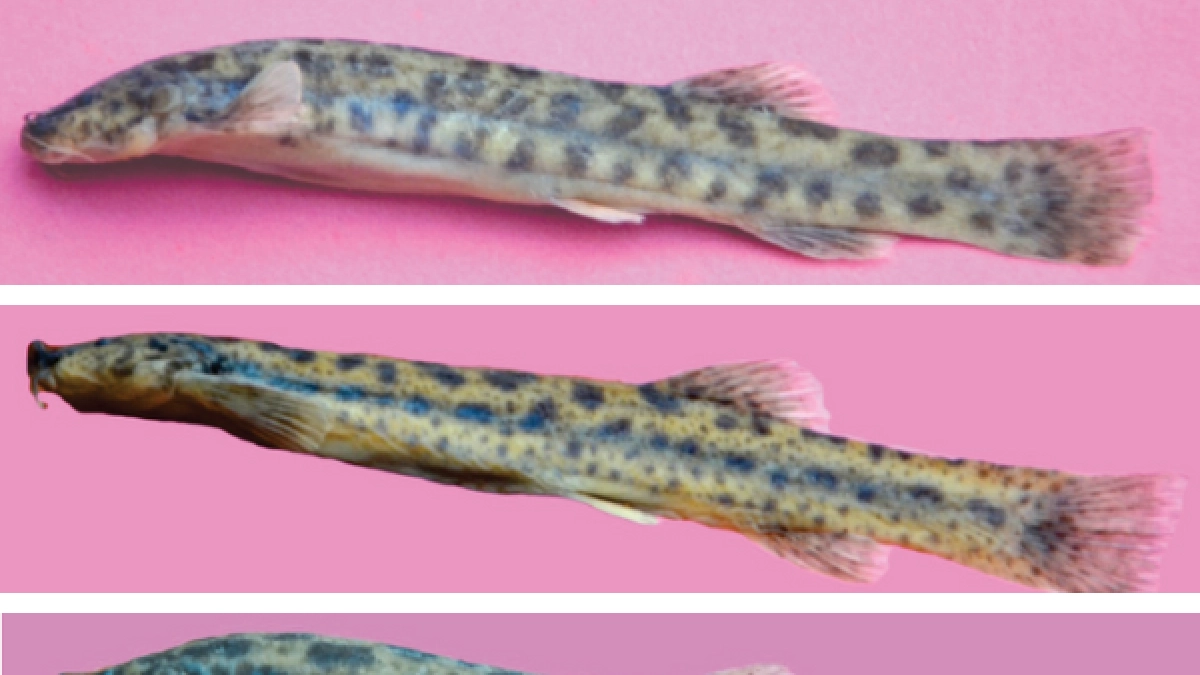
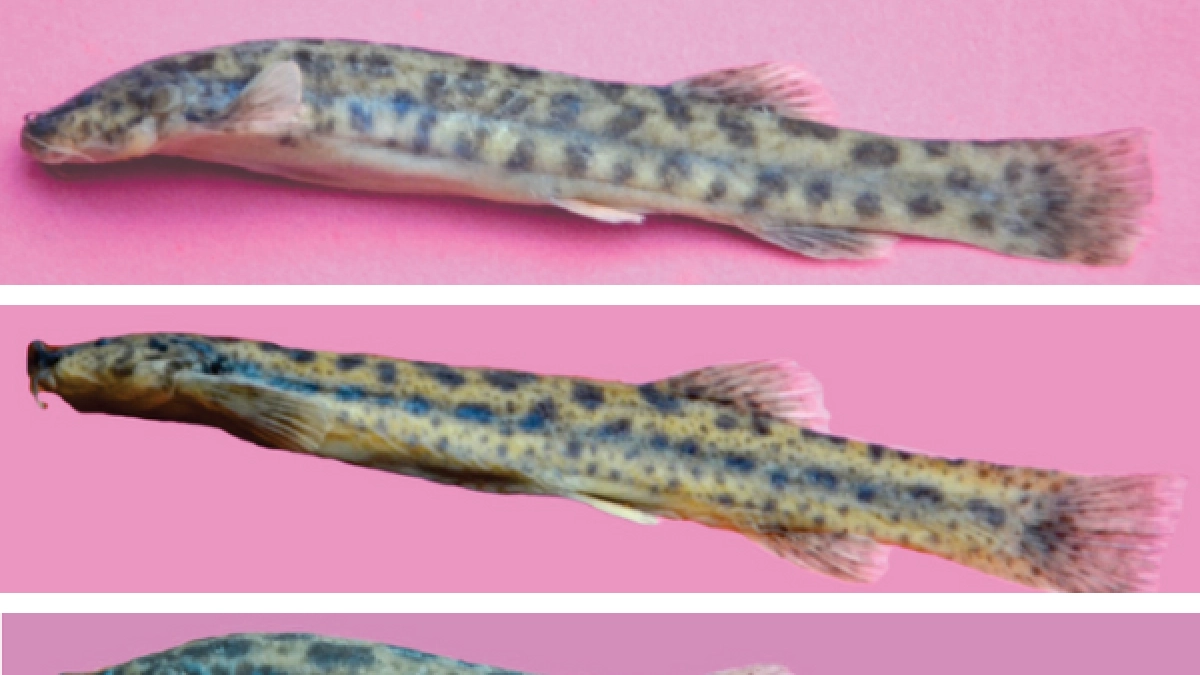
In a landmark study that has sent ripples through the international scientific community, researchers have identified a phenomenon previously thought impossible in the context of freshwater ichthyology: a transmissible cancer. The discovery, published in the prestigious journal Nature, centers on a decade-long investigation into the health of brown bullhead catfish (Ameiurus nebulosus) inhabiting Lake Memphremagog, a sprawling body of water straddling the border between the United States and Canada.
This finding marks the first time such a malignancy has been documented in a freshwater species and only the fourth instance of a transmissible cancer ever recorded in the animal kingdom. The discovery challenges long-held biological paradigms, suggesting that cancer can behave less like a localized systemic failure and more like a contagious, parasitic agent.
The Genesis of the Discovery: From Local Observation to Scientific Breakthrough
The story began not in a laboratory, but on the docks and shores of Lake Memphremagog. For years, local anglers and biologists had raised alarms regarding the deteriorating health of the resident catfish population. By 2014, the situation had reached a critical threshold, with field observations indicating that nearly one-third of the sampled brown bullheads exhibited grotesque, dark, and irregularly shaped skin lesions.
Initially, the scientific consensus leaned toward environmental factors. Given that brown bullheads are often utilized as "sentinel species"—organisms whose health serves as a bio-indicator for the overall quality of an aquatic ecosystem—researchers hypothesized that the lesions were the result of exposure to industrial pollutants, heavy metals, or perhaps an emerging viral pathogen.
However, a team of researchers led by the University of Vermont, in collaboration with several prominent North American institutions, decided to look deeper into the genetic makeup of these tumors. What they uncovered was a biological anomaly that shifted the investigation from environmental toxicology to evolutionary genetics.
Chronology of a Medical Enigma
- Pre-2010: Local fishermen begin reporting a growing number of catfish with "black spots" or growths. These reports are initially dismissed as localized skin issues related to water quality or common fish parasites.
- 2014: The prevalence of the lesions spikes, with field surveys confirming that roughly 30% of the population in specific sectors of Lake Memphremagog is affected.
- 2015–2020: Multidisciplinary teams begin a comprehensive longitudinal study. Genomic sequencing is employed to determine if the tumors are a result of genetic mutation or external infection.
- 2023: Preliminary findings reveal a staggering genetic uniformity across the tumors, suggesting a common origin that defies traditional cancer development models.
- July 2026: Official results are published in Nature, confirming that the cancer is, in fact, transmissible and behaves as a clonal lineage that spreads from fish to fish.
Deciphering the Genetics: Cancer as an Infectious Agent
The cornerstone of the study was the complete genomic sequencing of the tumor cells compared against the healthy tissues of the host fish. In a standard cancer case, a tumor develops from the host’s own cells due to accumulated mutations. Consequently, the tumor’s DNA is nearly identical to the host’s DNA.

In the case of the Lake Memphremagog catfish, the results were jarring. The cancer cells were found to be more closely related to each other than to the fish that carried them. This confirmed the presence of a "transmissible cancer"—a malignancy where the tumor cells themselves are the infectious agent. Much like a virus or bacteria, these cancerous cells migrate from one individual to another, successfully establishing themselves in a new host.
This puts the catfish cancer in the same rare and biologically fascinating category as three other known phenomena:
- Tasmanian Devil Facial Tumor Disease (DFTD): A contagious cancer that has decimated populations of the marsupial.
- Canine Transmissible Venereal Tumor (CTVT): A cancer that spreads among dogs through physical contact.
- Bivalve Leukemic Cancers: Malignancies that affect clams and mussels, which spread via ocean currents.
Implications for Ecosystems and Biodiversity
The emergence of a transmissible cancer in a freshwater environment raises urgent questions about aquatic health. The researchers are currently investigating the specific vectors of transmission. One leading hypothesis involves the breeding habits of the brown bullhead. During the spawning season, these fish gather in dense clusters in shallow, warm waters. This proximity, coupled with frequent physical contact, provides an ideal environment for the transfer of malignant cells.

Furthermore, scientists are examining the possibility of "environmental persistence." It is currently unknown whether the cancer cells can survive in the benthic sediment of the lake. Because brown bullheads are bottom-dwellers, they spend significant time in contact with the lake bed. If the cells can remain viable in the mud, the sediment itself could be acting as a reservoir for the disease.
The study also underscores the role of anthropogenic stress. While the cancer is the primary cause of the lesions, the researchers suggest that secondary factors—such as chemical runoff, rising water temperatures, and hormonal disruptions—likely weaken the immune systems of the fish, making them more susceptible to the initial infection.
Official Responses and Public Health Reassurance
Following the publication of the study, public concern regarding the safety of Lake Memphremagog has been palpable. The lake serves as a vital water source for more than 175,000 residents on both sides of the U.S.-Canada border.

In response, the research team and environmental health agencies have issued strong statements to mitigate panic. "There is currently zero evidence to suggest that this cancer poses a risk to human health," the report emphasizes. The biological barriers between fish and mammals are significant, and the mechanisms required for a fish cancer to colonize a human host are absent in this specific strain. The disease is highly specialized to the physiology of the Ameiurus nebulosus.
Governmental environmental departments in both Vermont and Quebec have pledged to increase monitoring of the lake’s water quality and wildlife health. While the immediate danger to humans is nonexistent, the long-term danger to the aquatic ecosystem remains a focus of ongoing research.
Looking Ahead: The Future of Cancer Research
The discovery in Lake Memphremagog is more than just a local ecological issue; it is a significant contribution to the broader field of oncology. By studying how these cells "escape" the host and survive in a new environment, researchers hope to gain a better understanding of metastasis—the process by which cancer spreads within a single human body.

The "contagious" nature of these cells offers a unique window into the evolutionary arms race between cancer and the immune system. If the cancer can "hide" from the immune system of one fish and successfully colonize another, it may hold secrets to how tumors in humans develop sophisticated mechanisms to evade our own defenses.
As the scientific community turns its attention toward Lake Memphremagog, the focus remains twofold: protecting the biodiversity of the lake and decoding the biological secrets of this unprecedented disease. The catfish of Memphremagog may have inadvertently provided humanity with a masterclass in the adaptability of cancer, reminding us that in the natural world, the boundaries between life, death, and disease are far more porous than we once believed.
For further updates on this research, citizens are encouraged to monitor the bulletins provided by the Department of Environmental Conservation and the ongoing longitudinal studies being conducted by the University of Vermont.