By Diana Vanessa Arévalo Correa
Redacción Últimas Noticias / Adapted for International Distribution
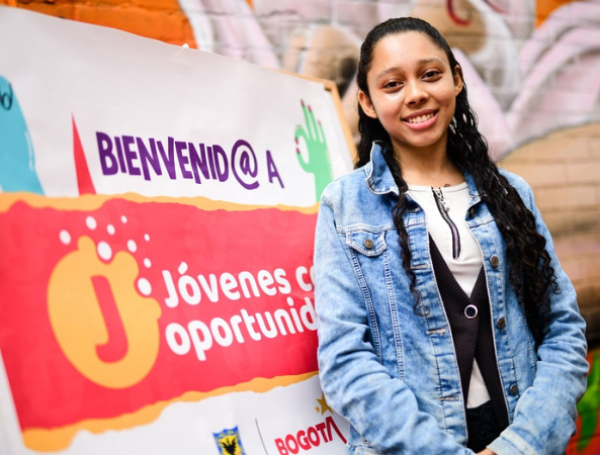
BOGOTÁ, COLOMBIA — In a decisive push to bridge the gap between education and the modern labor market, the District Secretariat of Social Integration (SDIS) has rolled out a fresh wave of educational and vocational opportunities for the city’s younger population. The flagship program, ‘Jóvenes con Oportunidades’ (Youth with Opportunities) 2026, has opened its pre-registration window, offering a lifeline to young individuals striving to upskill in high-demand sectors such as coding, digital tools, foreign languages, and professional empowerment.

With the pre-registration deadline firmly set for Friday, October 30, 2026, local authorities have intensified calls for eligible candidates to review the foundational requirements, evaluate their socioeconomic statuses, and complete the digital process before time runs out. Designed as a comprehensive springboard for personal and professional growth, the program aims to counteract youth unemployment and equip the workforce of tomorrow with the tools necessary to navigate an increasingly digitized global economy.
1. Main Facts: What is ‘Jóvenes con Oportunidades 2026’?
The ‘Jóvenes con Oportunidades’ program is an ambitious local government strategy engineered to bolster the educational and occupational trajectories of Bogotá’s youth. Rather than offering isolated academic courses, the initiative provides targeted, short-term training modules ranging from 40 to 160 hours, carefully calibrated to meet the current demands of the private sector and tech industries.

Core Offerings and Curricular Focus
While precise curriculum details vary by cohort, the 2026 iteration places a heavy emphasis on future-proof competencies. Key areas of study include:
- Software Development and Programming: Foundational and intermediate coding languages designed to integrate participants into Bogotá’s burgeoning tech ecosystem.
- English as a Second Language (ESL): Targeted language acquisition programs to improve global competitiveness and open doors to multinational customer service and tech support roles.
- Digital Literacy and Office Tools: Essential competencies for modern administrative and operational work environments.
- Soft Skills and Labor Guidance: Specialized workshops focusing on emotional intelligence, interview preparation, financial literacy, and CV building.
According to the Mayor’s Office of Bogotá, the primary objective is to dismantle the barriers that prevent vulnerable and low-income youth from accessing quality education. By offering these programs free of charge and pairing them with institutional guidance, the District hopes to create a seamless pipeline from the classroom directly into formal employment or higher education pathways.
2. Chronology: Key Dates and Deadlines for the October Call
Navigating public sector grants and educational initiatives requires strict adherence to timelines. The rollout of the current phase of ‘Jóvenes con Oportunidades 2026’ follows a tightly managed calendar designed to maximize efficiency and ensure swift allocation of resources:
- Mid-October 2026: The District Secretariat of Social Integration announces the opening of the October pre-registration cycle, detailing updated demographic targets and course availability.
- October 24 – October 28, 2026: A wave of informational campaigns and community outreach initiatives are deployed across Bogotá’s localities. Physical orientation points are established to assist applicants who lack reliable internet access or encounter technical difficulties with the digital portal.
- October 28, 2026 (22:51 COT): Official updates are published, reinforcing the closing procedures and reminding citizens that only a few days remain to secure a spot.
- October 30, 2026: The absolute deadline for pre-registrations. All digital forms must be submitted, and physical queries must be resolved by the close of business.
- Post-October 30, 2026: Evaluation of submitted applications by the SDIS team, cross-referencing demographic data, Sisbén classifications, and age criteria to select the final roster of participants for the upcoming academic cohorts.
3. Supporting Data: Target Demographics, Requirements, and Sisbén
To ensure that public funds and municipal resources are directed toward those who need them most, the District has established a strict matrix of eligibility criteria. Municipal authorities have emphasized that applicants must carefully verify their status against these indicators before attempting to fill out any forms.

Eligibility Criteria
While specific parameters can shift slightly depending on the exact sub-program or batch, the general requirements for the October 2026 cycle include:
- Age Range: Applicants must fall strictly within the youth demographic targeted by this specific call (as defined by the October 2026 regulatory framework, distinct from broader youth definitions used in earlier municipal phases).
- Residency: Must be legally established residents living in the Capital District of Bogotá, preferably within designated local areas prioritized by the SDIS vulnerability index.
- Socioeconomic Stratification & Sisbén Classification: Applicants must be registered under the official Sisbén IV methodology, falling within specific poverty or vulnerability thresholds (typically categories A, B, or low C), ensuring the aid reaches lower-income households.
- Educational Background: Depending on the course track, candidates generally need to have completed basic secondary education (high school graduation), though certain introductory technical modules accommodate broader educational histories.
District analysts note that confusing the requirements of previous years with the 2026 criteria is a common mistake that leads to application rejections. Therefore, checking the official guidelines on the SDIS portal remains a mandatory step for all candidates.

4. Official Responses and Institutional Framework
The administration of Mayor Carlos Fernando Galán and the leadership within the Secretariat of Social Integration have continually championed youth-centric policies as a cornerstone of social equity and crime prevention in the capital.
In official statements regarding the program, the SDIS underscored that investing in youth capacity is the most effective way to stimulate local economic mobility. "Education is not merely a personal achievement; it is a collective engine for development. Through ‘Jóvenes con Oportunidades,’ we are providing our youth with the tools to take control of their futures, ensuring that socioeconomic background does not dictate destiny," a spokesperson for the District noted.
Furthermore, municipal authorities have collaborated closely with private sector stakeholders and technological academies to ensure that the curriculum remains relevant. By aligning classroom instruction with the real-time needs of employers operating in Bogotá, the District is fostering a symbiotic relationship where graduates find ready employment, and local companies gain access to a well-trained, localized talent pool.
5. Step-by-Step Guide: How to Complete the Online Pre-registration
To make the process as accessible as possible, the District has eliminated physical paperwork for the initial phase, moving the entire procedure online. Eligible young people can follow this straightforward roadmap to submit their applications free of charge:

- Verify Eligibility: Before starting, review your Sisbén classification and ensure your identity documents are up to date.
- Access the Official Portal: Navigate to the official website of the Mayor’s Office of Bogotá or the direct landing page for the Secretaría Distrital de Integración Social (SDIS).
- Locate the Banner: Look for the specific section dedicated to ‘Jóvenes con Oportunidades 2026’ and click on the October pre-registration link.
- Fill Out the Digital Form: Input your personal data accurately, including your full name, identification number, current address, contact details, and socioeconomic indicators.
- Select Your Track: Choose your preferred training area (coding, English, digital tools) based on availability and personal career goals.
- Submit and Save Confirmation: Once all fields are completed, submit the form. Make sure to save or screenshot the confirmation number or digital receipt generated by the system, as this will serve as proof of your timely application.
6. On-the-Ground Support: Presential Orientation Points
Recognizing that the digital divide can still hinder some applicants, the District has maintained a network of physical assistance points across various localities in Bogotá. For those who require hands-on guidance, face-to-face troubleshooting regarding requirements, or assistance completing the online form, designated municipal offices have set up special advisory desks during the final days of the registration drive.
Citizens are encouraged to check the daily schedules and exact addresses of these localized support hubs through the official social media channels of the District (including the SDIS Facebook and X accounts) or via the weekly municipal newsletters.
7. Implications: Shaping the Future of Bogotá’s Workforce
The continuation and expansion of programs like ‘Jóvenes con Oportunidades’ carry profound long-term implications for the social fabric of Colombia’s capital.
- Combating Informality: Bogotá, like many Latin American urban centers, struggles with high rates of informal labor among young adults. By providing certified training in high-value sectors, the program pulls workers into the formal economy, granting them access to social security, fair wages, and legal labor protections.
- Closing the Tech Gap: As Bogotá strives to position itself as the technological hub of the Andean region (often dubbed "BogotaSilicon"), local talent must be cultivated from within grassroots communities. Training young people in programming and digital literacy democratizes access to the city’s most lucrative industries.
- Social Cohesion and Security: Providing meaningful alternatives to idle time—such as structured education, mentorship, and clear pathways to employment—serves as a powerful deterrent against delinquency, offering vulnerable youth a sense of purpose and upward mobility.
As the clock ticks down to the October 30 deadline, the onus is on Bogotá’s youth—and the families who support them—to seize this municipal bridge to a brighter, more secure future. With robust institutional backing, free access, and a curriculum built for the 21st-century economy, ‘Jóvenes con Oportunidades 2026’ stands as a testament to the transformative power of public education.