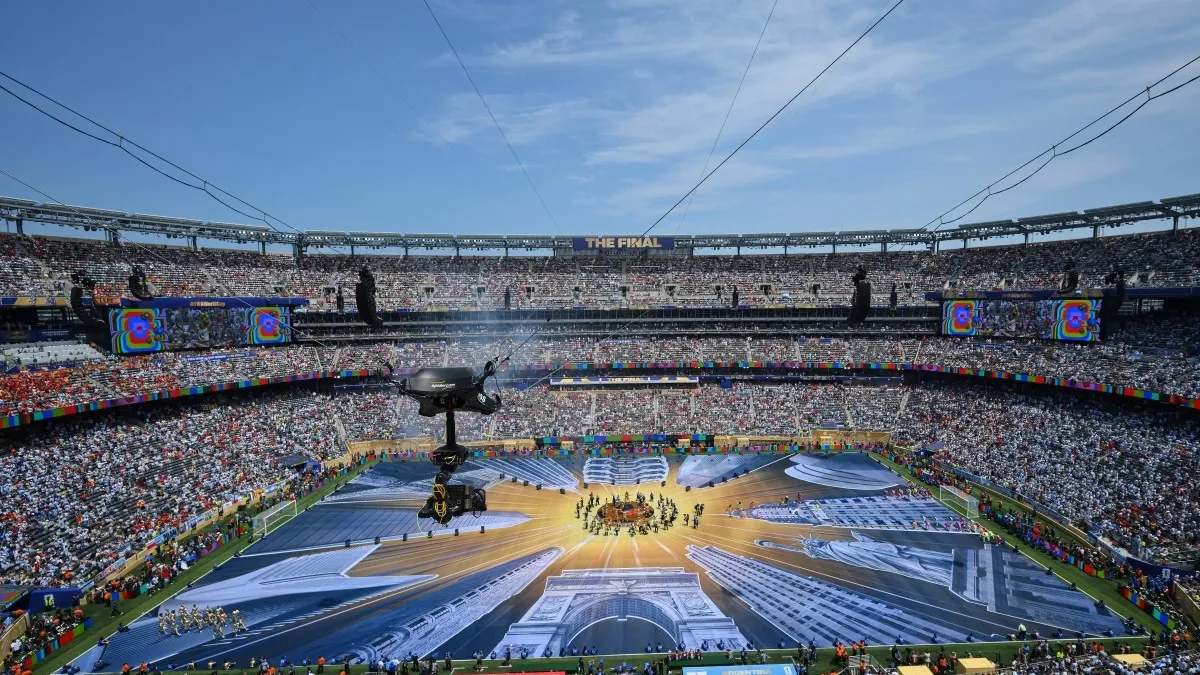
The conclusion of the 2026 FIFA World Cup has left an indelible mark not only on the annals of sporting history but, more significantly, on the structural economic fabric of Mexico. As the dust settles from the final whistle—a match that pitted the titans of Spain and Argentina against one another—the Mexican government has released a comprehensive balance sheet that paints a picture of a nation transformed by the sheer scale of the event. According to the Secretariat of Tourism (Sectur), the tournament acted as a monumental catalyst for the national economy, injecting billions of dollars and creating a surge in infrastructure utilization and employment that exceeded even the most optimistic pre-tournament projections.
The Economic Magnitude of the Tournament
The sheer financial weight of the 2026 World Cup in Mexico is difficult to overstate. Between the tournament’s kickoff on June 8 and the final on July 19, the country experienced an economic windfall totaling 65,000 million Mexican pesos (approximately 3.73 billion USD).
Of this total, the tourism sector alone accounted for over 42,276 million pesos (2.41 billion USD). This figure represents the direct expenditure of the 7.8 million travelers who descended upon the three host cities: Mexico City, Guadalajara, and Monterrey. These visitors were not merely spectators; they were active participants in a temporary, high-velocity economy that saw restaurants, hotels, and local service providers operating at maximum capacity for nearly six weeks.
Chronology of an Economic Surge
To understand the impact, one must look at the timeline of the event. The lead-up to the tournament saw months of infrastructure investment, but the period from June 8 to July 19 marked the "Gold Rush" phase.

- Early June: As the opening ceremonies approached, occupancy rates in the three host cities began to climb from standard seasonal averages to upwards of 70%.
- Late June: As the group stages intensified, the "Fan Fest" culture took hold. Millions of visitors, both domestic and international, flocked to public viewing areas. Mexico City alone saw its Fan Fest zones swell with crowds, setting the stage for the peak economic activity that followed.
- Early July: The knockout rounds brought a second wave of travelers. During this period, hotel occupancy reached its zenith, with some luxury establishments in the host cities reporting sustained occupancy rates of 90% or higher.
- Mid-July: The final week culminated in a massive concentration of global media and high-spending tourists, pushing restaurant revenues and retail sales to their highest levels of the year.
Supporting Data: A Sector-by-Sector Breakdown
The data provided by the Secretariat of Tourism reveals that the benefits of the tournament were felt unevenly but positively across various industries.
Employment and Labor
The tournament served as a major engine for job creation. A total of 130,900 direct jobs were generated across the three host cities. The breakdown reflects the population density and venue size of the host locations:

- Mexico City: 100,000 jobs (The primary hub for matches and cultural events).
- Monterrey: 15,800 jobs.
- Guadalajara: 15,100 jobs.
Transportation and Aviation
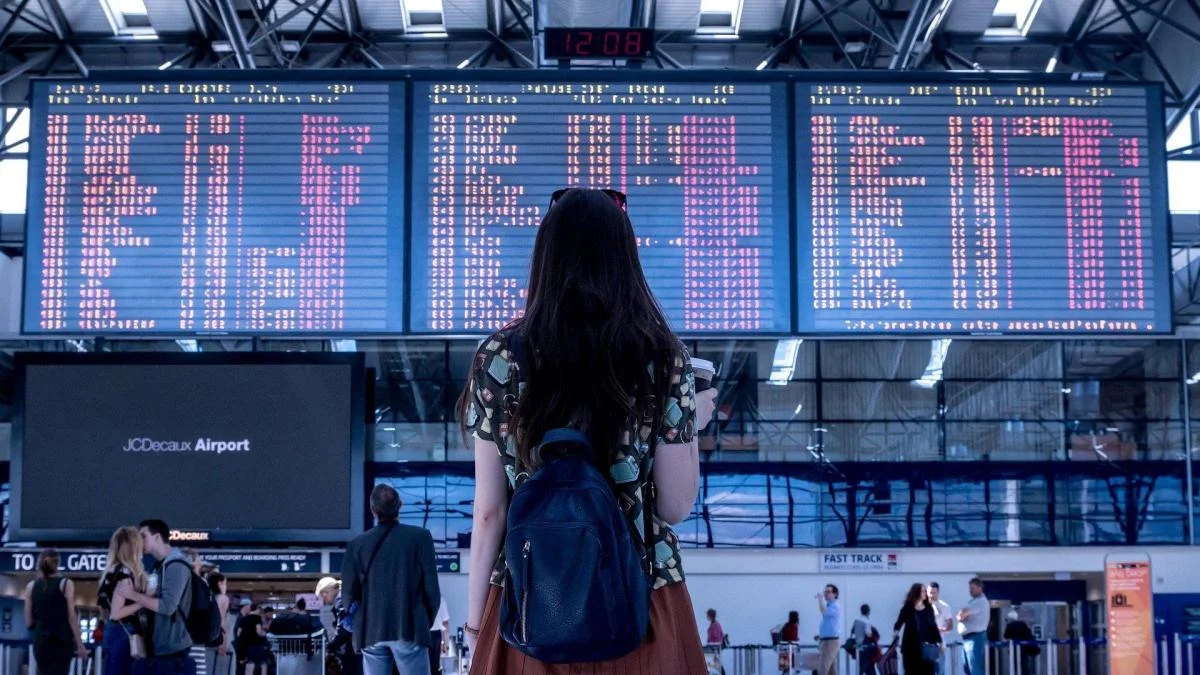
The logistical backbone of the event was the Mexican aviation network. The airports of the host cities processed a staggering 6.4 million passengers during the tournament period. The Felipe Ángeles International Airport (AIFA) proved its operational capability by recording an 18% increase in passenger flow, while the Guadalajara International Airport followed closely with an 11.5% growth. This influx of travelers highlights the importance of the recent investments made in airport infrastructure across Mexico.
Hospitality and Culinary Impact
The hospitality sector was perhaps the greatest beneficiary of the "World Cup Effect." On average, hotel occupancy across the host cities hovered around 66% for the duration of the event. However, this average masks the intense demand during match days, where hotels were consistently sold out. This scarcity allowed for a market-driven increase in rates, which rose by an average of 51.5% compared to non-tournament periods. Simultaneously, the restaurant industry reported sales spikes of up to 80%, driven by the massive surge in foot traffic and the vibrant, high-spending atmosphere in urban centers.

The "Fan Fest" Phenomenon
Beyond the stadium walls, the FIFA Fan Fests played a critical role in local economic stimulation. These zones provided an accessible way for the general public to engage with the tournament, attracting a cumulative total of 6.7 million attendees across the three cities.
Mexico City proved to be the epicenter of this engagement, hosting 4.4 million visitors at its various fan zones and contributing 25.8 billion pesos (1.48 billion USD) to the local economy. Guadalajara and Monterrey, while hosting fewer attendees (3.4 million combined), remained vital to the national success, collectively contributing over 16.4 billion pesos in tourism-related revenue.

Official Responses and Strategic Vision
The Secretary of Tourism, Josefina Rodríguez Zamora, emphasized that these numbers are not merely a one-time gain, but a foundation for future growth. "They came for the World Cup, but they will return for Mexico," she stated during the press conference.
The government’s official stance is that the 2026 tournament has served as a global showcase, effectively rebranding Mexico as a premier destination for large-scale international events. The "exposure dividend" is expected to be the most significant long-term impact. By demonstrating the country’s ability to host millions of visitors, manage complex logistics, and provide a world-class cultural experience, the government intends to launch aggressive new international tourism campaigns. The goal is to leverage the residual "top-of-mind" awareness generated by the tournament to ensure that the surge in foreign interest continues well into 2027 and beyond.

Implications for the Future
The economic success of the 2026 World Cup leaves Mexico with several strategic implications:
- Infrastructure Maturity: The successful handling of 6.4 million additional air passengers proves that Mexico’s aviation and transit infrastructure can handle high-stress, high-volume scenarios, which may encourage further investment in transportation hubs.
- Labor Market Expansion: The 130,900 jobs created provide a baseline for a skilled service workforce that can be transitioned into other sectors, potentially reducing the unemployment rate in the host regions.
- Regional Development: While Mexico City dominated the figures, the success of Guadalajara and Monterrey demonstrates the capacity for regional cities to act as global hubs, potentially decentralizing tourism growth away from the capital in the future.
- Brand Equity: The most intangible but perhaps most valuable asset is the improved global perception of safety and hospitality. The positive experience of millions of international tourists is expected to counteract negative narratives and bolster the tourism sector for years to come.
In summary, the 2026 FIFA World Cup has proven to be a transformative event for Mexico. While the 65,000 million pesos in economic benefits provide a clear metric for success, the true value lies in the nation’s demonstrated capacity to host the world. As the country transitions into the post-tournament phase, the challenge for the administration will be to maintain the momentum and translate this brief, intense burst of prosperity into a sustained period of economic growth for the tourism and service sectors. The "World Cup Effect" has officially arrived in Mexico, and if the government’s strategy succeeds, it will be felt for generations to come.