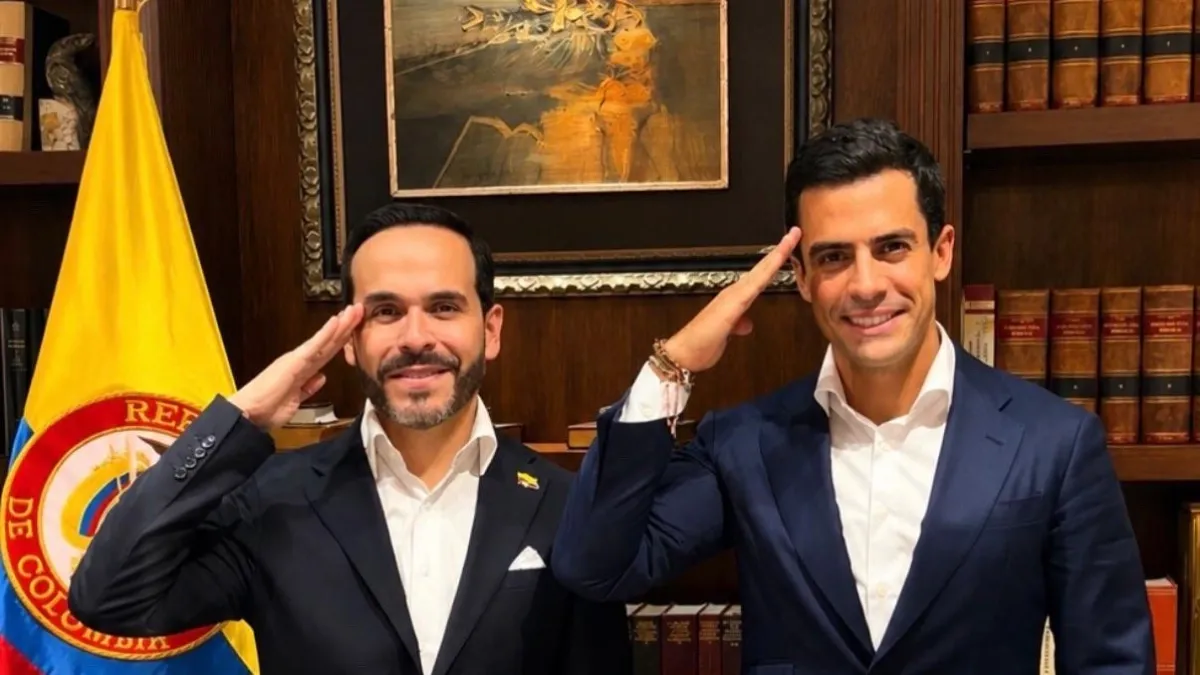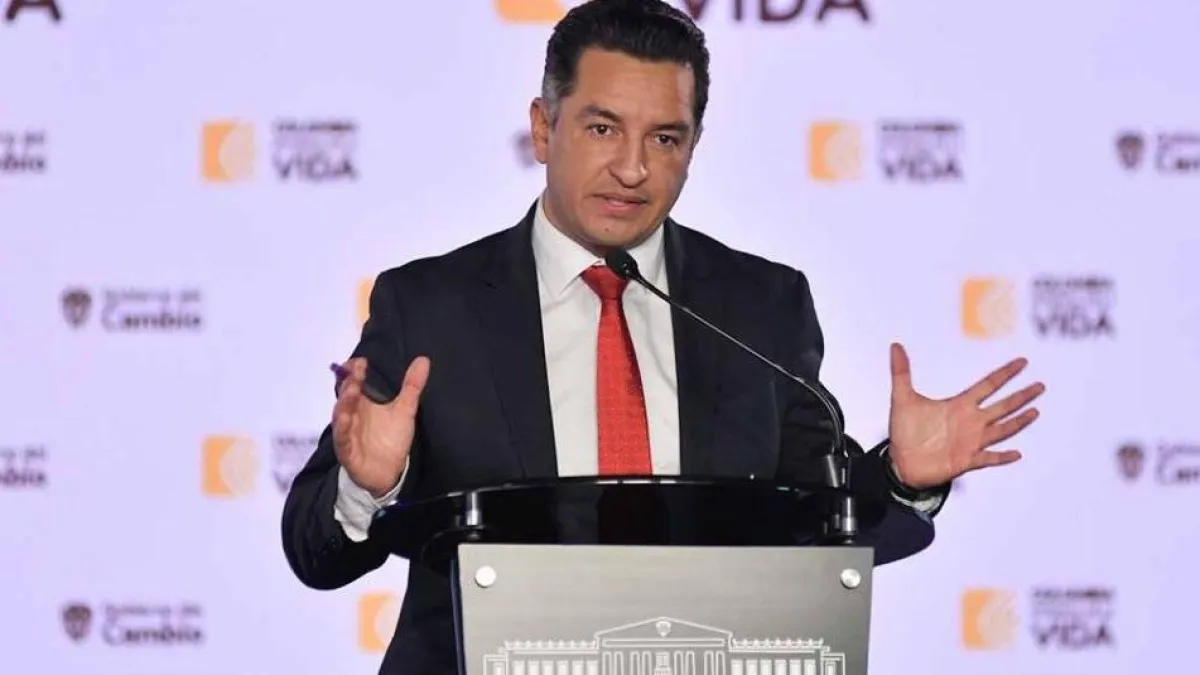
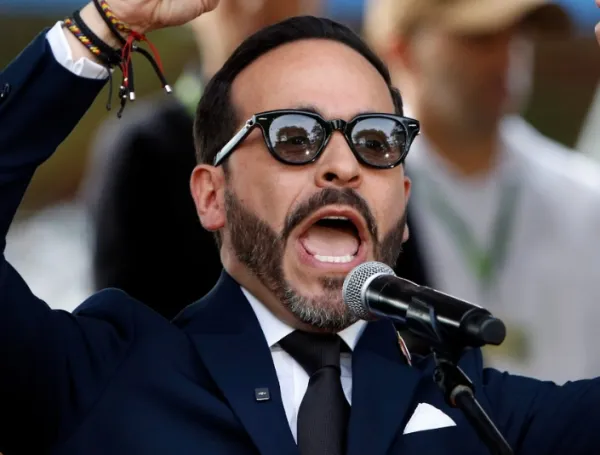
Bogotá, Colombia – July 22, 2026 – In a move that underscores the strategic direction of his nascent administration, Colombia’s President-elect, Abelardo De La Espriella, officially announced the appointment of former Democratic Center Senator Carlos Felipe Mejía as the country’s new Ambassador to the Kingdom of Spain. The designation, made public on July 22, 2026, signals a clear intent to strengthen one of Colombia’s most historically significant diplomatic relationships and introduces a seasoned political figure with a deep background in agriculture and public management to the international stage.
The decision to entrust Mejía with this crucial diplomatic post has been met with significant attention, reflecting both the importance of Colombia-Spain relations and the political implications of De La Espriella’s early cabinet choices. As the President-elect rapidly assembles his government, this appointment is seen as a deliberate step to leverage experienced political capital in key international roles.
Main Facts: A Key Diplomatic Appointment
The formal announcement of Carlos Felipe Mejía’s ambassadorship to Spain was conveyed through a publication by the political movement "Defensores De La Patria" on its X account, stating, "With a background in Agronomy and a master’s degree in Government and Public Management, (Mejía) will assume diplomatic representation (…) to strengthen relations between both countries." This concise declaration immediately highlighted Mejía’s academic and professional qualifications, framing his appointment within the broader objective of fostering robust bilateral ties.
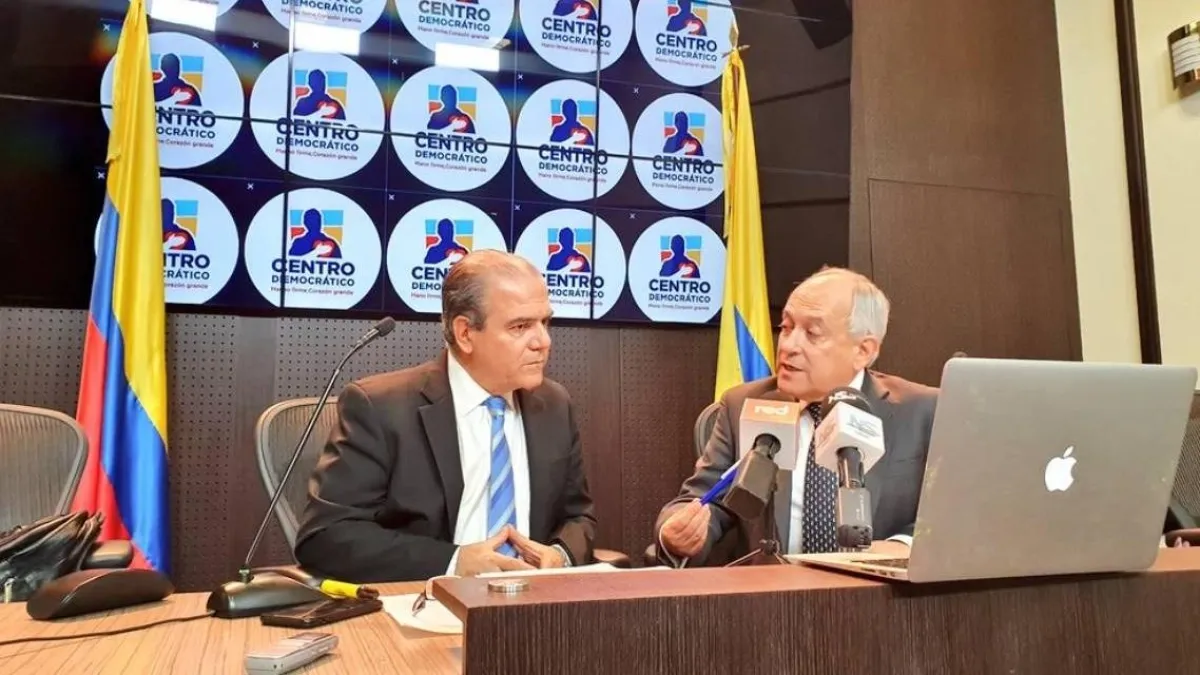
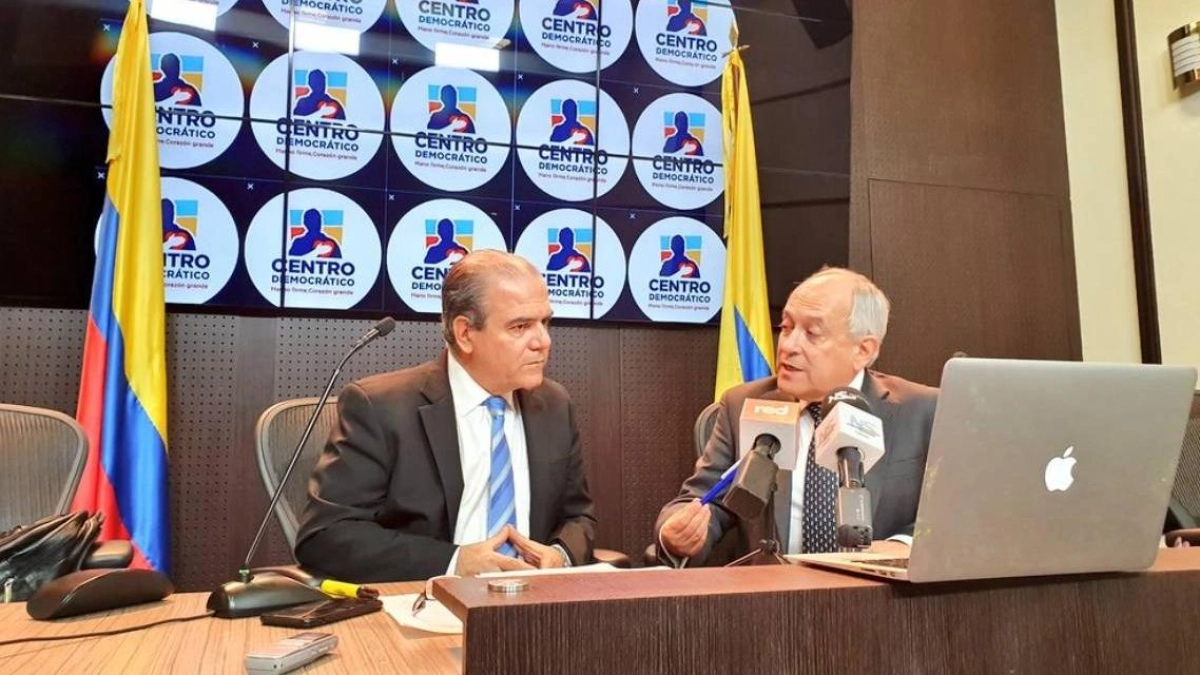
Carlos Felipe Mejía, a native of Manizales, brings a substantial political and administrative résumé to the role. His tenure as a Senator of the Republic from 2014 to 2022, coupled with earlier experience as a Deputy in the Caldas Assembly from 2007 to 2010, demonstrates a long-standing commitment to public service and legislative affairs. His deep roots in the agricultural sector, stemming from years of managing family businesses, are expected to be a valuable asset in a country like Spain, which shares significant agricultural interests and trade potential with Colombia.
The selection of a prominent figure from the Democratic Center, a party founded by former President Álvaro Uribe and generally positioned on the center-right of the political spectrum, is particularly noteworthy. It suggests a potential alignment or a pragmatic approach by President-elect De La Espriella to integrate diverse, yet ideologically compatible, political forces into his administration’s foreign policy apparatus. This appointment is one of the initial key decisions of the incoming government, setting a tone for how De La Espriella intends to navigate both domestic political dynamics and international relations.
A Distinguished Career: Chronology of Carlos Felipe Mejía
Carlos Felipe Mejía’s journey to the diplomatic corps is marked by a blend of academic rigor, private sector experience, and dedicated public service. Born in Manizales in 1962, Mejía’s early life was deeply intertwined with the agricultural heritage of his region.

His academic foundation was laid at the prestigious Zamorano University in Tegucigalpa, Honduras, where he completed his undergraduate degree in Agronomy in 1983. Zamorano is renowned across Latin America for its practical and rigorous approach to agricultural education, providing Mejía with a strong technical understanding of the sector that would define much of his early career. Following his graduation, he spent many years immersed in the agricultural industry, administering family businesses and gaining firsthand experience in the challenges and opportunities of the Colombian countryside. This practical expertise would later inform his legislative agenda and policy perspectives.
Decades later, Mejía pursued further academic enhancement, earning a Master’s degree in Government and Public Management in 2020 from Pompeu Fabra University in Barcelona, Spain. This advanced degree is particularly significant, not only for its focus on governance but also for its location. Having studied in Spain, Mejía possesses a direct understanding of Spanish academic, administrative, and cultural environments, which could prove invaluable in his new diplomatic role. This combination of agrarian expertise and modern public administration theory positions him as a well-rounded diplomat capable of addressing complex bilateral issues.
Mejía’s foray into public service began earlier in his career. From 2007 to 2010, he served as a Deputy of the Assembly of Caldas, his home department. This regional legislative experience provided him with an intimate knowledge of local governance, regional development challenges, and the intricacies of political negotiation at a sub-national level. This period was crucial in honing his political skills and preparing him for a broader national role.
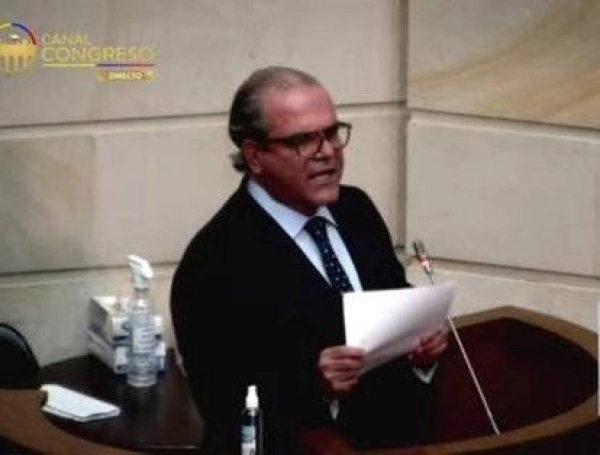
A pivotal moment in Mejía’s political trajectory occurred in 2013 when he actively participated in the founding of the Democratic Center party. This party, established under the leadership of former President Álvaro Uribe Vélez, quickly rose to prominence as a major conservative force in Colombian politics. Its ideology is typically characterized by a strong emphasis on security, economic liberalism, and respect for private property, often advocating for a robust state presence in maintaining order and promoting free-market principles. Mejía’s involvement from the party’s inception highlights his ideological alignment and deep commitment to its foundational principles.
His commitment to the Democratic Center propelled him into national politics. He was elected Senator of the Republic for two consecutive terms, serving from 2014 to 2022. During his first term (2014-2018), Mejía was an active member of several key legislative bodies, including Commissions IV (Economic Affairs), V (Agricultural, Environmental, and Mining Affairs), and the Ethics Commission. These assignments allowed him to delve into critical national issues, ranging from fiscal policy to natural resource management and ethical conduct in public office. His presence on Commission V was a direct application of his agrarian background, enabling him to champion policies beneficial to Colombia’s rural sector.
In 2018, Mejía was reelected as Senator, a testament to his political influence and the confidence placed in him by the electorate. During this second term, he ascended to the presidency of Commission V, further solidifying his leadership in agricultural and environmental policy. His legislative agenda consistently focused on issues pertinent to the agro-industrial sector, rural development, and environmental sustainability, alongside engaging in crucial political control debates aimed at scrutinizing government actions and ensuring accountability.
This extensive legislative and administrative background, combined with his private sector and academic achievements, culminates in a profile uniquely suited for the demands of high-level diplomacy. His transition from a long and impactful legislative career to representing Colombia in Spain marks a significant new chapter, where his experience can be leveraged to advance Colombia’s interests on the international stage.
Supporting Data: The Strategic Importance of the Spanish Ambassadorship
The appointment of Carlos Felipe Mejía to Spain is not merely a political reward but a calculated move to reinforce a relationship of paramount importance to Colombia. The strategic significance of the Spanish ambassadorship is multifaceted, encompassing historical, cultural, economic, and geopolitical dimensions.
Deepening Bilateral Ties: Colombia and Spain
The bond between Colombia and Spain is one of the most enduring and profound in Latin America. Rooted in centuries of shared history, language, and culture, the relationship transcends mere diplomatic formality. Spain, as the former colonial power, remains a crucial partner for Colombia, serving as a cultural bridge and an economic gateway to Europe.
Economically, Spain is a significant investor in Colombia, particularly in sectors such as banking, telecommunications, energy, and infrastructure. Spanish companies have a long-standing presence in Colombia, contributing to job creation and economic development. Conversely, Colombia’s exports to Spain include agricultural products, raw materials, and manufactured goods. The potential for increased trade and mutual investment is substantial, particularly in areas like sustainable tourism, renewable energy, and technological innovation. In 2023, bilateral trade volume reached approximately $2.5 billion, with significant opportunities for growth.
Culturally, the ties are vibrant. Millions of Colombians have emigrated to Spain, forming a substantial diaspora that further strengthens social and familial links. Educational and cultural exchange programs are robust, promoting understanding and collaboration in arts, academia, and research. Spain’s membership in the European Union also positions it as a vital conduit for Colombia to engage with the broader European market and its institutions, facilitating access to EU funding, expertise, and political dialogue.
Mejía’s Profile Aligns with Diplomatic Objectives
Carlos Felipe Mejía’s diverse background makes him a particularly suitable choice for the ambassadorship to Spain, aligning well with key diplomatic objectives.
His agronomy expertise, honed at Zamorano University and through years of managing family agricultural enterprises, positions him perfectly to champion Colombian agricultural exports and seek Spanish investment in modernizing Colombia’s rural sector. Spain, with its advanced agricultural techniques and strong market access within the EU, could be a key partner in developing sustainable agriculture, food security initiatives, and improving supply chains for Colombian products. His previous role as Director of the Urban Food Security Program for Colombia, appointed by the FAO and the Presidential Agency for Social Action and International Cooperation in 2003, further underscores his capabilities in this critical area. This experience could be instrumental in fostering collaboration on global food security challenges.
Furthermore, his Master’s degree in Government and Public Management from Pompeu Fabra University in Barcelona provides him with an intrinsic understanding of Spanish administrative and political systems, as well as European governance models. This academic foundation, coupled with his practical experience in Colombia’s Congress, including presiding over Commission V, equips him with the skills to navigate complex diplomatic negotiations and advocate effectively for Colombia’s interests within the Spanish and broader European contexts. His knowledge of public policy, honed in a European academic setting, will be invaluable in identifying areas for intergovernmental cooperation and policy exchange.
Political Calculus: De La Espriella’s Vision and the Democratic Center
The appointment of Carlos Felipe Mejía also offers insights into President-elect De La Espriella’s political strategy and the ideological composition of his incoming government. De La Espriella, a figure who has cultivated a reputation for being a strong advocate for certain conservative principles, appears to be assembling a team that blends experience with specific political alignments.
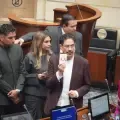
The Democratic Center, a party synonymous with the political legacy of former President Álvaro Uribe, holds significant sway within Colombia’s conservative base. Mejía’s long-standing affiliation with the party, including his role in its founding and his consistent representation of its values in Congress, signals De La Espriella’s willingness to integrate established conservative figures into his administration. This could be interpreted as a move to consolidate support from traditional right-wing sectors, ensuring political stability and broad appeal for his foreign policy agenda.
Moreover, this appointment could be part of a larger strategy by De La Espriella to balance various political factions within his government, as hinted by reports of "Antioquia’s weight among the profiles" he is considering and the "dialogue" between the Historical Pact and the Democratic Center in the Senate presidency election. While Mejía’s appointment aligns with a generally conservative stance, it might also represent a pragmatic effort to draw upon the expertise of experienced public servants, regardless of their specific party affiliation, as long as they align with the administration’s broader goals. This could be an early indication of De La Espriella’s approach to governance: one that values competence and strategic partnerships across political lines where possible, while maintaining a clear ideological direction.
Official Responses and Political Repercussions
The official announcement of Mejía’s appointment by the "Defensores De La Patria" movement provided the initial confirmation, highlighting his qualifications and the mission to strengthen bilateral ties. However, such a high-profile diplomatic designation inevitably elicits broader political responses.

The President-elect’s office, while not issuing a detailed statement immediately, is expected to emphasize Mejía’s extensive experience and suitability for the role. Spokespersons would likely underscore his academic background, his deep understanding of the agricultural sector, and his legislative acumen as key assets for advancing Colombia’s agenda in Spain. The narrative would focus on leveraging Mejía’s proven track record in public service to enhance economic cooperation, cultural exchange, and political dialogue between the two nations.
From the Democratic Center, Mejía’s former political home, the response has been largely positive and congratulatory. Party leaders and members have expressed pride in his appointment, viewing it as a recognition of the party’s talent and its commitment to public service. This move is seen as reinforcing the party’s influence and its continued relevance in national politics, even as it transitions from opposition to potentially a more collaborative role with the new administration. The appointment of a prominent "Uribista" to such a significant post could also be interpreted as a gesture of goodwill and a strategic alliance between De La Espriella’s government and the Democratic Center.
Conversely, opposition parties and certain political analysts might scrutinize the appointment, particularly concerning the ideological alignment and any perceived political trade-offs. Questions could arise regarding the balance of diplomatic appointments across the political spectrum or the specific policy agenda Mejía is expected to pursue. However, given Mejía’s strong academic and professional credentials, direct criticism of his competence might be muted, with any dissent more likely focusing on the broader political implications of De La Espriella’s early appointments.

The context of a "dialogue" between the Historical Pact and the Democratic Center regarding the Senate presidency election, as referenced in related news, adds another layer of complexity. While Mejía’s appointment itself is distinct from internal congressional leadership battles, it reflects a period of intense political maneuvering and potential cross-party negotiations. This could suggest that De La Espriella is adept at forging alliances and utilizing strategic appointments to navigate a potentially fragmented political landscape, aiming to build a broader consensus for his legislative and foreign policy initiatives.
Implications: Charting a Course for Future Relations
Carlos Felipe Mejía’s ambassadorship to Spain carries significant implications for Colombia’s foreign policy, bilateral relations, and domestic political landscape. His tenure is expected to focus on several key areas, aiming to solidify and expand the existing strong ties between the two nations.
Enhancing Economic and Commercial Exchange
One of the foremost expectations for Mejía’s role will be to catalyze economic and commercial growth between Colombia and Spain. His deep understanding of the agricultural sector positions him uniquely to identify and exploit opportunities for increasing Colombian agricultural exports to Spain and the wider European Union. This could involve promoting non-traditional products, facilitating investment in modern farming techniques, and addressing trade barriers. Furthermore, he is expected to encourage Spanish investment in Colombia’s growing sectors, such as renewable energy, infrastructure, and technology, leveraging Spain’s expertise and capital to foster sustainable development in Colombia. The goal will be to diversify bilateral trade beyond traditional commodities, fostering innovation and value-added industries.

Strengthening Cultural and Social Bonds
Beyond economics, Mejía will be tasked with nurturing the rich cultural and social ties that bind Colombia and Spain. This includes promoting educational exchanges, facilitating cultural events, and supporting initiatives that highlight the shared heritage and contemporary artistic expressions of both countries. A crucial aspect of his social agenda will be to address the concerns and needs of the substantial Colombian diaspora residing in Spain. This involves ensuring consular support, promoting integration, and facilitating remittances and investments back to Colombia, thereby leveraging the diaspora as a bridge between the two nations.
Geopolitical Positioning and Regional Leadership
The ambassadorship also plays a role in Colombia’s broader geopolitical strategy. Spain serves as an important interlocutor for Colombia within the European Union and on the global stage. Mejía’s mission will involve fostering political alignment on key international issues, such as climate change, migration, regional security, and multilateral cooperation. By strengthening ties with Spain, Colombia can enhance its voice in international forums, collaborate on global challenges, and reinforce its position as a responsible and engaged actor in Latin America and beyond. This relationship can also be instrumental in promoting democratic values and regional stability.
Challenges and Expectations for Mejía’s Tenure
Mejía’s tenure will undoubtedly face challenges, including navigating the complexities of international trade agreements, managing geopolitical shifts, and responding to unforeseen diplomatic incidents. He will need to effectively articulate Colombia’s foreign policy objectives, maintain strong lines of communication with both the Colombian government and Spanish authorities, and foster a robust and responsive embassy team. The expectation is that his extensive experience in legislative debate and public management will equip him to effectively represent Colombia’s interests, advocate for its citizens, and strategically advance the administration’s foreign policy goals.

In conclusion, Carlos Felipe Mejía’s appointment as Colombia’s Ambassador to Spain is a pivotal decision by President-elect Abelardo De La Espriella. It reflects a strategic blend of political experience, sectoral expertise, and a clear vision for strengthening one of Colombia’s most vital international relationships. As Mejía prepares to assume his duties, all eyes will be on how this seasoned politician leverages his unique background to navigate the diplomatic landscape and deepen the enduring bonds between Colombia and Spain.