Introduction: A Turning Point for the FPC
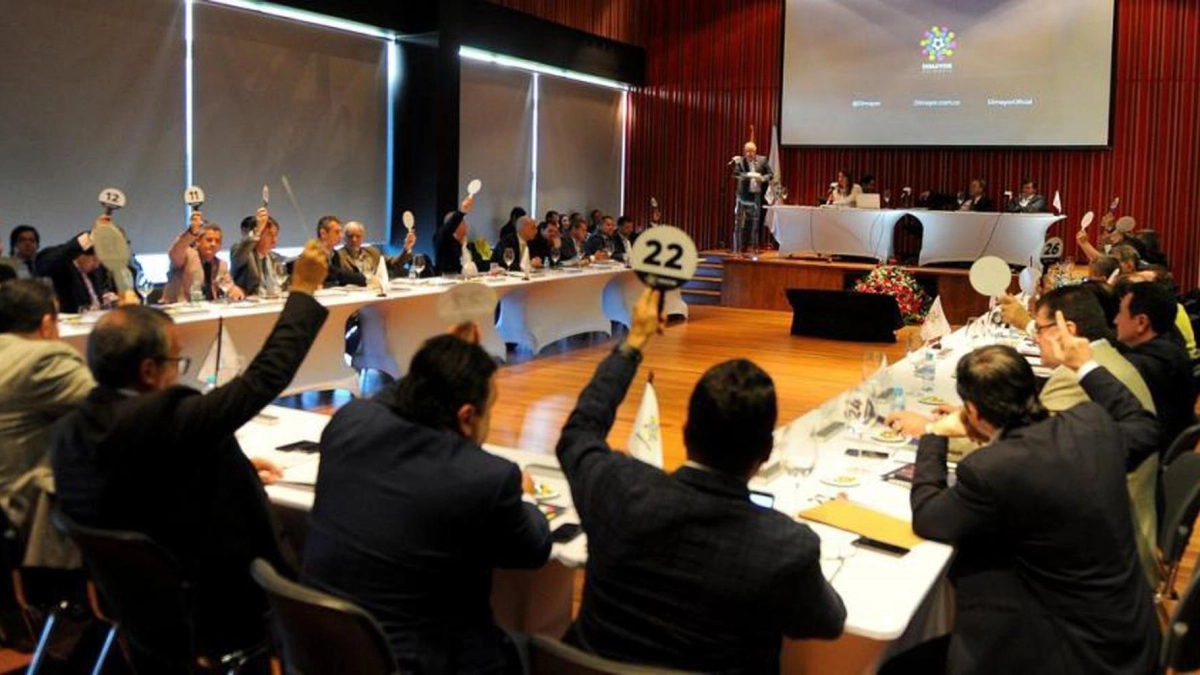
The landscape of the Fútbol Profesional Colombiano (FPC) is undergoing a tectonic shift. In an unprecedented move, eight of the most storied and commercially significant clubs in the country—Millonarios, Santa Fe, América de Cali, Deportivo Cali, Junior, Atlético Nacional, Independiente Medellín, and Once Caldas—have officially declared that they will not authorize the use of their intangible assets and image rights for the next cycle of television broadcasting contracts.
This decision, announced this Wednesday, is not merely a dispute over fees; it is a fundamental challenge to the status quo of the División Mayor del Fútbol Colombiano (Dimayor). The alliance of these eight historical giants is demanding a radical overhaul of the current revenue distribution model, arguing that the existing egalitarian structure stifles growth, limits competitiveness, and prevents the Colombian league from reaching its full potential in the global sports market.
The Core Conflict: Why the "Big Eight" Are Taking a Stand
The crux of the tension lies in the expiration of the current television contract between Dimayor and Win Sports, slated for December 31, 2026. As the league prepares to open bidding for the next cycle, the eight clubs have drawn a line in the sand.
For years, the FPC has operated under a model where television revenues are distributed almost equally among all member clubs. While this model was designed to foster a spirit of solidarity and parity, the eight major clubs argue that it ignores the economic reality of the industry. They contend that their fanbases, television ratings, historical weight, and contribution to the brand value of the league are significantly higher than those of smaller, less-established clubs, yet this is not reflected in their financial returns.

The Arguments for Reform:
- Market Value Recognition: The clubs argue that their brand power is the primary driver of viewership. They believe that a significant portion of the revenue should be tied to performance, audience metrics, and brand equity.
- Competitiveness in the Continent: Compared to leagues in Brazil, Argentina, or Mexico—where revenue sharing often includes incentives for performance and fan reach—the Colombian model is viewed as outdated and restrictive.
- Financial Sustainability: The clubs claim that the current system discourages investment in infrastructure, academy development, and high-level talent, as the "cushion" of equal distribution removes the incentive for clubs to grow their individual brand presence.
Chronology of the Dispute
The announcement of the blockade did not happen in a vacuum. It is the culmination of months of behind-the-scenes friction.
- Early 2026: Informal discussions began between several club presidents regarding the upcoming expiration of the television contract. The "Big Eight" began to coalesce around the idea that a new contract could not be signed under the old terms.
- May 2026: Several technical committees were formed within the Dimayor to discuss the future of broadcasting rights. However, the eight clubs reported that their proposals for a tiered or performance-based distribution model were met with resistance from smaller clubs, leading to a deadlock.
- July 22, 2026: The official public statement was released. The group made it clear that they would not sign off on the usage of their image rights—effectively preventing a new tender from being completed without their participation.
- Immediate Aftermath: The news sent shockwaves through the Colombian sports media. While the clubs clarified that they would not stop the current tournament, the threat to the future of the league’s television income is now the most critical issue facing the federation.
Supporting Data and Economic Context
To understand the gravity of this situation, one must look at the financial reliance of Colombian clubs on television rights. For most teams in the Primera A, television income represents a substantial percentage of their total annual budget.
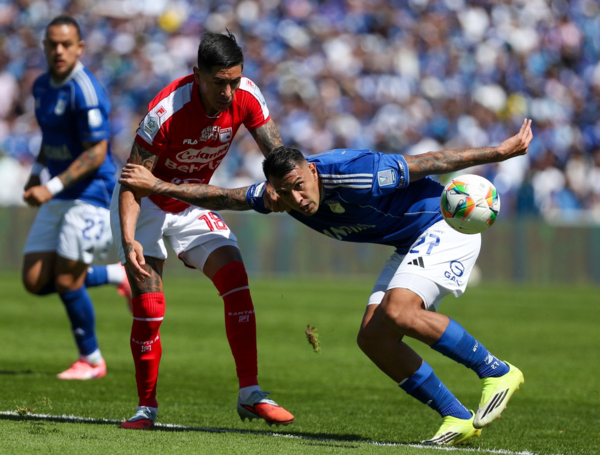
According to industry analysts, the current contract has been the "lifeblood" of the league. However, the eight clubs argue that the current model creates a "tragedy of the commons." By distributing resources equally, the league fails to reward those who invest in growing the total size of the pie. If a club invests millions in marketing and high-quality scouting to draw more viewers, they receive the same "TV cut" as a team that does not.
The "Big Eight" represent:

- Fanbase Dominance: A vast majority of the national TV ratings and stadium attendance figures.
- Commercial Potential: The highest concentration of sponsors and merchandising revenue.
- Historical Legacy: The vast majority of league titles, which, in turn, drive the historical narratives that make the FPC an attractive product for broadcasters.
Official Responses and Internal Dynamics
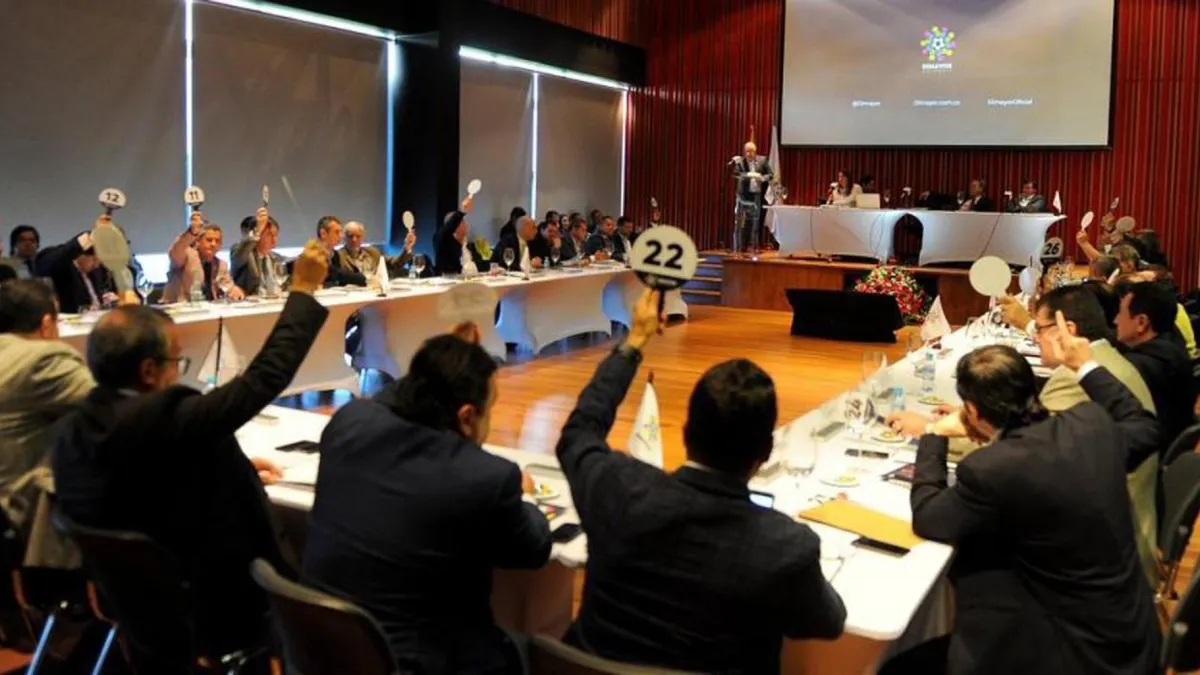
The response from the Dimayor administration has been one of cautious diplomacy. The entity, which serves as the governing body for the professional league, is now under immense pressure to act as a mediator.
The Position of the "Big Eight":
In their joint statement, the clubs emphasized that their goal is not to destroy the league but to evolve it. "Our intention has been to build, in conjunction with all clubs, a model that gathers different visions and responds to the needs of Colombian football," the document stated. They have expressed a clear willingness to continue participating in the league and honoring current obligations, provided that a "technical, transparent, and participatory" dialogue is opened to reform the financial distribution structure.
The Stance of Smaller Clubs:
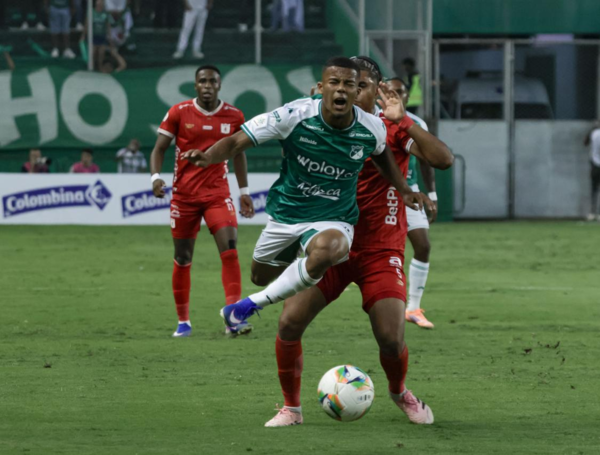
While the smaller clubs have yet to issue a unified counter-statement, industry insiders suggest that they view the move as a threat to their survival. For smaller clubs, the current distribution model is essential to compete on an equal footing. Any move toward a performance-based or brand-value-based model could widen the financial gap, potentially creating a "two-tier" league where smaller clubs struggle to stay afloat.
Strategic Implications: What Comes Next?
The implications of this standoff are profound and multifaceted.
1. The Legal Battle for Image Rights
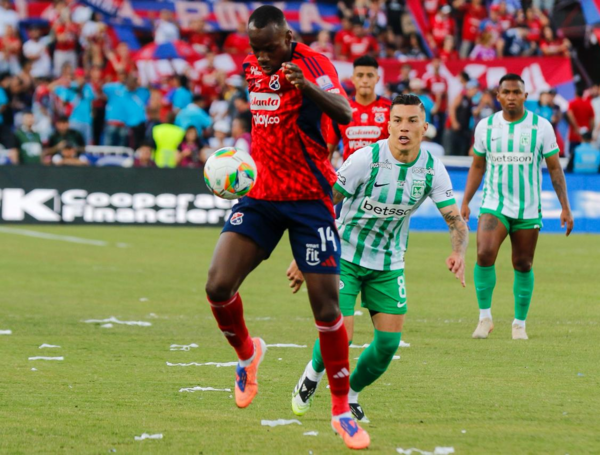
The core of the dispute is the legal ownership of "image rights." The eight clubs are asserting that their brand identity is their private property. If they withdraw this from the "pool" that the Dimayor manages, the league cannot legally sell a complete package of the tournament. This puts the Dimayor in a position where they either must reform the revenue model or face the reality that the league cannot be sold as a complete, coherent product.
2. The Future of the Broadcasting Tender
The tender for the 2027–2030 cycle is now effectively frozen. Any prospective bidder, whether it be a legacy network like Win Sports or a new entrant (such as an international streaming giant), will be hesitant to sign a deal without the participation of the eight biggest clubs. This provides the "Big Eight" with significant leverage.
3. A Potential Restructuring of the Dimayor
This crisis may force a long-overdue conversation about the governance of the Dimayor. If the eight largest clubs feel that the current voting or decision-making processes do not adequately reflect their economic contribution, they may push for a more sophisticated corporate governance structure, perhaps one that differentiates between "Founding/Major" clubs and smaller members, similar to structures seen in European leagues like the Premier League or La Liga.
Conclusion: The Path Forward
The standoff between the eight historical clubs and the rest of the league is a symptom of the professionalization of football. As the industry becomes more data-driven and commercially sophisticated, the old models of "solidarity at all costs" are being challenged by the realities of modern sports economics.

While the "Big Eight" have promised that the current tournament will continue uninterrupted, the clock is ticking. With the end-of-year deadline for the television contract looming, the stakeholders of Colombian football have only a few months to bridge a divide that has existed for years. Whether this results in a fairer, more competitive, and more sustainable league or a fractured, chaotic era remains to be seen. One thing is certain: the era of "business as usual" for the Fútbol Profesional Colombiano has officially come to an end.