Introduction: The Imperative of Territorial Order
In an era defined by rapid urbanization, climate volatility, and the increasing pressure on natural ecosystems, the concept of "territorial planning" has transitioned from a bureaucratic requirement to an existential necessity. The Corporación Autónoma Regional (CAR) jurisdiction—a vital ecological and economic hub—finds itself at a critical juncture. As population centers expand and agricultural demands intensify, the challenge lies in balancing progress with the fundamental protection of our natural heritage.
The recent forum, “Dialogues for Responsible and Sustainable Ordering,” convened a diverse assembly of experts, government officials, and stakeholders to dissect the complex tapestry of rural and regional planning. This article explores the multifaceted strategies required to harmonize human development with environmental integrity, offering a comprehensive look at the tools, policies, and systemic shifts necessary to secure a sustainable future.
Main Facts: The Core Objectives of the CAR Forum
The central premise of the forum is that land management is the cornerstone of sustainable development. Without a rigorous, science-based approach to how we occupy space, economic growth risks cannibalizing the very resources that sustain it.
Key Pillars of the Discussion:
- Rural Ordering as a Development Catalyst: The forum highlighted that rural areas are not merely agricultural zones but complex socio-ecological systems. Proper planning must account for soil health, water basin protection, and the socio-economic rights of rural communities.
- Resource Preservation vs. Expansion: A primary tension exists between infrastructure expansion and the conservation of biodiversity corridors. The consensus among participants was that "growth" must be redefined to include natural capital.
- Governance and Jurisdictional Synergy: The CAR jurisdiction covers diverse municipalities, each with unique needs. The forum emphasized the need for a unified regulatory framework that allows for local autonomy while adhering to regional environmental standards.
Chronology: A Roadmap to Sustainable Planning
To understand the urgency of these dialogues, it is essential to view the evolution of territorial planning within the Colombian context over the last decade.
- 2015–2018: The Recognition Phase. Increased scientific data began to correlate poor land-use planning with the severity of floods and droughts within the CAR region.
- 2019–2021: The Policy Pivot. Regulatory frameworks began to incorporate climate change adaptation strategies, moving away from static land-use maps toward dynamic, data-driven modeling.
- 2022–2024: Implementation Hurdles. While national mandates for sustainable development were established, local municipalities struggled with the technical and financial capacity to implement them.
- July 2026 (The Current Forum): A pivot point focused on "Responsible and Sustainable Ordering." This marks the transition from conceptual planning to actionable, technology-backed enforcement and collaborative management.
Supporting Data: Why Order Matters
The necessity for this forum is supported by stark empirical evidence. According to environmental assessments within the CAR jurisdiction:
- Soil Degradation: Approximately 35% of land in the jurisdiction is currently classified as being under "medium to high" risk of degradation due to improper agricultural practices and urban encroachment.
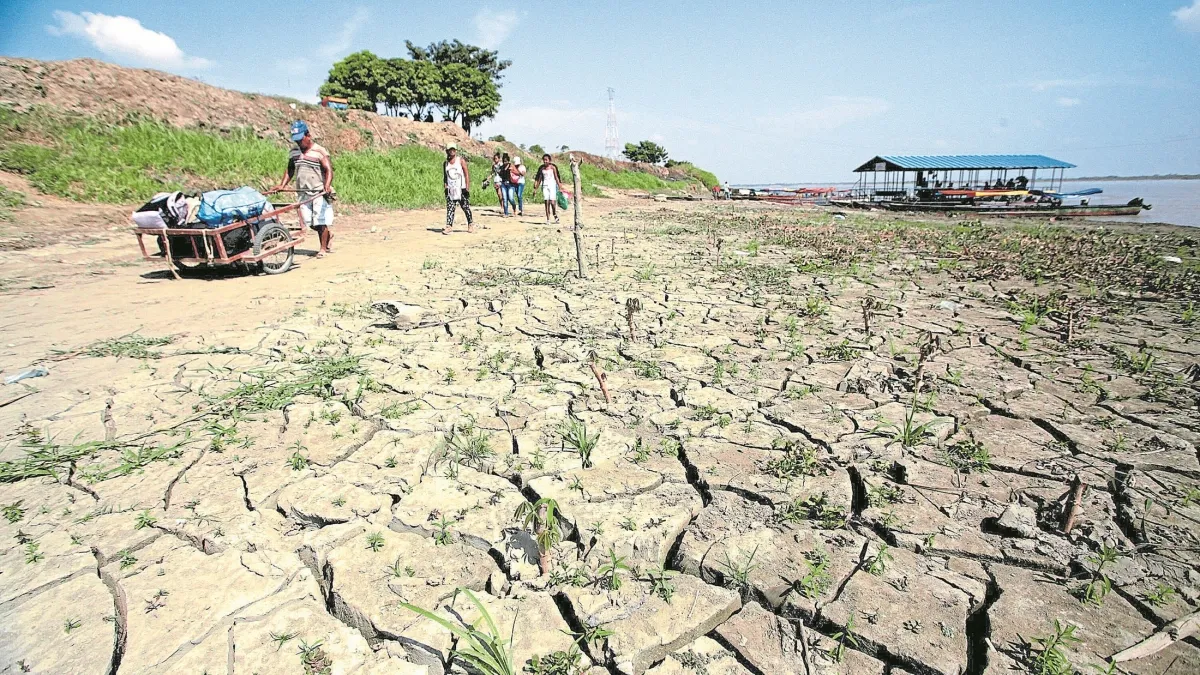
- Water Security: Data indicates that over-extraction of groundwater and the deforestation of mountain headwaters have reduced base-flow in key watersheds by 12% over the last fifteen years.
- Urban Sprawl: The conversion of rural land for residential development in the outskirts of major metropolitan areas has increased by 22% since 2020, often occurring without adequate waste management or environmental mitigation infrastructure.
These figures underscore the urgency. The forum presented these metrics not as indicators of failure, but as the baseline for a new, more rigorous era of land-use enforcement.
Official Responses and Expert Insights
The dialogue was characterized by a collaborative spirit, bridging the gap between state-level authorities and private sector actors.
The Authority Perspective
Representatives from the CAR emphasized that "sustainability is not a restriction on development, but a prerequisite for it." They argued that the new ordinances being discussed are designed to provide legal certainty to investors while protecting critical ecosystems. By streamlining the permitting process for sustainable projects, the authorities hope to incentivize responsible land use.

The Academic and Scientific Viewpoint
Experts in geography and ecology stressed that planning must be "trans-boundary." Water doesn’t stop at municipal lines, nor does biodiversity. Therefore, planning must be integrated across the entire jurisdiction. The use of Geographic Information Systems (GIS) and real-time satellite monitoring was identified as a critical tool that must be accessible to every municipality, not just the capital.
The Private Sector and Civil Society
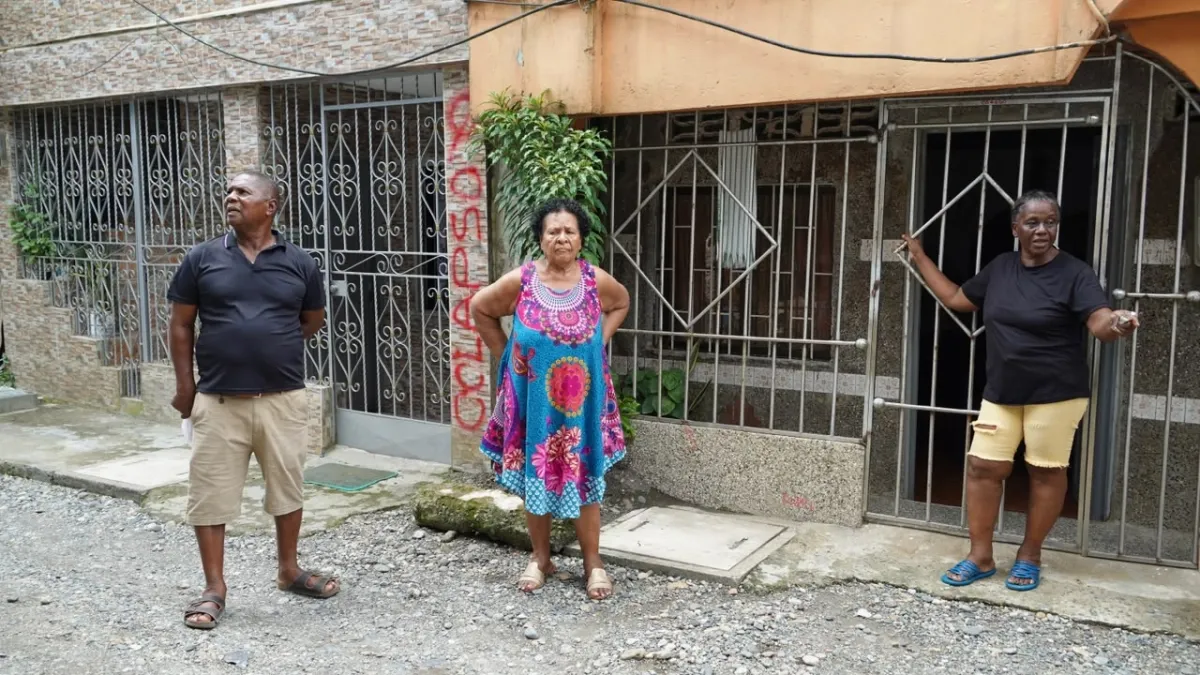
Representatives from the agricultural sector noted that small-scale farmers are often the most affected by rigid, "top-down" regulations. The consensus reached was that future policies must include a "participatory planning" component, ensuring that those who live on the land are active agents in its conservation.
Implications: The Road Ahead
The implications of the Dialogues for Responsible and Sustainable Ordering are profound. If the strategies discussed are successfully implemented, the region could see several long-term benefits:
- Climate Resilience: Properly ordered territories are better able to absorb the shocks of climate change, reducing the risk of natural disasters and protecting the economic stability of the region.
- Economic Diversification: By protecting the natural beauty and biodiversity of the area, the jurisdiction can pivot toward ecotourism and sustainable agriculture, industries that offer long-term growth potential compared to extractive or high-impact practices.
- Social Equity: A well-planned territory ensures that resources—such as water and clean air—are distributed equitably, reducing the socio-economic disparities between urban centers and rural peripheries.
Challenges to Implementation
Despite the optimism, the path forward is not without obstacles. Political turnover at the municipal level often disrupts long-term planning projects. Additionally, there is a significant need for capacity building; local officials require better training in environmental law and spatial planning tools.
Furthermore, the tension between short-term economic growth and long-term environmental protection remains a formidable hurdle. To overcome this, the forum suggested the creation of a regional oversight committee—a non-partisan body tasked with ensuring that territorial plans are respected, regardless of electoral cycles.
Conclusion: A Call to Action
The recent forum has laid the groundwork for a transformative approach to regional development. It has moved the conversation from a debate over "environment versus economy" to a realization that the two are inextricably linked.
As we look toward the remainder of the decade, the CAR jurisdiction serves as a laboratory for the rest of the nation. If it can successfully integrate data-driven planning, community participation, and firm environmental enforcement, it will set a gold standard for sustainable growth. The tools are available, the data is clear, and the urgency is undeniable. The success of this endeavor now rests on the political will to follow through on these dialogues, turning words into a tangible, resilient, and flourishing territory.
For more information on the outcomes of this forum and future sessions, citizens are encouraged to follow the official channels of the CAR and engage with their local territorial planning offices.
Key Takeaways for Stakeholders
- Transparency: All future zoning decisions must be public and supported by environmental impact studies.
- Technology: Investment in regional monitoring systems is non-negotiable.
- Integration: Municipal plans must align with regional environmental goals to prevent fragmented, inefficient development.
- Engagement: Continued, inclusive dialogue between stakeholders is the only way to ensure lasting policy compliance.