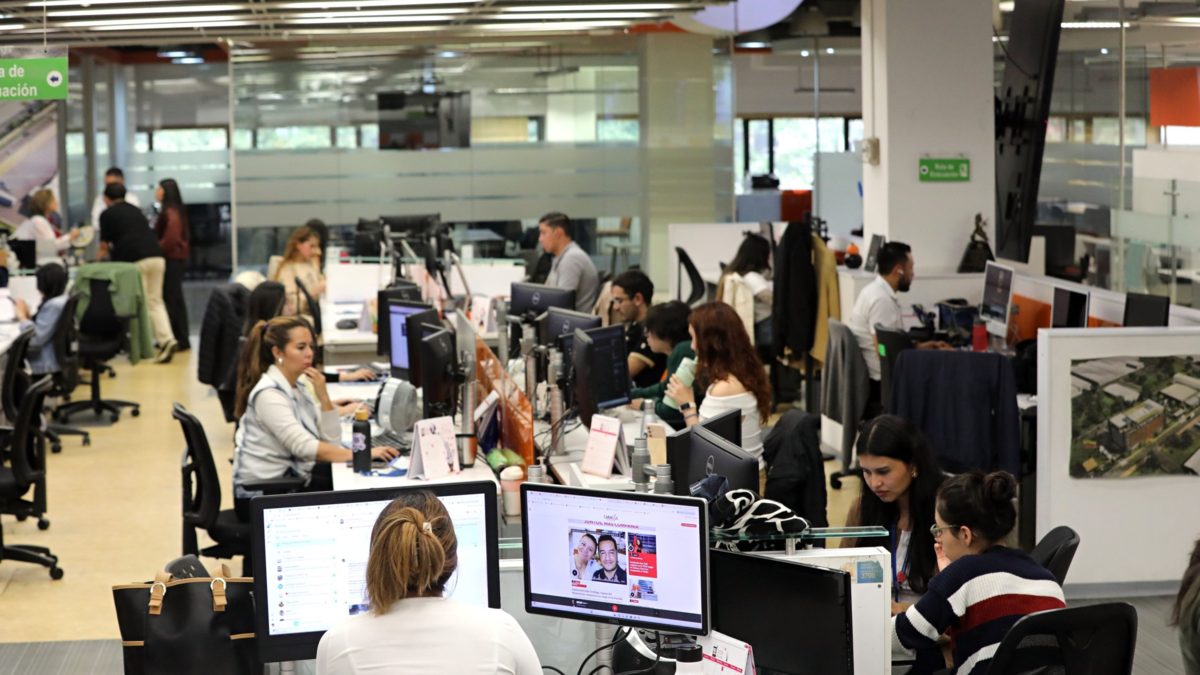
In an era defined by the rapid proliferation of digital information and the persistent challenge of navigating an ecosystem saturated with misinformation, the consumption habits of the Colombian public have become a focal point for media analysts worldwide. The 2026 Digital News Report, published by the Reuters Institute for the Study of Journalism at the University of Oxford, has unveiled a definitive portrait of how Colombians engage with news media, highlighting a shifting landscape where digital platforms reign supreme.
The study, which serves as a benchmark for the global media industry, provides a comprehensive analysis of audience reach, platform preferences, and, crucially, the levels of public trust in news institutions. For the Colombian media sector, the 2026 findings are both a validation of established institutional efforts and a reflection of a growing audience demand for high-quality, multimedia-driven journalism.
The Vanguard of Digital Consumption: Reach and Growth
The most striking takeaway from the 2026 report is the consolidation of EL TIEMPO as the dominant force in the Colombian digital news landscape. According to the data, the publication achieved a weekly online reach of 30 percent, marking a significant upward trajectory compared to the 26 percent recorded in the 2025 assessment. This steady growth underscores the efficacy of the outlet’s digital-first strategy, which focuses on constant updates, multi-platform engagement, and a robust multimedia approach.
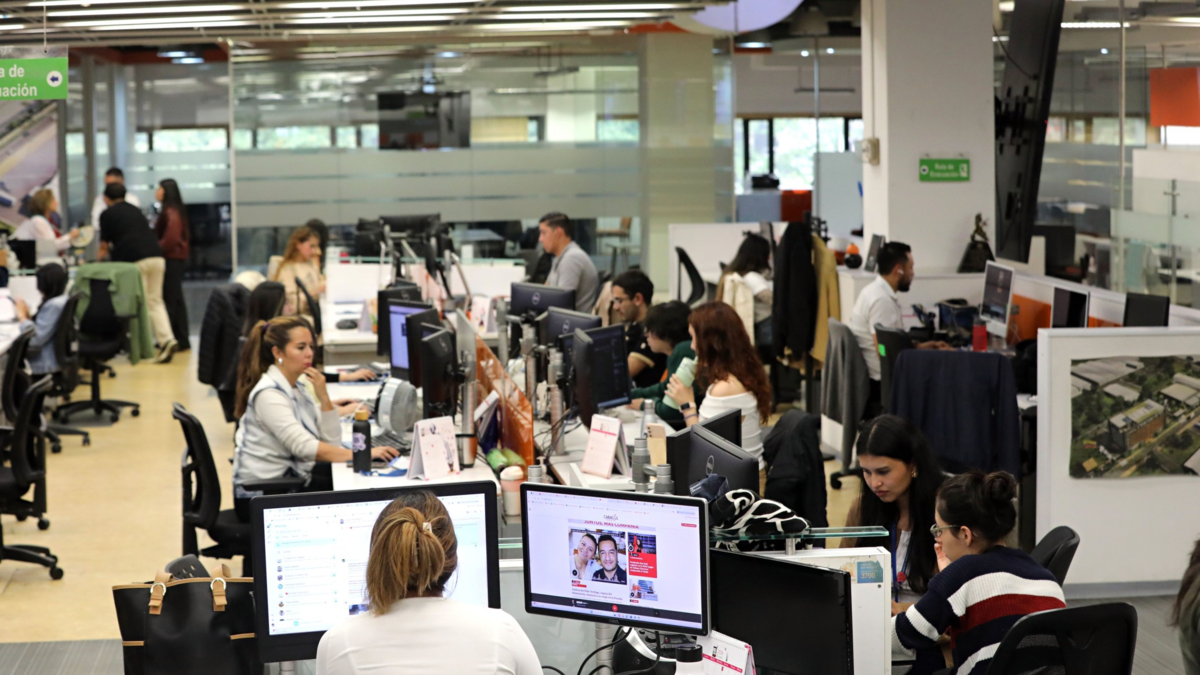
Following EL TIEMPO in the rankings of online weekly reach are Noticias Caracol (22%), Semana (20%), Pulzo (19%), El Espectador (16%), Caracol Radio (16%), and Blu Radio (15%). Notably, Citytv, the broadcast arm associated with EL TIEMPO, also secured a position within the top ten, reinforcing the group’s influence across different media formats.
The success of these outlets reflects a broader trend: Colombian audiences are increasingly moving away from passive consumption, favoring instead real-time updates and interactive content. As the Reuters Institute report suggests, the media organizations that have successfully integrated video, social media storytelling, and rapid, fact-checked reporting are the ones currently reaping the rewards of audience loyalty.
Chronology of Institutional Evolution
To understand the current standing of EL TIEMPO, one must look at the systematic evolution of its editorial and technological operations. The journey to the top of the 2026 rankings was not an overnight success but the result of a multi-year strategy.

- 2024 (The Foundation): The organization began a massive restructuring of its digital newsroom, emphasizing cross-departmental collaboration between traditional investigative journalists and digital native producers. This phase focused on improving mobile experience and the loading speed of their digital platforms.
- 2025 (The Pivot): With a recorded reach of 26 percent, the institution solidified its commitment to multimedia. The introduction of advanced data analytics allowed the newsroom to tailor content to user behavior without compromising journalistic integrity, a move that set the stage for the following year’s gains.
- 2026 (The Consolidation): The current year has been defined by the maturation of the digital strategy. By focusing on "balanced reporting"—a term frequently highlighted by leadership—the organization successfully navigated a politically charged climate, attracting a wider demographic of readers who seek stability and objective verification.
Supporting Data: Understanding the Landscape
The Reuters Institute report relies on rigorous survey methodology, canvassing thousands of users across Colombia regarding their weekly media consumption habits. The data serves as a barometer for the health of the "fourth estate" in the country.
Digital Reach Breakdown (Weekly)
- EL TIEMPO: 30%
- Noticias Caracol: 22%
- Semana: 20%
- Pulzo: 19%
- El Espectador: 16%
- Caracol Radio: 16%
- Blu Radio: 15%
This data highlights that while digital penetration is high, the "Big Three" in the digital space are significantly outperforming the rest of the market, creating a competitive environment where only those who innovate can maintain their position.
The Crisis of Credibility and the Fight Against Misinformation
Perhaps more vital than reach is the section of the study dedicated to "Trust and Credibility." In a digital age where algorithmic feeds often prioritize engagement over accuracy, the public’s ability to distinguish between credible journalism and misinformation is increasingly challenged.

The 2026 report indicates that the Colombian public is highly discerning. When asked which sources they find most trustworthy, respondents gravitated toward brands with long-standing institutional reputations. In this critical ranking, Noticias Uno leads the pack with a 58 percent trust rating. EL TIEMPO follows closely at 56 percent, with El Espectador (53%), Blu Radio (52%), and Noticias RCN (51%) rounding out the top tier. Other major outlets like Caracol Radio and La FM maintain a solid 50 percent trust rating.
This index of confidence serves as a defensive shield for journalism. It highlights that in a market flooded with social media noise, the "brand" of a legacy institution—built on decades of verification, editorial oversight, and ethical guidelines—remains the most valuable asset in the industry.
Official Responses from Leadership
The figures released by the University of Oxford and the Reuters Institute have been met with reflections from those at the helm of the leading institutions.
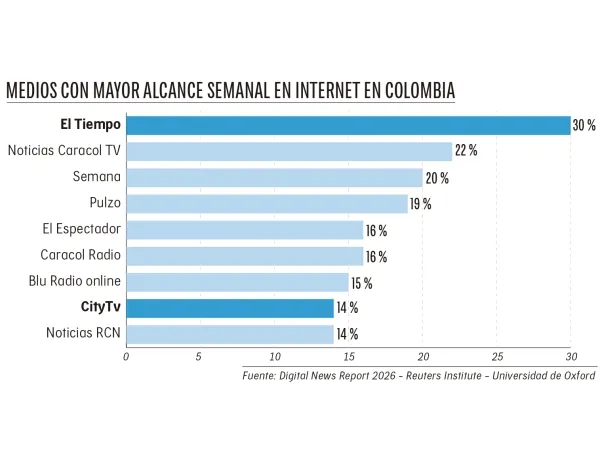
Andrés Mompotes, Director General of EL TIEMPO, attributed the institution’s growth to a persistent dedication to equilibrium. "These results for 2026, reflecting significant growth in our audience reach, are the product of a constant effort toward informational balance," Mompotes stated. "It is a value proposition centered on multimedia content delivered with the highest rigor and journalistic quality."
Echoing this sentiment, José Carlos García, Editor of Multimedia at EL TIEMPO, emphasized the human element behind the data. "It is a true source of pride to see how the work of our multimedia newsroom, which successfully combines experience with youthful energy, is reaping these relevant recognitions. It is a testament to the value of responsible journalism that serves both democracy and the citizenry," García added.
Implications for the Future of Colombian Journalism
The implications of the 2026 Reuters Institute report are profound for both media owners and policymakers.

1. The Death of the "Print-Only" Mentality
The data confirms that the transition to digital is no longer an optional path but an existential necessity. Outlets that fail to adapt their distribution to mobile-first, social-native, and video-heavy formats are losing market share at an accelerating rate.
2. Trust as a Business Model
The fact that trust levels remain relatively high (with the top outlets polling at 50% or above) suggests that the Colombian public is actively seeking refuge from the "post-truth" era. Journalism that invests in fact-checking, investigative depth, and transparent editorial processes is not just fulfilling a social duty—it is building a sustainable business model that users are willing to support.
3. The Multimedia Imperative
The success of EL TIEMPO and other leaders shows that the "text" is no longer enough. The integration of podcasts, vertical video, and interactive data visualization is essential for capturing the attention of the younger generation of digital users.

4. Democratic Resilience
Journalism remains the primary bulwark against the spread of disinformation. By tracking trust, the Reuters Institute report essentially tracks the health of Colombian democracy. As long as citizens can identify and rely on trustworthy, verified sources, the public discourse remains grounded in reality, even in the face of political polarization.
Conclusion
The 2026 study by the Reuters Institute and the University of Oxford serves as a wake-up call for the media sector in Colombia. While digital reach is expanding, the quality and credibility of the content remain the ultimate deciders of success. EL TIEMPO’s climb to 30 percent reach and its high trust rankings demonstrate that audiences are rewarding those who bridge the gap between traditional journalistic ethics and modern technological innovation.
As the industry looks toward the remainder of 2026 and beyond, the focus will undoubtedly shift toward even greater technological integration, with artificial intelligence, personalized newsletters, and deeper audience engagement strategies likely to dominate the conversation. For now, however, the report stands as a clear confirmation: in the digital chaos of the 21st century, the most trusted voices are those that have earned their audience one story, one video, and one fact-check at a time.