By International Desk
July 19, 2026
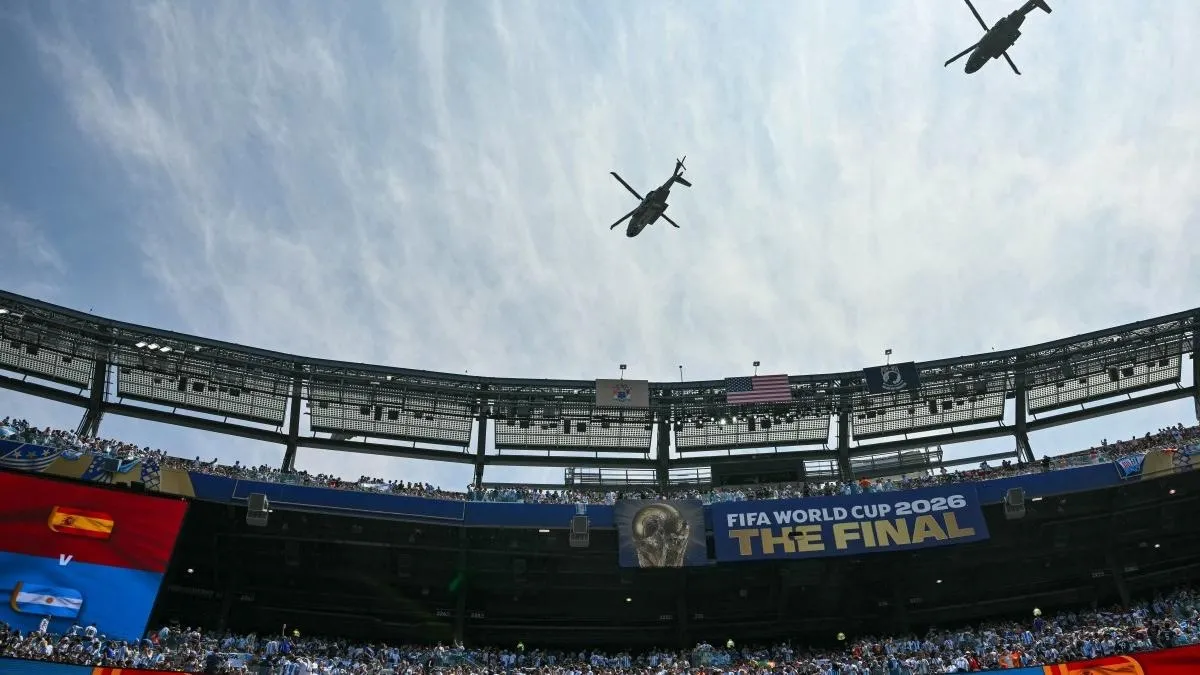
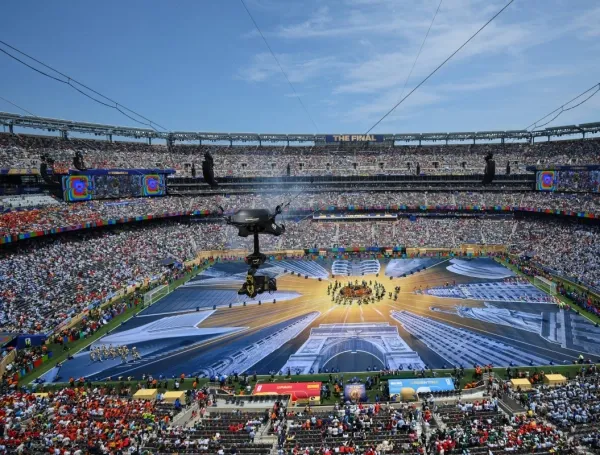
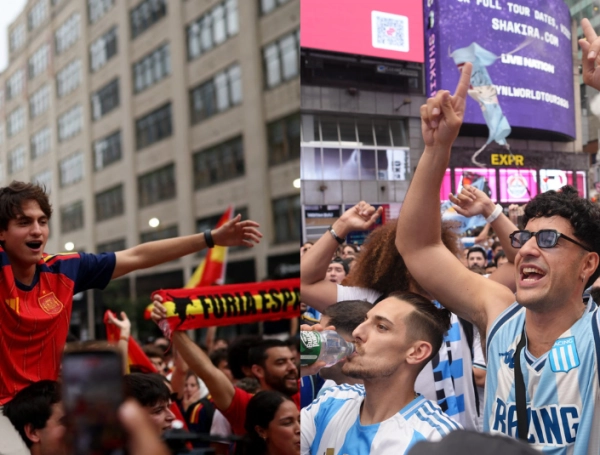
The eyes of the world are fixed firmly on the New York/New Jersey stadium this weekend as the 2026 FIFA World Cup reaches its dramatic conclusion. In a final that pits the tactical precision of Spain against the enduring brilliance of Lionel Messi’s Argentina, the sport itself risks being overshadowed by the heavy presence of global power brokers. President Donald Trump, leading a high-profile delegation, is set to preside over the closing ceremonies, turning the pitch into a theater of both athletic excellence and volatile international diplomacy.
The Main Event: A Diplomatic Collision Course
President Donald Trump arrived at the stadium shortly after noon, flanked by a massive security detail. Before the match, the President spoke briefly with Fox Sports, dismissing the possibility of choosing a favorite despite his cordial relationship with the Argentine leadership.
"The President of Argentina is a good friend of mine; he has done a great job," Trump remarked. "But as for the game, I’ll tell you this: it is very difficult to bet against Lionel Messi. He is truly great. I’m not picking sides, but I know better than to count him out."
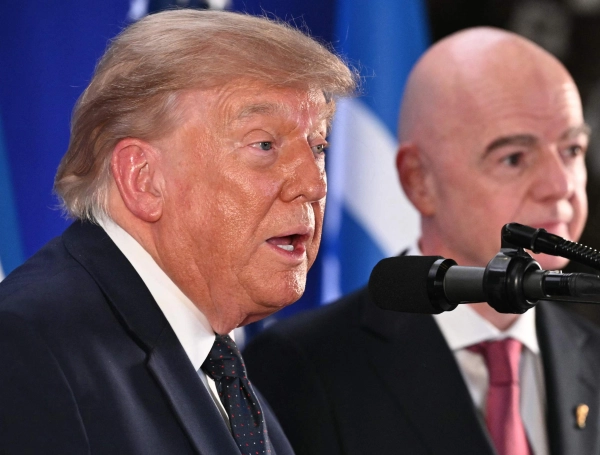
Trump is scheduled to occupy the center seat in the VIP authority box, a position of prominence that mirrors his desire to remain at the heart of the world’s most-watched sporting events. Joining him will be FIFA President Gianni Infantino, King Felipe VI of Spain, Mexican President Claudia Sheinbaum, and Canadian Prime Minister Mark Carney. While the setting is designed for celebration, the proximity of these leaders is fraught with underlying geopolitical friction.
Chronology of a Controversial Tournament
The 2026 World Cup has been anything but a standard sporting event. From its inception, the tournament has been marked by administrative interference and unprecedented levels of political theater.
- December 2025: The tournament draw in Washington D.C. served as the last harmonious meeting point for the North American leaders before relations began to sour over trade and immigration disputes.
- June 2026: Controversy erupted early when President Trump openly admitted to intervening with FIFA President Gianni Infantino regarding the disciplinary status of U.S. national team player Folarin Balogun. Trump reportedly demanded the annulment of a red card, a move that allowed Balogun to play in the Round of 16 against Belgium.
- July 2026: Despite the ensuing outcry from international football governing bodies and global pundits regarding the integrity of the competition, the White House maintained that the intervention was a matter of "national pride." Belgium ultimately defeated the U.S. 4-1, effectively silencing the immediate backlash but leaving a permanent stain on the tournament’s reputation for neutrality.
- July 17, 2026: President Trump held a gala at the Trump Tower in New York, where he declared the 2026 World Cup to be "the most successful sporting event in human history," disregarding the logistical and political complaints lodged by the co-hosting nations.
Supporting Data: Soccer’s Growing Footprint in the U.S.
Despite the controversies, the tournament has undeniably achieved its primary goal: the elevation of "soccer" in the American consciousness. Traditionally dominated by the "big three"—baseball, basketball, and American football—the U.S. market has shown record-breaking engagement figures throughout the month.
According to FIFA internal analytics released this week, television viewership in the United States reached an all-time high for a non-American team match, with over 110 million domestic viewers tuning in for the semi-final stages. Trump, echoing this sentiment, noted that the country has proven itself to be a "football nation." Whether this shift in popularity will outlast the residency of the tournament in American stadiums remains to be seen, but the economic impact of the event has already surpassed original projections by over $4 billion.
Official Responses and Strained Alliances
The presence of international leaders in the VIP box is an exercise in forced diplomacy. The tensions are palpable, and in many cases, public.
The Spanish Friction
King Felipe VI’s attendance comes amidst a deepening chill between Madrid and Washington. President Trump has been openly critical of the Spanish government’s perceived lack of support in the ongoing conflict with Iran. Diplomatic sources suggest that the King’s presence is a strategic effort to maintain a dialogue, even as Washington continues to exert pressure on its European allies regarding military burden-sharing.
The North American Divide
The co-hosts, Mexico and Canada, are currently navigating a strained relationship with the U.S. administration. President Claudia Sheinbaum has faced mounting pressure from Washington over immigration enforcement, with the U.S. threatening potential military intervention against cartels operating on Mexican soil.
Meanwhile, Prime Minister Mark Carney is dealing with a bellicose White House that has threatened new tariffs against Canada. The justification provided by the Trump administration—"deliberate negligence" regarding forest management that led to smoke and ash blanketing U.S. cities—has been dismissed by Ottawa as a pretext for economic protectionism. The air quality at the open-air stadium remains a point of concern, not just for the players, but as a symbolic manifestation of the environmental and political friction between the two neighbors.
Implications for Future Governance
The 2026 World Cup will be remembered as the moment when the "neutrality" of international sport was officially dismantled. President Trump’s active role—from influencing referee decisions to utilizing the tournament as a platform for economic threats—sets a precedent that will likely redefine how FIFA handles high-profile political figures.
Trump’s recent, half-joking comment about hosting a future World Cup with China, while pointedly excluding Mexico and Canada, illustrates the transactional nature of his approach to international cooperation. For FIFA, the challenge is clear: how to maintain the global appeal of the sport while preventing the institution from becoming a subsidiary of national political agendas.

As the final whistle approaches, the world watches not just for the crowning of a new champion, but to see if the fragile peace in the VIP box can hold until the trophy is lifted. The image of the President of the United States handing the cup to the winner will be the defining photograph of the year, symbolizing a new era where the pitch is merely one more venue for the exercise of raw, unvarnished power.
With the tournament now concluding, the legacy of the 2026 event will be debated for decades. Was it a triumph of American organization and influence, or the beginning of the end for the autonomy of global sports? As the players prepare to take the field, the silence of the stadium before the kickoff is perhaps the only moment of genuine neutrality left in what has been an exceptionally turbulent month for the world of football.