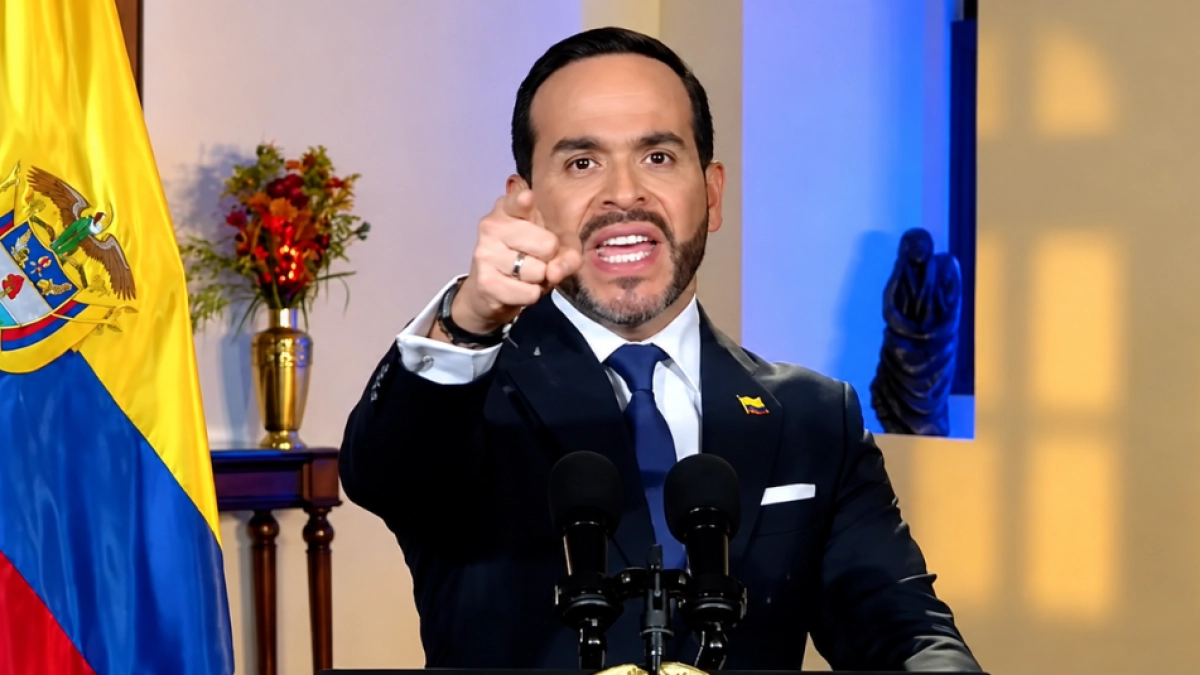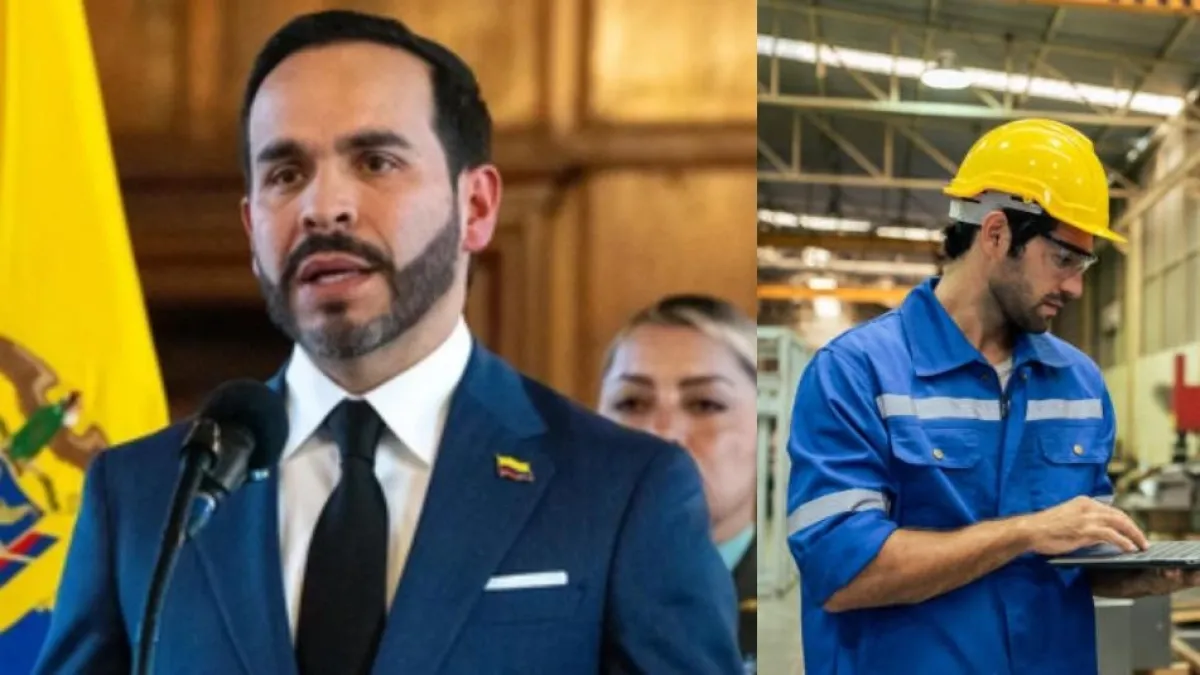
BOGOTA, July 19, 2026 – As Colombia stands on the cusp of a new legislative session, the traditional, often subdued, process of electing the Congress president has ignited an unexpected and intense political firestorm. This isn’t merely a procedural squabble; it’s a profound, early test for President-elect Abelardo De La Espriella’s nascent administration and a stark re-calibration of power dynamics within the Colombian right. The epic showdown, pitting De La Espriella’s preferred candidate against the formidable influence of former President Álvaro Uribe Vélez, is set to culminate tomorrow, July 20th, in a rare and potentially destabilizing "clean vote" on the Senate floor.
The stakes could not be higher. De La Espriella, who campaigned on a promise of a "Patria Milagro" (Miracle Homeland) and a "new right," faces the immediate challenge of securing governability in a Congress where his own party lacks a strong majority. His vision for the nation, including a critical National Development Plan and a necessary tax reform to address a looming fiscal crisis, hinges on the ability to forge stable alliances. Yet, even before taking office on August 7th, his coalition is being tested by the very forces many expected to be his staunchest allies: the Uribismo movement, led by the perennially influential Álvaro Uribe.
The Unforeseen Rift: A Battle for the Soul of the Right
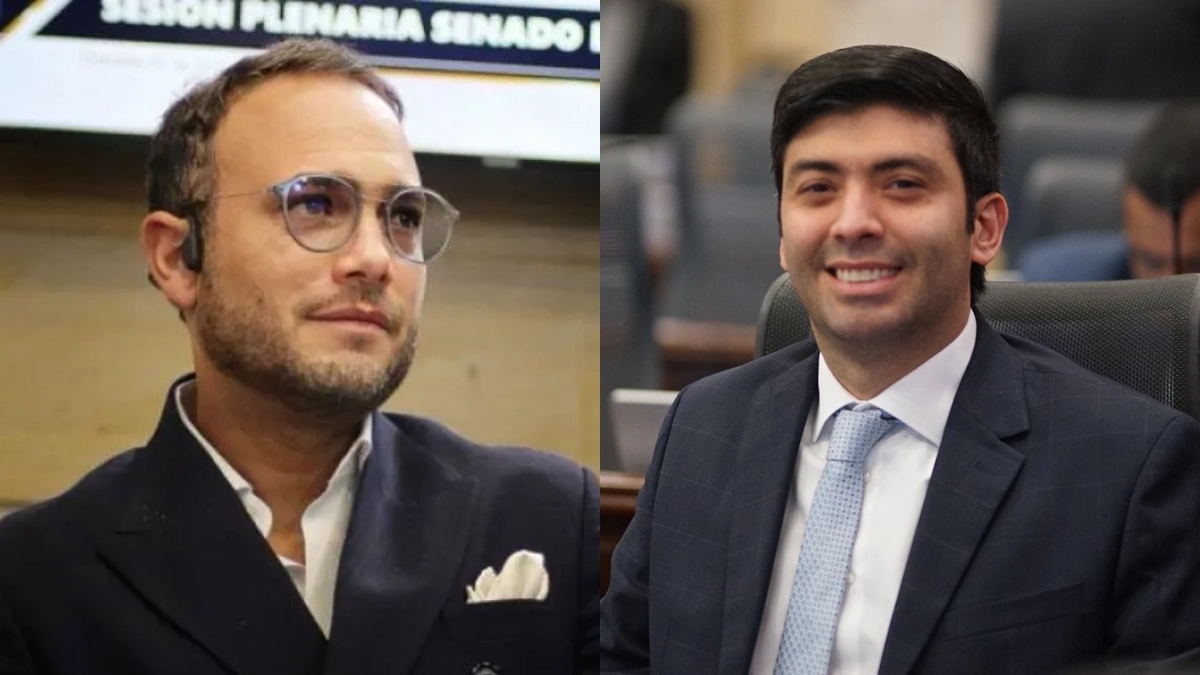
The election of the Senate president, a position crucial for guiding the legislative agenda, has historically been a matter of internal coalition agreements, largely devoid of public drama. However, the 2026 iteration has shattered this norm, exposing deep fissures within the right-wing political spectrum. At the heart of the conflict is the candidacy of Senator Alfredo Deluque of the ‘Partido de la U’ (Party of the U), who has the explicit backing of President-elect De La Espriella. Opposing him is Senator Honorio Henríquez, championed by Uribe’s Centro Democrático party.
This confrontation is more than a clash of personalities; it represents a struggle for ideological leadership and political capital. For decades, Álvaro Uribe has been the undisputed patriarch of the Colombian right, shaping its discourse and electoral fortunes throughout the 21st century. His Centro Democrático, even in opposition, has remained a formidable force. De La Espriella, a charismatic figure who captured the presidency without the backing of a traditional party structure, now seeks to carve out his own political identity, one that analysts suggest leans towards a "new right" less beholden to Uribe’s direct command.
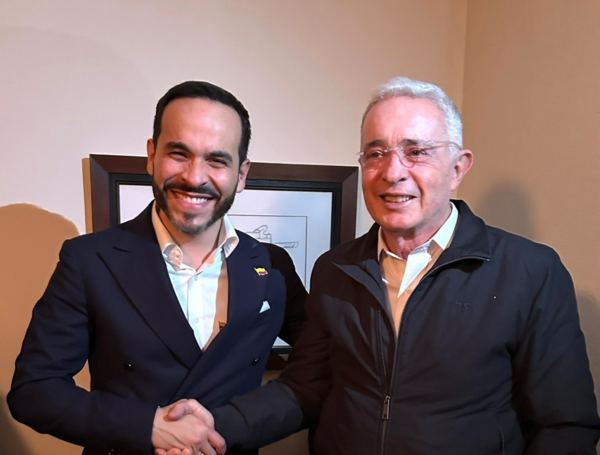
Publicly, both leaders deny any fundamental estrangement. Uribe has repeatedly affirmed his commitment to supporting De La Espriella "in everything that favors the nation," acknowledging a close relationship with the De La Espriella family spanning over two decades. Yet, his actions and words betray a fierce determination to defend his party’s political space. "If the Tiger is going to roar against us, we must act like bees," Uribe famously stated in an interview with Caracol Radio, a cryptic but powerful metaphor for defending his party’s interests against perceived threats. The "Tiger," many interpret, refers to De La Espriella himself.
Behind the Scenes: Strategists, Silence, and Public Spats
The undercurrents of this political tension are not new. During the presidential campaign, De La Espriella was notably critical of Paloma Valencia, the Centro Democrático’s candidate, suggesting that the competition for the same conservative electorate could leave lasting scars. Analysts warned then that such disputes could fracture the right, and those predictions now seem prescient.

Uribe, a master of political calculation, attributes the current friction to De La Espriella’s "inner circle." He points directly to Carlos Suárez, the political strategist behind the "Defensores de la Patria" campaign and a close confidante of the President-elect. Suárez and Uribe have a documented history of public disagreements, including heated exchanges on social media, making their mutual antipathy an open secret in political circles.
De La Espriella, for his part, has maintained a strategic silence on the matter, choosing not to publicly involve himself in the direct confrontation. His designated Interior Minister, Rodrigo Lara, has served as the administration’s public voice. The "Defensores de la Patria" social media channels, however, have been less reticent, issuing strong endorsements for Deluque. They highlight his "clear stance" against the previous Petro administration and his early, unwavering support for De La Espriella’s presidential project, positioning him as a loyal and deserving ally.
The Numbers Game: Who Holds the Majority?
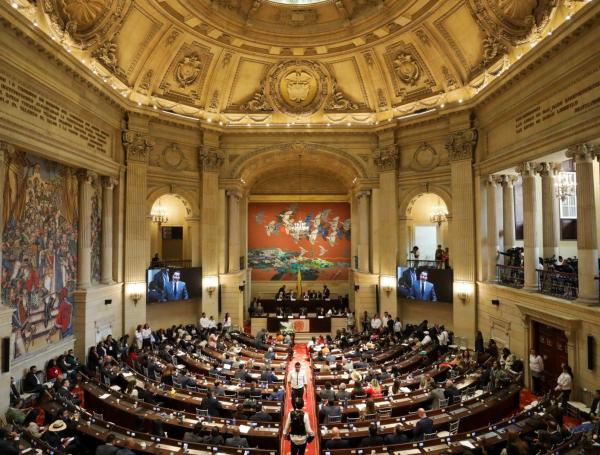
The battle for the Senate presidency boils down to raw numbers in a chamber of 103 senators. The disappearance of the five FARC seats, granted for eight years under the peace agreement, has reverted the Senate to its traditional size. A simple majority of 52 votes is needed to secure the presidency.
Alfredo Deluque’s camp, backed by De La Espriella, initially counts on approximately 38 votes: 10 from Alianza por Colombia (a coalition including Alianza Verde, En Marcha, and Aico), 9 from the Conservative Party, 8 from ‘La U’, 7 from Cambio Radical, and 4 from Salvación Nacional. This leaves him 14 votes short of the magic number.
Honorio Henríquez, representing the Centro Democrático, starts with his party’s 17 votes, plus one from Jota Pe Hernández of Alianza Verde, who has broken ranks with his coalition’s decision. This leaves 47 votes undecided, including the crucial 26 from the Pacto Histórico (Gustavo Petro’s party), 15 from the Liberal Party, 3 from Mira, and 3 from smaller groups like Mais, Dignidad y Compromiso, and Nuevo Liberalismo.
The Liberal Party, under the leadership of former President César Gaviria, holds significant sway. Their 15 votes could decisively tip the scales for either candidate. They are scheduled to meet tomorrow morning at the Hotel de la Ópera to decide their stance before heading to the Capitol. Their decision will likely hinge on negotiations for future congressional leadership positions and committee assignments.
The Unthinkable Alliance: Petro’s Shadow Play
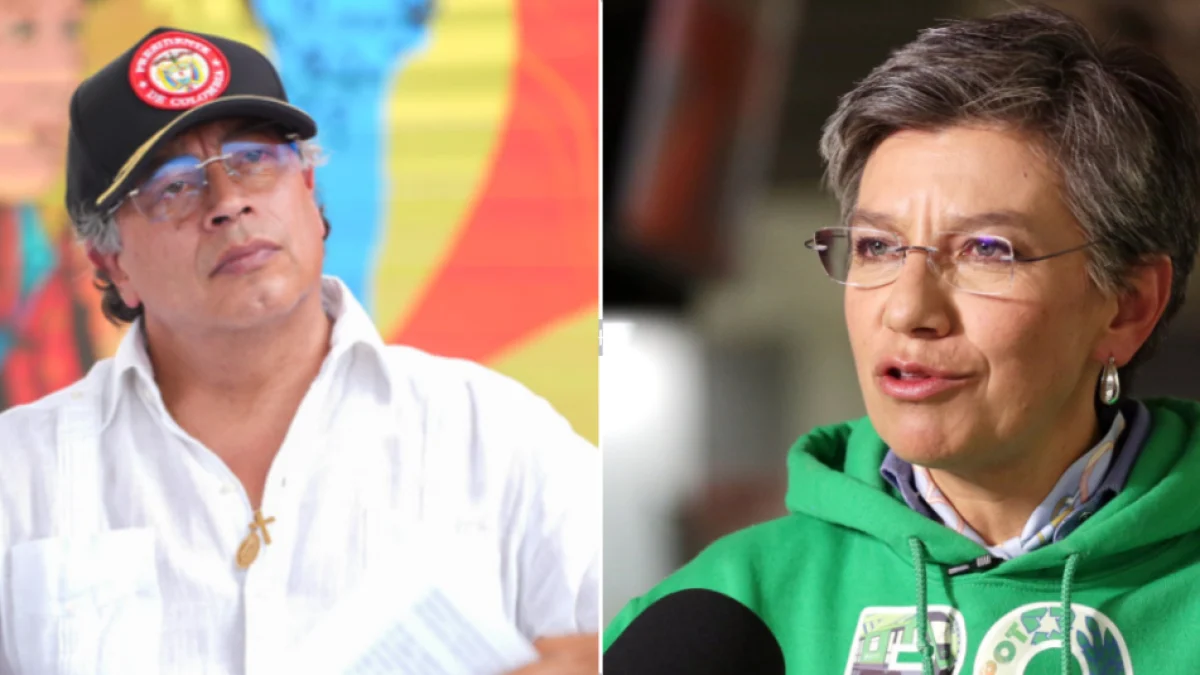
Perhaps the most shocking twist in this political drama is the potential for an unprecedented alliance between the far-right Centro Democrático and the left-wing Pacto Histórico. "The enemy of my enemy is my friend," some members of the outgoing ruling party (and soon-to-be opposition) have openly declared. For them, a vote for Honorio Henríquez would not be an endorsement of Uribismo, but a strategic blow against the incoming De La Espriella administration, creating early instability and undermining his mandate.
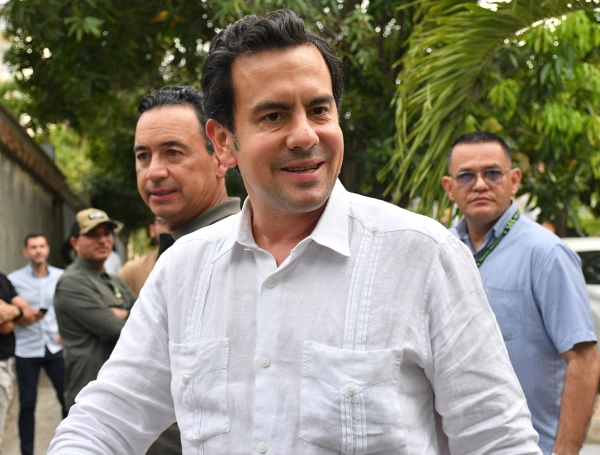
Rodrigo Lara, De La Espriella’s designated Interior Minister, has vehemently criticized this potential pact. "Gustavo Petro’s political instruction is to vote for Honorio Henríquez. Everyone knows it. There’s nothing hidden," Lara stated, expressing his incredulity at the idea of a "clean vote" against majority agreements, a scenario he considers indicative of significant political instability. He insists that such a move, particularly in the first year of a new presidency, is virtually unprecedented in recent decades, typically only occurring in the third or fourth year when coalitions naturally fray.
Lara further accused Petro of actively seeking to "sabotage the start of Abelardo De La Espriella’s government," but expressed confidence in the "patriotic character of the Centro Democrático and former President Uribe" to resist such a pact. However, Uribe himself has complicated matters, rejecting the notion of an alliance with "Petrismo" while simultaneously accusing Deluque’s bloc of seeking agreements with Senator Martha Peralta, an Indigenous representative from the Pacto Histórico currently under investigation in the UNGRD scandal. This highlights the complex, often contradictory, maneuvers at play.
Implications for Governability and the Legislative Agenda
The implications of this early power struggle extend far beyond the Capitol’s halls. A "clean vote" and a potential defeat for De La Espriella’s preferred candidate would severely complicate his ability to govern effectively. Unlike Uribe in 2002, De La Espriella arrives without a robust parliamentary base. His Salvación Nacional party has only 4 senators, a stark contrast to the Centro Democrático’s 17 (the second-largest bloc after the Pacto Histórico’s 26, including Iván Cepeda’s opposition seat).
The previous four years under Gustavo Petro demonstrated how even a single committee in opposition could effectively block crucial government projects. De La Espriella’s ambitious agenda, encompassing his National Development Plan and a crucial tax reform to tackle the nation’s severe fiscal crisis by August 7th, requires broad congressional support.
Juan Nicolás Garzón, a professor at the Universidad de La Sabana, warns that this scenario "would break a common practice in recent governments and create a complex environment for fundamental reforms that the new government must promote. These issues require a significant number of votes, so initial tensions would not be favorable."
The battle also raises questions about the future of the right-wing coalition. While the Centro Democrático was the first party to declare itself a "government party," Uribe emphasized that this decision was based on "political coherence" rather than "bureaucratic agreements." Daniel Briceño, a prominent Centro Democrático congressman, echoed this sentiment, asserting that the current debate "imprints a degree of stature on Colombian politics, and that is that here there are checks and balances."
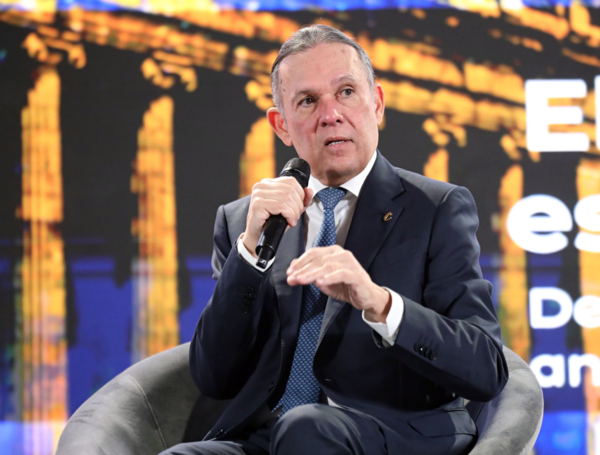
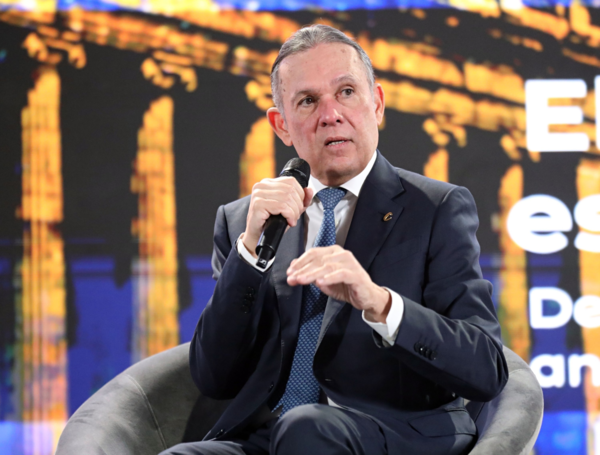
However, not all within the right share this view. Senator Efraín Cepeda, president of the Conservative Party, has openly criticized the Centro Democrático’s stance, urging them to prioritize governability over short-term interests and warning against the "inconvenience" of a clean vote. He stressed that it would be an "absolute contradiction" to allow the Pacto Histórico to determine the Senate presidency. Cepeda highlighted the "atypical" nature of De La Espriella’s "miracle presidency," which "saved the nation" and returned it to democracy, making it imperative to support his requests. He suggested a simple reordering of the traditional rotation for Senate presidencies, moving ‘La U’ to the first year, and shifting other parties down accordingly.
Outgoing Senator Carlos Fernando Motoa of Cambio Radical also emphasized the need for political agreement to avoid handing an "unexpected gift" to the outgoing president and his allies. He warned that internal party debates could "generate some distortion in the election of these directive boards, which are key in this first year."
A Complex Gesture: Paola Holguín’s Appointment
Amidst this maelstrom, De La Espriella made a significant appointment on Friday, naming Paola Holguín as his Minister of Culture. Holguín, a long-standing Uribista who has accompanied the former president since his double mandate in the early 2000s, had recently experienced a public rupture with Uribe during the Centro Democrático’s internal presidential primary.
The appointment has been met with divided interpretations. Some political observers see it as a conciliatory gesture, a white flag extended to Uribe and a move to mend fences within the broader right. Others, however, view it as a calculated strategic move by De La Espriella – the "Tigre" – to further assert his influence over the political base that propelled him to power, potentially co-opting figures historically loyal to Uribe. This duality underscores the intricate nature of the political chess game being played.
The Decisive Hours Ahead
The hours leading up to tomorrow’s vote are undeniably decisive. They will not only test the governability of President-elect De La Espriella but also reveal the willingness of various parties in the Capitol to prioritize national stability over partisan interests. Colombia faces immense challenges in economic, energy, health, and security matters, legacies of the previous administration that demand a cohesive legislative response.

Starting at 4:00 PM this Monday, the country will witness the inaugural act of dialogue – or discord – between the new President of the Republic and the newly installed Congress. The outcome will set the tone for the next four years, defining whether De La Espriella’s "Patria Milagro" can truly take flight, or if it will be grounded by the persistent shadows of past political rivalries and the raw struggle for power within the Colombian right.
BY MATEO GARCÍA
SUBEDITOR OF POLITICS